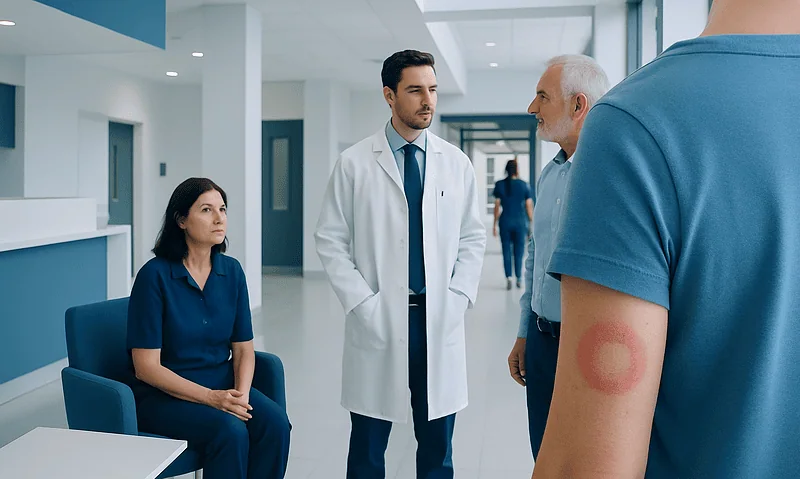
Is Food Poisoning Contagious? Here Is What the Evidence Says

Food poisoning is not always contagious, but the germs behind it can sometimes spread. Viruses such as norovirus are especially likely to pass between people through hands, food, and surfaces.
Key Takeaways
- Food poisoning is not always contagious, but the germs behind it can sometimes spread.
- Viruses such as norovirus are especially likely to pass between people through hands, food, and surfaces.
- Most mild cases improve with rest and fluids, but dehydration is an important warning sign.
- Doctors may use symptoms, travel and food history, and sometimes stool tests to find the cause.
- Careful handwashing, safe food handling, and staying home when ill help prevent spread.
Food poisoning is common and often gets better on its own within a few days. Whether it is contagious depends on the germ involved: a person usually does not “catch” food poisoning itself, but some viruses, bacteria, and parasites that cause it can spread from person to person.
Overview: Can Food Poisoning Spread From One Person to Another?
In many cases, food poisoning is short-lived and harmless, causing a few unpleasant days of nausea, vomiting, diarrhea, or stomach cramps before improving with rest and hydration. The answer to the question is food poisoning contagious is: sometimes. What matters most is the cause.
Food poisoning describes illness caused by eating or drinking something contaminated with harmful germs or their toxins. Some causes, such as toxins produced in food before it is eaten, are generally not spread from one person to another. Others, especially certain viruses and bacteria, can pass to another person through unwashed hands, contaminated surfaces, shared food, or close contact.
This distinction is important because many people use the term “food poisoning” for any sudden stomach illness. In reality, one person may have a toxin-related illness that cannot be passed on, while another may have a viral infection that spreads easily in homes, schools, cruise ships, or care settings. If symptoms are severe, persistent, or associated with dehydration, medical review is sensible.
How Food Poisoning Happens
Food poisoning can develop when food or water becomes contaminated during growing, processing, storage, preparation, or serving. Contamination may come from bacteria, viruses, parasites, or toxins. Common examples include undercooked meat, raw eggs, unpasteurized products, contaminated produce, seafood, or foods left too long at unsafe temperatures.
Illness may begin within hours or take several days to appear, depending on the cause. A fast onset after a meal can suggest a preformed toxin, while symptoms that start a day or more later may point to an infection. This is one reason it can be difficult for a person to know exactly what caused the problem without a clinician’s assessment.
From a public health perspective, the most important question is not only what food was eaten, but whether the germ can continue to spread. For example, a person with a highly contagious viral gastroenteritis may first think they have food poisoning, then unintentionally pass the infection to family members. Conditions such as gastroenteritis can overlap in symptoms, so the source and pattern of illness matter.
Which Causes Are Contagious and Which Are Not?
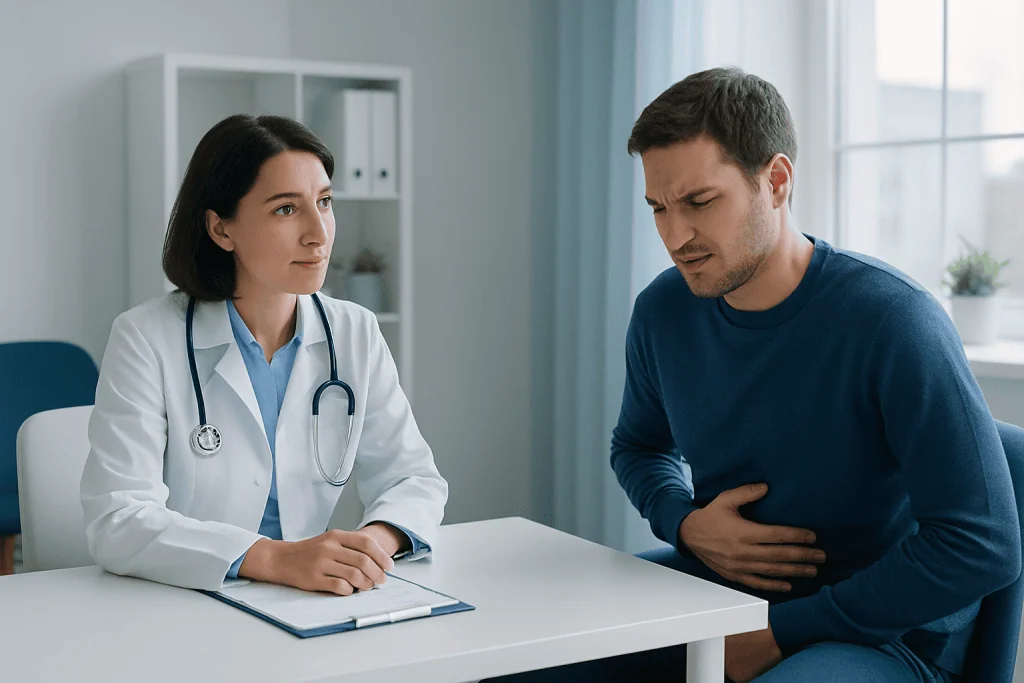
Some causes of food poisoning are more contagious than others. Norovirus is one of the clearest examples of a highly contagious cause of sudden vomiting and diarrhea. It spreads very easily through contaminated food, close contact, surfaces, and tiny particles released during vomiting. Shigella, Salmonella, and certain strains of E. coli can also spread between people, especially where hygiene is difficult or young children need help with toileting.
Other forms of food poisoning are less likely to be directly contagious. For instance, illness caused by toxins from Staphylococcus aureus or Bacillus cereus that formed in food before it was eaten usually does not spread from person to person. The person becomes ill from what they consumed, not because they are infected in a way that others can easily catch.
Parasites may also be involved in some cases, particularly after unsafe water exposure or travel. These may spread under certain circumstances, but patterns vary by organism. In practical terms, anyone with vomiting or diarrhea should assume the illness could spread and take careful hygiene measures until symptoms fully settle.
- More likely to spread: norovirus, Shigella, some Salmonella infections, some E. coli infections
- Less likely to spread directly: toxin-mediated food poisoning from improperly stored food
- Variable spread: parasitic causes and some bacterial infections depending on the organism
Symptoms and the Clues Doctors Look For
Typical symptoms include nausea, vomiting, diarrhea, stomach cramps, bloating, low-grade fever, and a general feeling of weakness. Many mild cases improve within one to three days, though some bacterial infections last longer. The greatest immediate concern is often dehydration, especially in infants, older adults, pregnant people, and anyone with a weakened immune system.
Certain symptom patterns can offer clues. Prominent vomiting that spreads through a household can suggest a viral cause such as norovirus. Bloody diarrhea, high fever, severe abdominal pain, or symptoms after undercooked poultry, eggs, or travel may raise suspicion for particular bacteria. Long-lasting diarrhea may prompt doctors to consider parasites or other digestive conditions.
Doctors usually begin with a history of recent foods, travel, sick contacts, medications, underlying health conditions, and the timing of symptoms. They may ask whether others who ate the same meal also became ill. If symptoms are severe or do not improve, a doctor may recommend stool testing, blood tests, or in selected cases imaging or endoscopic evaluation, particularly if there is concern for another digestive problem such as Crohn’s disease or another cause of ongoing diarrhea.
Treatment Options and Recovery
Most treatment focuses on replacing lost fluids and allowing the digestive tract to recover. Small, frequent sips of water or oral rehydration solutions are often most helpful, especially after vomiting. Many people tolerate bland foods once nausea eases, though appetite may take time to return.
Antibiotics are not needed for most cases and may not help with viral illness or toxin-related food poisoning. In some bacterial infections, they are used selectively based on the likely organism, severity, patient age, pregnancy, immune status, and test results. Anti-diarrheal medicines are not right for everyone, particularly when fever or bloody diarrhea is present, so they should be used with medical guidance.
If dehydration becomes significant, medical care may involve laboratory testing and intravenous fluids. A doctor may also look for complications or alternative diagnoses when symptoms are severe or prolonged. In some cases, specialist evaluation in gastroenterology care can help if symptoms do not follow the usual pattern or if there is concern for another digestive disorder.
How to Reduce the Risk of Spreading It at Home
If a person is unwell with vomiting or diarrhea, careful hygiene can protect others even before the exact cause is known. Handwashing with soap and water is especially important after using the toilet, changing diapers, cleaning up vomit, and before preparing food. Alcohol hand gels may be less effective against some viruses, so soap and water remain the main step.
Surfaces in bathrooms and kitchens should be cleaned promptly and carefully. Shared towels, utensils, and food preparation should be handled cautiously until the sick person has fully recovered. It also helps to avoid cooking for others while symptoms are active and for a short period afterward, based on local public health advice and the type of infection suspected.
Food safety also matters for prevention. Safe storage temperatures, cooking meats thoroughly, washing produce, avoiding cross-contamination between raw and ready-to-eat foods, and choosing safe water sources can lower the risk of both foodborne illness and further spread. Persistent digestive upset may need evaluation to distinguish infection from conditions such as ulcerative colitis or other causes of diarrhea.
When to Seek Medical Care
Although most cases are mild, certain warning signs deserve prompt medical attention. These include signs of dehydration such as very little urination, dizziness, dry mouth, or extreme weakness; blood in the stool; high fever; severe abdominal pain; repeated vomiting that prevents fluid intake; or symptoms lasting more than a few days without improvement.
Medical care is also important for infants, older adults, pregnant people, and people with weakened immune systems or serious chronic illness. Some infections can be more severe in these groups, and dehydration may develop faster. A doctor can help decide whether testing or monitoring is needed.
Clinicians typically start by checking hydration status, temperature, blood pressure, abdominal tenderness, and the timeline of symptoms. They may order stool tests when the illness is severe, prolonged, bloody, linked to travel, or part of a possible outbreak. If needed, supportive treatment may include intravenous fluid support in a hospital setting. Acibadem International’s multidisciplinary specialists and JCI-accredited hospitals diagnose and treat digestive and infectious illnesses for international patients when further evaluation is needed.
Frequently asked questions
Is food poisoning contagious between family members?
Sometimes, yes. If the cause is a virus or certain bacteria, the germ can spread through unwashed hands, contaminated food, bathroom surfaces, or close contact. If the illness is caused by a toxin already present in food, it is much less likely to pass from person to person.
How long is food poisoning contagious?
This depends on the cause. Some viral illnesses can spread very easily while symptoms are present and sometimes for a short time after recovery. Good hygiene should continue until vomiting and diarrhea have clearly stopped and any medical or public health advice has been followed.
Can someone catch food poisoning just by being near a sick person?
Usually not from simply being nearby, but close contact can still lead to spread if the cause is contagious. Shared bathrooms, contaminated hands, and cleaning up vomit or diarrhea increase the risk. The risk is lower when handwashing and surface cleaning are done carefully.
What is the difference between a stomach bug and food poisoning?
A stomach bug often refers to viral gastroenteritis, which commonly spreads from person to person. Food poisoning refers more broadly to illness caused by contaminated food or drink, including infections and toxins. Because symptoms overlap, the exact cause is not always obvious without considering timing, exposures, and sometimes tests.
Should a person with food poisoning stay home from work or school?
Yes, especially if they have vomiting or diarrhea. Staying home helps recovery and reduces the chance of spreading contagious germs to others. This is especially important for anyone who handles food, works in healthcare, or cares for young children.
Do antibiotics cure food poisoning?
Not usually. Many cases are caused by viruses or toxins, where antibiotics do not help, and some bacterial infections improve without them. A doctor decides about antibiotics based on symptoms, test results, and the person’s overall health.
References
- World Health Organization
- Centers for Disease Control and Prevention
- National Institute of Diabetes and Digestive and Kidney Diseases
- National Health Service
- Mayo Clinic
This article is for general information only and is not a substitute for professional medical advice. Please consult a qualified doctor about your individual situation.
Food Poisoning in Turkey — costs, top hospitals & a free quote
JCI-accredited · board-certified surgeons · reply within 24h
Add us as a Preferred Source to see more of our trusted health content across Google Search, AI Overviews and Discover.

Gastroenterology
Diagnosis and treatment of the digestive system and liver, with advanced endoscopy.
46 specialists in this unit