Rolfing: An Evidence-Based Guide for Patients
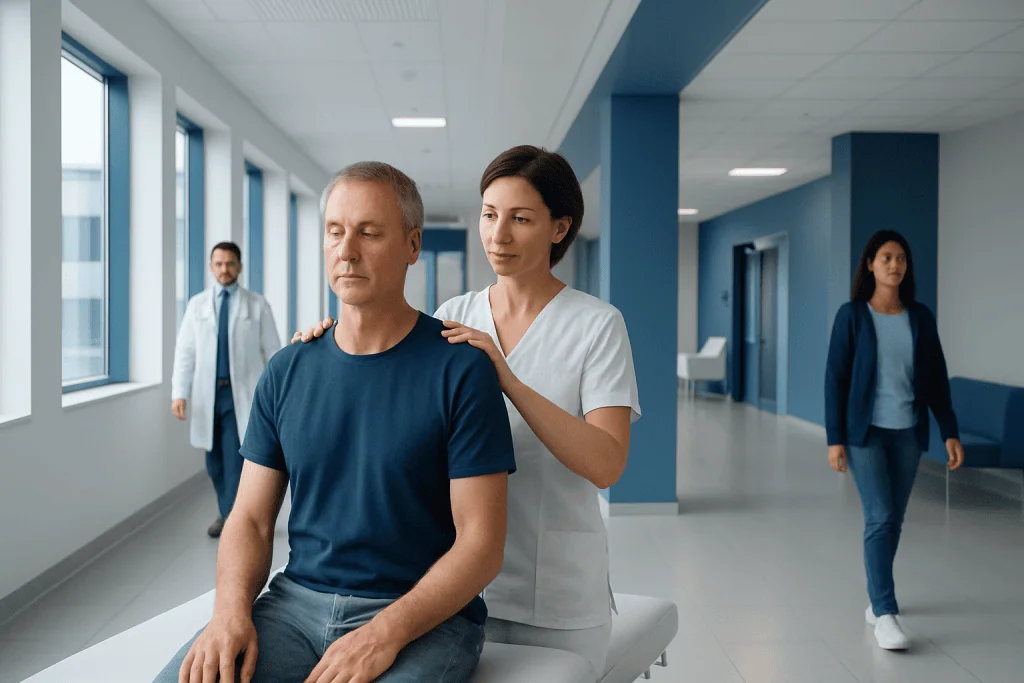
Rolfing is a manual therapy approach focused on fascia, posture, and movement patterns. Evidence for rolfing is limited; it may help some people feel less tension, but it is not a standard medical treatment for pain conditions.
Key Takeaways
- Rolfing is a manual therapy approach focused on fascia, posture, and movement patterns.
- Evidence for rolfing is limited; it may help some people feel less tension, but it is not a standard medical treatment for pain conditions.
- It should not replace medical evaluation for ongoing, severe, or unexplained pain.
- People with fractures, bleeding disorders, active infections, or certain medical conditions should seek medical advice before trying it.
- A qualified healthcare professional can help determine whether symptoms are musculoskeletal or related to another condition.
Rolfing is a form of hands-on bodywork, also called structural integration, that aims to change posture and movement patterns by working on connective tissue. Some people report feeling looser or moving more comfortably after sessions, but research is limited, so it is best viewed as a complementary practice rather than a proven medical treatment.
What rolfing is and what patients should know
Rolfing is a type of hands-on bodywork developed within the broader field of structural integration. Practitioners use manual pressure and guided movement to work on fascia, the connective tissue that surrounds muscles and other structures. The goal is to improve how the body is aligned and moves, rather than to treat a specific disease.
People often look into rolfing for back pain, neck stiffness, poor posture, or a feeling of chronic tightness. A typical course may involve multiple sessions, with attention to breathing, movement habits, and body awareness as well as manual work. Pressure may feel deep at times, but the experience varies by practitioner and by the person’s sensitivity.
From a medical perspective, rolfing may be considered a complementary practice. Some patients say it helps them feel more mobile or more balanced, but scientific evidence remains limited compared with established treatments such as exercise therapy, physical therapy, or targeted rehabilitation. That means rolfing may be reasonable for selected people, but it should not be presented as a cure or as a replacement for proper diagnosis.
How rolfing is different from massage and physical therapy
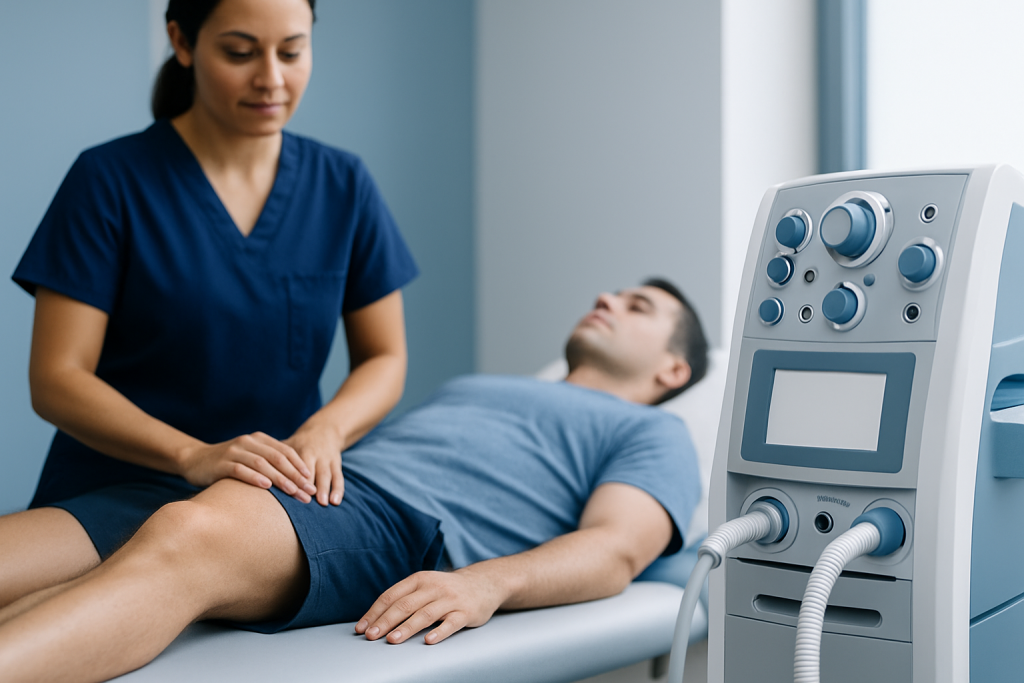
Rolfing is sometimes grouped with massage, but the approaches are not identical. Many massage techniques are designed mainly for relaxation, temporary relief of muscle tension, or support for recovery. Rolfing usually places more emphasis on fascia, posture, body mechanics, and long-term movement patterns.
It is also different from physical therapy. Physical therapists assess function using medical and rehabilitation frameworks, identify impairments, and build treatment plans that may include exercises, manual therapy, education, and recovery goals. For people with an injury, surgery, persistent pain, or reduced function, physical therapy and rehabilitation often plays a more established role than rolfing.
In practice, the methods can overlap. A person may receive manual soft-tissue work in physical therapy, or may use massage or rolfing alongside exercise-based care. The key difference is that medical rehabilitation is grounded in diagnosis and measurable function, while rolfing is usually offered as a bodywork approach aimed at structural integration and body awareness.
Why people try rolfing: common symptoms and goals
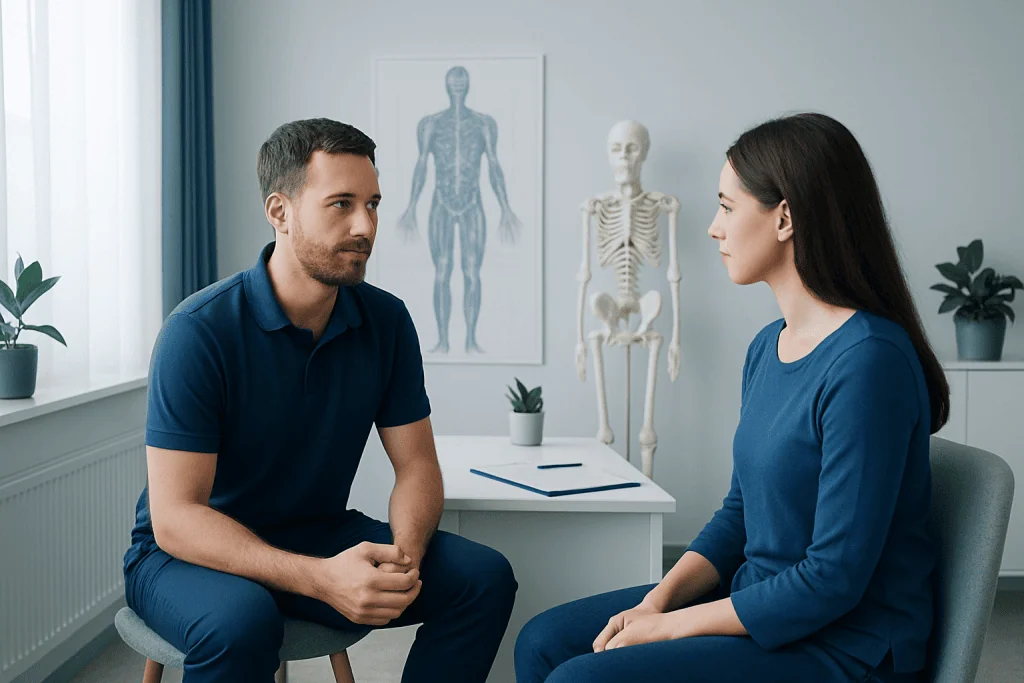
People do not usually seek rolfing for a formal diagnosis. Instead, they often want help with symptoms such as generalized muscle tightness, a sense of restricted movement, postural discomfort, or recurring aches that seem linked to sitting, repetitive work, or exercise habits. Common areas of concern include the neck, shoulders, lower back, hips, and legs.
Some individuals also hope rolfing will improve flexibility, coordination, athletic movement, or body awareness. Others are interested because they feel their posture has changed over time or because they notice asymmetry in the way they stand or walk. These concerns can be real and uncomfortable, even when no serious disease is present.
It is important, however, to separate symptom relief from diagnosis. Back pain, for example, may arise from muscle strain, joint irritation, disc problems, poor ergonomics, or other causes. If symptoms suggest a clearer medical condition such as a herniated disc or persistent spinal pain, a healthcare assessment is more appropriate before starting bodywork alone.
What the evidence says
Research on rolfing is limited in both size and quality. A small number of studies and observational reports suggest that some people may experience short-term improvements in comfort, posture perception, mobility, or well-being. However, these findings are not strong enough to conclude that rolfing reliably treats specific medical conditions.
For many pain problems, the best-supported treatments usually include a careful diagnosis, education, staying as active as appropriate, therapeutic exercise, and condition-specific care. Manual therapies can sometimes help reduce symptoms in the short term, but they are generally one part of a broader plan rather than a stand-alone solution. This is especially true for chronic pain, where sleep, stress, mood, workload, and physical conditioning may all matter.
Patients may therefore think of rolfing as an optional complementary approach. It may be most reasonable when symptoms are mild, when serious causes have been ruled out, and when it is combined with evidence-based self-care. If pain is worsening, persistent, or affecting work, sleep, or daily function, medical guidance is more important than continuing any single bodywork method.
Possible benefits, side effects, and who should be cautious
Some people describe feeling less tight, standing more comfortably, or moving more freely after rolfing sessions. The hands-on attention and movement coaching may also help a person notice habits such as guarding, breath-holding, or uneven weight-bearing. These changes can feel meaningful, even if they are hard to measure objectively.
Like other manual therapies, rolfing can also cause temporary side effects. These may include soreness, tenderness, bruising, fatigue, or brief symptom flare-ups after treatment. Deep pressure may be uncomfortable for some people, and stronger pressure is not always better. A qualified practitioner should adapt techniques to the person’s health status and comfort level.
Extra caution is important for people with osteoporosis, recent fractures, skin infections, open wounds, bleeding disorders, use of blood thinners, active cancer treatment, severe varicose veins, uncontrolled inflammatory disease, or recent surgery. Pregnant patients and older adults with frailty should also check with a clinician before starting. When symptoms are linked to nerve problems, severe weakness, or progressive loss of function, specialist assessment is more appropriate than deep bodywork.
- Possible short-term benefits: improved sense of mobility, reduced tension, greater body awareness
- Possible side effects: soreness, bruising, tenderness, temporary increase in pain
- Situations needing caution: fracture risk, bleeding risk, infection, recent surgery, unexplained symptoms
How symptoms are medically evaluated
When a patient has recurring pain or stiffness, the first step is not usually to choose a technique but to understand the cause. A clinician will ask where the pain is, how long it has been present, what makes it better or worse, and whether there are warning signs such as numbness, fever, weight loss, trauma, or bowel or bladder changes. The examination may include posture, range of motion, strength, reflexes, walking pattern, and areas of tenderness.
Not every patient needs imaging, but tests may be helpful when red flags are present or when symptoms do not improve as expected. Depending on the area involved, a doctor may recommend assessment for conditions such as scoliosis, nerve compression, arthritis, or overuse injuries. In some cases, imaging or specialist review helps separate simple mechanical discomfort from a more significant spinal or joint problem.
That evaluation matters because treatments differ by cause. Mechanical neck or back pain may improve with exercise and conservative care, while inflammatory disease, fracture, infection, or nerve compression requires a different plan. Rolfing may fit into supportive care for selected patients, but accurate diagnosis should come first when symptoms are persistent or unclear.
Evidence-based treatment options and where rolfing may fit
Treatment depends on the diagnosis. For common musculoskeletal complaints, doctors often recommend a combination of activity modification, stretching or strengthening, posture and ergonomics advice, and sometimes short-term medicines to reduce pain or inflammation if appropriate. Exercise-based care is especially important because long-term improvement often depends on strength, endurance, and movement confidence rather than passive treatment alone.
When pain is ongoing or function is reduced, supervised rehabilitation may be helpful. Depending on the cause, treatment can include pain management strategies, targeted exercise, manual therapy, and education about pacing and recovery. If symptoms involve the spine, specialist review in orthopedics and traumatology may be considered, especially after injury or when structural problems are suspected.
Rolfing may fit as an adjunct for people who enjoy hands-on care and have already been medically assessed. The safest approach is to use it alongside, not instead of, evidence-based treatment. Near the end of a care pathway, some people also benefit from movement training or sports medicine input if symptoms relate to exercise technique, overuse, or return to activity.
Self-care, prevention, and when to seek medical care
Many aches linked to posture or overuse improve with simple habits practiced consistently. Helpful measures include regular movement breaks, gradual strengthening, good sleep habits, stress management, and attention to workstation setup. Gentle mobility work can be useful, but sudden increases in intensity may aggravate symptoms.
Patients considering rolfing should choose a practitioner who takes a full health history, explains what the session involves, respects comfort limits, and encourages medical review when symptoms suggest something more than soft-tissue tension. It is sensible to avoid any practitioner who promises to cure diseases, dismisses medical diagnosis, or advises stopping prescribed treatment without medical input.
Medical care should be sought promptly for severe pain after an injury, new numbness or weakness, pain with fever, chest pain, shortness of breath, unexplained weight loss, or loss of bladder or bowel control. Care is also important if pain lasts more than a few weeks, repeatedly returns, disturbs sleep, or limits daily life. Acibadem International’s multidisciplinary specialists in JCI-accredited hospitals evaluate musculoskeletal symptoms and offer diagnosis and treatment plans for international patients when a more complete assessment is needed.
Frequently asked questions
Is rolfing the same as massage?
No. Both involve hands-on work, but rolfing is typically framed as structural integration focused on fascia, posture, and movement patterns. Massage is often aimed more at relaxation, circulation, or temporary relief of muscle tension.
Does rolfing really work for pain?
Some people report less tension or better movement after rolfing, but research is limited. It may help certain people as a complementary therapy, but it is not considered a proven primary treatment for most pain conditions.
Can rolfing fix posture?
Rolfing may help a person become more aware of posture and movement habits, and some people feel they stand or move more comfortably afterward. However, lasting postural change usually depends on strength, mobility, daily habits, and sometimes rehabilitation rather than hands-on treatment alone.
Is rolfing painful?
It can be uncomfortable, especially if deeper pressure is used or tissues are sensitive. Mild soreness afterward is possible, but treatment should be adapted to the person's comfort and health status rather than forced.
Who should avoid rolfing or ask a doctor first?
People with recent fractures, osteoporosis, bleeding disorders, blood thinner use, infections, open wounds, recent surgery, or unexplained severe pain should ask a doctor first. Medical advice is also important during pregnancy or when nerve symptoms such as numbness or weakness are present.
Should rolfing replace physical therapy or medical treatment?
No. Rolfing is best viewed as a complementary option, not a substitute for diagnosis or evidence-based care. If symptoms are persistent, worsening, or affecting function, a clinician should guide treatment.
This article is for general information only and is not a substitute for professional medical advice. Please consult a qualified doctor about your individual situation.
Joint and spine care in Turkey — expert assessment & treatment
JCI-accredited · board-certified surgeons · reply within 24h
Add us as a Preferred Source to see more of our trusted health content across Google Search, AI Overviews and Discover.

More from the Health Library
Broken Kneecap — Explained by Medical Evidence, Not Myths

Msg Vetsin: What Patients Need to Know

Trolamine Salicylate: A Complete Medical Overview
Rapid Eye Movement Sleep: An Evidence-Based Guide for Patients

Benzonatate: An Evidence-Based Guide for Patients