Breath Smells Like Poop: A Complete Medical Overview

Breath that smells like poop is not normal and usually points to a treatable cause. Dental disease, sinus infections, tonsil problems, reflux, and bowel disorders are common reasons.
Key Takeaways
- Breath that smells like poop is not normal and usually points to a treatable cause.
- Dental disease, sinus infections, tonsil problems, reflux, and bowel disorders are common reasons.
- A true fecal odor on the breath needs medical attention, especially if it comes with vomiting, belly pain, fever, or trouble swallowing.
- Diagnosis often involves both dental and medical evaluation to find the odor source.
- Treatment focuses on the underlying condition, not just masking the smell.
If breath smells like poop, it is usually a sign of an underlying medical or dental problem rather than poor hygiene alone. Common causes include advanced gum disease, sinus or throat infection, severe constipation or bowel obstruction, and digestive conditions that allow foul-smelling gases to rise into the mouth.
Overview: What It Means When Breath Smells Like Poop
When breath smells like poop, the odor is often related to bacteria, infection, trapped debris, or digestive contents moving in the wrong direction. It can come from the mouth and throat, from the nose and sinuses, or less commonly from the digestive tract. Although many people use this phrase to describe any very bad breath, a strong fecal odor deserves attention because it may reflect more than simple morning breath.
In many cases, the source is local and treatable. Severe tooth decay, gum disease, dry mouth, coated tongue, tonsil stones, and sinus infection can all produce a heavy, foul odor. In other cases, the smell may be linked to gastroesophageal reflux, vomiting, severe constipation, or, more urgently, a bowel blockage. The smell itself does not diagnose the cause, but it is a useful clue.
Because the causes cross several body systems, evaluation may involve a dentist, primary care doctor, ear, nose, and throat specialist, or gastroenterologist. The goal is to identify whether the odor starts in the mouth, upper airway, or digestive system, and then treat the underlying problem rather than only covering it up with mouthwash or mints.
How This Type of Bad Breath May Present
People often describe this symptom as breath that smells like stool, sewage, rotting garbage, or something unusually putrid. The odor may be constant or may come and go. Sometimes the person notices a bad taste, thick saliva, a dry mouth, or a white or yellow coating on the tongue. In other cases, family members notice the smell first.
Other symptoms can help point to the cause. Mouth pain, bleeding gums, loose teeth, and sensitivity may suggest dental disease. Nasal congestion, postnasal drip, facial pressure, and sore throat can suggest sinus or throat infection. Heartburn, sour regurgitation, nausea, bloating, constipation, or vomiting may suggest a digestive source.
It is also important to distinguish true halitosis from a temporary odor after certain foods or smoking. Garlic, onions, alcohol, and tobacco can worsen breath, but they do not usually create a persistent fecal smell. If the odor remains despite tooth brushing, flossing, and hydration, it is more likely that an underlying condition is present.
Common Causes and Risk Factors

The most common causes begin in the mouth. Bacteria break down food particles, blood, and damaged tissue into sulfur-containing compounds and other foul-smelling chemicals. This can happen with poor oral hygiene, cavities, infected teeth, advanced gum disease, food trapped around dental work, dry mouth, or a heavily coated tongue. Tonsil stones can also produce a strong, unpleasant smell when debris collects in small pockets of the tonsils.
The nose and throat are another frequent source. Chronic sinusitis, postnasal drip, throat infection, and enlarged or chronically inflamed tonsils can all lead to bad breath. If mucus sits in the sinuses or drips into the throat, bacteria can grow and create a particularly offensive odor. In some people, an object lodged in the nose or long-standing nasal blockage can contribute as well.
Digestive causes are less common than many people assume, but they are medically important. Severe acid reflux may bring stomach contents up into the throat and mouth. Persistent vomiting, severe constipation, or delayed stomach emptying can worsen odor. Rarely, serious conditions such as a bowel obstruction or an abnormal connection between parts of the digestive tract may create breath with a fecal character and usually come with other warning symptoms. Helpful evaluation may include review for gastroesophageal reflux disease or other upper digestive problems.
Risk factors depend on the cause but often include smoking, dehydration, mouth breathing, poorly controlled diabetes, neglected dental care, chronic sinus disease, and medications that reduce saliva. People who have difficulty swallowing, chronic constipation, repeated vomiting, or recent dental infections may also be at higher risk of developing severe bad breath.
How Doctors Find the Cause
Diagnosis starts with a careful history. A clinician may ask when the odor began, whether it is constant, what makes it better or worse, and whether there are symptoms such as tooth pain, nasal blockage, heartburn, nausea, abdominal pain, constipation, fever, or weight loss. Recent illnesses, smoking, medication use, and dental history are also important.
A physical examination often includes the mouth, teeth, gums, tongue, tonsils, nose, and abdomen. The doctor looks for signs of tooth decay, gum infection, dry mouth, tongue coating, tonsil stones, sinus tenderness, swollen tonsils, abdominal distension, or tenderness. Because odor can have more than one cause, both dental and medical assessment may be needed.
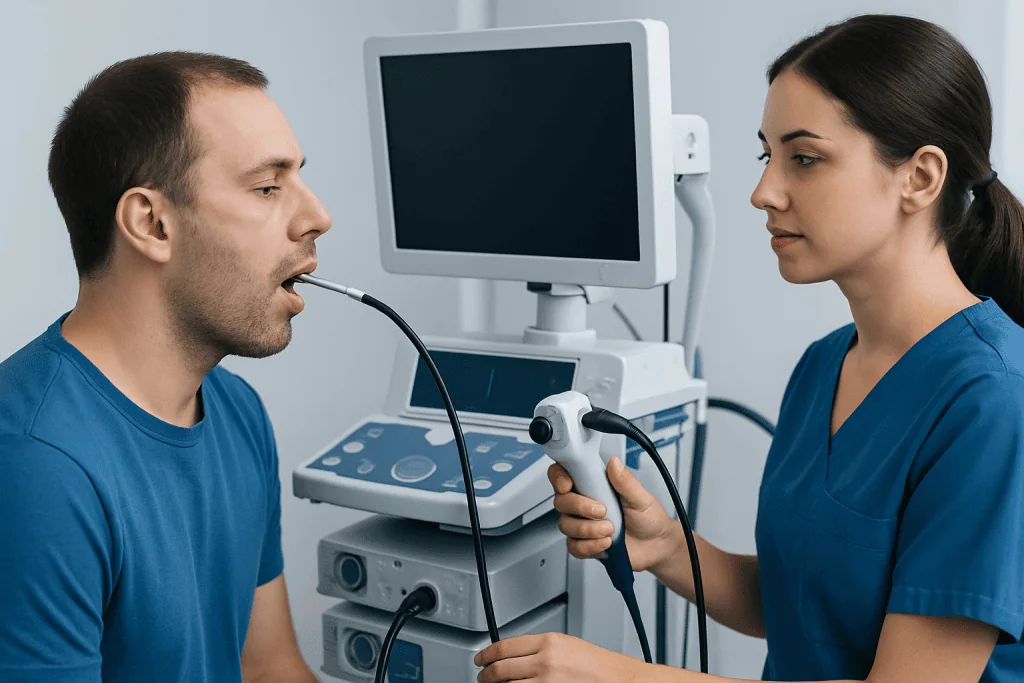
Tests depend on the suspected source. A dentist may evaluate for periodontal disease or hidden infection and recommend imaging if needed. A doctor may order nasal or throat evaluation, blood tests, or digestive testing when symptoms suggest reflux, infection, or bowel disease. In selected patients, further assessment with endoscopy can help examine the upper digestive tract, while abdominal imaging such as MRI may be used when deeper structural problems are being considered alongside other standard tests.
Treatment Options
Treatment depends on the root cause. If the problem starts in the mouth, professional dental cleaning, treatment of gum disease, filling or removing infected teeth, and improved daily oral care are often effective. Dentists may advise brushing the tongue, flossing regularly, staying well hydrated, and addressing dry mouth. If chronic bad breath is related to advanced periodontal disease, care may overlap with evaluation for gum disease.
If the source is in the nose or throat, treatment may include saline rinses, treatment for sinus infection, management of allergies, or care for tonsil stones and chronic tonsillitis. Patients should avoid trying to remove tonsil stones aggressively at home, as this can irritate tissue or cause bleeding. An ENT specialist may help if symptoms are persistent.
Digestive causes are treated based on the diagnosis. Reflux may improve with meal timing changes, avoiding trigger foods, and doctor-guided medications. Severe constipation requires a structured approach to fluids, diet, and medical advice. A bowel obstruction or severe vomiting is urgent and should not be self-treated. If a lower digestive problem is suspected, a specialist may consider evaluation such as colonoscopy when appropriate for symptoms and age.
Breath fresheners, mouthwash, and chewing gum may provide only temporary masking. They can be useful for comfort, but they do not solve the medical problem. The best long-term result usually comes from identifying the source and treating it directly.
Self-care and Prevention
Good daily oral care is one of the most effective preventive steps. Brushing twice daily, flossing once daily, cleaning the tongue, drinking enough water, and keeping regular dental visits can reduce bacterial buildup. Dentures and orthodontic appliances should also be cleaned carefully because trapped debris can produce strong odors.
Hydration matters because saliva naturally helps wash away bacteria and food particles. People who breathe through the mouth, snore, or take medications that dry the mouth may notice worse breath. In these cases, it can help to sip water regularly, limit alcohol and tobacco, and speak with a clinician about dry-mouth strategies.
For those with sinus or allergy symptoms, saline nasal rinses and treatment of chronic congestion may reduce postnasal drip and bacterial growth. For reflux, avoiding large late meals, not lying down soon after eating, and maintaining a healthy weight may help. A balanced diet with enough fiber can also support healthy bowel function and reduce constipation-related symptoms.
Self-care should not replace evaluation if the odor is strong, persistent, or associated with pain or digestive distress. Recurrent halitosis often improves only after the underlying condition is addressed.
When to Seek Medical Care
Medical or dental care is recommended if breath smells like poop for more than a short time, keeps returning, or does not improve with normal oral hygiene. It is especially important to seek evaluation if there is tooth pain, swollen gums, facial swelling, sinus symptoms lasting more than several days, difficulty swallowing, or frequent reflux.
Urgent medical attention is needed if the odor comes with severe abdominal pain, a swollen or hard abdomen, repeated vomiting, inability to pass stool or gas, fever, chest pain, confusion, or signs of dehydration. These symptoms can suggest a serious digestive or infectious problem that needs prompt care.
For international patients who need coordinated assessment, Acibadem International offers multidisciplinary evaluation through JCI-accredited hospitals, with specialists in dentistry, ENT, and digestive diseases involved when appropriate. The most useful first step is usually a clinical examination to determine where the odor is coming from and what testing, if any, is needed.
Frequently asked questions
Is it normal if breath smells like poop?
No. A persistent fecal-smelling breath odor is not considered normal and usually suggests a dental, sinus, throat, or digestive problem. It should be evaluated if it lasts or keeps returning.
Can constipation make breath smell like poop?
Constipation can contribute to bad breath, especially if it is severe and associated with bloating, nausea, or reduced bowel movement frequency. However, a true poop-like odor may also point to another cause, so symptoms should not be blamed on constipation alone without medical advice.
Does acid reflux cause poop-smelling breath?
Acid reflux can cause unpleasant breath by bringing acidic stomach contents into the throat and mouth. It does not always create a fecal odor, but in some people it can contribute to a very foul smell, especially when combined with dry mouth or poor oral health.
Can sinus infections cause this kind of bad breath?
Yes. Chronic sinus infection, thick postnasal drip, and tonsil problems are common causes of strong bad breath. Mucus and trapped debris allow bacteria to grow, which can create a heavy, offensive smell.
Will brushing teeth fix breath that smells like poop?
Brushing, flossing, and tongue cleaning can help if the odor comes from bacterial buildup in the mouth. But if the smell is caused by gum disease, sinus disease, reflux, or a bowel problem, oral hygiene alone usually will not fully solve it.
When is this an emergency?
It is urgent if the smell is accompanied by severe belly pain, repeated vomiting, abdominal swelling, inability to pass stool or gas, fever, or dehydration. These symptoms may suggest bowel obstruction or another serious condition that needs prompt medical care.
This article is for general information only and is not a substitute for professional medical advice. Please consult a qualified doctor about your individual situation.
Persistent digestive symptoms? Get evaluated in Turkey
JCI-accredited · board-certified surgeons · reply within 24h
Add us as a Preferred Source to see more of our trusted health content across Google Search, AI Overviews and Discover.

More from the Health Library

Tabbouleh: An Evidence-Based Guide for Patients

Motherwort: A Complete Medical Overview

Lymphedema: What Patients Need to Know

Overactive Bladder — Explained by Medical Evidence, Not Myths

Tirzepatide: What Patients Need to Know