Cost Orthodontic Braces: A Complete Medical Overview

There is no single fixed answer to cost orthodontic braces because treatment needs vary from person to person. The type of braces, severity of alignment problems, and length of treatment strongly influence overall cost.
Key Takeaways
- There is no single fixed answer to cost orthodontic braces because treatment needs vary from person to person.
- The type of braces, severity of alignment problems, and length of treatment strongly influence overall cost.
- A full orthodontic assessment is important before comparing options or making decisions.
- Retention and follow-up visits are essential parts of treatment planning, not optional extras.
- Children, teenagers, and adults can all benefit from braces when recommended by a qualified dental professional.
Cost orthodontic braces is shaped by medical and practical factors such as the kind of appliance used, how complex the tooth movement is, treatment length, and the follow-up care required. Understanding these factors can help patients ask informed questions and choose an orthodontic plan that supports both oral health and long-term results.
Overview: What Determines the Cost of Orthodontic Braces?
Cost orthodontic braces does not have one universal answer. In clinical practice, the total cost is usually determined by the type of braces selected, the complexity of the bite or alignment problem, the expected duration of treatment, and the level of monitoring needed during and after tooth movement.
Braces are not only a cosmetic treatment. Orthodontic care may help improve crowding, spacing, bite problems, and the way the teeth and jaws work together. Because each mouth develops differently, one patient may need relatively straightforward alignment, while another may need a more detailed treatment plan involving significant bite correction.
For that reason, comparing braces only by advertised price can be misleading. A proper orthodontic consultation usually includes an examination, dental imaging, and a discussion of goals, oral health status, and retention needs. Looking at the full plan gives a more accurate picture than focusing on the appliance alone.
Why Someone May Need Braces
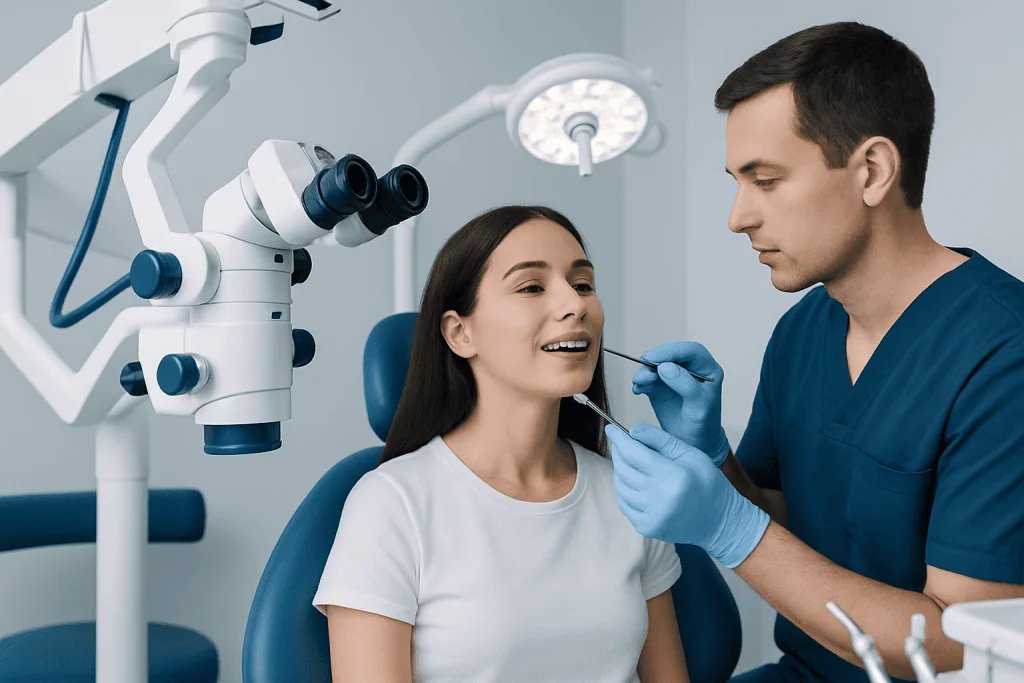
Orthodontic braces are commonly recommended when teeth are crowded, widely spaced, rotated, or not meeting correctly when the mouth closes. In some people, these issues mainly affect appearance. In others, they can also contribute to difficulty cleaning the teeth, uneven wear, chewing problems, or strain on the jaw.
Children and teenagers often begin orthodontic treatment while the mouth and jaws are still developing, but adults can also benefit. Adult orthodontics is increasingly common, especially when patients want to improve function, oral hygiene access, or the appearance of their smile in a medically supervised way.
A dentist or orthodontist may identify related concerns such as missing teeth or severe crowding that affects future restorative care. In some cases, orthodontic planning is coordinated with other dental treatments so that teeth are moved into healthier or more functional positions before long-term restoration.
Main Factors That Affect Cost

One of the biggest influences on cost orthodontic braces is the type of appliance used. Traditional metal braces, ceramic braces, lingual braces, and clear aligner systems each differ in materials, laboratory support, customization, and chairside adjustment needs. More complex or less visible systems may require more specialized planning and monitoring.
Treatment complexity is another major factor. Mild spacing or minor crowding may be simpler to correct than a deep bite, crossbite, significant crowding, or teeth that need substantial movement. If the bite relationship is complicated, treatment may take longer and involve more visits, additional appliances, or coordination with other specialists.
Diagnostic and follow-up needs also matter. The plan may include clinical photographs, X-rays, digital scans, impressions, regular review appointments, and retainers after active treatment. Retention is an essential stage because teeth can shift over time if they are not supported after braces are removed.
Other factors can include the patient’s age, gum health, whether any teeth need to be removed to create space, and whether the patient has had previous dental work. If oral health problems need treatment first, care may be coordinated with services such as dental treatment before active orthodontics begins.
Types of Braces and How They Differ
Metal braces remain a widely used option because they are effective for many kinds of tooth movement. They use brackets and wires to gradually guide the teeth into better alignment. This approach can be suitable for simple and more complex cases, depending on the treatment plan.
Ceramic braces work in a similar way but use tooth-colored or less visible brackets. Some patients prefer them for aesthetic reasons, especially during adolescence or adulthood. They may be appropriate in many cases, although the orthodontist will consider durability, oral habits, and the exact tooth movements needed.
Lingual braces are attached to the inner side of the teeth, making them less visible from the front. They can be effective but often require highly individualized design and detailed adjustments. Clear aligners are removable trays designed to move teeth step by step, and they may be useful for selected cases when patients can wear them consistently as instructed.
The most suitable appliance is not always the least noticeable one. The best choice depends on oral anatomy, bite pattern, lifestyle, treatment goals, and how reliably the patient can follow instructions. A specialist helps match the method to the clinical need rather than appearance alone.
How Orthodontists Assess Treatment Needs
Before estimating cost orthodontic braces, an orthodontist usually performs a detailed assessment. This often includes checking the position of the teeth, bite relationship, jaw development, gum condition, and any habits that could affect treatment, such as teeth grinding or mouth breathing.
Diagnostic records are often part of the planning process. These may include dental X-rays, digital scans, photographs, and measurements of the bite. Together, they help the clinician understand how much movement is needed and whether braces alone are likely to be enough.
Sometimes orthodontic care is planned together with other procedures. For example, if a patient has impacted teeth, significant jaw discrepancies, or restorative needs, the orthodontist may coordinate care with oral surgeons or prosthodontic teams. In selected cases, this can include jaw surgery or later tooth replacement such as dental implant treatment when spacing and alignment are stabilized.
This assessment stage is valuable because it sets realistic expectations. Patients can better understand the treatment sequence, likely duration, maintenance needs, and the reasons why one plan may differ from another.
Treatment, Follow-Up, and Long-Term Care
Once braces are placed, treatment usually involves regular review visits so the orthodontist can monitor progress and make adjustments. These visits are important because teeth and supporting tissues respond gradually over time. Missed appointments or poor appliance care can delay progress and affect the final result.
Daily oral hygiene is especially important during orthodontic care. Brackets, wires, and aligners can make it easier for plaque to build up, increasing the risk of gum irritation, bad breath, or tooth decay if cleaning is not thorough. Patients are usually advised to brush carefully, clean between teeth, and follow any specific instructions for their type of appliance.
After active treatment, most patients need retainers. Retainers help hold the teeth in their new position while the surrounding bone and soft tissues adapt. Without retention, some degree of relapse is possible, even after well-planned treatment.
Near the end of care, patients may also discuss smile restoration or replacement of missing teeth if relevant. In multidisciplinary centers, these next steps can be planned alongside orthodontics. Acibadem International’s multidisciplinary specialists in JCI-accredited hospitals diagnose and treat dental and jaw conditions for international patients when coordinated care is needed.
Questions Patients Can Ask During a Braces Consultation
A consultation can be more helpful when patients know what to ask. Clear questions can make the treatment plan easier to understand and reduce confusion about what is included in care. This is particularly important when comparing different orthodontic options.
Useful topics include expected treatment goals, likely duration, the reasons a certain appliance is recommended, and what follow-up care will involve. Patients may also want to ask whether retainers, replacement of damaged appliances, imaging, and emergency visits are part of the treatment plan.
- What problem is the braces treatment designed to correct?
- Which type of braces is most suitable for this mouth and bite?
- How long is treatment likely to take?
- Will any other dental procedures be needed before or after braces?
- What daily care is required to protect teeth and gums during treatment?
- What retention plan will be needed after braces are removed?
These questions help patients focus on quality of care and long-term oral health, not only on immediate cost comparisons.
When to Seek Medical Care
A dental or orthodontic assessment is worth seeking when teeth appear crowded, protruding, widely spaced, or difficult to clean, or when the bite feels uneven. Evaluation is also sensible if there is jaw discomfort, frequent cheek biting, speech changes related to tooth position, or concern that a child’s permanent teeth are coming in irregularly.
People already wearing braces should contact their dental team if they develop persistent pain, swelling, bleeding gums, broken wires, loose brackets, mouth sores that do not improve, or signs of infection. Sudden changes in bite or severe discomfort should not be ignored.
Early review can help prevent small orthodontic problems from becoming larger ones. A qualified dentist or orthodontist can explain whether monitoring, preventive care, or active treatment is the next appropriate step.
Frequently asked questions
What does cost orthodontic braces usually depend on?
It usually depends on the type of braces, how complex the tooth or bite problem is, and how long treatment is expected to take. Diagnostic records, follow-up visits, and retainers after treatment are also important parts of the overall plan.
Are braces only for cosmetic reasons?
No. Braces can also help improve bite function, make teeth easier to clean, and reduce uneven wear caused by poor alignment. In many patients, orthodontic treatment supports both appearance and oral health.
Do adults pay different costs than children for braces?
Age alone does not determine treatment needs, but adult cases may differ because growth has finished and previous dental work is more common. The cost is usually linked more closely to complexity, appliance choice, and treatment goals than to age by itself.
Why is a consultation important before comparing braces options?
A consultation helps identify the exact alignment or bite problem and shows what treatment is medically appropriate. Without an assessment, it is difficult to compare options accurately because two patients may need very different levels of care.
Are retainers included when thinking about braces treatment?
Retainers should always be considered part of orthodontic care because teeth can shift after active treatment ends. Patients should ask how retention will be managed and how long retainers are likely to be needed.
Can other dental problems affect orthodontic treatment planning?
Yes. Gum disease, cavities, impacted teeth, jaw issues, and missing teeth can all influence the treatment sequence. In some cases, these issues need to be treated before braces begin.
References
- American Association of Orthodontists
- American Dental Association
- National Institute of Dental and Craniofacial Research
- NHS
- World Health Organization
This article is for general information only and is not a substitute for professional medical advice. Please consult a qualified doctor about your individual situation.
Explore treatments in Turkey — costs, top hospitals & a free quote
JCI-accredited · board-certified surgeons · reply within 24h
Add us as a Preferred Source to see more of our trusted health content across Google Search, AI Overviews and Discover.

More from the Health Library

Renin: A Complete Medical Overview

Amygdala — Explained by Medical Evidence, Not Myths

Glycemic Index: What Patients Need to Know

Purine — Explained by Medical Evidence, Not Myths

Nonsustained Ventricular Tachycardia: What Patients Need to Know