Protruding Belly: A Complete Medical Overview

A protruding belly can come from fat, bloating, weak abdominal muscles, posture, or organ-related conditions. A belly that appears suddenly, becomes painful, or is paired with weight loss, vomiting, fever, or bowel changes should be medically assessed.
Key Takeaways
- A protruding belly can come from fat, bloating, weak abdominal muscles, posture, or organ-related conditions.
- A belly that appears suddenly, becomes painful, or is paired with weight loss, vomiting, fever, or bowel changes should be medically assessed.
- Doctors often distinguish between temporary abdominal bloating and ongoing abdominal enlargement through history, examination, and targeted tests.
- Treatment depends on the cause and may include diet changes, exercise, pelvic or core rehabilitation, treatment of digestive disease, or surgery in selected cases.
- Self-care may help when the cause is mild, but persistent or unexplained abdominal swelling should not be ignored.
A protruding belly is not a diagnosis on its own. It may be caused by body fat distribution, gas and bloating, posture changes, pregnancy-related muscle separation, or an underlying medical condition that needs evaluation.
Overview: What a Protruding Belly Can Mean
A protruding belly describes an abdomen that sticks out more than expected for a person’s usual body shape. In many cases, the cause is not dangerous and may relate to body fat distribution, constipation, gas, posture, or weakened abdominal muscles. However, a protruding belly can also reflect a medical problem such as fluid buildup, a hernia, digestive disease, or hormonal and metabolic changes.
One useful way to think about this symptom is to ask whether the belly is always prominent or whether it comes and goes. A belly that is fuller by the end of the day may suggest bloating or slowed digestion. A belly that stays enlarged over time may be more related to fat accumulation, muscle separation, structural changes, or an internal medical condition.
Because the abdomen contains many organs, a protruding belly is best understood as a sign rather than a single disease. Careful medical assessment can usually identify whether the main issue is digestive, muscular, metabolic, gynecologic, urinary, or related to overall weight and lifestyle.
How a Protruding Belly May Look and Feel
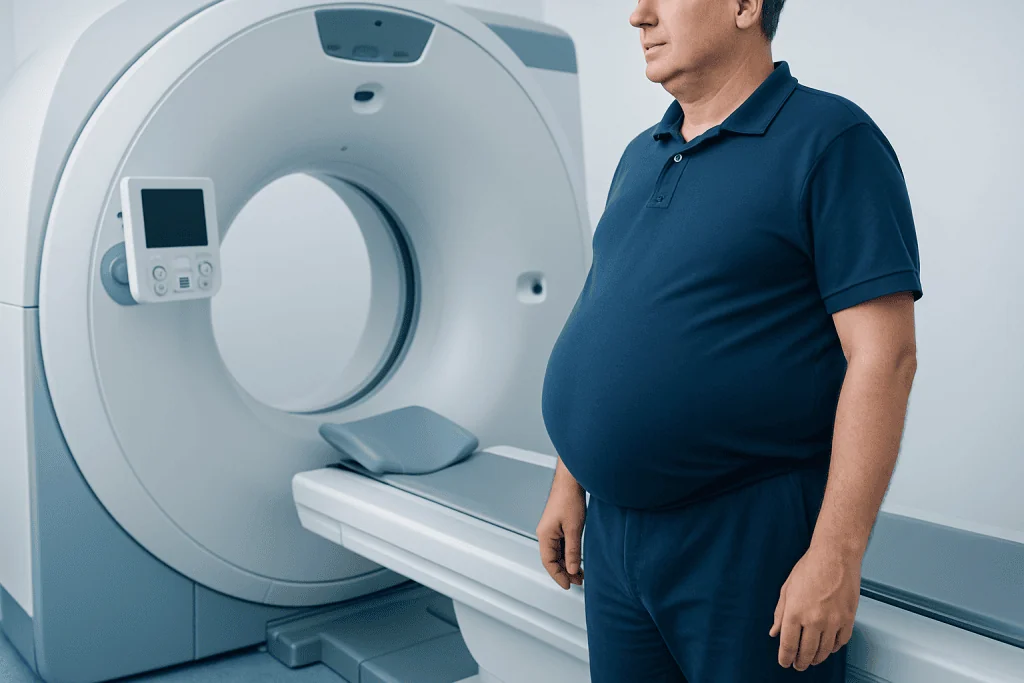
The appearance and sensation of a protruding belly vary from person to person. Some people notice a firm, rounded abdomen, while others describe a soft fullness or a tight, stretched feeling after meals. Clothing may feel tighter at the waist, and the abdomen may appear more prominent when standing than when lying down.
Associated symptoms often provide important clues. Bloating may come with burping, excessive gas, constipation, or a sense of pressure. If the cause is muscle weakness or posture, the belly may be more obvious after prolonged standing and may improve when the person engages the core muscles or changes position.
Symptoms that deserve closer attention include:
- Persistent abdominal pain or tenderness
- Nausea or vomiting
- Unexplained weight loss
- Changes in bowel habits, such as ongoing constipation or diarrhea
- Blood in the stool
- Shortness of breath, swelling in the legs, or a very tense abdomen
- A visible or painful bulge near the navel or groin, which may suggest a hernia
These features do not always mean a serious illness, but they increase the need for professional evaluation.
Common Causes and Risk Factors

Several common causes can make the abdomen protrude. One of the most frequent is increased abdominal fat, sometimes called central or visceral fat. This can be linked with calorie excess, low physical activity, aging, stress, poor sleep, and metabolic conditions such as insulin resistance. Posture can also play a role. An exaggerated lower back curve, weak deep core muscles, or tight hip flexors can make the belly look more prominent even when body weight has not changed much.
Digestive causes are also very common. Gas, constipation, food intolerance, irritable bowel syndrome, and slow digestion can lead to temporary or recurring distension. People may notice that the abdomen is flatter in the morning and more swollen after meals. In some individuals, certain carbohydrates, carbonated drinks, or large meals are frequent triggers. Digestive disorders such as Crohn’s disease or other inflammatory bowel conditions can also cause bloating, pain, and altered bowel habits.
Structural and muscle-related reasons should also be considered. After pregnancy, some people develop separation of the abdominal muscles, called diastasis recti, which can create a central bulge. Hernias may cause a localized protrusion at the belly button, along a surgical scar, or in the groin. A very large belly can also reflect fluid in the abdomen, known as ascites, which may be associated with liver, heart, kidney, or cancer-related conditions.
Risk factors depend on the cause but often include older age, sedentary lifestyle, previous abdominal surgery, pregnancy, obesity, chronic constipation, smoking, heavy lifting, and a family or personal history of digestive disease. In women, gynecologic causes such as ovarian cysts, fibroids, or pregnancy may also contribute to abdominal enlargement.
How Doctors Evaluate a Protruding Belly
Assessment usually begins with a detailed history. A doctor may ask when the belly started to protrude, whether the change was sudden or gradual, and whether it varies during the day. They will also ask about appetite, bowel habits, menstrual history if relevant, weight changes, pain, medications, previous surgeries, and whether there are symptoms such as heartburn, vomiting, or shortness of breath.
The physical examination can reveal important clues. The doctor may look at the shape of the abdomen while the person is standing and lying down, feel for tenderness or masses, listen for bowel sounds, and check for signs of a hernia or fluid buildup. They may also assess posture and abdominal muscle tone, especially if muscle weakness or diastasis recti seems likely.
Testing is guided by the suspected cause rather than done routinely for everyone. Depending on symptoms, a doctor may recommend blood tests, stool tests, abdominal ultrasound, X-ray, CT, MRI, or endoscopic evaluation. If a mass, fluid, or organ enlargement is suspected, MRI imaging or ultrasound may help clarify the cause. If digestive symptoms suggest a disease inside the bowel, a specialist may advise colonoscopy or upper gastrointestinal evaluation such as endoscopy.
The main goal of diagnosis is to distinguish a harmless functional problem, such as bloating, from a structural or systemic condition that needs specific treatment. That is why persistent abdominal change should not be self-diagnosed for long periods.
Treatment Options Depend on the Cause
There is no single treatment for a protruding belly because the approach depends entirely on the reason behind it. If abdominal fat is the main factor, doctors generally recommend a structured plan that combines nutrition, regular physical activity, sleep support, and management of metabolic risks. A gradual, sustainable approach is preferred over extreme diets or unproven supplements.
If bloating or constipation is the main issue, treatment may focus on improving bowel habits, hydration, and food choices. Some people benefit from reducing trigger foods, eating more slowly, reviewing fiber intake, and treating constipation or reflux. When a person has a diagnosed digestive disorder, targeted treatment from a gastroenterology specialist may be needed.
For muscle separation after pregnancy or core weakness, guided exercise and physical therapy may help improve abdominal support and body mechanics. Hernias may need observation or surgical repair depending on their size, symptoms, and risk of complications. If a protruding belly is related to significant obesity and conservative measures have not been effective, some patients may be evaluated for obesity surgery as part of a broader medical weight-management plan.
When the underlying issue is fluid buildup, organ disease, or a gynecologic or intestinal condition, treatment is aimed at the primary diagnosis rather than the belly shape itself. This is why medical evaluation matters. The visible abdominal change often improves once the root cause is addressed.
Self-care and Prevention
Not every protruding belly can be prevented, but daily habits can reduce the likelihood of common contributors such as bloating, constipation, and central weight gain. A balanced eating pattern, regular movement, and attention to sleep and stress can support both digestive health and abdominal muscle function.
Practical self-care steps may include:
- Eating meals at a steady pace and avoiding very large portions
- Limiting foods or drinks that clearly trigger gas or bloating
- Staying well hydrated
- Maintaining regular physical activity, including walking and strength work
- Supporting posture and core strength with appropriate exercise
- Managing constipation early rather than waiting for it to become severe
- Following medical advice for conditions such as irritable bowel syndrome, liver disease, or hormonal disorders
After pregnancy, a person who notices a midline abdominal bulge may benefit from assessment for diastasis recti rather than starting intense abdominal workouts on their own. In some cases, the wrong exercises can worsen strain. A clinician or physiotherapist can suggest safer approaches.
Self-care is most useful when symptoms are mild and clearly linked to lifestyle triggers. If the abdomen is enlarging despite healthy habits, or if the person is unsure of the cause, medical review is the safer choice.
When to Seek Medical Care
A protruding belly should be medically assessed if it is new, persistent, unexplained, or steadily getting worse. The same applies if abdominal enlargement is paired with pain, early fullness, vomiting, fever, bowel changes, urinary symptoms, or unintentional weight loss. A doctor can determine whether the problem is digestive, muscular, hormonal, or related to another organ system.
Urgent care is important if there is severe abdominal pain, a hard or very swollen abdomen, inability to pass stool or gas, repeated vomiting, fainting, blood in stool, chest symptoms, or a painful bulge that cannot be pushed back in. These symptoms may indicate bowel obstruction, a trapped hernia, infection, or another problem that needs prompt treatment.
For international patients who need further assessment, Acibadem International’s multidisciplinary specialists and JCI-accredited hospitals diagnose and treat digestive, metabolic, and abdominal wall conditions with individualized care plans.
Frequently asked questions
Is a protruding belly always caused by fat?
No. A protruding belly can also be caused by bloating, constipation, weak abdominal muscles, posture, pregnancy-related muscle separation, hernia, or fluid buildup. The pattern of symptoms and a medical examination help identify the cause.
What is the difference between bloating and a protruding belly?
Bloating usually refers to a feeling of pressure, fullness, or visible abdominal swelling that often comes and goes, especially after meals. A protruding belly is a broader description of the abdomen sticking out and may be temporary or constant depending on the underlying reason.
Can poor posture make the belly stick out?
Yes. Posture can make the abdomen appear more prominent, especially when the lower back arches excessively and the core muscles are weak. Improving posture and strengthening the deep abdominal muscles may help in some cases.
When should someone worry about a swollen or protruding abdomen?
Medical review is important if the swelling is new, persistent, painful, or worsening, or if it comes with vomiting, fever, bowel changes, weight loss, or blood in the stool. Sudden severe pain or a tense abdomen needs urgent care.
Can exercise flatten a protruding belly?
Exercise may help when the main causes are abdominal fat, posture, or mild core weakness. It is less effective if the protrusion is due to constipation, a hernia, fluid buildup, or another medical condition, which need targeted treatment.
Can a protruding belly be related to digestive disease?
Yes. Conditions such as irritable bowel syndrome, inflammatory bowel disease, food intolerance, constipation, and slow digestion can all cause abdominal distension. A doctor may recommend testing if symptoms are ongoing or accompanied by pain, diarrhea, or weight loss.
This article is for general information only and is not a substitute for professional medical advice. Please consult a qualified doctor about your individual situation.
Medical weight-loss options in Turkey — costs & eligibility
JCI-accredited · board-certified surgeons · reply within 24h
Add us as a Preferred Source to see more of our trusted health content across Google Search, AI Overviews and Discover.
Check your numbers in seconds
BMI, calories, due date, blood pressure and 30+ more clinical calculators — free, instant, doctor-reviewed ranges.

More from the Health Library
Anal Bleaching: An Evidence-Based Guide for Patients

Nipple Play — Explained by Medical Evidence, Not Myths

Gadolinium Contrast — Explained by Medical Evidence, Not Myths

Calisthenics: What Patients Need to Know

HIV Lesions: What Patients Need to Know