Do Moths Bite? A Doctor-Reviewed Answer

Most adult moths do not have mouthparts that can bite human skin. Skin symptoms linked to moths are usually irritation, a rash, or itching after contact with hairs or scales.
Key Takeaways
- Most adult moths do not have mouthparts that can bite human skin.
- Skin symptoms linked to moths are usually irritation, a rash, or itching after contact with hairs or scales.
- A doctor may look for signs of dermatitis, an allergic reaction, or another insect exposure if a person thinks a moth caused a bite.
- Medical care is important for spreading rash, severe swelling, trouble breathing, eye exposure, or signs of infection.
- Simple self-care, washing the skin, avoiding scratching, and reducing exposure are often enough for mild cases.
Most moths do not bite people, and contact with them is usually harmless. When skin symptoms happen, they are more often due to irritating hairs, spines, or an allergic-type reaction rather than a true bite.
Overview: Do Moths Bite?
In most cases, the answer is no: moths do not bite people. Adult moths are generally harmless to humans, and many species either do not feed at all as adults or have mouthparts designed for nectar rather than for piercing skin.
When a person notices itching, redness, or a small rash after seeing a moth nearby, the cause is usually not a true bite. More often, symptoms happen after contact with tiny hairs, scales, or spines from a moth or its caterpillar stage. These materials can irritate the skin or trigger a mild allergic-type reaction.
This distinction matters because a “moth bite” may actually be another common skin problem, such as insect bites from mosquitoes or fleas, contact irritation, or eczema. Understanding what moths can and cannot do helps people respond calmly and know when medical advice is needed.
How Moths Can Affect Human Skin
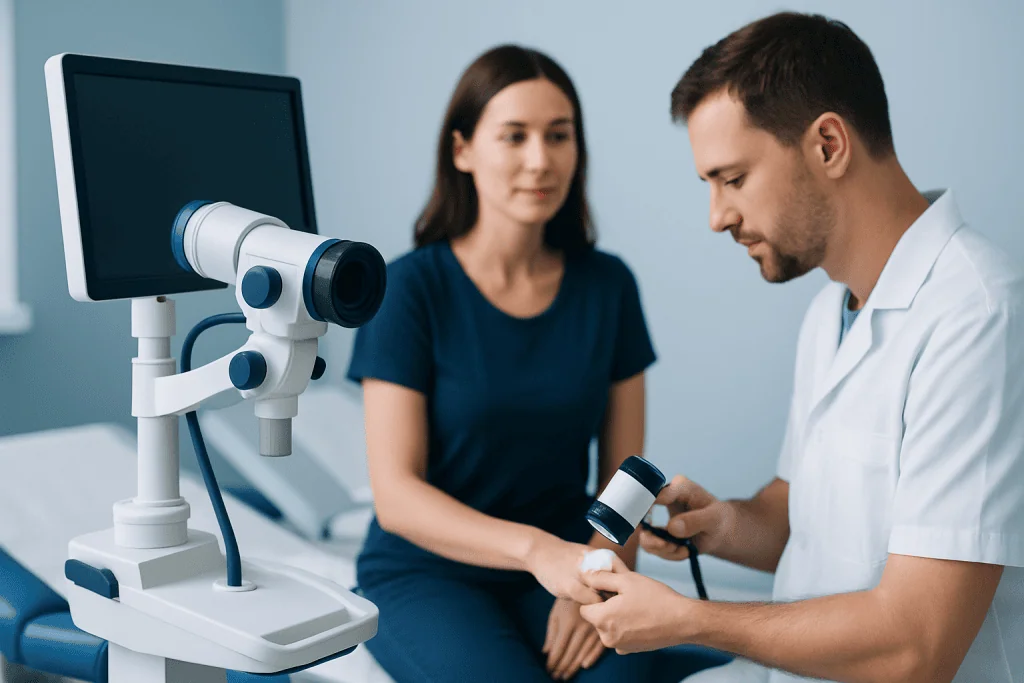
Although adult moths rarely bite, some moth-related exposures can still affect the skin. The most common are mechanical irritation from fine hairs or scales and inflammatory reactions caused by substances on the body of the moth or caterpillar. In sensitive individuals, even light contact may lead to itching or redness.
The caterpillar stage is more likely than the adult moth to cause symptoms. Some caterpillars have barbed hairs or spines that can lodge in the skin and create a rash. In a few species, these structures may release irritating compounds, leading to burning, swelling, or more noticeable inflammation.
These reactions can look similar to other skin conditions. A person may see small red bumps, itchy patches, or a stinging sensation rather than the single puncture mark typical of a true bite. If symptoms are persistent or unclear, a doctor may consider dermatitis and other common causes of irritated skin.
Possible Symptoms After Contact With a Moth
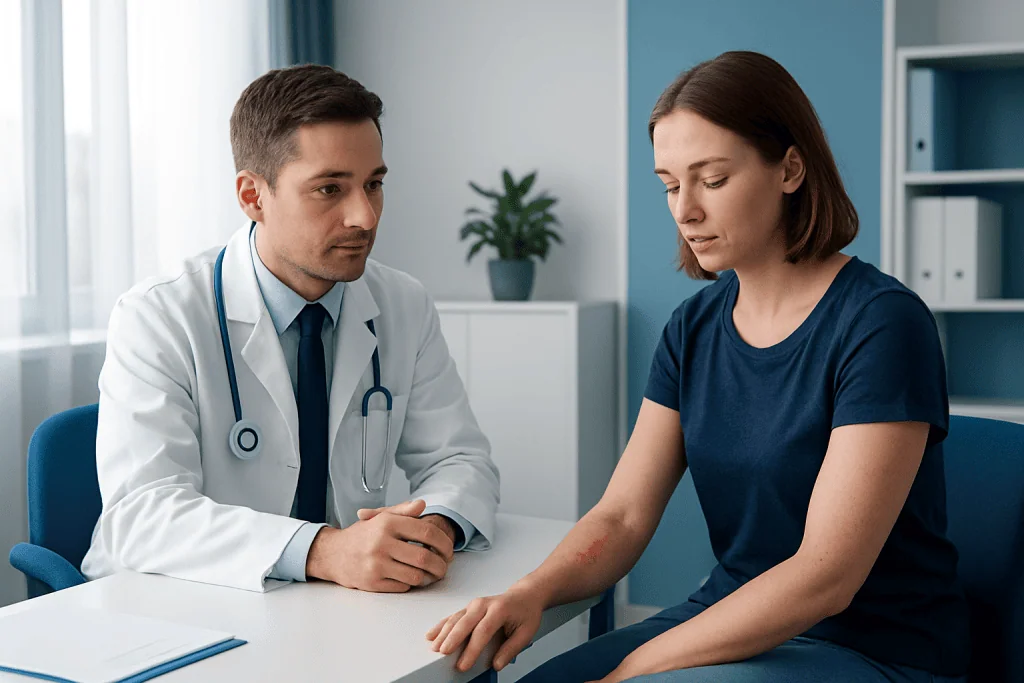
Most symptoms are mild and limited to the skin. A person may notice itching, redness, a patchy rash, mild swelling, or a prickling or burning sensation shortly after touching a moth, cleaning an area where moths have gathered, or handling clothing or fabrics exposed to larvae.
In some cases, loose hairs can spread beyond the original contact area. Rubbing the skin, touching the eyes, or transferring hairs on clothing may make irritation worse. Eye exposure can cause redness, tearing, discomfort, and the feeling that something is in the eye.
- Itching or tingling
- Redness or small raised bumps
- Mild swelling
- Burning or stinging discomfort
- Watery, irritated eyes after contact
More significant reactions are less common but deserve attention. These include extensive rash, marked swelling, hives, wheezing, dizziness, or symptoms that suggest infection such as warmth, pus, or fever.
What Causes These Reactions and Who Is More Sensitive?
The main causes are physical irritation and immune sensitivity. Tiny hairs, scales, and spines can irritate the skin directly. In other people, the immune system reacts to proteins from the moth or caterpillar, producing itching, redness, or hives. This is why two people exposed to the same insect may have very different symptoms.
People with sensitive skin, allergies, asthma, or a history of skin reactions may be more likely to notice symptoms. Children may also react more visibly because their skin is delicate and they may scratch more, which can worsen irritation.
Exposure risk can increase during seasonal surges, outdoor work, gardening, cleaning infested storage areas, or handling fabrics that contain larvae. Sometimes a person blames an adult moth when the actual trigger was the larval stage hiding in clothing, carpets, or stored textiles.
How Doctors Evaluate a Suspected Moth Bite
If symptoms are mild, a medical visit may not be necessary. But if the rash is spreading, the diagnosis is uncertain, or there are signs of an allergic reaction, a doctor will usually begin with a careful history. They may ask when symptoms began, whether there was direct contact with a moth or caterpillar, whether the person was outdoors, and whether others nearby had similar symptoms.
The physical examination focuses on the appearance and pattern of the skin changes. A doctor looks for puncture marks, linear irritation, hives, dermatitis, blistering, or embedded hairs. This helps separate moth-related irritation from mosquito bites, bedbug bites, scabies, allergic rashes, or skin infection.
Tests are often not needed for simple cases. If symptoms are recurrent, severe, or difficult to explain, a clinician may assess for allergic skin conditions or secondary infection. In some situations, they may recommend specialist care through dermatology evaluation or testing if another skin disorder is suspected.
Treatment and Self-Care for Mild Reactions
For mild symptoms, the first step is gentle decontamination. Washing the skin with soap and water can help remove residual hairs or scales. If visible hairs are present, they should not be rubbed deeper into the skin; careful removal may help reduce irritation. Clothing worn during exposure should also be washed.
Cool compresses can soothe itching and swelling. Avoiding scratching is important because broken skin can lead to infection. If symptoms are troublesome, a doctor or pharmacist may suggest a suitable non-prescription product for itch relief or inflammation, depending on the person’s age, medical history, and skin condition.
When skin symptoms are more persistent, individualized treatment may be needed. This can include assessment for allergic skin disease, irritation caused by other insects, or a condition such as allergy testing when reactions are recurrent and the trigger is unclear.
Prevention at Home and Outdoors
Prevention is usually straightforward. Avoid handling moths and caterpillars directly, especially hairy or brightly marked caterpillars. Gloves, long sleeves, and careful washing after gardening or outdoor work can lower the chance of skin contact.
At home, reducing moth infestation can help prevent repeat exposure. Storing fabrics properly, cleaning closets and storage spaces, and checking wool, rugs, and seldom-used clothing may be useful. If larvae are present, cleaning measures and appropriate pest control can reduce ongoing contact.
Eye protection may be sensible during activities that disturb nests, webs, or large numbers of insects. If eye irritation follows exposure, it should be treated seriously because delicate eye tissues can react more strongly than skin and may need prompt assessment through an eye examination.
When to Seek Medical Care
Most moth-related skin reactions are mild and settle with simple care, but certain symptoms should be checked by a clinician. Medical review is important if a rash is severe, keeps spreading, lasts more than a few days, or becomes painful. Care is also advised if there are signs of infection such as increasing redness, warmth, pus, or fever.
Urgent medical attention is needed for trouble breathing, swelling of the lips or face, widespread hives, faintness, or severe eye pain after exposure. These symptoms can suggest a significant allergic reaction or eye involvement that should not be managed at home.
If the cause is uncertain, a doctor can help confirm whether the problem is related to a moth at all. In complex cases, multidisciplinary specialists can assess skin, allergy, or eye symptoms. Acibadem International’s JCI-accredited hospitals care for international patients with conditions that may need coordinated evaluation across dermatology, allergy, and other specialties.
Frequently asked questions
Can moths bite humans at night?
Most adult moths cannot bite human skin, including at night. If a person wakes with itchy bumps, another cause such as mosquitoes, bedbugs, fleas, or skin irritation is usually more likely.
Why do I have a rash after touching a moth?
A rash after touching a moth is usually due to irritation from scales or hairs, or a mild allergic-type skin reaction. It is generally not a true bite. Washing the area and avoiding scratching often helps.
Are moth caterpillars more dangerous than adult moths?
In general, caterpillars are more likely than adult moths to cause skin problems. Some have irritating hairs or spines that can trigger itching, redness, or burning after contact.
How can someone tell a moth reaction from another insect bite?
A moth-related reaction often appears as patchy irritation, tiny bumps, or a burning or itchy rash rather than a single clear puncture mark. A doctor may look at the pattern, timing, and exposure history to help tell the difference.
What should someone do right after contact with a moth or caterpillar?
The skin should be washed gently with soap and water as soon as possible. Scratching should be avoided, and contaminated clothing should be changed and washed. If symptoms affect the eyes, the person should seek prompt medical advice.
When is a suspected moth bite an emergency?
Emergency care is needed for breathing difficulty, facial swelling, severe widespread hives, faintness, or significant eye pain after exposure. These symptoms may indicate a serious allergic reaction or important eye involvement.
References
- Centers for Disease Control and Prevention
- American Academy of Dermatology
- MedlinePlus
- National Health Service
- World Health Organization
This article is for general information only and is not a substitute for professional medical advice. Please consult a qualified doctor about your individual situation.
Hair transplant in Turkey — costs, graft counts & a free assessment
JCI-accredited · board-certified surgeons · reply within 24h
Add us as a Preferred Source to see more of our trusted health content across Google Search, AI Overviews and Discover.