Breast Tenderness Explained: Causes, Management, and When to See a Doctor

Breast tenderness is often related to hormonal fluctuations and is frequently not a sign of cancer. Pain can be cyclical, non-cyclical, or felt in the breast but caused by nearby muscles, ribs, or chest wall structures.
Key Takeaways
- Breast tenderness is often related to hormonal fluctuations and is frequently not a sign of cancer.
- Pain can be cyclical, non-cyclical, or felt in the breast but caused by nearby muscles, ribs, or chest wall structures.
- A new lump, skin changes, nipple discharge, fever, or pain that persists in one area should be medically assessed.
- Supportive bras, symptom tracking, limiting aggravating factors, and targeted treatment for the cause can help manage symptoms.
- Imaging such as ultrasound or mammography may be recommended based on age, exam findings, and the nature of the symptoms.
Breast tenderness is a common symptom that often relates to hormonal changes, medication effects, muscle strain, or benign breast conditions rather than a serious disease. The pattern of pain, associated symptoms, and a clinical exam help guide whether reassurance, lifestyle measures, imaging, or treatment is needed.
Overview: what breast tenderness usually means
Breast tenderness refers to soreness, heaviness, sensitivity, burning, or aching in one or both breasts. It may come and go with the menstrual cycle, appear only in one spot, or feel as though it spreads into the armpit or chest wall. In many people, it is linked to normal hormonal changes and does not indicate a serious illness.
A useful way to understand breast tenderness is to think about its pattern rather than the intensity alone. Cyclical pain tends to vary with the menstrual cycle and often affects both breasts. Non-cyclical pain is not clearly tied to periods and may be more localized. Some people feel pain in the breast area even though the actual source is outside the breast tissue, such as the muscles, ribs, or joints of the chest wall.
Because breast tenderness can have several causes, evaluation focuses on the whole picture: age, menstrual status, medications, pregnancy possibility, breastfeeding history, prior breast conditions, and whether there are other changes such as a lump or discharge. This practical, symptom-based approach helps distinguish common benign causes from situations that need further testing.
How breast tenderness can feel
People describe breast tenderness in different ways. It may feel dull and heavy, sharp and stabbing, burning, or like soreness after exercise. Some notice increased sensitivity to touch, discomfort when lying on the stomach, or pain with movement, especially if the chest muscles are involved.
The timing can offer clues. Pain that becomes more noticeable in the days before a period and improves afterward is often hormonal. Localized pain in one area that does not change with the cycle may point to a cyst, inflammation, injury, or a non-breast source. Tenderness during pregnancy or while breastfeeding can reflect normal glandular changes, milk stasis, or infection.
Symptoms that may occur alongside tenderness include:
- Breast swelling or a sense of fullness
- Lumpiness that changes with the cycle
- Pain extending into the armpit
- Nipple sensitivity
- Redness, warmth, or fever if infection is present
- Nipple discharge or skin changes, which need medical assessment
Common causes and risk factors

Hormonal fluctuations are among the most common causes of breast tenderness. Estrogen and progesterone can make breast tissue swell and become more sensitive before menstruation. Similar tenderness can occur during puberty, pregnancy, perimenopause, or when starting or changing hormonal medications such as contraceptives or hormone therapy.
Benign breast conditions are another frequent reason. Fluid-filled cysts, fibrocystic breast changes, and duct-related changes can all cause discomfort. Some people with breast cancer worry that any breast pain means cancer, but pain alone is more often due to non-cancerous causes. Even so, a new persistent symptom should not be ignored, especially if it is focused in one area or comes with a lump.
Not all pain felt in the breast comes from the breast itself. Muscle strain from exercise, poor posture, inflammation where the ribs meet the breastbone, underwire pressure, or trauma can all be mistaken for breast pain. Breastfeeding-related causes include engorgement, blocked ducts, or mastitis, an infection that typically causes localized pain, redness, and sometimes fever.
Risk factors for tenderness include recent hormonal shifts, pregnancy, breastfeeding, stress, certain medicines, prior benign breast problems, and activities that strain the chest wall. In some cases, no single trigger is found, and symptoms improve with time and supportive care.
How doctors evaluate breast tenderness
Assessment begins with a detailed history. A doctor may ask when the pain started, whether it is linked to periods, whether it affects one or both breasts, and whether there are any other symptoms such as a lump, nipple discharge, fever, or skin changes. Information about pregnancy, breastfeeding, menopause, medications, family history, and previous breast imaging also helps shape the next steps.
A clinical breast exam is then used to check for localized tenderness, thickening, masses, signs of infection, or chest wall causes. Sometimes the discomfort is reproduced by pressing on the ribs or chest muscles rather than the breast tissue itself, which suggests a musculoskeletal source.
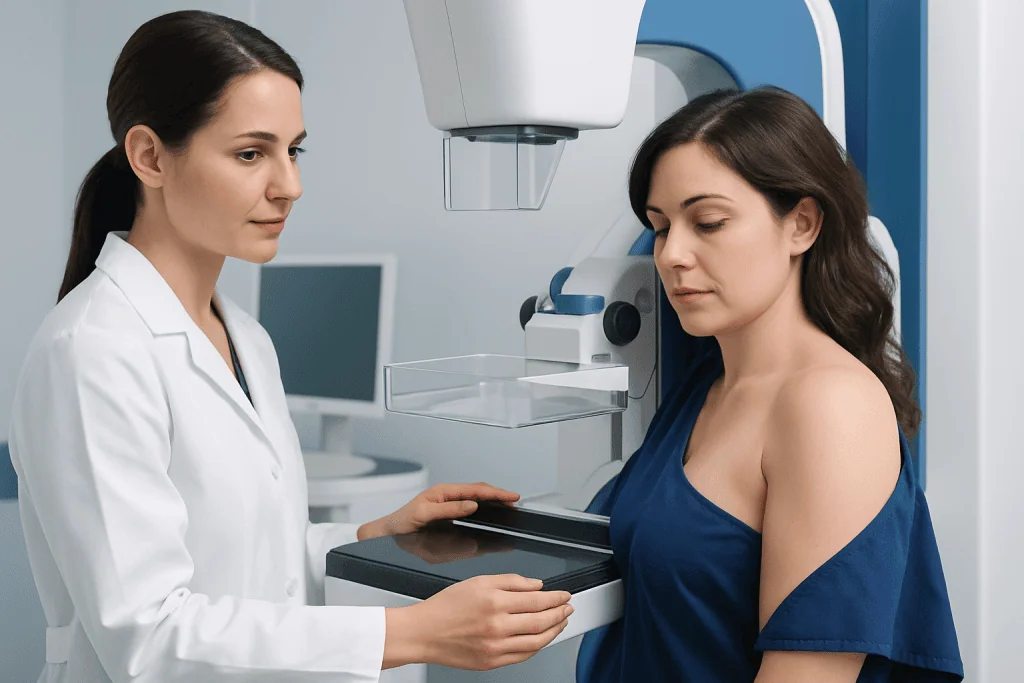
Imaging is not needed for everyone, but it may be recommended if symptoms are focal, persistent, new, associated with another finding, or occurring in an age group where screening is relevant. Depending on the situation, evaluation may include mammography or breast ultrasound. If a suspicious area is found, a tissue sample may occasionally be needed through breast biopsy to clarify the diagnosis.
Management and treatment options
Treatment depends on the cause. If breast tenderness appears to be cyclical and the exam is otherwise reassuring, management often starts with symptom relief and observation. Wearing a supportive, well-fitted bra, especially during exercise, can reduce strain on sensitive tissue. Some people benefit from keeping a symptom diary to see whether tenderness tracks with the menstrual cycle, exercise, or medication changes.
When a specific cause is identified, treatment is directed at that problem. Cysts may be monitored or treated if they are painful or problematic. Breastfeeding-related issues may improve with feeding support, better latch technique, and prompt treatment of infection when present. Chest wall pain may respond to rest, posture changes, and gentle activity modification.
Doctors may also review medications that could contribute to symptoms and discuss whether any adjustment is appropriate. If the pattern suggests a hormonal cause and symptoms are troubling, individualized options can be considered after medical review. Self-medicating with supplements or changing prescription medicines without guidance is not advised, because symptom relief needs to be balanced with overall health and safety.
For people with complex symptoms or abnormal findings, coordinated care may involve breast specialists, radiologists, gynecologists, and, when needed, oncology teams. Near the end of the care pathway, some international patients choose centers such as Acibadem International, where multidisciplinary specialists in JCI-accredited hospitals evaluate and treat breast conditions.
Self-care, tracking, and prevention
There is no single way to prevent all breast tenderness, because many causes are part of normal hormonal life stages. Still, practical habits can reduce discomfort and make symptom patterns easier to interpret. Supportive clothing, attention to breast fit during sports, and avoiding repeated pressure to the chest area are simple but helpful steps.
Tracking symptoms over two to three cycles can be especially useful. Recording the days when tenderness appears, where it is felt, how intense it is, and whether there are any associated breast changes can help a doctor decide whether the pattern is cyclical or needs further investigation. This can also prevent unnecessary worry when a predictable premenstrual pattern is identified.
General breast awareness matters too. Rather than checking for changes in a rigid or stressful way, it can help to become familiar with what is normal for the breasts from month to month. Regular screening should follow age, risk, and local guideline recommendations. People at increased risk may need a more individualized surveillance plan.
When to seek medical care
Breast tenderness should be evaluated if it is new, clearly focused in one area, lasts beyond one menstrual cycle, or interferes with daily activities or sleep. Prompt medical review is also important if there is a lump, persistent thickening, spontaneous nipple discharge, skin dimpling, nipple inversion, swelling in one breast, or enlarged lymph nodes in the armpit.
Urgent assessment is appropriate when tenderness is accompanied by redness, warmth, fever, or feeling unwell, as this may suggest infection. Breastfeeding women with these symptoms should seek care without delay. Chest pain, shortness of breath, or pain that seems related to the heart or lungs should also be assessed urgently, because not all pain near the breast is breast-related.
A calm, timely evaluation is the best way to move from uncertainty to clarity. Most causes of breast tenderness are manageable, and when testing is needed, it helps identify the right treatment and reassurance.
Frequently asked questions
Is breast tenderness usually a sign of cancer?
Breast tenderness by itself is often not a sign of cancer and is commonly related to hormones, benign breast changes, or chest wall strain. However, persistent pain in one specific area or pain with a lump, skin changes, or nipple discharge should be assessed by a doctor.
Why do breasts become tender before a period?
Hormone levels rise and fall during the menstrual cycle, and these shifts can cause the breast tissue to swell and feel more sensitive. This type of cyclical tenderness often affects both breasts and tends to improve after the period starts.
Can breast tenderness happen during pregnancy?
Yes. Breast tenderness is common in early pregnancy because hormonal changes increase blood flow and prepare the breast tissue for milk production. If there is severe pain, redness, fever, or a distinct lump, medical advice is still important.
When should someone worry about one-sided breast pain?
One-sided breast pain deserves attention if it is new, localized, persistent, or associated with a lump or visible breast change. It may still have a benign explanation, but a targeted exam and, if needed, imaging can clarify the cause.
Can a bra or exercise cause breast tenderness?
Yes. Poor support during physical activity, pressure from a tight bra, or strain of the chest muscles can lead to soreness that feels as though it is coming from the breast. A well-fitted supportive bra and activity adjustments may help reduce this type of discomfort.
What tests might be used for breast tenderness?
A doctor will usually begin with a history and physical exam. If symptoms are persistent, focal, or linked with another finding, imaging such as ultrasound or mammography may be recommended, and sometimes further testing is needed.
References
- American College of Obstetricians and Gynecologists
- American Cancer Society
- National Health Service
- National Institute for Health and Care Excellence
- Radiological Society of North America
This article is for general information only and is not a substitute for professional medical advice. Please consult a qualified doctor about your individual situation.
Explore treatments in Turkey — costs, top hospitals & a free quote
JCI-accredited · board-certified surgeons · reply within 24h
Add us as a Preferred Source to see more of our trusted health content across Google Search, AI Overviews and Discover.

More from the Health Library



Related Specialists

Prof. Dr. Güralp Onur Ceyhan
General Surgery
Dt. Gonca Katmer
Oral & Dental Health
Dr. Mert Öztaş
Rheumatology
Prof. Dr. Serap Gençer
Infectious Diseases & Clinical Microbiology