Menstrual Cycle Phases and Symptoms: Common Causes, Related Conditions, and When to See a Doctor

The menstrual cycle has four broad phases: menstruation, follicular phase, ovulation, and luteal phase. Symptoms can vary from month to month and may include bleeding, cramping, mood changes, bloating, breast tenderness, and changes in cervical mucus.
Key Takeaways
- The menstrual cycle has four broad phases: menstruation, follicular phase, ovulation, and luteal phase.
- Symptoms can vary from month to month and may include bleeding, cramping, mood changes, bloating, breast tenderness, and changes in cervical mucus.
- Some variation is normal, but very heavy bleeding, severe pain, missed periods, or bleeding between periods should be assessed by a doctor.
- Hormone-related conditions such as PCOS, endometriosis, thyroid disorders, and fibroids can affect the cycle.
- Tracking cycle timing and symptoms can help identify patterns and guide medical care.
Menstrual cycle phases and symptoms are driven by changing levels of estrogen and progesterone across the month. Mild physical and emotional changes are common, but symptoms that are severe, sudden, very irregular, or disruptive may point to an underlying condition and deserve medical evaluation.
Overview: what menstrual cycle phases and symptoms mean
Menstrual cycle phases and symptoms describe the natural monthly changes that prepare the body for a possible pregnancy. In most people who menstruate, the cycle begins on the first day of bleeding and continues until the day before the next period starts. Hormone shifts during this time influence the ovaries, the lining of the uterus, and symptoms such as cramps, mood changes, bloating, breast tenderness, appetite changes, and energy levels.
The cycle is often described in four phases: menstruation, the follicular phase, ovulation, and the luteal phase. Although a 28-day cycle is commonly used as an example, many healthy cycles are shorter or longer. A cycle may also vary somewhat from month to month, especially during adolescence, after pregnancy, and as menopause approaches.
Understanding the pattern of symptoms across the cycle can help a person recognize what is expected for their own body and when something may need medical attention. The most useful question is not whether symptoms exist at all, but whether they are predictable, manageable, and similar to a person’s usual pattern.
The four phases of the menstrual cycle
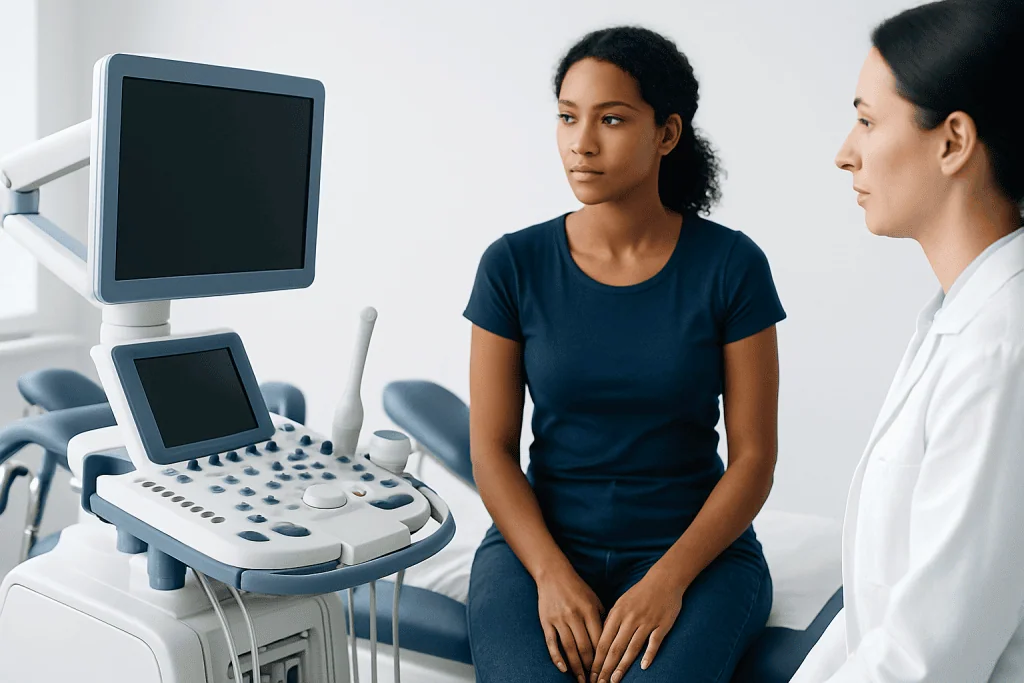
Menstruation is the phase when the uterine lining sheds and bleeding occurs. This is counted as day 1 of the cycle. Common symptoms include pelvic cramping, lower back discomfort, tiredness, headache, loose stools, and a sense of heaviness in the lower abdomen. Flow may be light, moderate, or heavy, and it often changes over several days.
The follicular phase overlaps with menstruation at first and continues until ovulation. During this time, follicles in the ovaries begin to develop under the influence of follicle-stimulating hormone. Estrogen gradually rises, helping rebuild the uterine lining. Many people notice improving energy, clearer thinking, and fewer cramps as this phase progresses.
Ovulation occurs when the ovary releases an egg, usually around the middle of the cycle, though timing can vary. Some people notice a brief one-sided pelvic twinge, increased clear and stretchy cervical mucus, a slight rise in sexual desire, or subtle bloating. Others do not feel ovulation at all, which can also be normal.
The luteal phase begins after ovulation and lasts until the next period. Progesterone becomes the dominant hormone. This phase is often linked with premenstrual symptoms such as breast tenderness, bloating, constipation, fatigue, sleep changes, food cravings, irritability, low mood, acne flare-ups, or headaches. If pregnancy does not occur, hormone levels fall and menstruation begins again.
Common symptoms and how they can change through the month

Symptoms vary widely, even among healthy individuals. Some people have only mild signs, while others experience more noticeable changes. Common menstrual cycle symptoms include cramping, bloating, breast swelling or tenderness, acne, mood swings, headache, tiredness, food cravings, and changes in bowel habits. Vaginal discharge also changes through the month, often becoming clearer and more slippery around ovulation.
The timing of symptoms can offer helpful clues. Symptoms linked to bleeding and uterine contractions, such as cramps and heavier flow, are more common during menstruation. Symptoms linked to progesterone, such as bloating, breast tenderness, and a feeling of emotional sensitivity, are more common in the luteal phase before a period starts.
What matters most is whether symptoms are mild and manageable or whether they interfere with daily life. Missing work or school because of pain, needing to change pads or tampons very frequently, experiencing bleeding between periods, or having dramatic mood symptoms are not issues that should simply be accepted as normal.
- Often common: mild cramps, breast tenderness, temporary bloating, mild mood changes, acne flare-ups, fatigue
- Less typical and worth discussing: very heavy bleeding, severe pain, fainting, new pelvic pain, periods that stop unexpectedly, or bleeding after sex
Common causes of cycle changes and related conditions
Hormones are the main reason menstrual cycle phases and symptoms change. Everyday factors can influence those hormones, including stress, travel, poor sleep, major weight changes, intense exercise, illness, and some medications. Puberty, breastfeeding, and perimenopause can also make cycles less predictable for a time.
Sometimes symptoms or irregular periods are related to an underlying health condition. Examples include polycystic ovary syndrome (PCOS), thyroid disorders, high prolactin levels, uterine fibroids, adenomyosis, pelvic inflammatory disease, and bleeding disorders. Painful periods, pain during sex, bowel symptoms around menstruation, or chronic pelvic pain may suggest endometriosis.
Heavy or prolonged bleeding can result from hormonal imbalance, fibroids, polyps, or problems with ovulation. Missed or infrequent periods may happen with stress, pregnancy, PCOS, thyroid disease, low body weight, or excessive physical training. Marked emotional symptoms before a period may reflect premenstrual syndrome, while more severe mood disruption may require a fuller medical and mental health assessment.
Not every irregularity means a serious problem, but persistent changes deserve attention. A pattern of increasing pain, worsening bleeding, or cycles that become much shorter or much longer over time should not be ignored.
How doctors evaluate menstrual cycle symptoms
Evaluation starts with a careful medical history. A doctor will usually ask about cycle length, flow, timing of symptoms, pain severity, sexual history, contraception, medications, pregnancies, and any family history of gynecologic or hormonal conditions. A symptom diary or period-tracking app can be very helpful because it shows whether a symptom is linked to a specific phase of the cycle.
The examination may include a general physical exam and, when appropriate, a pelvic exam. Depending on symptoms and age, testing can include a pregnancy test, blood tests to look at hormone levels or anemia, and imaging such as pelvic ultrasound. If a structural cause is suspected, doctors may recommend further assessment to check for fibroids, ovarian cysts, or abnormalities of the uterine lining.
In some cases, specialist input is useful, especially when symptoms suggest a hormonal, fertility, or chronic pelvic pain issue. Investigations are chosen based on the person’s symptoms and goals, such as pain relief, cycle regulation, or pregnancy planning. If needed, assessment may overlap with fertility evaluation and IVF care when irregular ovulation is affecting conception.
Treatment options and symptom management
Treatment depends on the cause, symptom severity, age, and whether pregnancy is desired. For common period pain or premenstrual symptoms, doctors may suggest lifestyle measures, symptom tracking, heat therapy, regular movement, and medicines such as pain relievers or hormone-based treatments. If heavy bleeding has led to iron deficiency or anemia, treatment may also address restoring iron levels.
Hormonal treatment may help regulate bleeding, reduce pain, or improve acne and cycle predictability. Underlying conditions need condition-specific care. For example, management of PCOS may focus on cycle regulation, metabolic health, and fertility goals, while treatment for endometriosis may focus on pain control and preserving quality of life. Some patients may benefit from gynecology evaluation and treatment to tailor care to their symptoms and future plans.
Procedures or surgery are considered when a structural cause is found or when symptoms do not improve with simpler treatment. Fibroids, ovarian cysts, or severe endometriosis may require more advanced care in selected cases. When symptoms are tied to reproductive goals, a reproductive endocrinology or fertility team may become involved.
Care works best when it is individualized. A symptom that is manageable for one person may be highly disruptive for another, so treatment should be based on quality of life as well as test results.
Self-care, cycle tracking, and prevention of avoidable triggers
Not all menstrual symptoms can be prevented, but many people benefit from practical self-care. Regular sleep, balanced meals, hydration, and moderate exercise can support more stable energy and mood. Stress reduction may also help, because stress can influence the hormones that regulate ovulation and menstrual timing.
Cycle tracking is one of the most useful tools. Recording the first and last day of bleeding, flow level, cramps, discharge, headaches, mood changes, and any spotting helps identify patterns. Over time, this record can show whether symptoms happen consistently in the same phase or whether something new is developing.
It is also sensible to note medicines, contraception changes, travel, and major life events, since these can affect the cycle. If bleeding is very heavy, prolonged, or associated with dizziness or weakness, self-care is not enough and medical advice is needed. Near the end of the care pathway, some people choose multidisciplinary support; Acibadem International’s specialists in JCI-accredited hospitals diagnose and treat menstrual and hormone-related conditions for international patients when appropriate.
When to seek medical care
Medical care is appropriate when menstrual symptoms are new, severe, or disruptive. A person should contact a doctor if periods become very heavy, if pain is strong enough to interfere with normal activities, if cycles suddenly become irregular, or if there is bleeding between periods or after sex. Ongoing missed periods, especially when pregnancy is not expected, also need assessment.
Prompt evaluation is especially important for symptoms such as fainting, chest pain, severe one-sided pelvic pain, fever, unusual discharge with pelvic pain, or signs of significant blood loss such as marked weakness or shortness of breath. People trying to become pregnant may also wish to seek care if they suspect irregular ovulation or have known conditions affecting the cycle; in some situations, options such as fertility preservation may be discussed based on individual circumstances.
Seeking help early does not mean something serious is certain. It simply allows the cause to be identified and treated appropriately, which can improve comfort, protect reproductive health, and reduce worry.
Frequently asked questions
What are the main phases of the menstrual cycle?
The cycle is usually divided into menstruation, the follicular phase, ovulation, and the luteal phase. These phases reflect changing hormone levels that affect bleeding, ovulation, and symptoms such as cramps, mood changes, and bloating.
Is it normal for menstrual symptoms to change from month to month?
Yes, some variation is common. Stress, sleep, travel, exercise, age, and hormonal changes can all affect the timing and intensity of symptoms. However, a major or persistent change should be discussed with a doctor.
How do I know if my period pain is more than normal cramps?
Mild to moderate cramps that improve with rest, heat, or routine pain relief are common. Pain that causes missed work or school, does not respond to usual measures, worsens over time, or occurs outside of menstruation may point to an underlying condition and should be evaluated.
Can irregular periods happen without a serious disease?
Yes, irregular periods can occur with stress, weight change, intense exercise, puberty, breastfeeding, or the transition toward menopause. Even so, persistent irregularity, missed periods, or very widely spaced cycles should be medically reviewed to rule out pregnancy, hormonal issues, or gynecologic conditions.
What symptoms before a period are considered common?
Common premenstrual symptoms include bloating, breast tenderness, mood changes, fatigue, acne flare-ups, headaches, and food cravings. These symptoms usually improve once bleeding begins or shortly afterward.
When should someone see a doctor about menstrual cycle symptoms?
A doctor should be consulted for very heavy bleeding, severe pain, bleeding between periods, periods that stop unexpectedly, or symptoms that interfere with daily life. Urgent care is important for fainting, fever with pelvic pain, or signs of heavy blood loss.
References
- American College of Obstetricians and Gynecologists
- National Institute for Health and Care Excellence
- Office on Women's Health
- Mayo Clinic
- World Health Organization
This article is for general information only and is not a substitute for professional medical advice. Please consult a qualified doctor about your individual situation.
Persistent digestive symptoms? Get evaluated in Turkey
JCI-accredited · board-certified surgeons · reply within 24h
Add us as a Preferred Source to see more of our trusted health content across Google Search, AI Overviews and Discover.
Check your numbers in seconds
BMI, calories, due date, blood pressure and 30+ more clinical calculators — free, instant, doctor-reviewed ranges.

More from the Health Library



Related Specialists

Assoc. Prof. Dr. Işil Fazilet Kartaloğlu
Physical Medicine & Rehabilitation
Prof. Dr. Cihan Aksoy
Physical Medicine & Rehabilitation
Dr. Sebiha Nihal Yılmaz
Oral Dental & Maxillofacial Surgery
Prof. Dr. Bülent Güçyetmez
Anesthesiology