

Understanding Lymphoproliferative Disorder: A Complete Patient Guide

Lymphoproliferative disorder describes abnormal growth of lymphocytes, not a single disease. Symptoms can include swollen lymph nodes, fatigue, fever, night sweats, weight loss, or repeated infections.
Key Takeaways
- Lymphoproliferative disorder describes abnormal growth of lymphocytes, not a single disease.
- Symptoms can include swollen lymph nodes, fatigue, fever, night sweats, weight loss, or repeated infections.
- Causes vary and may involve infections, immune system problems, medications, or blood cancers.
- Diagnosis often combines blood tests, imaging, and sometimes a lymph node, bone marrow, or tissue biopsy.
- Treatment ranges from careful monitoring to medicines, immunotherapy, chemotherapy, or stem cell transplant depending on the subtype.
- Prompt medical evaluation is important if symptoms persist or lymph nodes enlarge without a clear cause.
Lymphoproliferative disorder is an umbrella term for conditions in which certain white blood cells, called lymphocytes, grow too much or live longer than they should. Some forms are mild or reactive, while others are cancers such as lymphoma or leukemia, so diagnosis depends on identifying the exact type.
Overview: what lymphoproliferative disorder means
A lymphoproliferative disorder is a condition in which lymphocytes grow or accumulate in an uncontrolled or abnormal way. Lymphocytes are white blood cells that help the body fight infection and are part of the immune system. The term does not refer to one single illness; instead, it covers a broad spectrum that includes benign reactive conditions, immune-related disorders, and blood cancers.
In everyday practice, doctors use this term when they suspect that the body is producing too many lymphocytes or that these cells are collecting in lymph nodes, bone marrow, blood, spleen, or other tissues. Some cases happen temporarily after an infection or during immune activation. Others are more persistent and may represent diseases such as lymphoma or certain forms of leukemia.
A key point for patients is that “lymphoproliferative disorder” is a starting description, not the final diagnosis. The most important next step is to define the exact subtype, because outlook and treatment can differ widely. Some people need only observation, while others benefit from specialized cancer care.
Symptoms and how it may affect the body
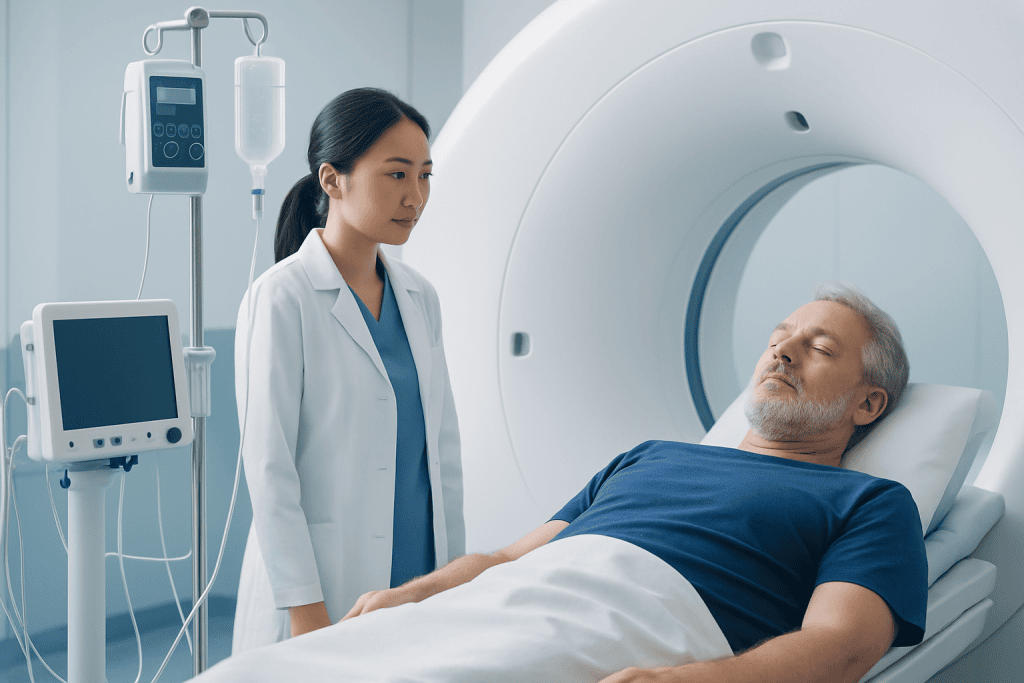
Symptoms depend on where abnormal lymphocytes build up and how active the disorder is. Some people feel well at first and learn about the problem only after a routine blood test or imaging study. Others notice symptoms gradually over weeks or months.
Common features may include painless swelling of lymph nodes in the neck, armpits, or groin; ongoing fatigue; unexplained fever; drenching night sweats; and unintentional weight loss. When the spleen becomes enlarged, a person may feel fullness or discomfort in the upper left abdomen. If bone marrow is affected, anemia, easy bruising, or repeated infections can occur.
Symptoms are not specific to one condition, which is why medical evaluation matters. Swollen lymph nodes can happen with common viral illnesses, but persistent enlargement or “B symptoms” such as fever, night sweats, and weight loss may need more detailed assessment. When lymphoproliferative disorders involve the blood, findings can overlap with leukemia and related blood disorders.
- Swollen lymph nodes that do not go away
- Fatigue or reduced exercise tolerance
- Fever without a clear infection
- Night sweats
- Unintentional weight loss
- Frequent infections
- Easy bruising or bleeding
- Abdominal fullness from an enlarged spleen or liver
Causes and risk factors

Lymphoproliferative disorders develop for different reasons. In some cases, the immune system is reacting to an infection, and lymphocytes temporarily multiply as part of a normal defense response. In others, genetic changes inside the cells allow them to survive and multiply when they should not. These changes can lead to clonal growth, meaning many abnormal cells arise from one original altered cell.
Risk factors vary by subtype. Certain viral infections, immune deficiency states, autoimmune diseases, and medicines that suppress the immune system can increase risk. People who have received an organ transplant may develop post-transplant lymphoproliferative disorder because long-term immunosuppression weakens normal immune control over abnormal lymphocyte growth.
Age can also matter, as many lymphoid cancers become more common later in life, although children and younger adults can also be affected depending on the condition. Family history is not the main cause in most cases, but a personal or family history of blood cancers may be relevant. Because this group of disorders is diverse, doctors usually consider the whole clinical picture rather than one risk factor alone.
How doctors diagnose lymphoproliferative disorder
Diagnosis begins with a detailed history and physical examination. Doctors ask about the duration of lymph node swelling, recent infections, immune disorders, weight loss, fever, medications, travel, and family history. During the examination, they check lymph nodes, liver, spleen, and signs of anemia or infection.
Blood tests often include a complete blood count, blood smear, kidney and liver function tests, inflammatory markers, and sometimes viral testing. If abnormal lymphocytes are circulating in the blood, specialized laboratory studies such as flow cytometry may help identify the cell type. Imaging such as ultrasound, CT, or PET/CT can show whether lymph nodes or organs are involved.
In many cases, a tissue sample is needed to make a clear diagnosis. A lymph node biopsy is often the most informative test because it allows pathologists to study the structure of the tissue and perform immunohistochemistry or molecular tests. Depending on the findings, doctors may also recommend bone marrow transplant evaluation planning later in the care pathway, but only after the subtype and disease stage are known.
The goal of testing is not only to confirm that abnormal lymphocyte growth is present, but also to classify it accurately. This helps distinguish a reactive condition from diseases such as chronic lymphocytic leukemia, non-Hodgkin lymphoma, Hodgkin lymphoma, or other lymphoid neoplasms, each of which has different treatment options and expected outcomes.
Treatment options and what care may involve
Treatment depends completely on the exact diagnosis, the speed of disease progression, the organs involved, symptoms, age, and overall health. Not every lymphoproliferative disorder needs immediate treatment. In slower-growing conditions without troubling symptoms, doctors may recommend active surveillance, also called watchful waiting, with regular visits and blood tests.
When treatment is needed, options can include medicines that target abnormal lymphocytes, corticosteroids in selected immune-related conditions, chemotherapy, immunotherapy, targeted therapy, radiation therapy for localized disease, or combinations of these approaches. For some lymphoid cancers, specialists may use chemotherapy or modern antibody-based treatment as part of a structured plan. Some patients with aggressive or relapsed disease may be evaluated for immunotherapy or stem cell-based strategies.
Supportive care is also important. This may include treatment of infections, blood transfusions when needed, growth factor support in selected cases, nutritional support, and monitoring for treatment side effects. Patients often benefit from care by a team that may include hematologists, oncologists, pathologists, radiologists, and infectious disease or transplant specialists.
Because these disorders range from non-cancerous to clearly malignant conditions, treatment decisions should be individualized. A specialist can explain the goals of care, whether the aim is observation, disease control, remission, or long-term management. In complex cases, multidisciplinary review helps ensure that the treatment plan matches the subtype as closely as possible.
Prevention, self-care, and living with the condition
There is no guaranteed way to prevent most lymphoproliferative disorders, especially those linked to spontaneous cell changes. However, general health measures can support immune function and help reduce complications. These include staying up to date with appropriate vaccines, discussing infection prevention with a clinician, avoiding tobacco, and managing chronic medical conditions well.
For people already diagnosed, self-care centers on follow-up and symptom awareness. Keeping appointments, reporting new symptoms early, and taking medicines exactly as prescribed can make a meaningful difference. It is also helpful to keep a record of blood test results, scans, and pathology reports, especially when seeking second opinions or receiving care across different centers.
Daily life may be affected by fatigue, treatment side effects, or anxiety about test results. Gentle physical activity, balanced nutrition, good sleep habits, and emotional support can all help. If the condition affects immunity, a doctor may recommend practical infection precautions such as hand hygiene, avoiding close contact with people who are unwell, and seeking advice promptly for fever.
When to seek medical care
Medical advice is recommended if swollen lymph nodes last more than a few weeks, keep enlarging, or appear without a clear infection. Care is also important for ongoing fatigue, repeated fevers, drenching night sweats, unexplained weight loss, unusual bruising, or frequent infections.
Urgent assessment may be needed for trouble breathing, severe weakness, confusion, uncontrolled bleeding, chest pain, or signs of a serious infection such as high fever and chills. People with weakened immune systems, recent transplants, or cancer treatment should contact their care team promptly if they develop new symptoms.
Early evaluation does not always mean a serious diagnosis, but it helps doctors rule out important causes and start the right treatment if needed. Near the end of the care journey, some people choose centers with coordinated hematology and oncology expertise. Acibadem International’s multidisciplinary specialists in JCI-accredited hospitals diagnose and treat lymphoid and blood disorders for international patients, including conditions related to lymphoma care and advanced therapies when appropriate.
Frequently asked questions
Is lymphoproliferative disorder always cancer?
No. The term includes both non-cancerous and cancerous conditions. Some cases are reactive, such as temporary lymphocyte growth after infection, while others are lymphoid cancers that need specialist treatment.
What is the difference between lymphoproliferative disorder and lymphoma?
Lymphoproliferative disorder is a broad category describing abnormal growth of lymphocytes. Lymphoma is one specific type within that category, involving cancer that starts in the lymphatic system.
Can swollen lymph nodes mean a lymphoproliferative disorder?
Yes, but swollen lymph nodes are common and often result from infections or inflammation. Nodes that persist, enlarge, or occur with fever, weight loss, or night sweats should be checked by a doctor.
How is lymphoproliferative disorder confirmed?
Doctors usually combine a physical exam, blood tests, and imaging with a biopsy when needed. A tissue sample often provides the most accurate information about the exact subtype and whether it is benign or malignant.
Can lymphoproliferative disorder be cured?
Some forms can be cured, while others are managed over time like chronic conditions. The outlook depends on the exact diagnosis, stage, response to treatment, and the person's overall health.
Who treats lymphoproliferative disorders?
These conditions are usually managed by a hematologist or hematologist-oncologist. Depending on the case, care may also involve pathologists, radiologists, infectious disease specialists, transplant teams, and supportive care professionals.
References
- World Health Organization
- National Cancer Institute
- American Cancer Society
- Leukemia & Lymphoma Society
- National Comprehensive Cancer Network
This article is for general information only and is not a substitute for professional medical advice. Please consult a qualified doctor about your individual situation.
Oncology care in Turkey — second opinion and treatment plan
JCI-accredited · board-certified surgeons · reply within 24h
Add us as a Preferred Source to see more of our trusted health content across Google Search, AI Overviews and Discover.

More from the Health Library



Related Specialists

Dt. Okan Gültekin
Oral & Dental Health
Prof. Dr. Nezihe Seden Küçücük
Radiation Oncology
Fzt. Dilem Kadıoğlu
Physical Medicine & Rehabilitation
Prof. Dr. A. Taner Usta
Gynecology & Obstetrics