Doula vs Midwife: Key Differences and How Doctors Tell Them Apart

A doula is a non-medical support professional; a midwife is a licensed maternity care clinician. Midwives can assess health, monitor labor, and provide clinical care; doulas cannot diagnose or perform medical procedures.
Key Takeaways
- A doula is a non-medical support professional; a midwife is a licensed maternity care clinician.
- Midwives can assess health, monitor labor, and provide clinical care; doulas cannot diagnose or perform medical procedures.
- Doctors tell them apart mainly by role, training, legal scope of practice, and responsibility for medical decisions.
- Some people choose both a midwife and a doula because the roles can complement each other.
- Urgent pregnancy symptoms should be assessed by a doctor, midwife, or emergency service rather than a doula alone.
Doula vs midwife is a common question in pregnancy care. In simple terms, a doula provides non-medical emotional, physical, and informational support, while a midwife is a trained, licensed healthcare professional who can monitor pregnancy, provide medical care, and deliver babies within their scope of practice.
At a glance: doula vs midwife
When comparing doula vs midwife, the main difference is straightforward: a doula offers non-medical support during pregnancy, labor, birth, and sometimes the postpartum period, while a midwife is a licensed healthcare professional who provides clinical maternity care. Both may be valuable, but they do different jobs and are not interchangeable.
For many families, confusion happens because both roles may be present during labor and both may help a pregnant person feel supported. However, doctors and hospitals distinguish them by whether the person is responsible for medical assessment, treatment, and delivery care. A midwife can be part of the medical team; a doula supports the patient and family alongside that team.
The side-by-side comparison below can help clarify the difference quickly.
- Primary role: Doula = support; Midwife = clinical care plus support
- Medical training: Doula = non-clinical training or certification; Midwife = formal medical/nursing/midwifery education and licensure
- Can diagnose or monitor medical problems: Doula = no; Midwife = yes, within scope
- Can check fetal heart rate, cervical progress, blood pressure, and maternal health: Doula = no clinical responsibility; Midwife = yes
- Can give medications or order tests: Doula = no; Midwife = often yes, depending on country and credential
- Can deliver babies: Doula = no; Midwife = yes, for appropriate pregnancies and birth settings
- Can stay focused on comfort measures and advocacy: Doula = yes; Midwife = often yes, but also has clinical duties
How doctors tell them apart in real clinical care
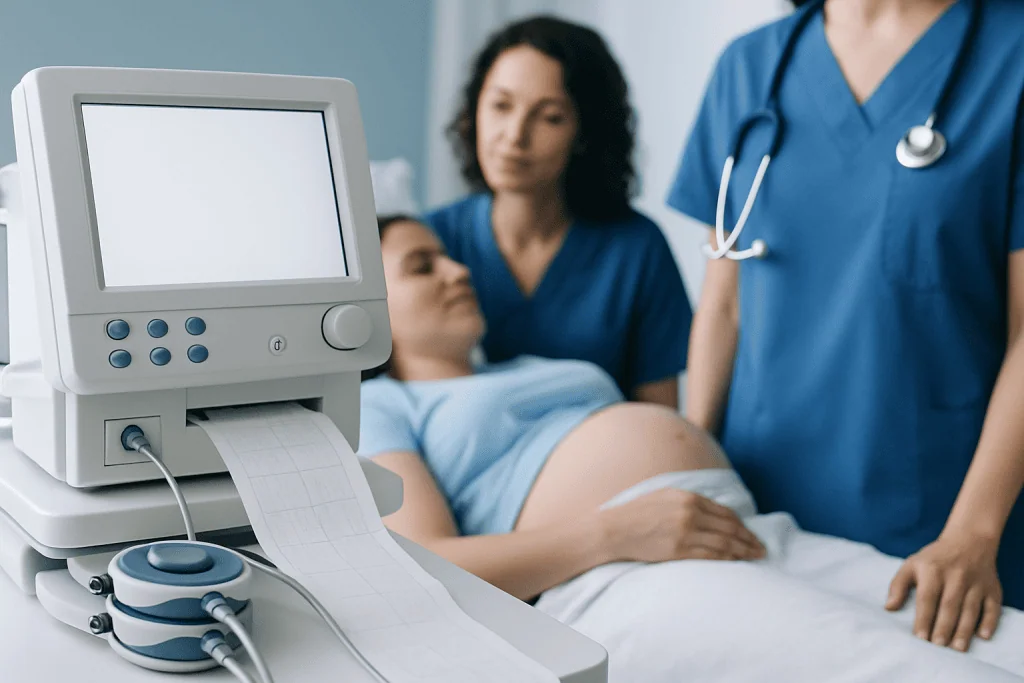
Clinicians do not distinguish a doula from a midwife by clothing, titles used casually, or whether the person is calm and experienced in labor. They distinguish them by scope of practice, which means what that person is educated, licensed, and legally allowed to do. This is the most important practical difference in a hospital or birth center.
A midwife can take a medical history, assess risk, examine the patient, monitor labor, recognize complications, and decide when medical treatment or physician involvement is needed. Depending on local laws and professional credentials, a midwife may order laboratory tests, prescribe certain medicines, repair some tears after birth, and care for the newborn immediately after delivery.
A doula, in contrast, does not perform medical exams, make diagnoses, interpret fetal monitoring as a treating clinician, or decide on medical treatment. The doula’s role is to provide reassurance, explain options in plain language, help with breathing and position changes, support communication with the care team, and remain continuously present if desired.
This difference matters because only licensed clinicians can be accountable for medical decisions. In labor, a doctor or midwife may say, for example, that the baby’s heart rate pattern needs closer observation or that labor is not progressing safely. A doula can help the family understand what is happening and stay supported, but the doula does not replace the clinician making medical judgments.
What a doula does

A doula’s work centers on emotional, physical, and practical support. During pregnancy, a doula may help the parent prepare for labor, discuss birth preferences, review common hospital routines, and suggest comfort strategies. During labor, support may include massage, breathing cues, position changes, encouragement, and helping the birthing person feel heard.
Doulas may also support partners and family members. For example, they may show a partner how to provide counterpressure during contractions or help the room stay calm and organized. Some families appreciate this continuity because medical staff may change across shifts, while a doula may remain present for longer periods.
It is important to understand what doulas do not do. They do not diagnose labor problems, perform vaginal examinations, prescribe medication, or deliver babies. They should not advise someone to ignore symptoms such as heavy bleeding, severe headache, fever, reduced fetal movement, or signs of preterm labor, which need medical assessment.
Some doulas also offer postpartum support, helping with early recovery, infant care routines, and adjustment after birth. This can be helpful for general well-being, but any concern such as worsening pain, possible infection, or low mood that feels severe should still be discussed with a qualified healthcare professional.
What a midwife does
A midwife is a trained maternity care professional who provides clinical care before, during, and after birth. Midwives may care for low-risk pregnancies independently or work closely with obstetricians and hospital teams. Their responsibilities often include prenatal checkups, monitoring maternal and fetal health, identifying risks, supporting labor, managing uncomplicated vaginal births, and providing postpartum follow-up.
Midwives are trained to recognize when a pregnancy or labor is no longer low risk and when specialist involvement is needed. For example, if a pregnant patient develops signs of high-risk pregnancy, a midwife may refer or transfer care to an obstetrician or collaborate in shared care. This ability to assess risk is a key difference from a doula.
The exact type of midwife and permitted duties vary by country. Some are nurse-midwives, some are direct-entry midwives, and regulations differ widely. In many healthcare systems, licensed midwives can provide evidence-based maternity care in hospitals, birth centers, or selected home birth settings for appropriate patients.
Midwifery care often combines clinical monitoring with a holistic approach to childbirth. Many people choose midwives because they want personalized care, support for physiologic birth when safe, and a professional who can still respond medically if the situation changes.
Can someone have both a doula and a midwife?
Yes. In many situations, having both can work well because the roles complement each other rather than compete. The midwife focuses on clinical safety and medical decision-making, while the doula focuses on continuous comfort and emotional support.
For example, during labor the midwife may be listening to the fetal heart rate, checking progress, documenting findings, and deciding whether labor is progressing normally. At the same time, the doula may help the patient change positions, stay hydrated, use coping techniques, and communicate preferences clearly. Each professional has a different purpose.
This can also be true in hospital-based obstetric care. A pregnant person may be primarily under an obstetrician’s supervision but still choose a doula for extra support, or may receive care from a midwife and see an obstetrician if additional expertise is needed. In some cases, tests such as ultrasound imaging or closer fetal assessment are used as part of routine or higher-risk care.
What matters most is that everyone understands the boundaries of each role. Clear communication helps families know who to ask for medical advice, who can explain procedures, and who can provide labor support without creating confusion at important moments.
How to choose the right support for each situation
The best choice depends on the person’s health, pregnancy risk level, birth setting, and personal preferences. Someone with a straightforward, low-risk pregnancy may consider midwifery care if it is available and appropriate in their region. Someone who wants continuous non-medical labor support may consider adding a doula regardless of whether their clinician is a midwife or an obstetrician.
A person with medical conditions, prior pregnancy complications, multiple pregnancy, or concerns about fetal growth may need more specialist-led care. In these settings, obstetricians, maternal-fetal medicine experts, and hospital-based teams may play a larger role, while doulas may still provide supportive care. Conditions that raise concern can include preeclampsia or bleeding related to placenta previa.
When choosing a midwife, patients may want to ask about credentials, licensure, birth setting, collaboration with doctors, emergency transfer plans, and experience with their specific health needs. When choosing a doula, it may help to ask about training, philosophy, availability during labor, communication style, and how the doula works with hospital teams.
Some people benefit from discussing these options with their doctor early in pregnancy. If a cesarean birth becomes necessary, clinical treatment may involve cesarean section or, when labor induction is medically indicated, induced labor. Understanding these possibilities can help families choose support that matches both their preferences and their medical needs.
When to seek medical care
A doula can be a helpful source of support, but urgent symptoms in pregnancy or after birth should be assessed by a midwife, doctor, or emergency service. Medical care should not be delayed while waiting for reassurance from a non-clinical support person.
Pregnant or postpartum patients should seek prompt medical advice for symptoms such as vaginal bleeding, severe abdominal pain, leaking fluid before term, reduced fetal movement, fever, chest pain, trouble breathing, seizures, a severe headache, sudden swelling, vision changes, or signs of labor much earlier than expected. These symptoms may or may not indicate a serious problem, but they need professional evaluation.
Immediate assessment is also important if labor becomes intense and the patient is unsure where they are in the process, if there are concerns about the baby’s well-being, or if recovery after birth feels abnormal. Heavy bleeding, fainting, worsening pelvic pain, or signs of infection after delivery should never be managed by support measures alone.
Near the end of the care journey, some families seek coordinated specialist input, especially if pregnancy becomes more complex. Acibadem International’s multidisciplinary specialists in JCI-accredited hospitals diagnose and treat pregnancy and birth-related conditions for international patients when advanced evaluation or hospital care is needed.
The bottom line
The clearest way to understand doula vs midwife is this: a doula supports the birthing person, and a midwife provides medical maternity care within a licensed clinical role. Both can be valuable, but they are not substitutes for one another.
Doctors tell them apart by training, licensure, and responsibility for medical decisions. If the question is who can evaluate symptoms, monitor health, perform clinical assessments, and manage birth medically, that is the midwife or physician. If the question is who can offer continuous encouragement, comfort measures, and non-medical support, that is the doula.
For many families, the best plan is not choosing one over the other in absolute terms, but choosing the right combination of support for the pregnancy’s medical needs and the parent’s personal preferences. A qualified clinician can help tailor that decision safely.
Frequently asked questions
Is a doula medically trained like a midwife?
No. A doula may have training or certification in labor support, but a doula is not a licensed maternity clinician. A midwife has formal clinical education and licensure or regulation that allows medical assessment and care within a defined scope.
Can a doula deliver a baby?
No. A doula does not deliver babies as a healthcare professional and should not provide medical or obstetric treatment. Birth delivery and clinical management are handled by a midwife or doctor, depending on the situation.
Can a midwife replace an obstetrician?
For some low-risk pregnancies, a midwife may be the main maternity care professional. However, if complications develop or the pregnancy is high risk, an obstetrician may need to lead care or work together with the midwife.
Do people ever choose both a doula and a midwife?
Yes, many do. The midwife provides clinical care and medical monitoring, while the doula offers continuous emotional and physical support. These roles often complement each other well.
How can a patient verify whether someone is a doula or a midwife?
Patients can ask directly about credentials, licensure, certification, and clinical responsibilities. A midwife should be able to explain their professional title, training pathway, and legal scope of practice, while a doula should be clear that their role is non-medical support.
When should a pregnant person contact a doctor instead of a doula?
A doctor, midwife, or emergency service should be contacted for symptoms such as bleeding, severe pain, fever, reduced fetal movement, severe headache, vision changes, or trouble breathing. A doula can offer support, but should not be the only source of advice for urgent symptoms.
References
- American College of Obstetricians and Gynecologists
- American College of Nurse-Midwives
- World Health Organization
- National Institute for Health and Care Excellence
- Centers for Disease Control and Prevention
This article is for general information only and is not a substitute for professional medical advice. Please consult a qualified doctor about your individual situation.
Explore treatments in Turkey — costs, top hospitals & a free quote
JCI-accredited · board-certified surgeons · reply within 24h
Add us as a Preferred Source to see more of our trusted health content across Google Search, AI Overviews and Discover.
Check your numbers in seconds
BMI, calories, due date, blood pressure and 30+ more clinical calculators — free, instant, doctor-reviewed ranges.