Tenotomy — Explained by Medical Evidence, Not Myths
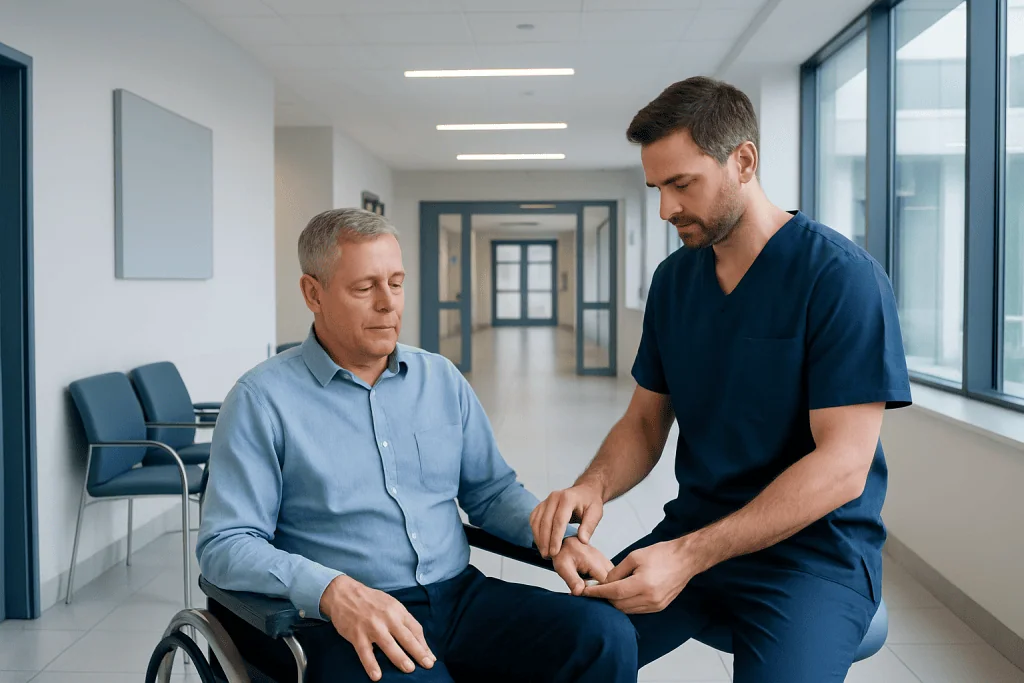
Tenotomy is a tendon-release procedure used to improve movement, reduce pain, or correct deformity caused by a tight or damaged tendon. It may be done as an open surgery or a minimally invasive percutaneous procedure, depending on the condition and tendon.
Key Takeaways
- Tenotomy is a tendon-release procedure used to improve movement, reduce pain, or correct deformity caused by a tight or damaged tendon.
- It may be done as an open surgery or a minimally invasive percutaneous procedure, depending on the condition and tendon.
- Doctors usually recommend tenotomy after examination, imaging when needed, and a trial of non-surgical treatment when appropriate.
- Recovery varies by tendon and technique, but most patients need a plan that includes rest, gradual movement, and rehabilitation.
- Like any procedure, tenotomy has risks, but careful patient selection and aftercare help support good outcomes.
Tenotomy is a medical procedure that partially or completely cuts a tendon to relieve abnormal tightness, improve joint position, or reduce pain when a tendon is limiting function. It can be performed through a small skin puncture or as an open operation, depending on the tendon involved and the reason for treatment.
What tenotomy means in medical practice
Tenotomy is a procedure in which a surgeon cuts or releases a tendon. In simple terms, it is used when a tendon has become too tight, too shortened, or persistently painful and is limiting normal movement. The goal is not to remove the tendon, but to change the pull it creates so the affected joint or body part can function better.
Medical evidence shows that tenotomy is not a one-size-fits-all procedure. It may be used in orthopedics, sports medicine, rehabilitation, hand surgery, or pediatric care, depending on the problem. In some situations, the procedure corrects deformity; in others, it helps reduce pain from chronic tendon disease that has not improved with rest, physiotherapy, injections, splints, or activity changes.
Tenotomy can be performed in different ways. A percutaneous tenotomy uses a very small skin opening or needle-based approach, while an open tenotomy involves a larger incision so the tendon can be seen directly. The choice depends on the tendon involved, the anatomy, the patient’s goals, and whether other repairs or procedures need to be done at the same time.
Why a tenotomy may be recommended
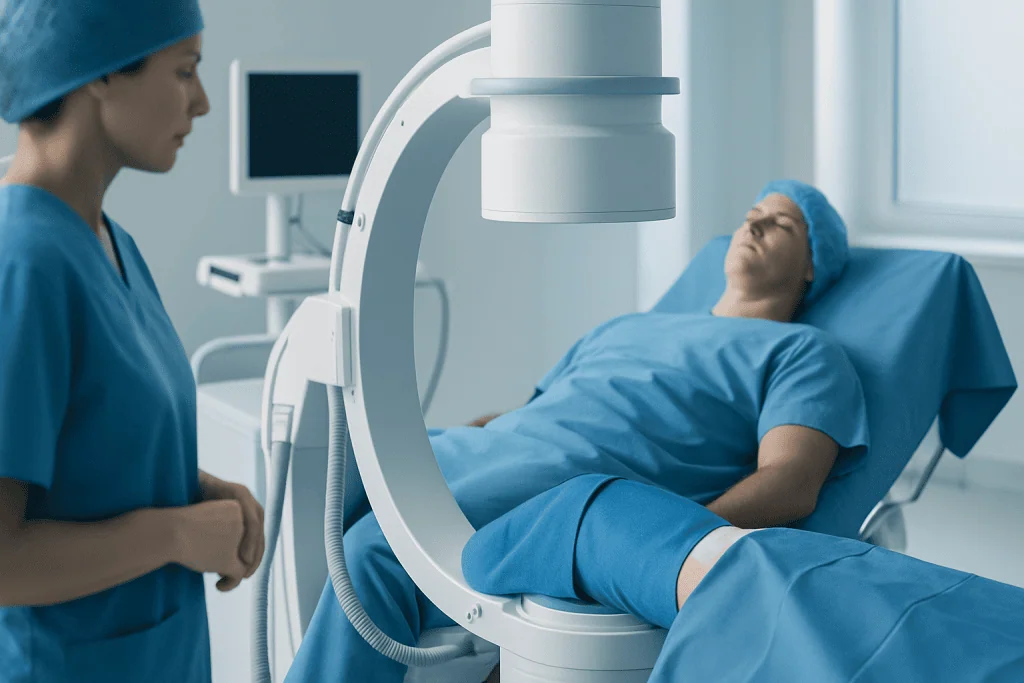
A doctor may recommend tenotomy when a tendon is contributing to restricted movement, abnormal posture, joint imbalance, or long-lasting pain. This can happen after injury, in chronic overuse conditions, in tendon shortening from neurological or developmental conditions, or when scar tissue changes how a tendon moves. The key question is whether the tendon itself is the main source of the problem and whether releasing it is likely to improve function.
Examples vary widely. In babies with clubfoot, an Achilles tenotomy may be part of correction after casting. In adults, a tenotomy may be used for chronic tendon pain, trigger digits, shoulder tendon problems, or foot and ankle deformities in selected cases. Some people are more familiar with a related procedure called a tendon lengthening or a tendon transfer; these are different operations, though they may be considered alongside tenotomy in some treatment plans.
Because the reasons for tenotomy differ, the expected results also differ. One person may need better joint alignment, another may want relief from repetitive pain, and another may need a release to allow more effective rehabilitation. This is why a personalized assessment matters more than myths or online generalizations about the procedure.
Common types of tenotomy and how they differ

Doctors use the term tenotomy for several related techniques. A complete tenotomy fully releases the tendon, while a partial tenotomy releases only part of it. A percutaneous tenotomy is done through a tiny opening and is often used when a limited release is enough. An open tenotomy gives the surgeon more direct visualization and may be chosen if the tendon is surrounded by important structures or if there is complex damage to address.
One well-known example is Achilles tenotomy, often used in the Ponseti method for clubfoot when the heel cord remains too tight after serial casting. Another example is tenotomy for chronic tendinopathy, where a minimally invasive release may stimulate healing and reduce pain in carefully selected patients. In the hand, releasing a tight tendon system may help with movement when conservative care has failed.
In orthopedic practice, tenotomy may also be discussed in relation to shoulder conditions, such as problems involving the long head of the biceps tendon. In those cases, the surgeon may compare tenotomy with tenodesis, a different procedure that repositions and fixes the tendon rather than simply releasing it. Patients benefit from asking exactly which tendon is involved, why that specific technique is being suggested, and what functional change is expected afterward.
Symptoms and situations that may lead to evaluation
Tenotomy is not a symptom itself; it is a treatment option considered after symptoms have been assessed. People who may be evaluated for this procedure often have ongoing pain with movement, a feeling of tightness, visible deformity, a finger or toe that catches or stays bent, difficulty placing the foot flat, or reduced range of motion that interferes with daily activities. In children, parents may notice an abnormal foot position or delayed ease of movement.
Doctors usually look for patterns rather than one complaint alone. Symptoms that are worse with specific motions, have not improved with appropriate self-care, or are linked to structural tightness are more likely to need specialist assessment. Some conditions may overlap with tendon tears, arthritis, nerve problems, or muscle imbalance, so diagnosis should not be based on symptoms alone.
If tendon pain is the main issue, clinicians often first evaluate related conditions such as tendinitis or chronic tendinopathy before recommending a release procedure. In the foot and ankle, gait changes or longstanding heel-cord tightness may also be assessed alongside the broader causes of clubfoot or acquired deformity.
How doctors diagnose the problem and decide on tenotomy
Diagnosis begins with a clinical examination. The doctor assesses where the symptoms are coming from, how the tendon moves, whether there is joint stiffness, whether the tendon is shortened or inflamed, and how the problem affects balance, walking, gripping, or athletic activity. The patient’s age, occupation, sports participation, and prior treatments all help guide the decision.
Imaging is used when it adds useful detail. Ultrasound can show tendon thickening, tears, or inflammation and may also help guide minimally invasive procedures. X-rays may be used to assess joint alignment or related bone problems, while MRI can be helpful when the diagnosis is unclear or when several structures may be involved. For infants with clubfoot, imaging is often less important than a careful physical examination by an experienced clinician.
Tenotomy is usually considered only after weighing non-surgical care, the expected benefit, and the trade-offs. Some patients may be better candidates for physiotherapy, orthotics, splinting, injections, or physical therapy and rehabilitation. Others may need a broader orthopedic plan that could include orthopedic surgery if tendon release alone would not solve the problem.
Treatment options, the procedure itself, and recovery
Before recommending tenotomy, doctors often begin with conservative treatment when safe and appropriate. This may include rest, modifying activity, stretching programs, anti-inflammatory strategies, splints, footwear changes, casting, or targeted rehabilitation. If symptoms remain significant or the tendon is clearly preventing normal positioning or movement, a procedure may be discussed.
During tenotomy, the tendon is released either through a small puncture or an incision. Local, regional, or general anesthesia may be used depending on the body area, the patient’s age, and whether other procedures are being done at the same time. The released tendon changes how tension is transmitted across the joint, which can improve position or decrease painful pull. In some musculoskeletal cases, image-guided or minimally invasive sports injuries treatment approaches may be appropriate.
Recovery depends on the tendon, the surgical technique, and the reason for treatment. Some patients need a short period of protection with a boot, cast, brace, or dressing, while others begin early guided motion. Rehabilitation is often a core part of recovery, helping the surrounding muscles adapt and reducing the risk of stiffness. Full return to sports or demanding activity may take longer than return to routine daily tasks.
Patients should ask about realistic goals after treatment. In some cases the main benefit is better positioning or easier care, while in others the aim is pain relief or improved function. A tenotomy does not always restore normal anatomy, but it may still meaningfully improve quality of life when chosen for the right reason.
Benefits, risks, and limits of tenotomy
The main potential benefits of tenotomy are improved range of motion, less abnormal tension, reduced pain, and better alignment or function. For some patients, a minimally invasive release can shorten procedure time and reduce soft-tissue disruption. In pediatric deformity care, it can be an important step that allows a corrected position to be maintained with bracing or rehabilitation.
Like all procedures, tenotomy has risks. These include bleeding, infection, incomplete release, over-release, stiffness, scar sensitivity, weakness, recurrence of tightness, and damage to nearby nerves or blood vessels. The exact risk profile changes depending on the tendon and the patient’s underlying condition. For this reason, a surgeon should explain both the expected gains and the functional trade-offs before treatment.
It is also important to understand the limits. If pain is coming mainly from arthritis, nerve compression, or a major tendon tear, tenotomy alone may not help enough. Some people may still need further treatment, ongoing therapy, or supportive devices after the procedure. Care is most effective when the diagnosis is clear and the procedure is part of a broader management plan rather than a standalone fix.
When to seek medical care and ongoing self-care
Medical care should be sought if tendon-related pain lasts more than a few weeks, keeps returning, limits walking or hand use, or is associated with visible deformity, locking, or progressive loss of motion. Urgent assessment is important after a sudden injury with a snap, marked weakness, rapid swelling, fever, redness, or inability to bear weight, because these signs may suggest a rupture, infection, or another condition needing prompt treatment.
After a doctor has evaluated the problem, self-care remains important whether or not tenotomy is performed. Following the rehabilitation plan, protecting the tendon as advised, using braces or orthotics correctly, and returning to activity gradually can all support recovery. Patients should avoid trying aggressive stretching or exercises on their own if these increase pain or if a clinician has advised temporary protection.
For people seeking multidisciplinary assessment, Acibadem International’s specialists in orthopedics, rehabilitation, and related fields evaluate tendon disorders and offer treatment in JCI-accredited hospitals for international patients. This can be helpful when symptoms are persistent, the diagnosis is uncertain, or a patient wants a structured plan that combines imaging, procedure-based care, and rehabilitation.
Frequently asked questions
Is tenotomy always a surgery?
Tenotomy is a procedure that releases a tendon, but it is not always a large open operation. In some cases, it can be done through a very small puncture or with minimally invasive techniques. The method depends on the tendon involved and the reason for treatment.
What is the difference between tenotomy and tenodesis?
Tenotomy releases the tendon by cutting it, while tenodesis reattaches or secures the tendon at a new location. They may be considered for some of the same tendon problems, but they have different goals and recovery expectations. A surgeon chooses between them based on anatomy, age, activity level, and desired function.
How long does tenotomy recovery take?
Recovery time varies widely. A small percutaneous tenotomy may allow earlier movement, while open procedures or those involving the foot and ankle can require more protection and structured rehabilitation. The treating doctor usually gives a timeline based on the tendon treated and the patient’s daily demands.
Is tenotomy painful?
The procedure itself is performed with anesthesia, so pain during treatment is controlled. Some soreness, swelling, or stiffness afterward is common, but this is usually managed with a recovery plan that may include rest, ice, support devices, and rehabilitation. Ongoing or severe pain after the procedure should be reviewed by the care team.
Can tenotomy treat chronic tendon pain?
In selected patients, yes. When chronic tendon pain has not improved with conservative care and the tendon is confirmed as the source of symptoms, tenotomy may be considered. It is usually recommended only after a careful assessment of other possible causes of pain.
Will a tendon grow back after tenotomy?
Healing after tenotomy depends on the tendon, the type of release, and the purpose of the procedure. In some settings, the tendon heals in a lengthened or altered state rather than simply returning to its previous form. The aim is functional improvement, not necessarily restoration of the tendon’s original anatomy.
References
- American Academy of Orthopaedic Surgeons
- National Institute for Health and Care Excellence
- American Orthopaedic Foot & Ankle Society
- American Society for Surgery of the Hand
- Mayo Clinic
This article is for general information only and is not a substitute for professional medical advice. Please consult a qualified doctor about your individual situation.
Joint and spine care in Turkey — expert assessment & treatment
JCI-accredited · board-certified surgeons · reply within 24h
Add us as a Preferred Source to see more of our trusted health content across Google Search, AI Overviews and Discover.

More from the Health Library

Signs that pneumonia is improving: Symptoms, Causes, and Treatment — Complete Patient Guide
Ear Wax That Is Black: What Patients Need to Know

Hip Flexors — Explained by Medical Evidence, Not Myths

Carotene: A Complete Medical Overview

Cross Eye Operation: An Evidence-Based Guide for Patients