Hip Flexors — Explained by Medical Evidence, Not Myths
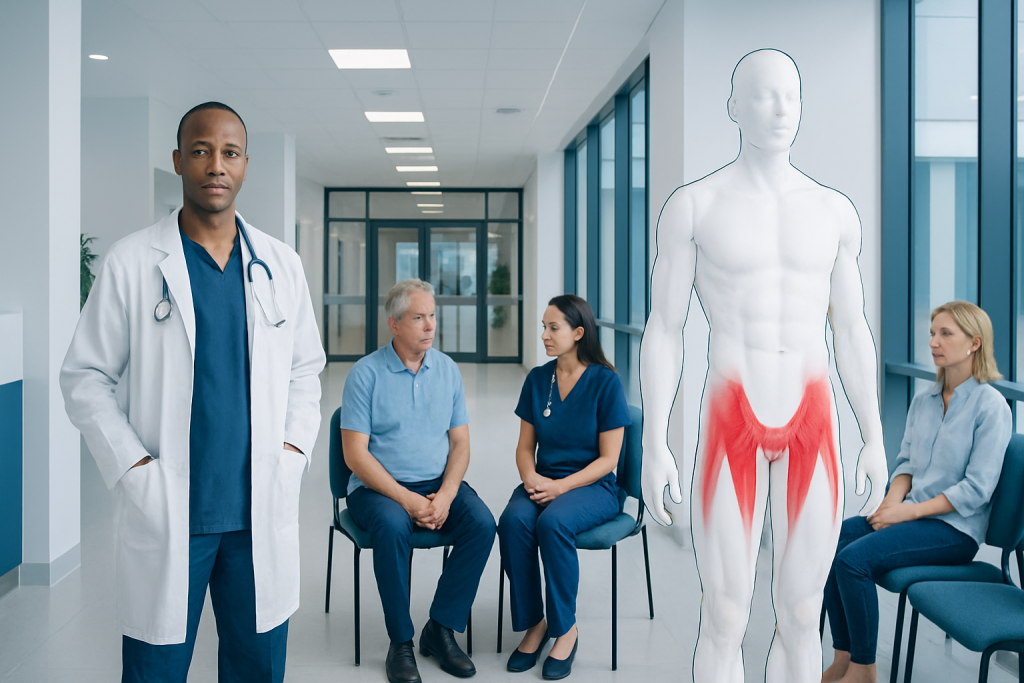
Hip flexors are several muscles, not one single structure, and they play a key role in everyday movement. Hip flexor pain is often caused by overuse, strain, prolonged sitting, or sudden increases in activity.
Key Takeaways
- Hip flexors are several muscles, not one single structure, and they play a key role in everyday movement.
- Hip flexor pain is often caused by overuse, strain, prolonged sitting, or sudden increases in activity.
- Symptoms can include groin or front-of-hip pain, stiffness, weakness, limping, or discomfort when lifting the knee.
- Diagnosis is based on history and physical examination, with imaging used when a tear, joint problem, or another condition is suspected.
- Most mild cases improve with relative rest, gradual stretching, strengthening, and physical therapy guidance.
- Medical evaluation is important if pain is severe, follows trauma, or does not improve as expected.
Hip flexors are a group of muscles that help lift the thigh toward the body and support walking, climbing stairs, balance, and posture. When people talk about “hip flexor pain,” they may mean tightness, tendon irritation, muscle strain, or pain referred from the hip joint or lower back, so the cause matters as much as the location.
What hip flexors are and why they matter
Hip flexors are the muscles that bend the hip and bring the thigh upward toward the torso. In everyday life, they help with walking, running, climbing stairs, getting out of a chair, stepping into a car, and maintaining balance during movement. The term usually refers to a group of muscles rather than a single muscle, including the iliopsoas, rectus femoris, sartorius, and tensor fasciae latae.
Because these muscles work so often, they can become painful from overuse, sudden strain, weakness, tightness, or compensation for another problem. Many people use “hip flexor pain” as a general term, but pain at the front of the hip can also come from tendons, the hip joint itself, the lower back, or nearby soft tissues. That is why symptoms should be interpreted in context rather than assumed to be a simple muscle issue.
Hip flexor problems are common in athletes who sprint, kick, or change direction quickly, but they also affect people who sit for long periods, return to exercise too quickly, or develop poor movement patterns over time. A patient-friendly approach starts with this practical point: hip flexors are essential muscles, and discomfort in this area is often treatable once the true cause is identified.
How hip flexor problems feel
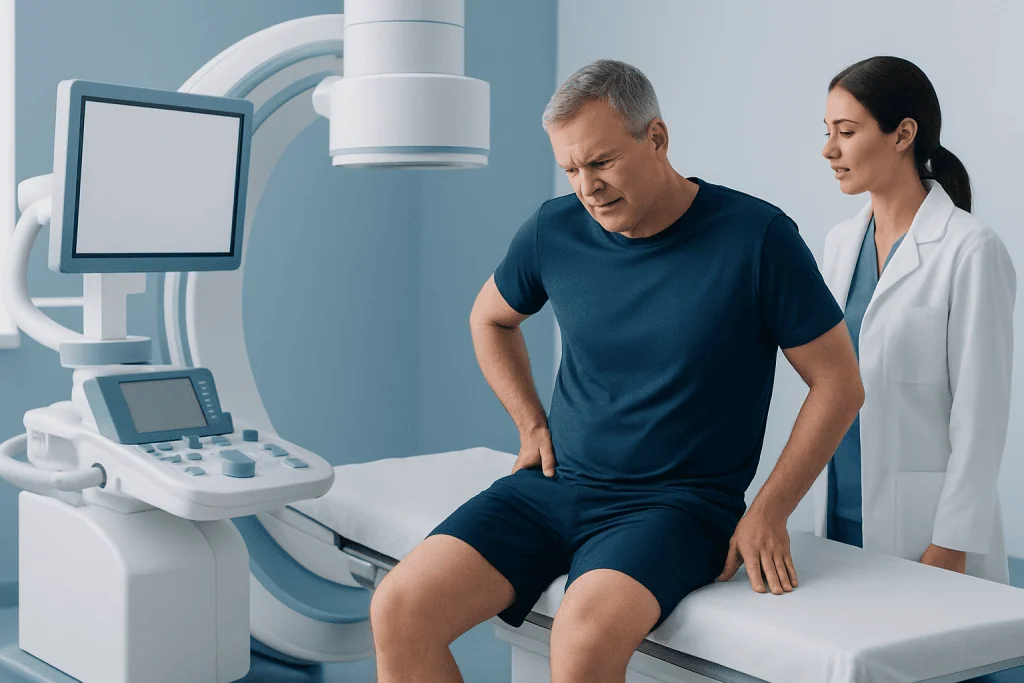
Symptoms vary depending on whether the issue is tightness, tendon irritation, or a strain. Some people notice an aching discomfort at the front of the hip or in the groin, while others feel a sharper pain when lifting the knee, climbing stairs, walking uphill, or getting up from a seated position. Stiffness after sitting is also common.
A mild strain may cause tenderness and discomfort only during activity. A more significant strain can lead to pain with walking, weakness, reduced range of motion, swelling, bruising, or a limp. In athletes, symptoms may begin suddenly during sprinting or kicking. In non-athletes, they may build gradually over days or weeks.
Not every pain in this area comes from the hip flexors. If symptoms include clicking in the joint, deep groin pain, numbness, pain radiating from the back, or pain that persists despite rest, another condition may be involved. Some hip or spine disorders can mimic a muscle problem and need a more complete assessment.
- Front-of-hip or groin pain
- Stiffness after sitting or in the morning
- Pain when lifting the knee or taking a long step
- Weakness or a pulling sensation during exercise
- Swelling or bruising after an acute injury
Common causes and risk factors
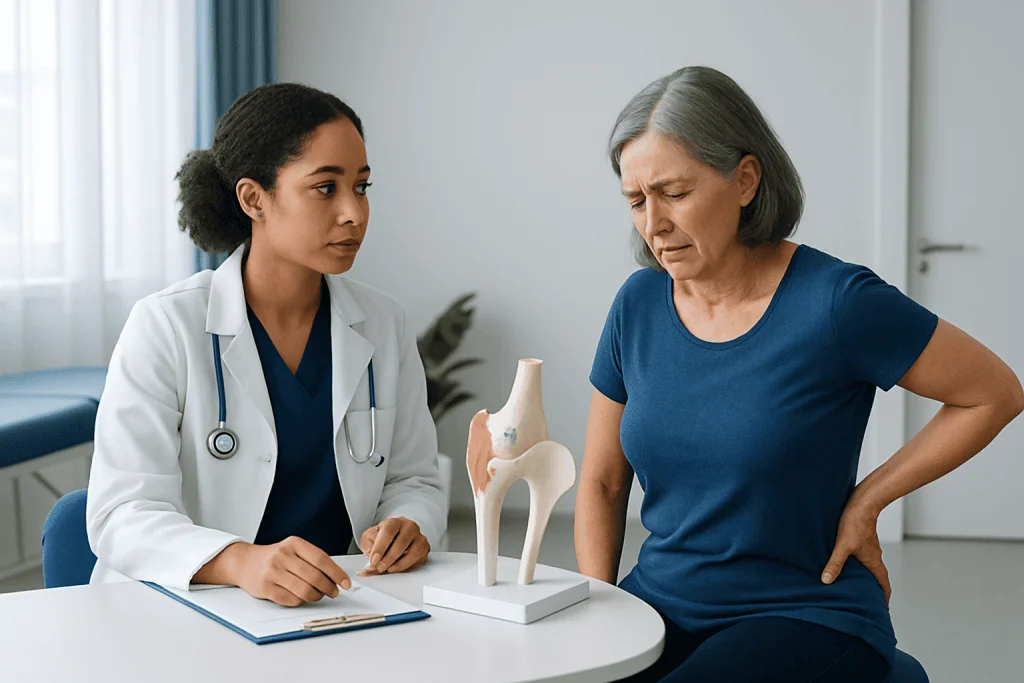
The most common cause of hip flexor pain is muscle or tendon overload. This can happen with repeated running, sprinting, kicking, dancing, cycling, or exercises that heavily involve the front of the hip. A sudden increase in training intensity, poor warm-up, or returning to sports too soon after a break can raise the risk of strain.
Long periods of sitting may also contribute. Sitting keeps the hips in a flexed position, and over time this can be associated with stiffness, reduced hip extension, and discomfort when standing or moving. It does not mean the muscles are permanently “shortened,” but it can affect comfort, movement control, and surrounding muscle balance.
Other risk factors include weak core or gluteal muscles, previous injury, poor biomechanics, leg-length differences, and limited flexibility. In some people, pain is not primarily a hip flexor issue at all. Front-of-hip pain may relate to joint conditions such as hip impingement, tendon disorders, bursitis, or referred pain from the lumbar spine. Arthritis-related pain can also be felt in the groin or front of the hip, as seen in osteoarthritis.
Less commonly, severe pain may follow a tear, avulsion injury, fracture, infection, or another urgent condition. These are not the usual explanation for routine stiffness after sitting, but they are important reasons not to ignore major symptoms after trauma or when pain is accompanied by fever or an inability to bear weight.
Myths and facts about tight hip flexors
Hip flexors are often blamed for many unrelated problems, especially low back pain and poor posture. In reality, the relationship is more nuanced. Tightness may contribute to discomfort in some people, but there is rarely one single muscle responsible for all symptoms. Posture, activity level, strength, joint mobility, and movement habits all matter.
Another common myth is that stretching alone will solve every hip flexor problem. Stretching can help some people, especially when stiffness is part of the picture, but pain from an actual strain or tendon irritation may improve more reliably with a combination of load modification, gradual strengthening, and movement retraining. Pushing through pain with aggressive stretching can sometimes make symptoms worse.
It is also a myth that all front-of-hip pain in active people is a minor sports injury. Some symptoms come from the joint, cartilage, or surrounding tendons and may need a more specific diagnosis. Medical evidence supports an individualized approach: identify the pain source, then match treatment to the cause rather than treating every case as generic “tight hip flexors.”
How doctors diagnose hip flexor pain
Diagnosis usually begins with a careful history and physical examination. A doctor or physical therapist may ask when the pain started, whether it followed a specific movement or injury, what activities make it worse, and whether there is weakness, limping, numbness, or back pain. The pattern of symptoms often provides important clues.
During the examination, the clinician may assess walking, hip range of motion, tenderness, strength, and pain with resisted hip flexion or stretching. They may also examine the lower back and the hip joint to look for signs of another source of pain. This step matters because conditions affecting the joint can feel similar to a muscle strain.
Imaging is not needed for every mild case. However, ultrasound, X-rays, or MRI may be recommended if pain is severe, does not improve, follows significant trauma, or raises concern for a tear, avulsion, fracture, or joint pathology. In selected cases, the evaluation may overlap with broader assessments used in orthopedics and traumatology when the diagnosis is uncertain or symptoms are persistent.
Treatment and recovery
Most mild to moderate hip flexor problems improve with conservative treatment. The first steps are usually relative rest, avoiding activities that sharply increase pain, and using ice in the early phase if the area is sore after injury. Relative rest does not mean complete inactivity; rather, it means reducing painful loading while keeping gentle movement as tolerated.
As symptoms begin to settle, treatment often shifts toward restoring mobility and strength. A clinician or therapist may recommend controlled stretching, strengthening of the hip flexors and surrounding muscles, and exercises for the core and gluteal muscles. Gradual progression is important because returning too quickly to sprinting, kicking, or heavy exercise can delay recovery.
Physical therapy is often helpful when symptoms persist, when recurrent strains occur, or when poor movement patterns contribute to the problem. Guided rehabilitation may include exercise progression, balance work, load management, and sport-specific return planning. When symptoms suggest a more complex cause, doctors may also consider assessment through physical therapy and rehabilitation or sports injury care pathways.
If pain is due to a major tear, avulsion injury, or significant joint problem, treatment may differ and can sometimes include specialist procedures or surgery. Those cases are less common than routine strains or overuse symptoms, but they highlight why an accurate diagnosis is more useful than assuming all hip pain is caused by muscle tightness alone.
Prevention and self-care
Prevention focuses less on one “perfect” stretch and more on overall hip function. A balanced program may include gradual warm-up before exercise, progressive increases in training load, regular strengthening of the hips and core, and movement breaks during long periods of sitting. These habits help the body tolerate activity more effectively.
For people with desk-based work, changing position regularly can be more practical than trying to force a deep stretch once a day. Standing up, walking briefly, and gently moving the hips through a comfortable range may reduce stiffness. For athletes, recovery planning matters too, including rest days and avoiding abrupt changes in intensity or volume.
Self-care should stay within a tolerable pain range. Mild discomfort during rehabilitation exercises can be acceptable, but sharp pain, worsening limping, or symptoms that increase over time are signs to pause and seek advice. Near the end of the care pathway, patients who need specialist evaluation may also benefit from multidisciplinary assessment; Acibadem International’s JCI-accredited hospitals care for international patients through teams experienced in musculoskeletal diagnosis and treatment.
When to seek medical care
Medical care is advisable if hip flexor pain is severe, begins after a fall or sports injury, causes marked weakness, or makes it hard to walk or bear weight. Evaluation is also important if there is swelling, bruising, a popping sensation at the time of injury, fever, numbness, or pain that spreads down the leg.
People should also seek assessment if symptoms do not improve after a short period of rest and modified activity, or if pain keeps returning with exercise. Persistent groin pain, deep joint pain, or clicking may point to something other than a simple muscle strain.
Early evaluation can help rule out conditions involving the joint, tendons, or lower back and can guide a safer recovery plan. In most cases, prompt attention leads to clearer diagnosis, more targeted treatment, and a better return to comfortable movement.
Frequently asked questions
What are the hip flexors exactly?
The hip flexors are a group of muscles that bend the hip and lift the thigh toward the body. They are active during walking, running, stair climbing, and getting up from sitting. The iliopsoas is one of the best-known hip flexor muscles, but several muscles contribute to this movement.
How can someone tell if they have a hip flexor strain?
A hip flexor strain often causes pain at the front of the hip or groin, especially when lifting the knee, walking uphill, sprinting, or kicking. There may also be tenderness, weakness, stiffness, or limping. More significant strains can cause swelling or bruising after an acute injury.
Are tight hip flexors always caused by sitting too much?
Not always. Prolonged sitting can contribute to stiffness and discomfort, but tightness may also relate to training load, weakness, previous injury, or movement patterns. In some cases, symptoms blamed on “tight hip flexors” are actually coming from the hip joint, tendons, or lower back.
Should hip flexor pain be stretched immediately?
Not in every case. Gentle stretching may help when stiffness is the main issue, but recent strains or tendon irritation can worsen with aggressive stretching. If pain is sharp or follows an injury, it is usually better to reduce painful activity first and begin rehabilitation gradually.
How long does it take for hip flexor pain to improve?
Recovery time depends on the cause and severity. Mild overuse symptoms may improve within days to a few weeks with rest and progressive exercise, while more significant strains can take longer. Persistent or recurring symptoms should be evaluated by a qualified clinician.
Can hip flexor pain actually be a hip joint problem?
Yes. Pain at the front of the hip or in the groin can come from the hip joint, surrounding tendons, or even the lower back. If there is deep joint pain, clicking, catching, or pain that does not improve as expected, a doctor may look for another diagnosis.
This article is for general information only and is not a substitute for professional medical advice. Please consult a qualified doctor about your individual situation.
Joint and spine care in Turkey — expert assessment & treatment
JCI-accredited · board-certified surgeons · reply within 24h
Add us as a Preferred Source to see more of our trusted health content across Google Search, AI Overviews and Discover.

More from the Health Library

Cavity — Explained by Medical Evidence, Not Myths

Xanthan Gum Substitute — Explained by Medical Evidence, Not Myths

Stomach Growling: An Evidence-Based Guide for Patients

Beans: An Evidence-Based Guide for Patients

Eisoptrophobia: An Evidence-Based Guide for Patients

Goji Berries: A Complete Medical Overview
Orthopedic Surgery & Traumatology Specialists at Acibadem

Dr. Bülent Özmen
Orthopedic Surgery & Traumatology
Dr. Bülent Yücel
Orthopedic Surgery & Traumatology
Prof. Dr. Burak Akan
Orthopedic Surgery & Traumatology
Dr. Burak Boynuk
Orthopedic Surgery & Traumatology