Sexual Dysfunction: What Patients Need to Know

Sexual dysfunction can involve desire, arousal, orgasm, or pain and may affect any adult. Common causes include medical conditions, hormonal changes, emotional stress, relationship factors, and medications.
Key Takeaways
- Sexual dysfunction can involve desire, arousal, orgasm, or pain and may affect any adult.
- Common causes include medical conditions, hormonal changes, emotional stress, relationship factors, and medications.
- A careful evaluation helps identify whether the main contributors are physical, psychological, or both.
- Treatment depends on the cause and may include lifestyle changes, counseling, pelvic health care, or medical treatment.
- People should seek medical advice when symptoms are persistent, distressing, painful, or linked to other health changes.
Sexual dysfunction means ongoing problems with sexual desire, arousal, orgasm, or comfort during sexual activity. It can affect people of any sex, often has more than one cause, and is frequently treatable with medical care, counseling, and lifestyle support.
Overview
Sexual dysfunction is a broad term for ongoing problems that interfere with satisfying sexual activity. It may involve reduced desire, difficulty becoming aroused, trouble reaching orgasm, pain during sex, or a combination of these concerns. Because sexuality is influenced by the body, emotions, relationships, and life circumstances, sexual dysfunction is usually not caused by one single factor.
These concerns are common and can happen at any age, although the reasons may differ over time. Some people notice symptoms only occasionally, while others experience a persistent pattern that causes distress or affects self-confidence and relationships. A temporary change does not always mean a medical disorder, but symptoms that continue or cause worry deserve attention.
Sexual dysfunction can affect men and women differently, yet there is also significant overlap. For example, stress, depression, chronic illness, hormonal shifts, pelvic conditions, and medication side effects can influence sexual well-being in anyone. A patient-friendly approach focuses on identifying contributing factors rather than assigning blame.
In many cases, sexual dysfunction improves when the underlying cause is recognized and treated. Care may involve a primary care doctor, gynecologist, urologist, endocrinologist, pelvic floor specialist, or mental health professional, depending on the symptoms and the person’s overall health.
How Sexual Dysfunction May Present
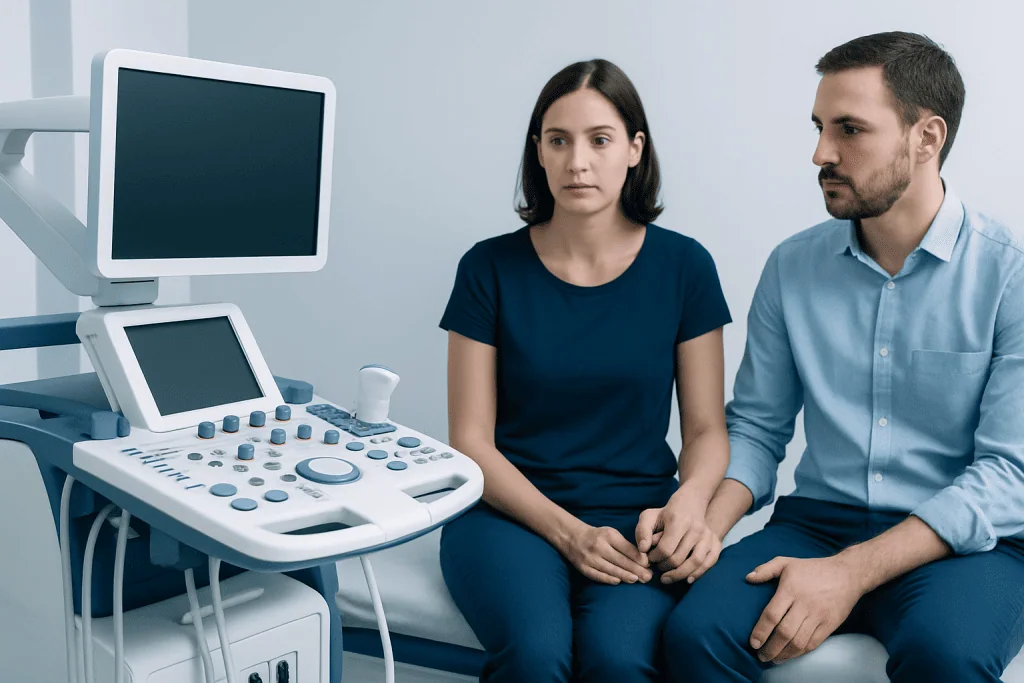
Sexual dysfunction is often grouped into four main areas: desire, arousal, orgasm, and pain. Desire-related symptoms may include reduced interest in sexual activity, fewer sexual thoughts, or a mismatch between interest and previous patterns. Arousal-related symptoms can involve difficulty with physical response, such as vaginal dryness or trouble getting or maintaining an erection.
Orgasm-related symptoms include delayed orgasm, much less intense orgasm, or inability to reach orgasm despite stimulation. Pain-related symptoms may include burning, aching, tightness, or deep pelvic discomfort before, during, or after sex. Symptoms may be constant or may occur only in certain situations, such as with a new partner, after childbirth, or during stressful periods.
Some people also notice indirect effects, such as avoiding intimacy, anxiety before sex, low mood, or relationship strain. Sexual function is closely connected to overall well-being, so concerns may affect sleep, confidence, and quality of life. Talking openly with a clinician can help bring these concerns into the medical setting in a respectful and practical way.
- Low sexual desire or loss of interest
- Difficulty with lubrication or genital arousal
- Trouble getting or maintaining an erection
- Delayed, absent, or less satisfying orgasm
- Pain with penetration or other sexual activity
- Fear, tension, or avoidance related to sex
Causes and Risk Factors

Sexual dysfunction can result from physical, emotional, relational, or lifestyle factors, and many people have more than one contributor. Medical causes may include diabetes, cardiovascular disease, thyroid disorders, neurological conditions, chronic pain, pelvic floor problems, and hormonal changes linked to menopause, postpartum recovery, or low testosterone. Genitourinary conditions may also play a role, especially when symptoms include pain, urinary changes, or erection problems.
Medication side effects are another important consideration. Antidepressants, blood pressure medicines, some hormonal therapies, sedatives, and other drugs can affect libido, arousal, or orgasm. Alcohol misuse, smoking, sleep deprivation, and substance use can also reduce sexual function by affecting blood flow, nerve signaling, mood, or energy levels.
Psychological and relationship factors are equally important. Stress, anxiety, depression, past trauma, body image concerns, and unresolved conflict with a partner can all affect sexual response. Performance anxiety can create a cycle in which one difficult experience leads to worry, which then makes the problem more likely to happen again.
Sometimes sexual dysfunction is the first sign of another health issue. For example, erection difficulties may be linked with circulation problems, while pain during sex may suggest a pelvic or gynecologic condition such as endometriosis. In men, persistent erection problems may overlap with erectile dysfunction, which can be part of a broader medical assessment rather than an isolated sexual concern.
How Doctors Diagnose Sexual Dysfunction
Diagnosis begins with a detailed conversation about symptoms, overall health, relationships, and emotional well-being. The doctor may ask when the problem started, whether it happens in every situation, whether pain is present, and whether there have been recent changes such as childbirth, menopause, surgery, illness, or new medications. These questions help distinguish temporary changes from persistent dysfunction and clarify whether the main issue is desire, arousal, orgasm, pain, or a combination.
A physical examination may be recommended depending on the symptoms. This may include a general medical exam, blood pressure measurement, assessment of the genital or pelvic area, and discussion of urinary or hormonal symptoms. Blood tests may be used to look for diabetes, thyroid problems, cholesterol issues, or hormone-related concerns when clinically appropriate.
In some cases, the evaluation includes screening for depression, anxiety, sleep problems, or relationship stress. If pain is a major symptom, a clinician may assess for vaginal dryness, pelvic floor muscle tension, infection, skin conditions, or other causes of discomfort. Men with erection concerns may need an assessment of vascular, hormonal, or neurological factors, and sometimes further evaluation is needed through urology care.
The goal of diagnosis is not simply to label the problem, but to understand the full context. A respectful, confidential assessment can guide treatment and help patients feel heard rather than judged. Because sexual health is part of general health, clinicians often look beyond the symptom itself to identify related medical issues that may also need care.
Treatment Options
Treatment for sexual dysfunction depends on the cause and may combine several approaches. When a medical condition is contributing, treating that condition may improve sexual function. Adjusting a medication that is causing side effects, addressing hormonal changes, managing chronic illness, or improving sleep and stress levels can all make a difference. For some men, evaluation and treatment options related to erectile dysfunction treatment may be appropriate.
Counseling and sex therapy can be especially helpful when anxiety, low mood, relationship difficulties, past experiences, or performance concerns are involved. Therapy may be individual or with a partner, depending on the situation. The aim is to reduce pressure, improve communication, and develop practical strategies for intimacy that feel comfortable and realistic.
For people with pain during sex, treatment may include lubricants or moisturizers, pelvic floor physiotherapy, management of menopausal symptoms, or treatment of pelvic conditions. If a structural or gynecologic issue is suspected, referral for gynecology evaluation may help clarify the cause. People with persistent pelvic pain, dryness, or painful penetration should not assume that discomfort is something they simply have to live with.
In selected cases, specialist care is useful. This may involve endocrinology for hormonal concerns, psychology or psychiatry for mood and trauma-related factors, or reproductive medicine when fertility concerns overlap with sexual symptoms. At the end of the care pathway, the most effective treatment plan is usually personalized, practical, and based on the patient’s goals.
Self-care, Prevention, and Communication
Not every cause of sexual dysfunction can be prevented, but several habits support sexual health. Regular physical activity, balanced nutrition, good sleep, limited alcohol, and avoiding smoking can help blood flow, energy, mood, and hormone balance. Managing chronic conditions such as diabetes, high blood pressure, and depression is also important because these conditions can affect sexual function over time.
Open communication with a partner often reduces anxiety and misunderstandings. It may help to discuss what feels comfortable, what causes pain or stress, and whether changes in timing, setting, or expectations would help. Removing pressure to perform can be an important step, especially when symptoms are linked to stress or fear of failure.
People should also review medicines with a qualified doctor rather than stopping them on their own. If a medication may be contributing, the clinician can consider alternatives or other ways to reduce side effects. When dryness or discomfort is present, simple measures such as longer arousal time, use of appropriate lubricants, and gentle pacing may help while the underlying issue is being assessed.
Specialist support may be useful when symptoms continue despite these steps. Acibadem International’s multidisciplinary specialists in JCI-accredited hospitals evaluate and treat sexual dysfunction for international patients, coordinating care when urologic, gynecologic, hormonal, or psychological factors overlap.
When to Seek Medical Care
A doctor’s review is appropriate when sexual dysfunction lasts for several weeks or months, causes distress, affects a relationship, or becomes a repeated concern. Medical advice is especially important when symptoms start suddenly, worsen over time, or occur along with pain, bleeding, urinary problems, fatigue, mood changes, or other new health symptoms.
People should also seek care if they suspect a medication side effect, have difficulty with erections often enough to affect confidence or intimacy, or notice vaginal dryness or pain that interferes with daily comfort. Ongoing pelvic pain, pain after childbirth, symptoms after pelvic surgery, or distress related to past trauma should also be discussed with a clinician.
Urgent care may be needed for severe pelvic pain, genital injury, signs of infection, or other acute symptoms that feel out of the ordinary. In most situations, however, the first step is a routine appointment with a qualified healthcare professional who can guide evaluation and next steps in a calm and confidential way.
Frequently asked questions
What is sexual dysfunction?
Sexual dysfunction is a persistent problem with sexual desire, arousal, orgasm, or pain that causes distress or affects intimacy. It can affect people of any sex and may have physical, emotional, relationship, or medication-related causes.
Is sexual dysfunction common?
Yes. Many adults experience sexual difficulties at some point in life, especially during times of stress, illness, hormonal change, or relationship strain. Persistent symptoms are common enough that clinicians routinely evaluate and treat them.
Can stress or anxiety cause sexual dysfunction?
Yes. Stress and anxiety can affect desire, arousal, erection, lubrication, and orgasm. They can also create a cycle in which worry about sexual performance makes symptoms more likely to continue.
Does sexual dysfunction always mean there is a serious disease?
No. Sometimes it is related to fatigue, stress, medication side effects, relationship issues, or temporary hormonal changes. However, it can also be linked to medical conditions, so persistent symptoms should be assessed by a doctor.
How is sexual dysfunction treated?
Treatment depends on the cause. It may include managing an underlying medical condition, reviewing medications, counseling, pelvic floor therapy, lifestyle changes, or targeted treatment for erection, pain, or hormonal concerns.
When should someone see a doctor for sexual dysfunction?
A doctor should be consulted when symptoms are ongoing, distressing, painful, or affecting a relationship or quality of life. Medical advice is also important if symptoms begin suddenly or appear along with other changes such as urinary symptoms, bleeding, or low mood.
This article is for general information only and is not a substitute for professional medical advice. Please consult a qualified doctor about your individual situation.
Sexual Dysfunction in Turkey — costs, top hospitals & a free quote
JCI-accredited · board-certified surgeons · reply within 24h
Add us as a Preferred Source to see more of our trusted health content across Google Search, AI Overviews and Discover.
Check your numbers in seconds
BMI, calories, due date, blood pressure and 30+ more clinical calculators — free, instant, doctor-reviewed ranges.

More from the Health Library

Paraffin Wax — Explained by Medical Evidence, Not Myths

Aquablation Prostate: A Complete Medical Overview

BMI: What Patients Need to Know

Green Diarrhea — Explained by Medical Evidence, Not Myths

Birth Control Options for Women: A Complete Medical Overview