What Does a Miscarriage Feel Like? Here Is What the Evidence Says
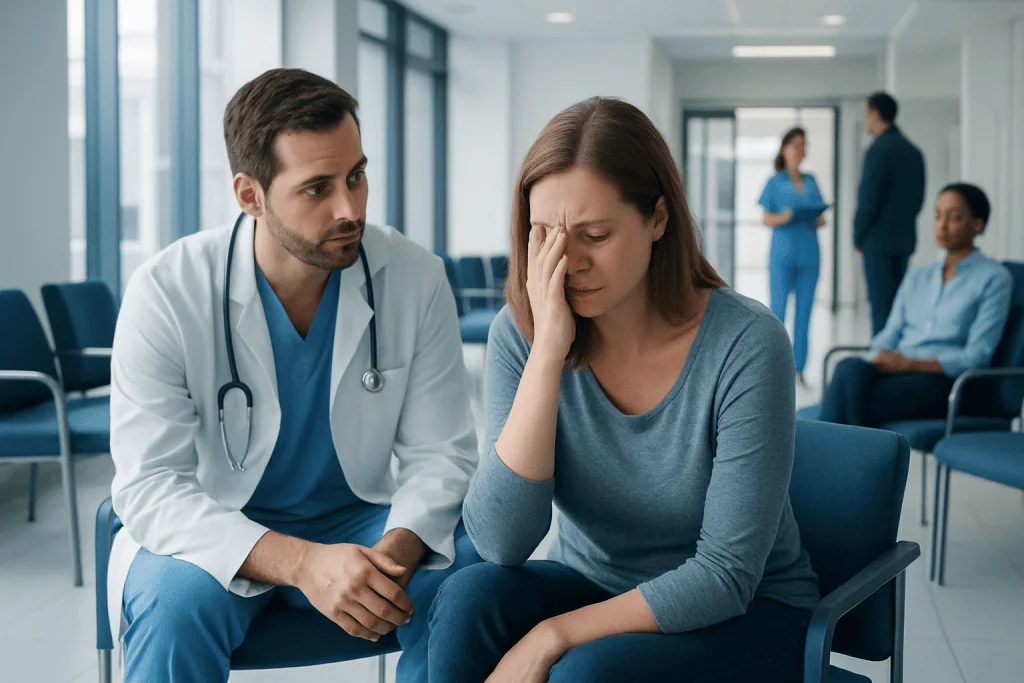
A miscarriage often feels like bleeding and cramping, but symptoms can range from very mild to more intense. Light spotting in early pregnancy is common and does not always mean pregnancy loss.
Key Takeaways
- A miscarriage often feels like bleeding and cramping, but symptoms can range from very mild to more intense.
- Light spotting in early pregnancy is common and does not always mean pregnancy loss.
- Heavy bleeding, severe pain, dizziness, fainting, fever, or one-sided pain need prompt medical attention.
- Doctors usually confirm the cause with a history, pelvic exam, blood tests, and ultrasound.
- Treatment depends on the situation and may include watchful waiting, medication, or a procedure.
What does a miscarriage feel like? For many people, it feels like vaginal bleeding and menstrual-like or stronger cramping, sometimes with passing clots or tissue, but symptoms can vary and some bleeding in early pregnancy is not a miscarriage. Because the sensations overlap with other causes of early pregnancy bleeding, a medical review is the safest way to understand what is happening.
Overview: what a miscarriage may feel like
When people ask, what does a miscarriage feel like, the most accurate answer is that it often feels like vaginal bleeding with cramping, but the experience is not the same for everyone. Some people notice only light spotting and mild cramps. Others have heavier bleeding, stronger wave-like cramps, back pain, and passage of clots or tissue. In some cases, there are no clear symptoms at all, and the pregnancy loss is found on ultrasound.
It is also important to know that early pregnancy bleeding is relatively common and can happen for reasons other than miscarriage. Spotting after implantation, irritation of the cervix, or other pregnancy-related changes may cause bleeding without pregnancy loss. That is why symptoms alone cannot confirm what is happening.
A reassuring but careful approach is helpful: many causes of mild bleeding are not dangerous, yet certain symptoms should never be ignored. Heavy bleeding that soaks pads quickly, severe abdominal pain, one-sided pelvic pain, fainting, shoulder pain, or fever needs urgent medical review because these signs can point to complications such as heavy blood loss, infection, or an ectopic pregnancy.
Common sensations and symptoms people describe
The most frequently reported symptom is vaginal bleeding. This may begin as pink or brown spotting and then become brighter red. For some, it stays light. For others, it becomes heavier than a usual period and may include clots. Bleeding can be steady or stop and start over several hours or days.
Cramping is the other common symptom. Many describe it as similar to menstrual cramps, while others feel stronger, rhythmic cramps that come in waves as the uterus contracts. Pain may be felt low in the abdomen, in the pelvis, or in the lower back. Some people also notice pressure in the pelvis.
Additional symptoms can include a sudden decrease in pregnancy symptoms, such as less nausea or breast tenderness, though this is not a reliable sign on its own. Passing grayish or pink tissue may occur in some miscarriages. Nausea, diarrhea, or feeling weak can happen when cramping is intense, but these symptoms are not specific and can occur with other conditions too.
- Light spotting or heavier bleeding
- Mild to strong cramping
- Lower back pain or pelvic pressure
- Passing clots or tissue
- A change in pregnancy symptoms
How symptoms can differ by stage and type of pregnancy loss
Early miscarriages, especially in the first trimester, may feel like a heavier, more painful period. Bleeding may increase over a few hours, and cramping may peak while tissue is passing. Afterward, both symptoms often begin to ease. In very early pregnancy, the bleeding may be hard to distinguish from a late menstrual period.
Not all miscarriages follow the same pattern. In a missed miscarriage, the pregnancy stops developing but there may be little or no bleeding or pain at first. Some people only learn there is a problem at a prenatal visit or ultrasound. In an incomplete miscarriage, some tissue remains in the uterus, which can lead to ongoing bleeding and cramps. In a complete miscarriage, the tissue has passed and symptoms often improve afterward.
Symptoms can also overlap with conditions that need different care. For example, bleeding with sharp one-sided pain or shoulder pain raises concern for pregnancy outside the uterus. Bleeding can also happen with a threatened miscarriage, where the cervix stays closed and the pregnancy may continue. Because these situations can feel similar, medical assessment is essential when symptoms appear.
When to seek medical care
Mild spotting without pain may not always be an emergency, but any bleeding during pregnancy should be discussed with a qualified clinician. The safest course is to contact an obstetrician, gynecologist, or emergency service if there is uncertainty, especially if the pregnancy has not yet been confirmed on ultrasound.
Prompt medical care is especially important if bleeding becomes heavy, if cramps are severe, or if there is worsening pain. Urgent assessment is also needed for dizziness, fainting, fever, chills, foul-smelling vaginal discharge, shoulder pain, or strong one-sided pelvic pain. These symptoms may suggest heavy blood loss, infection, or an ectopic pregnancy.
If tissue or large clots are passed, a doctor may advise keeping them in a clean container if this can be done safely, because it may help with evaluation. However, the priority is always the person’s safety and comfort. If there is severe pain, soaking through pads rapidly, feeling faint, or difficulty getting help, emergency care should be sought without delay.
What doctors do to find the cause
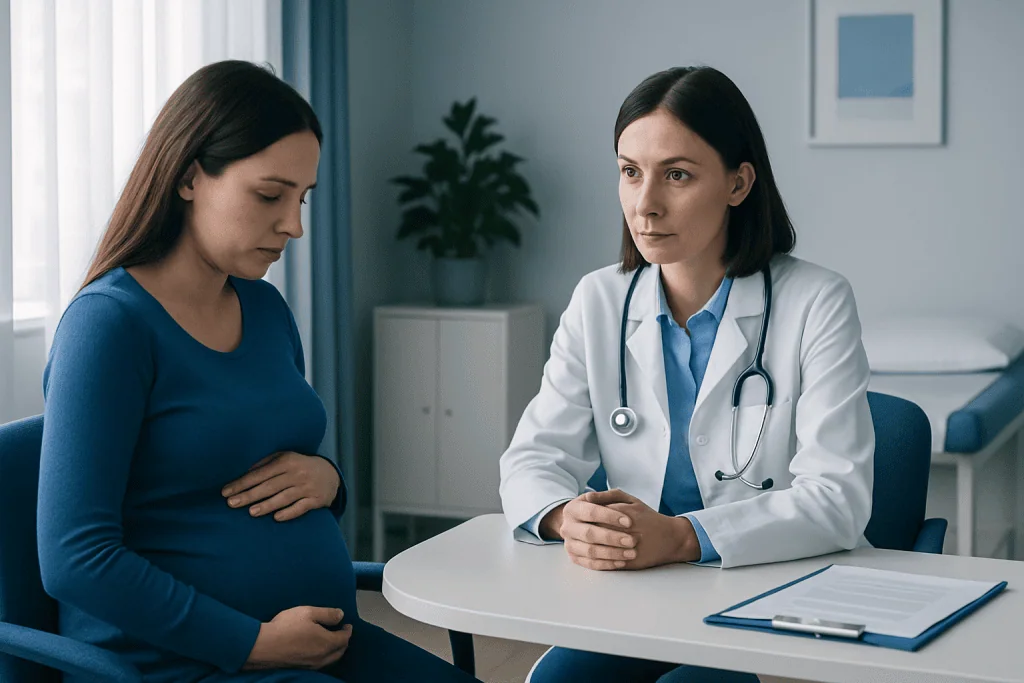
Doctors do not diagnose miscarriage based on symptoms alone. The first step is usually a careful medical history, including the amount of bleeding, the type of pain, the date of the last menstrual period, prior pregnancy history, and whether any pregnancy test or ultrasound has already been done. A physical or pelvic exam may help assess the cervix, bleeding, and tenderness.
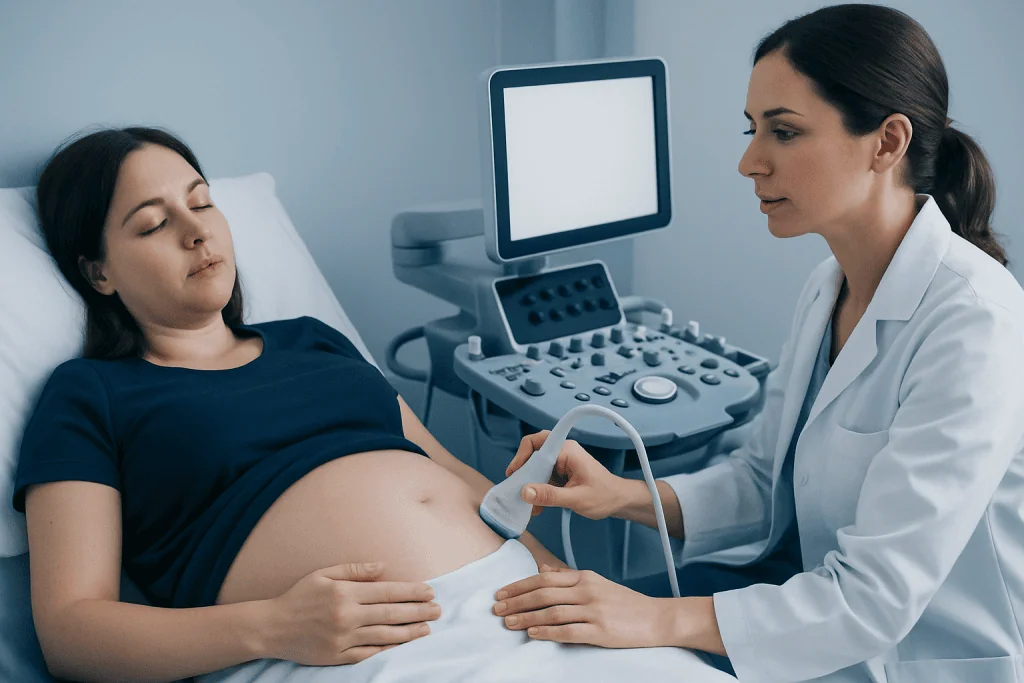
Ultrasound is one of the most important tools. It helps show whether the pregnancy is inside the uterus, how far along it may be, and whether there are signs of ongoing development. Blood tests may also be used, especially repeated measurements of pregnancy hormone levels over time. In some cases, blood type testing is needed to guide further care.
The goal of evaluation is not only to confirm or exclude miscarriage, but also to rule out other causes of pain and bleeding. Depending on the findings, doctors may recommend observation, repeat blood tests, repeat ultrasound, or treatment. If surgery or another gynecologic procedure is needed, this may be discussed in the context of obstetrics and gynecology care.
Treatment options after a miscarriage is confirmed
Treatment depends on the stage of pregnancy, the amount of bleeding, whether tissue has passed completely, and the person’s overall health and preferences. In some cases, watchful waiting is appropriate. This means allowing the body to pass the pregnancy tissue naturally over time while monitoring for signs of heavy bleeding or infection.
Medication may be recommended to help the uterus empty. In other situations, a minor procedure may be advised to remove tissue from the uterus, especially if bleeding is heavy, symptoms are prolonged, or tissue remains. Supportive care may include pain relief, follow-up blood tests or ultrasound, and advice about rest and recovery.
Future planning is also part of care. Some people need counseling about when to try for pregnancy again, what warning signs to watch for, or whether any further testing is needed after repeated losses. If there are concerns related to future fertility or recurrent pregnancy loss, referral for fertility and reproductive medicine support may be considered when appropriate.
Recovery, self-care, and emotional impact
Physical recovery after a miscarriage varies. Bleeding may continue for several days to a couple of weeks, usually becoming lighter over time. Cramping often improves after tissue has passed. A doctor may advise avoiding tampons, intercourse, or swimming for a short period, depending on the situation, to reduce infection risk while the body recovers.
Emotional recovery can take longer than physical healing. Feelings may include sadness, numbness, guilt, anger, or confusion, and these reactions are all understandable. A miscarriage is common, and in most cases it is not caused by anything the pregnant person did or did not do. Gentle reassurance and support from loved ones, a clinician, or a counselor can be very helpful.
Medical review is important if bleeding becomes heavier again, if fever develops, or if pain worsens instead of improving. For those with ongoing questions about causes, recurrence, or future pregnancy, follow-up with a gynecologist can provide clarity. Near the end of the care journey, some international patients may choose centers such as Acibadem International, where multidisciplinary specialists in JCI-accredited hospitals evaluate and treat pregnancy-related conditions, including pregnancy follow-up and related gynecologic care.
Frequently asked questions
Can a miscarriage feel like a period?
Yes. Many early miscarriages feel similar to a heavy or painful menstrual period, with bleeding and cramps. However, symptoms can be milder or stronger than a usual period, and only medical assessment can confirm the cause.
Is spotting always a sign of miscarriage?
No. Light spotting in early pregnancy can happen for several reasons and does not always mean pregnancy loss. Even so, any bleeding during pregnancy should be discussed with a healthcare professional.
What color is miscarriage bleeding?
Bleeding may be pink, brown, or bright red, and it can change over time. Color alone cannot show whether a miscarriage is happening, so the amount of bleeding, the presence of pain, and exam findings matter more.
How painful is a miscarriage?
Pain varies widely. Some people have mild cramping, while others have strong, wave-like cramps and back pain. Severe or one-sided pain should be checked urgently because it may suggest a complication or another condition.
Can a miscarriage happen without bleeding?
Yes. In a missed miscarriage, there may be little or no bleeding or pain at first. The pregnancy loss may only be found during an ultrasound or routine prenatal visit.
What tests confirm a miscarriage?
Doctors commonly use an ultrasound and blood tests for pregnancy hormone levels, along with a medical history and sometimes a pelvic exam. These tests help confirm whether a miscarriage has occurred and rule out conditions such as ectopic pregnancy.
References
- American College of Obstetricians and Gynecologists
- National Health Service
- Mayo Clinic
- Royal College of Obstetricians and Gynaecologists
This article is for general information only and is not a substitute for professional medical advice. Please consult a qualified doctor about your individual situation.
Joint and spine care in Turkey — expert assessment & treatment
JCI-accredited · board-certified surgeons · reply within 24h
Add us as a Preferred Source to see more of our trusted health content across Google Search, AI Overviews and Discover.