Muscle Fatigue: Possible Causes and When to Seek Care

Muscle fatigue means reduced muscle performance, heaviness, or weakness that can happen during activity or even at rest. Short-term muscle fatigue is often related to overuse, dehydration, poor sleep, stress, or minor illness.
Key Takeaways
- Muscle fatigue means reduced muscle performance, heaviness, or weakness that can happen during activity or even at rest.
- Short-term muscle fatigue is often related to overuse, dehydration, poor sleep, stress, or minor illness.
- Ongoing, severe, or unexplained muscle fatigue may be linked to nerve, muscle, metabolic, hormonal, or inflammatory conditions.
- Warning signs include trouble climbing stairs, repeated falls, shortness of breath, swallowing problems, or muscle fatigue that keeps getting worse.
- Evaluation may include a physical examination, blood tests, and sometimes nerve or muscle studies depending on the symptoms.
Muscle fatigue is a common symptom that describes muscles tiring more quickly, feeling weak, or struggling to do usual tasks. It often follows exercise, poor sleep, dehydration, or stress, but persistent or unexplained muscle fatigue can also point to medical conditions affecting the muscles, nerves, hormones, or overall health.
Overview: what muscle fatigue means
Muscle fatigue is the feeling that a muscle or group of muscles cannot keep working at its usual level. A person may notice heaviness, reduced strength, early tiring during activity, slower recovery after exertion, or a sense that simple movements take more effort than expected. In many cases, this is temporary and improves with rest, fluids, nutrition, and sleep.
Not all muscle fatigue is the same. Sometimes it follows a clear trigger such as strenuous exercise, heat exposure, a viral illness, or a poor night’s sleep. In other cases, it appears repeatedly, affects daily function, or comes with cramps, pain, numbness, drooping eyelids, or breathing difficulty. These patterns can help doctors decide whether the problem is mainly related to conditioning and lifestyle, or whether it may involve muscles, nerves, circulation, hormones, or another medical cause.
It can also help to distinguish muscle fatigue from general tiredness. General fatigue affects the whole body and often feels like low energy or lack of motivation. Muscle fatigue is more specific: the muscles themselves seem to tire, weaken, or fail to perform as usual. Some people experience both together, which can happen in infections, endocrine disorders, sleep problems, or chronic disease.
How muscle fatigue feels and where it may show up
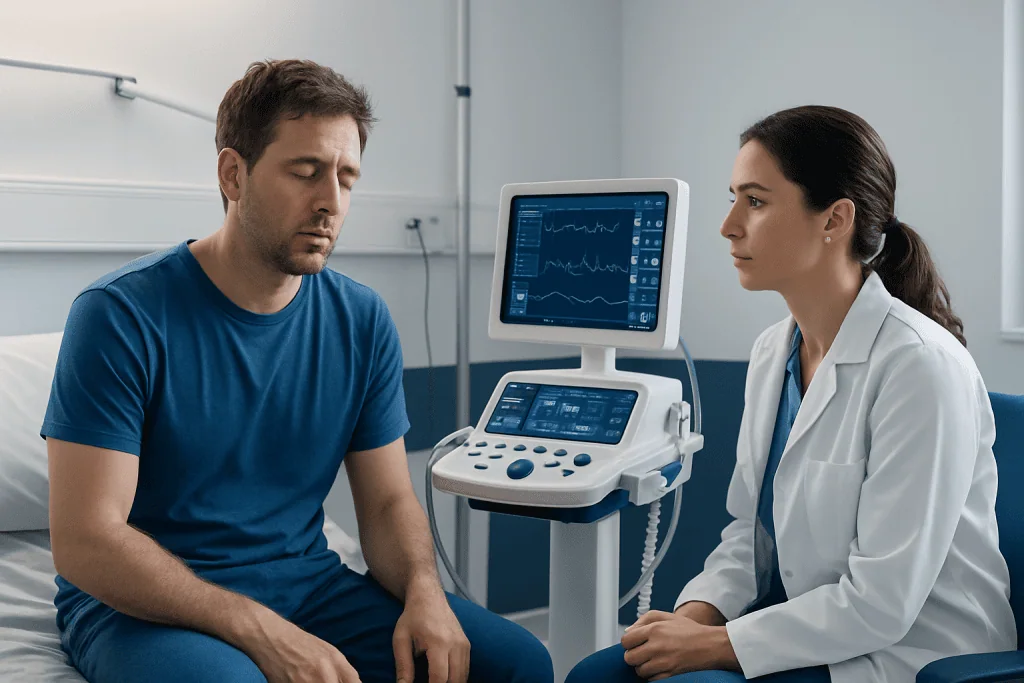
Muscle fatigue can affect one area, such as the legs after walking, or many areas at once. People often describe burning, shaking, heaviness, or reduced endurance. Some say they can start an activity normally but fade quickly, while others feel weak from the beginning. The location and timing matter: arm fatigue with overhead tasks, thigh fatigue on stairs, or facial muscle tiring while chewing can each suggest different causes.
Common symptoms that may occur with muscle fatigue include soreness, cramps, stiffness, trembling, slower movement, and difficulty maintaining posture. When the symptom is related to nerve or neuromuscular problems, a person may also notice numbness, tingling, muscle twitching, drooping eyelids, double vision, or changes in balance. If inflammation is present, there may be pain, tenderness, or swelling around the affected area.
Doctors also consider whether muscle fatigue appears only after exercise or is present even at rest. Exercise-related fatigue is often benign, especially when it improves within a day or two. Fatigue that becomes more frequent, happens with light activity, wakes a person at night, or interferes with work, walking, or self-care deserves a closer look.
- Heavy or tired legs during walking or climbing stairs
- Arms tiring quickly when lifting or reaching
- Reduced grip strength or dropping objects
- Shakiness or burning in the muscles during use
- Difficulty rising from a chair, chewing, or holding the head upright
Common causes and risk factors

The most common causes of muscle fatigue are everyday factors that temporarily reduce muscle performance. These include intense or unaccustomed exercise, poor conditioning, dehydration, low calorie intake, skipped meals, heat, alcohol use, stress, and poor sleep. Viral infections can also cause short-term muscle weakness or body aches, even before other symptoms become obvious.
Medications may contribute as well. Some medicines can affect muscle function, fluid balance, or energy use and may lead to fatigue, cramps, or weakness in some people. Low levels of minerals such as potassium, magnesium, or calcium, as well as anemia, can make muscles tire more quickly. Hormonal and metabolic conditions, including thyroid disease and diabetes, may also interfere with normal muscle function.
In some cases, muscle fatigue is related to a condition involving the nerves, muscles, or the connection between them. Examples include inflammatory muscle disease, neuropathy, and disorders that affect signal transmission between nerve and muscle such as myasthenia gravis. Ongoing back or neck problems can also lead to nerve compression and limb weakness, and some patients with multiple sclerosis describe muscle fatigability along with stiffness, imbalance, or numbness.
Risk factors depend on the underlying cause but often include older age, recent illness, inactivity, overtraining, chronic medical conditions, poor nutrition, sleep disorders, and exposure to high temperatures. A careful history is important because the pattern of symptoms often gives strong clues about why muscle fatigue is happening.
When muscle fatigue may signal a medical problem
Muscle fatigue deserves more attention when it is persistent, progressive, or out of proportion to recent activity. A person should be medically evaluated if symptoms last for weeks, recur often without a clear reason, or begin to limit normal activities such as walking, climbing stairs, lifting, speaking, or swallowing. The same is true if one side of the body is clearly weaker than the other.
Certain associated symptoms can suggest a more serious cause. These include muscle fatigue with shortness of breath, chest discomfort, fever, dark urine, significant swelling, severe muscle pain, confusion, or fainting. Problems such as facial drooping, sudden weakness, slurred speech, or a sudden inability to move an arm or leg require urgent assessment because they may reflect a neurological emergency rather than simple overexertion.
Even when the cause is not urgent, timely evaluation matters if there are signs of a nerve or muscle disorder. Examples include repeated falls, visible muscle wasting, new tremor, eyelid drooping, double vision, or fatigue that worsens later in the day. These patterns may prompt referral to neurology, rehabilitation, endocrinology, or another specialty depending on the broader clinical picture.
How doctors diagnose the cause
Diagnosis starts with a detailed conversation about the symptom itself. Doctors usually ask when the muscle fatigue began, which muscles are affected, what brings it on, how long it lasts, and whether it improves with rest. They also ask about exercise habits, sleep, fluid intake, diet, stress, infections, medications, and family history. This information helps separate common short-term causes from symptoms that need deeper testing.
The physical examination often focuses on strength, reflexes, sensation, gait, coordination, balance, muscle tone, and signs of inflammation or injury. The doctor may look for patterns such as weakness in the shoulders and hips, asymmetry between the sides of the body, or muscle fatigue that develops after repeated movement. These details can point toward a muscular, neurological, metabolic, or orthopedic cause.
Tests are chosen based on the likely diagnosis. Blood tests may check for anemia, infection, thyroid problems, electrolyte imbalance, kidney or liver problems, inflammation, vitamin deficiencies, or muscle enzyme elevation. In selected cases, imaging, nerve conduction studies, electromyography, or sleep assessment may be helpful. If spinal nerve compression is suspected, a doctor may recommend MRI scanning to assess the relevant area.
Some patients also benefit from specialist evaluation. Neurologists may investigate suspected neuromuscular conditions, while rehabilitation specialists can assess deconditioning, movement patterns, and recovery after injury. If weakness appears related to the spine or compressed nerves, treatment planning may involve physical therapy and rehabilitation as part of a structured approach.
Treatment options depend on the cause
There is no single treatment for muscle fatigue because the best approach depends on why it is happening. For short-term fatigue related to exertion, the mainstays are rest, hydration, balanced meals, gradual return to activity, and adequate sleep. If overtraining is the cause, adjusting workout intensity and allowing recovery time usually helps. Many people improve once the trigger is identified and corrected.
When an underlying medical problem is present, treatment focuses on that condition. This may involve managing thyroid disease, diabetes, anemia, infection, inflammation, medication side effects, or a sleep disorder. If muscle fatigue is related to a neuromuscular condition, care may include targeted medication, supervised rehabilitation, and regular follow-up to monitor strength, function, and breathing or swallowing when needed.
For people with nerve compression, spine disorders, or pain-limited movement, conservative treatment often includes exercise therapy, posture advice, and symptom control. In selected cases, specialists may evaluate whether procedures or surgery are appropriate, such as spine surgery when structural compression is severe and clearly linked to symptoms. Treatment decisions are individualized and should be guided by a qualified clinician.
Near the end of the evaluation process, some patients also need coordinated multidisciplinary care. Acibadem International’s multidisciplinary specialists and JCI-accredited hospitals diagnose and treat conditions associated with muscle fatigue for international patients when advanced assessment or specialty treatment is needed.
Self-care, prevention, and building muscle endurance safely
Many episodes of muscle fatigue can be reduced with practical daily habits. Regular physical activity helps muscles use energy more efficiently, but sudden increases in intensity can do the opposite. A gradual exercise plan that includes warm-up, strength work, flexibility, and recovery days is usually easier for the body to tolerate than occasional intense sessions.
Hydration and nutrition are also important. Muscles need fluids, protein, and sufficient calories to recover and function well. A balanced eating pattern, especially around exercise or illness, can reduce the chance of fatigue caused by low energy availability. Sleep should not be overlooked: poor sleep affects the brain, hormones, and muscles together, making even mild physical tasks feel harder.
Self-care works best when it is specific and consistent:
- Increase exercise gradually rather than doing too much too soon
- Drink enough fluids, especially in hot weather or during workouts
- Eat regular, balanced meals and avoid prolonged under-fueling
- Prioritize sleep and recovery after strenuous activity
- Review medications with a doctor if new fatigue began after starting one
- Seek medical advice if fatigue is persistent, worsening, or unexplained
Keeping a simple symptom diary can also help. Noting when fatigue occurs, which muscles are affected, and what activities trigger it may make patterns clearer for both the individual and the doctor.
A short guide to when to seek medical care
Prompt medical advice is sensible when muscle fatigue does not improve as expected or begins to interfere with normal life. A routine appointment is appropriate for symptoms that last more than a few weeks, keep recurring, or come with cramps, numbness, noticeable weakness, or poor exercise tolerance. It is also reasonable to seek care sooner if there is a known chronic illness such as thyroid disease, diabetes, or a neurological disorder.
Urgent care is important if muscle fatigue is accompanied by severe weakness, trouble breathing, trouble swallowing, chest pain, sudden one-sided weakness, fainting, fever with severe muscle pain, or dark urine after intense exertion. These symptoms need prompt assessment because they can signal complications that should not be managed at home.
When in doubt, a qualified doctor can help determine whether the symptom is a normal response to activity or part of a broader health problem. Early evaluation is especially helpful when the pattern suggests a disorder of the muscles, nerves, or spine, since timely diagnosis can guide more effective treatment and safer recovery.
Frequently asked questions
Is muscle fatigue the same as muscle weakness?
Not exactly. Muscle fatigue usually means a muscle tires quickly or cannot keep performing at its usual level, while muscle weakness means reduced force even when the person tries fully. The two can happen together, which is why a medical evaluation may be useful if the symptom is persistent.
Can dehydration cause muscle fatigue?
Yes. Dehydration can affect circulation, temperature control, and the balance of minerals that muscles need to work properly. This may lead to heaviness, cramps, reduced endurance, or shakiness, especially during exercise or in hot weather.
Why do my legs feel fatigued so quickly?
Leg muscle fatigue can happen after overuse, poor conditioning, dehydration, or lack of sleep. It can also be linked to circulation problems, nerve compression in the spine, anemia, or neurological conditions. If leg fatigue is new, persistent, or associated with pain, numbness, or falls, a doctor should assess it.
Can stress and poor sleep make muscle fatigue worse?
Yes. Stress and sleep deprivation can reduce physical recovery and make the body feel more effort with routine activity. They may not be the only cause, but they commonly contribute to muscle tiredness and slower recovery.
When should someone worry about muscle fatigue?
A person should seek medical advice if muscle fatigue lasts for weeks, keeps returning without a clear reason, or limits normal daily tasks. Urgent care is needed if it comes with shortness of breath, swallowing trouble, chest pain, sudden weakness, or severe symptoms after exercise.
What tests might be done for muscle fatigue?
Doctors often begin with a history, physical examination, and blood tests to look for anemia, thyroid problems, electrolyte imbalance, infection, inflammation, or muscle injury. Depending on the symptoms, they may also use imaging, nerve conduction tests, electromyography, or specialist assessments.
References
- National Institute of Neurological Disorders and Stroke
- National Institute of Arthritis and Musculoskeletal and Skin Diseases
- MedlinePlus
- Mayo Clinic
- Cleveland Clinic
This article is for general information only and is not a substitute for professional medical advice. Please consult a qualified doctor about your individual situation.
Explore treatments in Turkey — costs, top hospitals & a free quote
JCI-accredited · board-certified surgeons · reply within 24h
Add us as a Preferred Source to see more of our trusted health content across Google Search, AI Overviews and Discover.
Check your numbers in seconds
BMI, calories, due date, blood pressure and 30+ more clinical calculators — free, instant, doctor-reviewed ranges.