

Ankle Bursa: A Complete Medical Overview
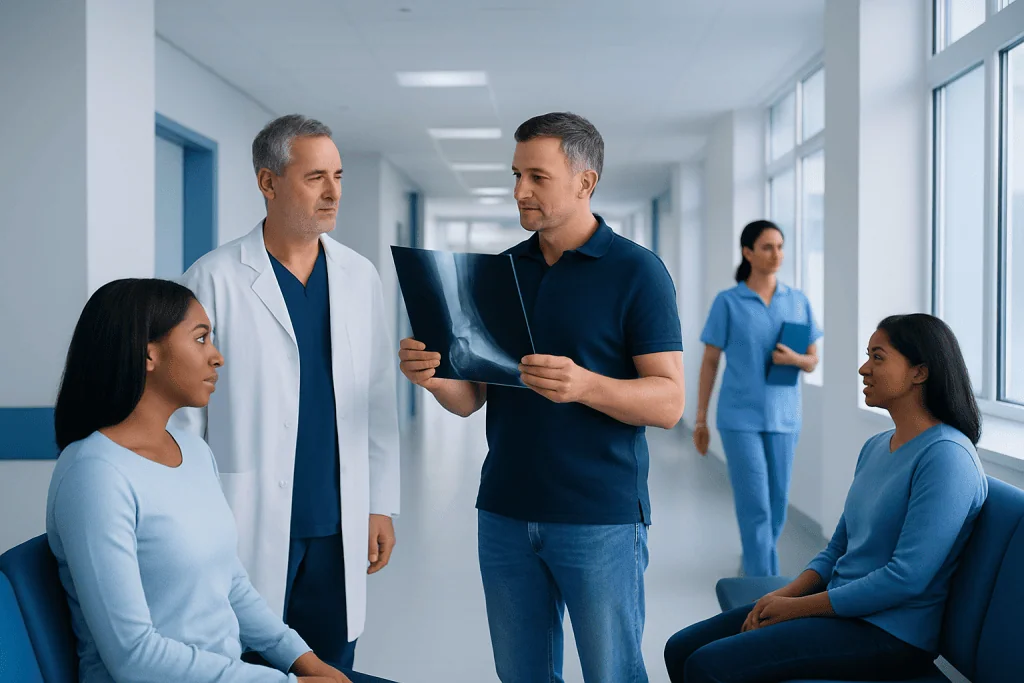
The ankle bursa helps cushion tissues and reduce friction around the ankle. Inflammation of the bursa, often called bursitis, may cause swelling, tenderness, warmth, and pain with activity.
Key Takeaways
- The ankle bursa helps cushion tissues and reduce friction around the ankle.
- Inflammation of the bursa, often called bursitis, may cause swelling, tenderness, warmth, and pain with activity.
- Common triggers include repetitive pressure, overuse, poorly fitting footwear, injury, and certain inflammatory conditions.
- Diagnosis is usually based on symptoms, physical examination, and sometimes imaging or fluid testing.
- Most people improve with rest, footwear changes, anti-inflammatory care, and treatment of the underlying cause.
- Medical review is important if symptoms are severe, recurrent, or associated with fever, redness, or inability to bear weight.
An ankle bursa is a small fluid-filled sac that helps reduce friction between tendons, skin, bone, and other tissues around the ankle. When this sac becomes irritated or inflamed, it can cause ankle pain, swelling, tenderness, and discomfort with walking or movement.
Overview: what the ankle bursa is
An ankle bursa is a small, thin sac lined with specialized tissue and filled with a small amount of fluid. Its role is to reduce friction where tendons, skin, ligaments, and bone move close together. Around the ankle and heel, bursae act like cushions, helping movement stay smooth during walking, running, climbing stairs, and standing for long periods.
When an ankle bursa becomes irritated, it may swell and produce more fluid than usual. This leads to bursitis, which means inflammation of the bursa. Although people often use the phrase “ankle bursa” to describe the problem itself, the concern is usually an inflamed bursa near the ankle, especially around the back of the heel or areas exposed to pressure from shoes.
Several bursae may be involved around the ankle region. One of the best known is the retrocalcaneal bursa, located between the Achilles tendon and the heel bone. Another is the superficial calcaneal bursa, which lies between the skin and the Achilles tendon. Because symptoms in this area can overlap with tendon problems, sprains, or arthritis, a proper evaluation helps identify the exact cause.
How ankle bursa problems feel
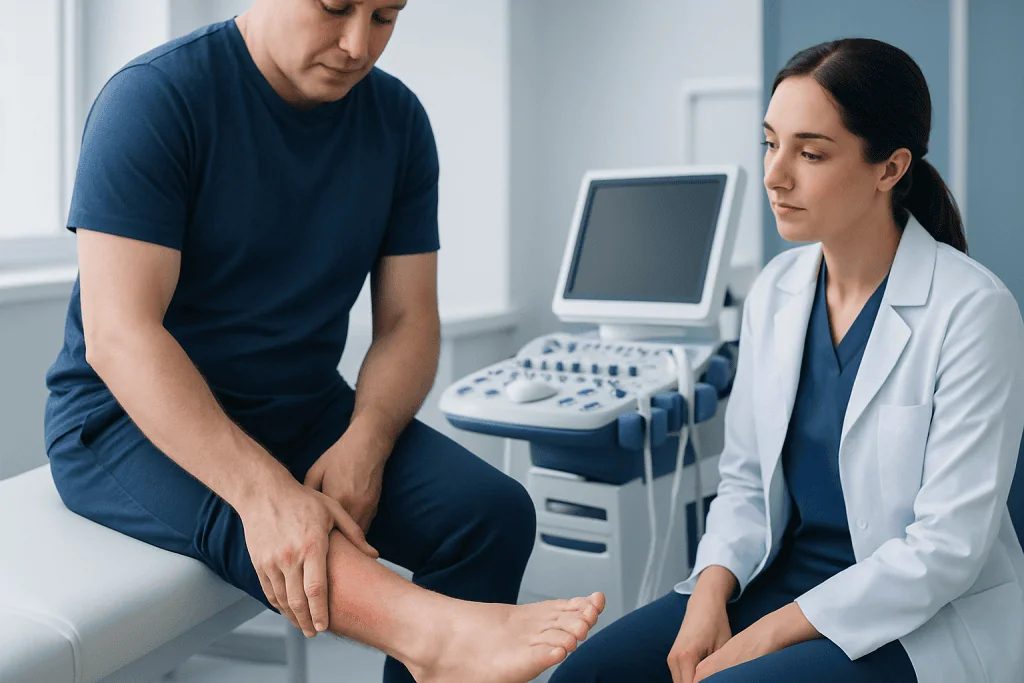
Symptoms can vary from mild irritation to more limiting pain. Many people notice a tender, swollen area around the back or side of the ankle, especially where shoes rub. Pain may begin gradually with overuse or appear more suddenly after a direct blow, a long walk, a change in footwear, or an increase in exercise intensity.
Typical symptoms include discomfort when walking, climbing stairs, or pointing the foot. The area may feel warm, look slightly red, or become more painful after activity. If the bursa sits close to the skin, even light pressure from a shoe can be uncomfortable.
Common symptoms of an inflamed ankle bursa include:
- Localized swelling or a visible lump
- Tenderness to touch
- Pain with movement or pressure
- Warmth over the area
- Stiffness, especially after rest
- Difficulty wearing certain shoes comfortably
Symptoms can resemble other ankle conditions. For example, Achilles tendon irritation, heel bone irritation, or inflammatory joint disease may also cause pain at the back of the ankle. This is one reason persistent symptoms should be assessed rather than self-diagnosed.
Why an ankle bursa becomes inflamed
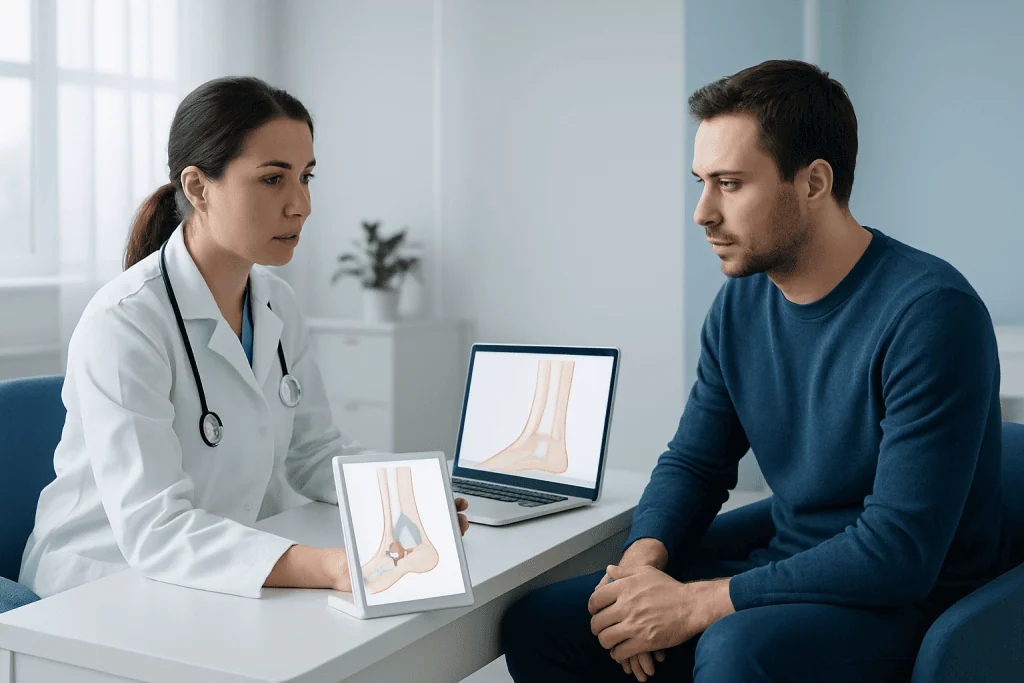
The most common reason for ankle bursa irritation is repeated friction or pressure. Tight or stiff-backed shoes can rub against the heel, while repetitive sports such as running, jumping, dancing, or long-distance walking can place stress on the tissues around the ankle. A sudden increase in training or standing for long periods may also contribute.
Direct injury is another possible cause. A fall, bump, or impact can trigger bleeding or inflammation within the bursa. Structural factors may matter too. For example, foot shape, ankle alignment changes, tight calf muscles, or a prominent heel bone can increase pressure in the region and make bursitis more likely.
Sometimes the bursa becomes inflamed as part of a broader medical issue. Inflammatory conditions such as rheumatoid arthritis, gout, and other crystal or autoimmune disorders can affect bursae. Infection is less common but important to rule out, especially if the area is very red, hot, or associated with fever.
Risk factors may include:
- Repetitive sports or occupational strain
- Poorly fitting footwear
- Recent ankle or heel injury
- Tight calf muscles or Achilles tendon tightness
- Abnormal foot mechanics
- Inflammatory arthritis or gout
- Previous bursitis episodes
How doctors diagnose ankle bursa conditions
Diagnosis usually begins with a detailed history and physical examination. A doctor will ask where the pain is located, how long symptoms have been present, what makes them worse, and whether there has been injury, fever, recent infection, or a history of arthritis. Footwear, sports activity, and work habits may also provide useful clues.
During the examination, the doctor checks for swelling, tenderness, warmth, and range of motion. They may assess the Achilles tendon, ankle ligaments, heel bone, gait, and foot alignment. This helps distinguish bursitis from problems such as tendonitis, sprains, fractures, or joint inflammation. In some cases, symptoms may overlap with Achilles tendonitis, so careful examination is important.
Imaging is not always necessary, but it can be helpful when the diagnosis is uncertain or symptoms do not improve. Ultrasound can show fluid within a bursa and guide aspiration if needed. X-rays may reveal bone spurs, alignment issues, or other bony causes of irritation. MRI may be considered if there is concern about deeper soft tissue injury or if another diagnosis is being considered.
If infection, gout, or another inflammatory condition is suspected, a doctor may recommend blood tests or remove a small sample of bursal fluid for analysis. This is especially useful when the area is very swollen, red, unusually painful, or repeatedly recurring.
Treatment options and what recovery may involve
Treatment depends on the cause, severity, and whether there is infection or an associated tendon or joint condition. Many cases improve with conservative care. Resting from aggravating activities, reducing pressure from footwear, applying ice, and using anti-inflammatory measures can help calm symptoms. Supportive shoes, heel lifts, padding, or orthotic adjustments may reduce friction at the back of the ankle.
Doctors may also recommend a guided rehabilitation plan to improve flexibility, calf muscle length, ankle mechanics, and gradual return to activity. In people with persistent symptoms, physical therapy and rehabilitation may help restore movement and reduce repeated irritation. If an underlying inflammatory disease is contributing, treating that condition is an important part of recovery.
When swelling is significant or symptoms continue despite initial care, a doctor may consider draining fluid from the bursa or using other targeted treatments. In selected cases, imaging may support evaluation through orthopedic and traumatology services, especially when structural problems or chronic pain are involved. Surgery is uncommon, but it may be discussed if symptoms are severe, recurrent, and clearly linked to ongoing mechanical irritation that does not respond to other measures.
If there are signs of infection, treatment is different and should not be delayed. An infected bursa may require aspiration, laboratory testing, antibiotics, and close follow-up. Any invasive treatment should be guided by a qualified clinician rather than attempted at home.
Self-care, prevention, and daily habits that help
Prevention focuses on limiting repeated friction and managing strain around the ankle. Footwear matters more than many people expect. Shoes that fit well, provide support, and do not press excessively on the heel can reduce irritation of the superficial bursae. Athletes and active adults may benefit from a gradual training progression rather than sudden increases in distance, intensity, or hill work.
Stretching and strengthening may also help, especially when tight calf muscles or Achilles tension are contributing to pressure at the back of the heel. Regular warm-up, attention to exercise form, and rest days can support tissue recovery. If symptoms start, early action is often helpful: reducing aggravating activity, using cold packs for short periods, and avoiding the footwear that triggered the pain may prevent progression.
Helpful self-care measures can include:
- Wearing cushioned, well-fitting shoes
- Avoiding repetitive pressure on the sore area
- Using heel pads or protective padding if advised
- Stretching the calf muscles gently
- Returning to sport gradually after symptoms improve
- Managing underlying conditions such as arthritis or gout with medical guidance
If recurring ankle pain is related to gait or structural issues, a broader assessment may be useful. In some people, symptoms occur alongside other musculoskeletal conditions, such as ankle sprain recovery problems or chronic overuse patterns, and these may need parallel care.
When to seek medical care
Medical review is advisable if ankle swelling or pain lasts more than a few days, keeps returning, or interferes with walking, exercise, work, or sleep. A doctor should also assess symptoms that begin after a significant injury, especially if there is marked bruising, sudden weakness, or difficulty bearing weight.
Prompt care is more important if the area is very red, hot, rapidly swelling, or associated with fever or feeling unwell, because these may be signs of infection. Medical attention is also recommended for people with diabetes, immune system problems, inflammatory arthritis, or a history of gout, as these conditions can change the diagnosis and treatment plan.
Assessment may involve a musculoskeletal, rheumatology, or imaging review depending on the suspected cause. When symptoms are complex or recurrent, doctors may use MRI or other tests to clarify the diagnosis. Near the end of the care pathway, some international patients choose centers such as Acibadem International, where multidisciplinary specialists in JCI-accredited hospitals evaluate and treat ankle and soft tissue conditions.
Frequently asked questions
What is the ankle bursa?
The ankle bursa is a small fluid-filled sac that helps reduce friction between tissues around the ankle and heel. When it becomes irritated or inflamed, it can cause pain, swelling, and tenderness.
Is ankle bursitis the same as Achilles tendonitis?
No, although the symptoms can feel similar, they affect different structures. Bursitis involves the cushioning sac, while Achilles tendonitis affects the tendon itself. Sometimes both problems can occur together.
Can ankle bursa inflammation go away on its own?
Mild cases often improve with rest, activity modification, and removing the source of pressure, such as irritating footwear. However, symptoms that persist, recur, or worsen should be evaluated by a doctor.
What causes an ankle bursa to swell?
Swelling usually happens because of friction, overuse, direct injury, or pressure from shoes. It can also be linked to inflammatory conditions such as gout or rheumatoid arthritis, and more rarely to infection.
How is an ankle bursa problem diagnosed?
Doctors usually diagnose it with a medical history and physical examination. If needed, imaging such as ultrasound, X-ray, or MRI may be used, and fluid testing may be recommended if infection or gout is suspected.
When should someone worry about ankle bursitis?
Medical care should be sought if the ankle is very red, hot, severely painful, or if there is fever, rapid swelling, or trouble walking. These features may suggest infection or another condition that needs prompt treatment.
This article is for general information only and is not a substitute for professional medical advice. Please consult a qualified doctor about your individual situation.
Joint and spine care in Turkey — expert assessment & treatment
JCI-accredited · board-certified surgeons · reply within 24h
Add us as a Preferred Source to see more of our trusted health content across Google Search, AI Overviews and Discover.

More from the Health Library

Status Epilepticus: A Complete Medical Overview

Prevagen Cost: An Evidence-Based Guide for Patients

Eczema on Neck: A Complete Medical Overview

Lavender oil benefits: A Complete Medical Guide for Patients
Iq Scale: An Evidence-Based Guide for Patients

Head Injury: An Evidence-Based Guide for Patients
Orthopedic Surgery & Traumatology Specialists at Acibadem

Dr. Buğra Alpan
Orthopedic Surgery & Traumatology
Dr. Bülent Özmen
Orthopedic Surgery & Traumatology
Dr. Bülent Yücel
Orthopedic Surgery & Traumatology
Prof. Dr. Burak Akan
Orthopedic Surgery & Traumatology