Popliteal Pulse: A Complete Medical Overview

The popliteal pulse is checked behind the knee to help assess circulation to the lower leg. A difficult-to-feel popliteal pulse is not always abnormal, because this pulse can be naturally hard to detect.
Key Takeaways
- The popliteal pulse is checked behind the knee to help assess circulation to the lower leg.
- A difficult-to-feel popliteal pulse is not always abnormal, because this pulse can be naturally hard to detect.
- Changes in the popliteal pulse may suggest peripheral artery disease, blood vessel narrowing, or less commonly an aneurysm.
- Doctors usually interpret the popliteal pulse together with symptoms, other leg pulses, blood pressure testing, and imaging if needed.
- New leg pain, coldness, numbness, color change, or sudden weakness needs prompt medical assessment.
The popliteal pulse is the pulse of the popliteal artery felt behind the knee, and it is used to help check blood flow to the lower leg and foot. While it can be harder to feel than some other pulses, it remains a useful part of a circulation exam when performed by a trained clinician.
Overview: what the popliteal pulse is
The popliteal pulse is the pulse felt in the popliteal artery, the main blood vessel that passes behind the knee. In simple terms, it reflects the flow of blood traveling from the thigh toward the lower leg and foot. Clinicians check it as part of a physical examination when they want to understand whether blood is reaching the leg normally.
This pulse is deeper and less easy to feel than the pulse at the wrist or the top of the foot. For that reason, even in healthy people, it may be faint or difficult to locate. A healthcare professional does not judge it in isolation; instead, they compare it with pulses in both legs and with a person’s symptoms, skin temperature, and overall circulation findings.
The popliteal pulse matters because it can offer clues about circulation problems such as narrowing of the leg arteries, reduced blood flow, or, less commonly, enlargement of the artery behind the knee. It is one piece of the wider vascular assessment that may also include checking the femoral, posterior tibial, and dorsalis pedis pulses.
Where it is located and how it is checked
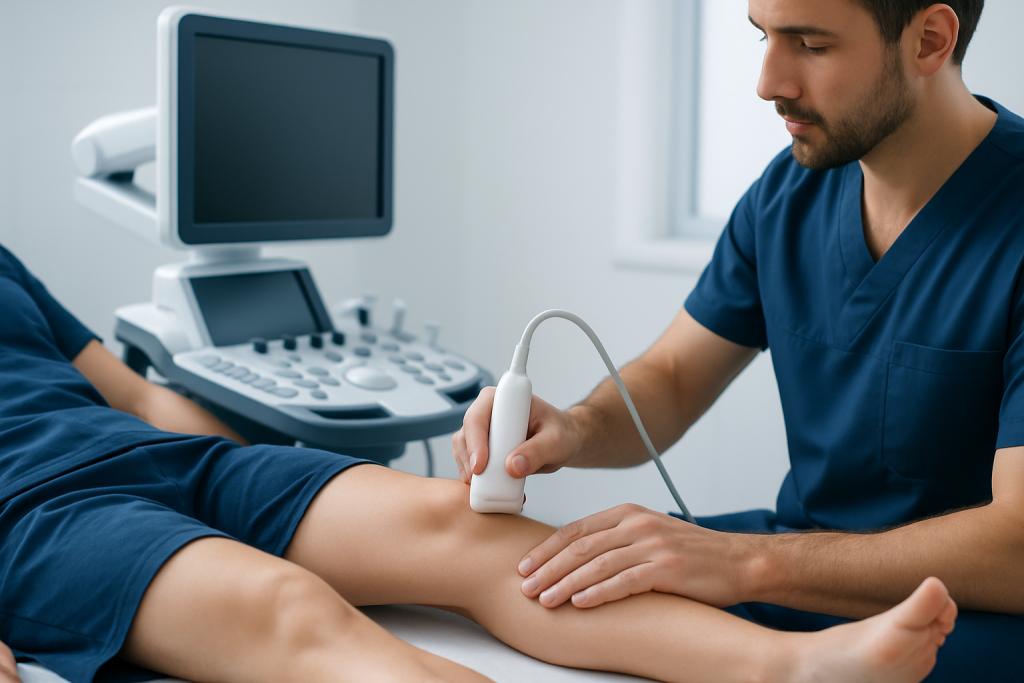
The popliteal artery lies in the hollow at the back of the knee, called the popliteal fossa. To examine the pulse, a clinician usually asks the person to relax the knee slightly. The examiner places both hands around the knee and gently presses deep into the center of the area behind it to try to feel the artery.
Because the vessel sits deep under muscle and soft tissue, the pulse is often subtle. Body size, muscle tone, swelling, and the exact position of the knee can all affect how easy it is to find. This is one reason patients should not be concerned if they cannot locate their own popliteal pulse at home.
When clinicians document this pulse, they may describe whether it is present, reduced, or absent, and whether it feels equal on both sides. They also look for signs such as cool skin, delayed capillary refill, ulcers, or color changes that might support or clarify the pulse finding.
What an abnormal popliteal pulse can mean

A normal popliteal pulse suggests that blood is moving through the artery behind the knee, but by itself it does not rule out all circulation problems. A reduced or absent pulse may indicate decreased blood flow to the lower leg. Common reasons include narrowing or blockage in the arteries from atherosclerosis, also called hardening of the arteries, or a blood clot that interrupts circulation.
Sometimes the issue is not only whether the pulse is present, but how it feels. A bounding or unusually prominent pulse may occur in some situations when blood flow dynamics are altered. In rare cases, an enlarged popliteal artery, called a popliteal artery aneurysm, may be suspected if there is a pulsating swelling behind the knee or signs of poor circulation to the foot.
Doctors also consider the wider picture. Leg pain with walking that improves with rest, known as claudication, may point to peripheral artery disease. Sudden severe pain, numbness, pallor, or coldness may raise concern for acute loss of blood flow and needs urgent assessment. Nerve, muscle, or joint problems around the knee can cause discomfort too, but they do not usually change the pulse itself.
Symptoms that may be linked to popliteal pulse changes
Many people with a difficult-to-feel popliteal pulse have no symptoms at all, especially if the pulse is simply hard to detect because of anatomy. However, when a pulse change reflects reduced blood supply, symptoms may develop in the leg or foot. These can appear gradually or suddenly depending on the cause.
Symptoms that may accompany an abnormal popliteal pulse include:
- Cramping or aching in the calf during walking
- Leg fatigue with activity
- Coldness in one foot or lower leg
- Numbness or tingling
- Pale, bluish, or shiny skin
- Slow-healing sores on the foot or toes
- Weak or absent pulses in the foot
If there is swelling behind the knee, a feeling of fullness, or pressure on nearby nerves, a popliteal artery aneurysm or another mass may need to be considered. Pain behind the knee can also come from a Baker cyst, which is a fluid-filled swelling rather than an artery problem. This is why symptoms, examination, and imaging are often considered together.
In severe circulation problems, the leg may become suddenly painful, cold, pale, or weak. This pattern can represent an emergency because tissues need a steady blood supply to survive.
How doctors evaluate the popliteal pulse
Assessment begins with a medical history and physical examination. The doctor asks about leg pain, walking distance, smoking, diabetes, high blood pressure, cholesterol, prior blood clots, and any history of vascular disease. They then compare pulses in both legs and feet and check for skin changes, temperature differences, and signs of poor wound healing.
If more information is needed, noninvasive tests can help measure and visualize blood flow. One common test is the ankle-brachial index, which compares blood pressure in the ankle and the arm. This can help detect circulation problems even when a pulse is difficult to feel on examination.
Ultrasound with Doppler is often the next step because it can show how blood moves through the artery and whether there is narrowing, blockage, or an aneurysm. Depending on the situation, doctors may also use vascular ultrasound, CT angiography, or MR angiography to map the arteries in more detail. If the concern relates to broader vessel disease, evaluation may overlap with the workup used for atherosclerosis.
Treatment options when a problem is found
Treatment depends on the cause of the abnormal popliteal pulse rather than the pulse finding alone. If reduced blood flow is related to artery narrowing, treatment often starts with risk factor control and supervised exercise, along with medicines a doctor may prescribe to reduce cardiovascular risk. Stopping smoking, controlling diabetes, and managing blood pressure and cholesterol are especially important.
When circulation problems are more significant, doctors may recommend procedures to improve blood flow. Depending on the anatomy and severity, options can include minimally invasive treatment such as angioplasty and stent placement or surgery to reroute blood around a blocked artery using bypass surgery. The choice depends on symptoms, imaging results, and a person’s overall health.
If a popliteal artery aneurysm is present, treatment may be advised to reduce the risk of clotting or downstream blockage. The repair approach can be open or endovascular in selected cases. At the end of the care pathway, a multidisciplinary vascular team may coordinate diagnosis, imaging, medical treatment, and procedures. Acibadem International’s multidisciplinary specialists and JCI-accredited hospitals diagnose and treat vascular conditions for international patients when this is needed.
Prevention and self-care for healthy leg circulation
People cannot improve the popliteal pulse directly on their own, but they can support healthy circulation. Daily habits play a major role in protecting blood vessels over time. This is especially relevant for people with diabetes, high blood pressure, high cholesterol, a history of smoking, or a family history of vascular disease.
Helpful self-care steps include:
- Not smoking or seeking support to quit
- Staying physically active within a doctor’s advice
- Managing blood sugar, blood pressure, and cholesterol
- Maintaining a healthy weight
- Wearing well-fitting shoes and checking the feet regularly
- Seeking care for leg wounds that do not heal
It is generally not necessary for most people to monitor the popliteal pulse at home. Because it is deep and difficult to locate, self-checking can cause confusion or unnecessary worry. A better approach is to pay attention to symptoms such as new exertional calf pain, persistent cold feet, numbness, skin color changes, or sores, and to discuss them with a qualified doctor.
When to seek medical care
Medical advice is appropriate if there is recurring calf pain with walking, one leg feels colder than the other, a foot wound is slow to heal, or there is a new swelling or throbbing sensation behind the knee. These symptoms do not always mean a serious arterial problem, but they do justify a professional evaluation.
Urgent medical care is needed if a leg or foot becomes suddenly cold, pale, blue, numb, weak, or severely painful, or if pulses in the foot seem to disappear abruptly. These symptoms can signal a sudden loss of blood flow and should be treated as an emergency.
People with known diabetes, kidney disease, smoking history, or established vascular disease may benefit from earlier assessment because circulation problems can develop gradually and may be overlooked at first. Prompt evaluation can help clarify the cause and guide the safest next steps.
Frequently asked questions
What is the popliteal pulse?
The popliteal pulse is the pulse of the popliteal artery felt behind the knee. Doctors use it as part of a circulation exam to help assess blood flow to the lower leg and foot.
Is it normal not to feel the popliteal pulse easily?
Yes. The popliteal pulse is often harder to feel than other pulses because the artery lies deep behind the knee. A difficult-to-feel pulse does not automatically mean there is a circulation problem.
What can cause an absent popliteal pulse?
An absent or weak popliteal pulse may occur if blood flow is reduced by artery narrowing, a blockage, or less commonly an aneurysm affecting circulation. It can also be difficult to detect because of body build, swelling, or examination technique.
Can I check my own popliteal pulse at home?
Most people do not need to check it themselves. Because the artery is deep, self-examination is often unreliable and may lead to unnecessary concern. It is better to seek medical advice if there are leg symptoms or circulation concerns.
How do doctors confirm whether a popliteal pulse problem is serious?
They combine the physical exam with a person's symptoms and medical history. If needed, they may use tests such as an ankle-brachial index or Doppler ultrasound to assess blood flow more accurately.
Does a painful area behind the knee always mean an artery problem?
No. Pain or swelling behind the knee can have several causes, including joint or fluid-related conditions such as a Baker cyst. An artery problem is only one possibility, which is why proper evaluation matters.
References
- American Heart Association
- National Heart, Lung, and Blood Institute
- Society for Vascular Surgery
- MedlinePlus
- Merck Manual Consumer Version
This article is for general information only and is not a substitute for professional medical advice. Please consult a qualified doctor about your individual situation.
Joint and spine care in Turkey — expert assessment & treatment
JCI-accredited · board-certified surgeons · reply within 24h
Add us as a Preferred Source to see more of our trusted health content across Google Search, AI Overviews and Discover.

More from the Health Library

Erythrophobia — Explained by Medical Evidence, Not Myths

Apneic: A Complete Medical Overview

Healthy Fruits: An Evidence-Based Guide for Patients

Pectus Carinatum: What Patients Need to Know

Ear Throat Itching — Explained by Medical Evidence, Not Myths