Understanding Ischial Bursitis: A Complete Patient Guide

Ischial bursitis causes pain around the sitting bone, often worse with prolonged sitting or exercise. It can be triggered by pressure, overuse, direct injury, or irritation of nearby tendons and soft tissues.
Key Takeaways
- Ischial bursitis causes pain around the sitting bone, often worse with prolonged sitting or exercise.
- It can be triggered by pressure, overuse, direct injury, or irritation of nearby tendons and soft tissues.
- Diagnosis is based on symptoms and an examination, with imaging used when another condition is suspected.
- Treatment often includes rest, ice, anti-inflammatory measures, physical therapy, and posture or activity changes.
- Medical review is important if pain is severe, persistent, or associated with fever, swelling, or difficulty walking.
Ischial bursitis is inflammation of a small fluid-filled sac near the sitting bone, usually causing pain in the lower buttock, especially during sitting, stretching, or repeated movement. Most cases improve with activity changes, supportive care, and targeted medical treatment when symptoms persist.
Overview: what is ischial bursitis?
Ischial bursitis is irritation or inflammation of the bursa that sits over the ischial tuberosity, the bony part of the pelvis often called the “sitting bone.” A bursa is a small fluid-filled sac that helps reduce friction between bone and nearby soft tissues such as tendons, muscles, and skin. When this bursa becomes inflamed, it can cause aching or tenderness deep in the lower buttock.
The condition is sometimes called “weaver’s bottom” because it has long been associated with sitting for extended periods on hard surfaces. Today, it can affect anyone, including office workers, cyclists, runners, older adults, and people whose activities involve frequent sitting, stretching, or repetitive hip motion.
Although the pain can be frustrating, ischial bursitis is usually not dangerous. It is important, however, to distinguish it from other causes of buttock pain, such as hamstring tendon problems, lower back pain, sciatica, or other forms of hip bursitis. A correct diagnosis helps guide treatment and supports a smoother recovery.
How ischial bursitis feels: common symptoms
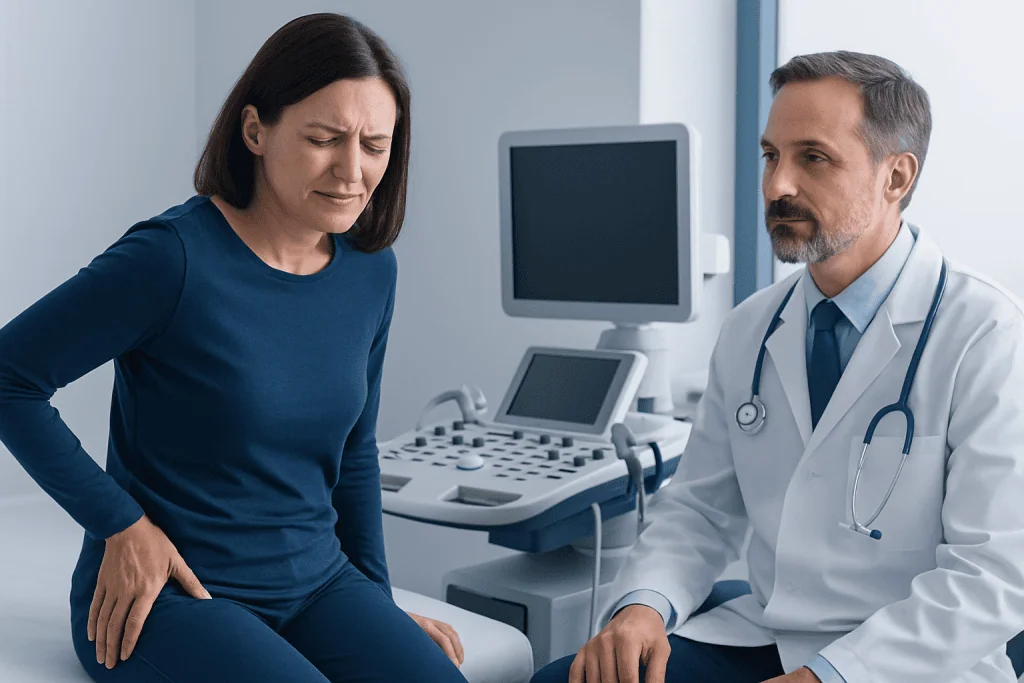
The most typical symptom of ischial bursitis is pain in the lower buttock, close to the sitting bone. Many people notice that the discomfort is worse when sitting for a long time, especially on a firm chair, or when shifting weight onto the affected side. The pain may feel dull and aching at first, but it can become sharper with movement.
Symptoms often increase during activities that stretch or load the hamstring muscles, because these muscles attach near the same area. Walking uphill, climbing stairs, running, squatting, or standing up after long sitting may provoke discomfort. Some people also feel tenderness when pressing directly over the sitting bone.
Common features can include:
- Localized buttock pain on one or both sides
- Tenderness over the ischial tuberosity
- Pain that worsens with prolonged sitting
- Discomfort during stretching, exercise, or rising from a chair
- Occasional mild swelling or warmth in the area
Symptoms can vary from mild irritation to pain that interferes with work, travel, sports, or sleep. Because several nearby structures can produce similar symptoms, persistent buttock pain should be assessed by a qualified clinician rather than assumed to be a simple strain.
Why it happens: causes and risk factors
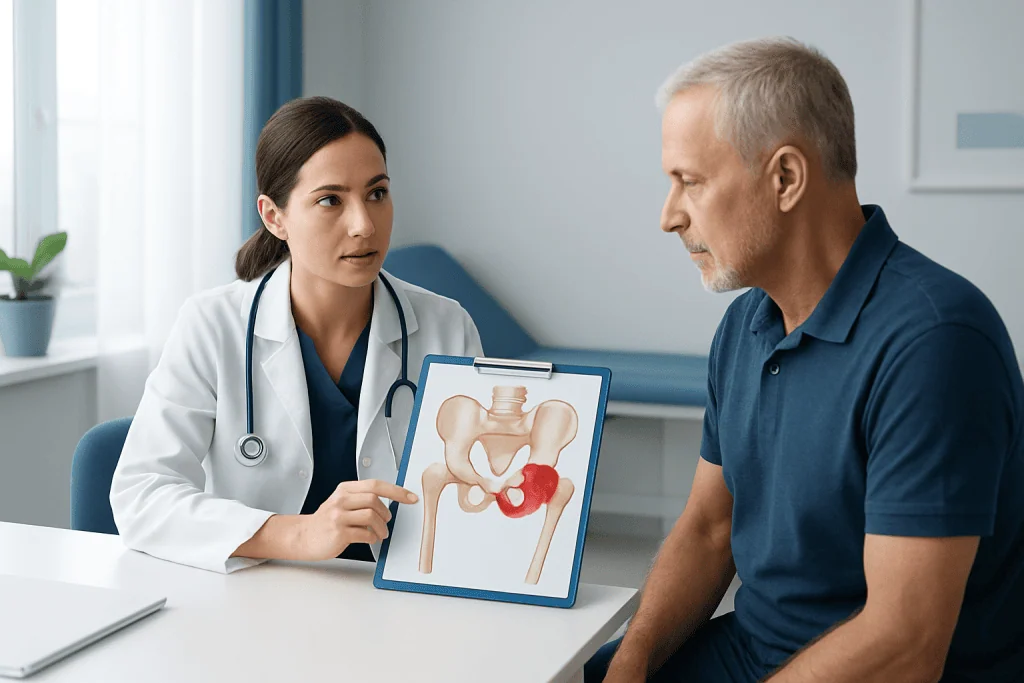
Ischial bursitis usually develops when repeated pressure or friction irritates the bursa. Long periods of sitting on hard surfaces are a classic trigger, but the condition may also follow repetitive exercise, direct trauma, or strain involving the hamstrings and hip muscles. In some people, there is no single obvious cause, and symptoms gradually build over time.
Sports and physical activities can contribute when they involve repeated hip flexion and extension, prolonged cycling, sprinting, rowing, or hill running. Tight or overworked hamstrings may increase tension around the sitting bone, which can irritate the nearby bursa. A fall onto the buttock can also inflame the area.
Risk factors may include:
- Frequent sitting, especially on firm or poorly padded surfaces
- Repetitive exercise involving the hips and hamstrings
- Poor posture or mechanics during sitting or training
- Muscle tightness, especially in the hamstrings
- Previous injury near the pelvis, hip, or upper thigh
- Inflammatory conditions such as certain types of arthritis
Sometimes symptoms that seem like ischial bursitis are actually related to tendon inflammation, muscle strain, spinal nerve irritation, or referred pain from the hip joint. For that reason, a broad clinical view is important, especially when symptoms do not fit the usual pattern.
Getting the right diagnosis
Diagnosis begins with a careful review of symptoms, daily activities, exercise habits, and any recent injury. A clinician will often ask where the pain is located, what makes it worse, and whether there is pain during sitting, stretching, walking, or sport. This history can already provide strong clues.
During the physical examination, the doctor may press over the ischial tuberosity to check for tenderness and assess movement of the hip, lower back, and hamstrings. They may also look for weakness, tightness, altered gait, or signs that the pain is coming from a different source, such as the lumbar spine or the hamstring tendon attachment.
Imaging is not always necessary, but it can be helpful when symptoms are prolonged, severe, or unclear. Ultrasound or MRI may be considered if the doctor needs to distinguish bursitis from tendon injury, abscess, or another soft-tissue condition. X-rays may be used to evaluate bone-related problems or rule out another cause of pain.
Because buttock pain can overlap with several musculoskeletal conditions, some patients benefit from a broader orthopedic or rehabilitation assessment. If needed, evaluation may overlap with services used for physical therapy and rehabilitation to identify posture, flexibility, and movement factors contributing to symptoms.
Treatment options and recovery
Most people with ischial bursitis improve with conservative treatment. The first step is usually reducing pressure and irritation around the sitting bone. This may include avoiding long sitting periods, using a cushioned seat, modifying sports or exercise, and temporarily reducing activities that clearly worsen pain.
Supportive measures such as ice packs, gentle stretching, and nonprescription pain relief recommended by a doctor may help ease symptoms. If the area is very tender after activity, short periods of icing can reduce discomfort. It is generally better to return to activity gradually rather than push through pain, as repeated irritation may prolong recovery.
Physical therapy can be particularly helpful when tight hamstrings, weak hip muscles, or poor movement patterns are contributing factors. A therapist may guide flexibility work, strengthening, posture correction, and activity modification. In selected cases where inflammation persists, a physician may consider image-guided injection therapy or other targeted approaches after confirming the diagnosis.
When symptoms are linked to broader hip or tendon problems, treatment may need to address those conditions as well. Depending on the findings, a person may be evaluated through orthopedics or, if imaging is needed to clarify the diagnosis, through MRI assessment. Surgery is rarely needed for isolated ischial bursitis and is usually considered only when symptoms are longstanding and other causes have been excluded.
Daily habits that can help prevent flare-ups
Preventing recurrence often depends on reducing repeated pressure on the sitting bone and improving how the hips and hamstrings handle load. For people who sit for work, simple changes such as taking regular standing breaks, using a cushioned chair, and avoiding slouched posture can make a meaningful difference over time.
Exercise habits also matter. A gradual warm-up before activity, steady increases in training intensity, and attention to flexibility may lower strain around the hamstring origin and surrounding tissues. Cross-training can help reduce repetitive stress from a single activity such as cycling or running.
Helpful self-care strategies include:
- Using padded seating or a pressure-relieving cushion
- Changing position regularly during long sitting periods
- Stretching the hamstrings and hips gently, without forcing pain
- Strengthening the hips, core, and gluteal muscles
- Returning to sports gradually after a flare-up
- Seeking advice early if pain repeatedly returns
People with repeated episodes may benefit from review by a clinician or therapist to identify contributing factors such as leg-length differences, training errors, poor biomechanics, or an alternative diagnosis. Prevention is usually most effective when it combines activity modification with movement retraining.
When to seek medical care
Medical review is advisable if buttock pain lasts more than a few weeks, keeps returning, or begins to interfere with walking, work, sleep, or exercise. A professional assessment is also useful when home measures have not helped, or when the pain is difficult to localize and may be coming from the back, hip joint, or hamstring tendon.
Prompt medical attention is important if there is fever, marked swelling, redness, significant warmth, sudden severe pain after trauma, numbness, weakness, or unexplained weight loss. These features can suggest a problem other than routine bursitis and should not be ignored. Pain that radiates down the leg may also need evaluation to rule out nerve-related causes.
For international patients who need further assessment, Acibadem International’s multidisciplinary specialists in JCI-accredited hospitals evaluate and treat musculoskeletal conditions including persistent buttock and hip pain. A structured evaluation can help distinguish ischial bursitis from tendon, spinal, or joint disorders and guide the most appropriate care plan.
Frequently asked questions
What is ischial bursitis exactly?
Ischial bursitis is inflammation of the small bursa over the sitting bone in the lower pelvis. This bursa normally helps reduce friction between bone and nearby soft tissues, but when irritated it can cause buttock pain, especially during sitting or movement.
How do people know if buttock pain is from ischial bursitis?
Pain from ischial bursitis is often felt directly over the sitting bone and tends to worsen with prolonged sitting, climbing stairs, stretching, or sports involving the hamstrings. However, similar pain can also come from the lower back, hamstring tendons, or the hip joint, so a medical assessment may be needed.
Can ischial bursitis go away on its own?
Mild cases may improve with rest, reduced pressure on the area, and simple self-care. If symptoms continue, return often, or limit daily activities, a clinician can recommend more targeted treatment and check for another cause.
How long does recovery usually take?
Recovery time varies depending on the cause, severity, and whether aggravating activities continue. Some people improve within a few weeks, while others need a longer period of activity adjustment, therapy, and follow-up care.
Is exercise safe with ischial bursitis?
Exercise is often still possible, but activities that increase pain may need to be reduced temporarily. Gentle, guided movement and strengthening are usually preferred over pushing through symptoms, and a physical therapist can help tailor a safe plan.
Does ischial bursitis require surgery?
Surgery is uncommon for isolated ischial bursitis. Most people respond to conservative treatment such as pressure relief, activity modification, physical therapy, and sometimes injection-based treatment when appropriate.
References
- American Academy of Orthopaedic Surgeons
- National Institute of Arthritis and Musculoskeletal and Skin Diseases
- MedlinePlus
- NHS
- Mayo Clinic
This article is for general information only and is not a substitute for professional medical advice. Please consult a qualified doctor about your individual situation.
Bursitis in Turkey — costs, top hospitals & a free quote
JCI-accredited · board-certified surgeons · reply within 24h
Add us as a Preferred Source to see more of our trusted health content across Google Search, AI Overviews and Discover.

Orthopedics & Spine
Care for bones, joints and the musculoskeletal system, including joint replacement, sports injuries and trauma.
124 specialists in this unit