Pregnant in Spa: A Complete Clinical Guide for Patients
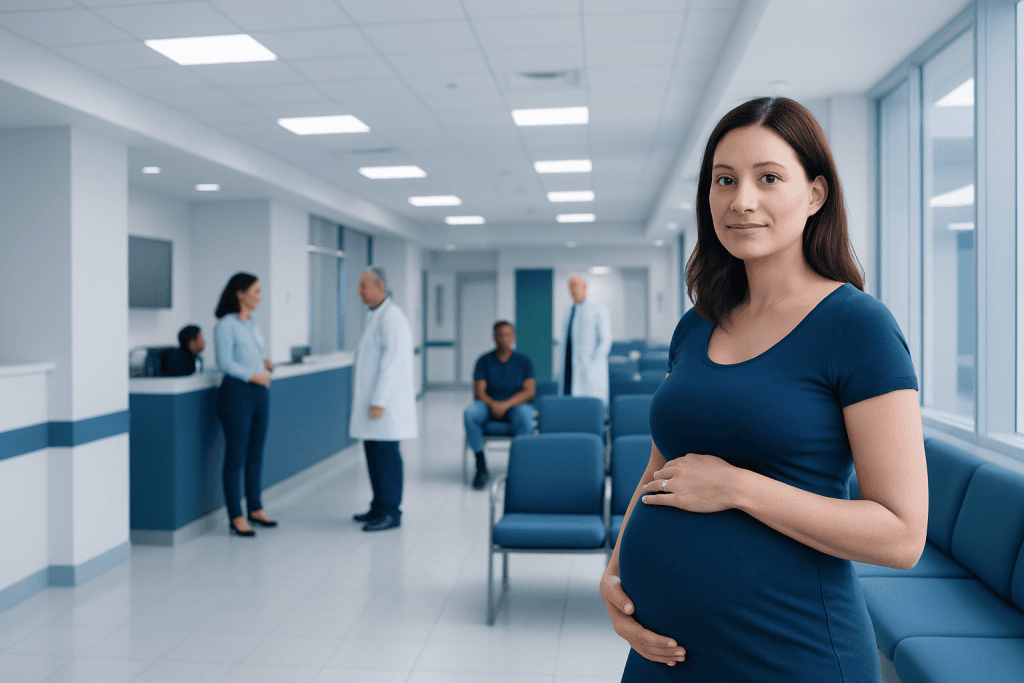
Many spa treatments can be adapted during pregnancy, but hot tubs, saunas, and overheating should be avoided. Prenatal massage may be helpful when performed by a trained professional and approved by a doctor.
Key Takeaways
- Many spa treatments can be adapted during pregnancy, but hot tubs, saunas, and overheating should be avoided.
- Prenatal massage may be helpful when performed by a trained professional and approved by a doctor.
- Essential oils, body wraps, harsh exfoliation, and some pressure-point techniques may not be appropriate in pregnancy.
- Pregnancy stage, symptoms, and medical history affect what is safe in a spa setting.
- Any bleeding, abdominal pain, contractions, dizziness, or reduced fetal movement needs medical assessment rather than spa care.
Pregnant in spa visits are often possible, but not every treatment is suitable during pregnancy. The safest approach is to avoid overheating, skip high-risk therapies, and choose pregnancy-aware care after checking with a qualified doctor.
Overview: Can Someone Be Pregnant in Spa Safely?
Yes, a person who is pregnant can sometimes enjoy selected spa services safely, but the answer depends on the type of treatment, the stage of pregnancy, and the person’s overall health. In general, low-heat, gentle, and pregnancy-adapted treatments are more suitable, while anything that raises core body temperature or applies strong pressure should be approached with caution or avoided.
The main concern with being pregnant in spa settings is not the spa itself, but specific exposures such as overheating, dehydration, slippery environments, aggressive massage, and ingredients that may irritate sensitive skin. Pregnancy changes circulation, body temperature regulation, joint stability, and skin sensitivity, so treatments that felt comfortable before pregnancy may need to be modified.
A safe spa visit usually starts with clear communication. The pregnant person should tell the spa staff about the pregnancy, how many weeks along they are, and whether there are any complications such as high blood pressure, bleeding, contractions, or a high-risk pregnancy. It is also sensible to ask whether therapists are trained in prenatal care and whether the facility can offer side-lying positioning, cooler room temperatures, and fragrance-sensitive options.
Which Spa Treatments Are Usually Safe, and Which Are Best Avoided?
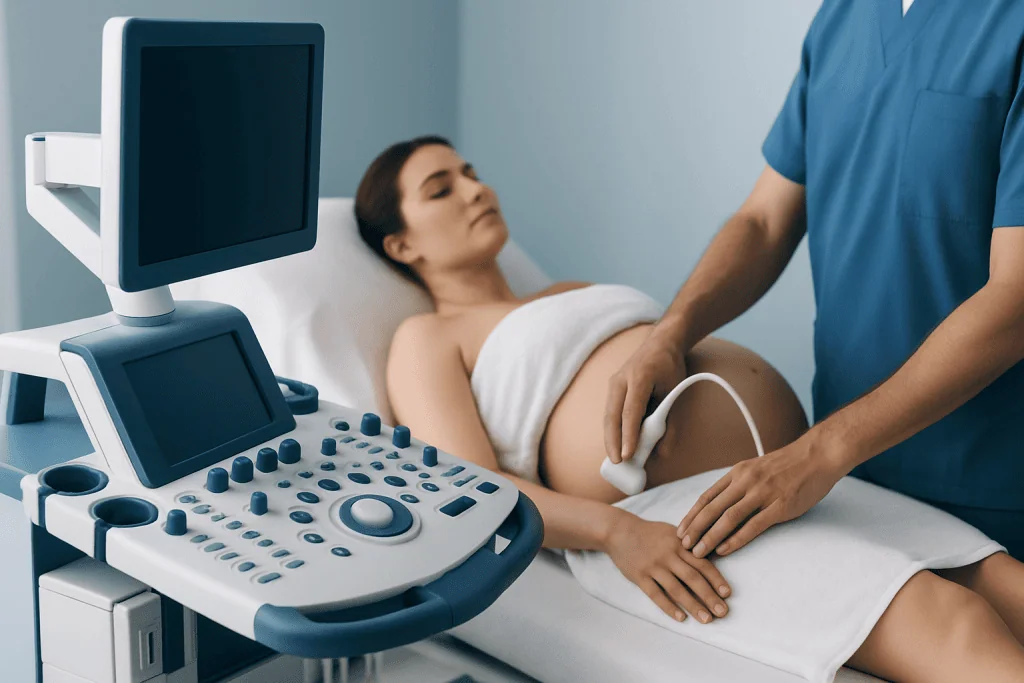
Some spa services may be reasonable during pregnancy when they are gentle and adapted. Examples can include a basic prenatal massage, a mild facial, a simple manicure or pedicure in a well-ventilated area, and relaxation treatments that do not involve heat stress. Comfort-focused care is generally the goal rather than intensive detox, deep tissue work, or strong body treatments.
Treatments commonly avoided during pregnancy include hot tubs, saunas, steam rooms, very hot baths, and any therapy designed to significantly increase body temperature. Heated wraps, very hot stones, vigorous deep tissue massage, and treatments using unknown herbal blends or concentrated essential oils may also be unsuitable. Some spas also avoid certain pressure points around the ankles, wrists, and lower back because of traditional concerns, even though evidence is limited; in practice, a gentle approach is preferred.
Reasonable options may include:
- Prenatal massage by a trained therapist using safe positioning
- Gentle facials without retinoids or harsh peels
- Foot care that avoids very hot soaking and strong pressure
- Relaxation areas at a comfortable temperature with good hydration
It is important to remember that “natural” does not always mean safe in pregnancy. Botanical products, exfoliants, and aromatherapy blends can still trigger irritation, nausea, headaches, or other unwanted effects. Reading ingredient labels and choosing simpler products is often the best approach.
Why Heat Matters in Pregnancy
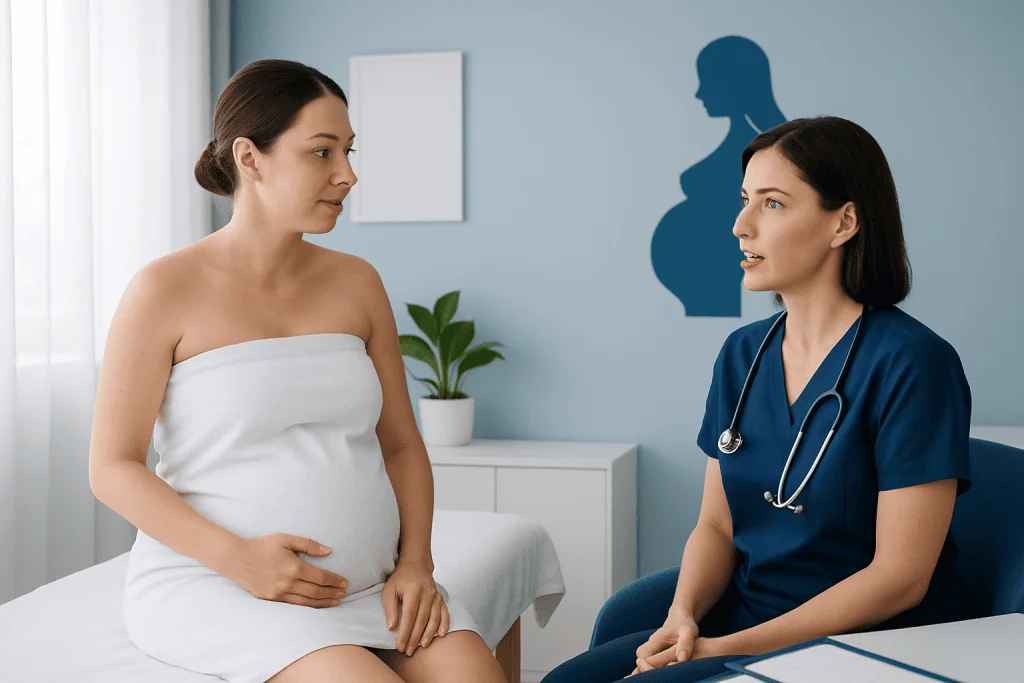
One of the most important safety issues when pregnant in spa settings is heat exposure. Pregnancy already increases blood flow and can make a person feel warmer than usual. If the body overheats, it may lead to dizziness, dehydration, low blood pressure symptoms, or fainting. Prolonged elevation in core body temperature is the key reason doctors commonly advise against hot tubs, saunas, and steam rooms during pregnancy.
Heat may be especially uncomfortable during the first trimester, when nausea and fatigue are common, but overheating can be a concern at any stage of pregnancy. Warm water that feels pleasant for a short shower is different from remaining in a very hot environment for an extended period. Even if a spa pool feels relaxing, the temperature matters more than the label.
Practical precautions include choosing cool or room-temperature environments, drinking water before and after treatment, standing up slowly, and leaving the treatment immediately if there is flushing, nausea, palpitations, dizziness, weakness, or shortness of breath. If a person has a pregnancy complication such as high-risk pregnancy, individualized advice from an obstetric specialist is particularly important.
Prenatal Massage, Facials, and Body Treatments
Prenatal massage can help some pregnant patients feel less muscle tension, back discomfort, leg heaviness, and stress. However, it should be performed by a professional familiar with pregnancy positioning and precautions. Lying flat on the abdomen is not appropriate, and lying flat on the back later in pregnancy may cause discomfort or lightheadedness in some people. Side-lying support with pillows is often preferred.
Massage should be gentle to moderate rather than forceful. If there is calf pain, swelling in one leg, fever, vaginal bleeding, contractions, leaking fluid, or severe abdominal pain, massage is not the right next step and medical assessment is needed. Patients seeking symptom relief for significant back or pelvic discomfort may later benefit from more structured medical evaluation or physical therapy and rehabilitation rather than repeated spa care alone.
Facials are often acceptable if they are mild and do not use harsh peels, strong acids, retinoids, or irritating fragrances. Pregnancy can make skin more reactive and more prone to pigmentation changes, so gentler cleansing and moisturizing approaches are usually better tolerated. Likewise, body scrubs, wraps, and aromatherapy should be chosen carefully, especially if scents trigger nausea or headaches.
If swelling, persistent pain, marked varicose vein discomfort, or severe skin symptoms are present, a clinical review may be more useful than a spa treatment. In some cases, symptoms can relate to conditions that need medical diagnosis rather than cosmetic care.
Who Should Be More Cautious Before Booking a Spa Visit?
Some pregnancies need added caution. A person may be advised to avoid or delay spa treatments if they have vaginal bleeding, abdominal pain, threatened preterm labor, high blood pressure, severe swelling, placenta-related concerns, poorly controlled diabetes, significant anemia, fever, infection, or reduced fetal movement. The same is true after recent hospitalization or if a doctor has recommended activity restrictions.
Even in a low-risk pregnancy, timing matters. During the first trimester, nausea, exhaustion, and smell sensitivity may make spa environments unpleasant. Later in pregnancy, balance changes, joint laxity, and back pain may make slippery floors and long periods of lying still less comfortable. This does not always mean spa care is unsafe, but it does mean modifications are needed.
It can help to check with an obstetrician or midwife before booking any treatment, especially if the person has a complex pregnancy history or previous miscarriage. If there are concerns about maternal or fetal well-being, formal pregnancy assessment is more important than relaxation planning. Depending on the situation, evaluation may include pregnancy follow-up or specialist review in maternal-fetal medicine.
How to Plan a Safer Spa Experience During Pregnancy
A safer pregnancy spa visit usually begins before arrival. The patient should choose a reputable facility, confirm that prenatal services are available, and ask whether staff are trained in pregnancy precautions. Booking shorter appointments can reduce fatigue, and planning breaks for water, snacks, and restroom use can improve comfort.
On the day of the visit, it is wise to avoid arriving hungry, dehydrated, or overly tired. Comfortable clothing, non-slip footwear, and simple fragrance-free skincare can also help. The patient should tell staff immediately if they feel unwell, lightheaded, too warm, or uncomfortable in any position.
Useful self-care steps include:
- Prefer cooler treatments over heat-based therapies
- Drink water before and after the appointment
- Avoid long periods standing on wet surfaces
- Choose side-lying or semi-reclined positioning when needed
- Stop any treatment that causes discomfort, nausea, or shortness of breath
- Bring any doctor advice if the pregnancy is high risk
For travelers or international patients combining wellness and maternity care, it can be helpful to have access to clinical services if questions arise. Near the end of the care journey, some patients may value consultation with centers such as Acibadem International, where multidisciplinary specialists in JCI-accredited hospitals diagnose and treat pregnancy-related concerns for international patients.
When to Seek Medical Care Instead of Spa Care
A spa should never replace medical assessment when warning signs are present. Prompt medical care is needed for vaginal bleeding, leaking fluid, severe abdominal pain, regular contractions, chest pain, shortness of breath, severe headache, fainting, fever, sudden swelling, one-sided leg pain, or reduced fetal movement later in pregnancy. These symptoms need clinical evaluation rather than relaxation treatment.
It is also important to seek care if a person feels unwell after heat exposure, including persistent dizziness, vomiting, weakness, palpitations, or confusion. A clinician can check for dehydration, blood pressure changes, infection, or other pregnancy-related issues. In urgent situations, the safest step is to leave the spa setting and contact emergency or obstetric services.
If symptoms are not severe but keep returning, discussing them during routine prenatal care is still worthwhile. Ongoing discomfort such as pelvic pain, back pain, swelling, or sleep problems may benefit from structured assessment and treatment. Depending on the need, this might include gynecology review or referral for supportive therapies.
The Bottom Line on Being Pregnant in Spa Settings
For many people, being pregnant in spa environments can be safe when the focus is on gentle, low-heat, comfort-based treatments and when the pregnancy is uncomplicated. The key is not to assume that every “wellness” service is automatically suitable. Pregnancy changes how the body responds to heat, pressure, fragrance, and fatigue, so a personalized, cautious approach is best.
The safest spa plan is one that works alongside prenatal medical care. When in doubt, the patient should ask their obstetrician or midwife, especially before massage, body treatments, or any heated experience. With sensible precautions, some spa services can remain part of self-care during pregnancy, while medical warning signs should always take priority.
Frequently asked questions
Can a pregnant person go to a spa at all?
Often yes, but only certain treatments are appropriate during pregnancy. Gentle, low-heat services are generally preferred, while hot tubs, saunas, steam rooms, and more intense body treatments are usually avoided. It is best to check with a doctor if there are any pregnancy complications.
Is prenatal massage safe during pregnancy?
Prenatal massage may be safe for many pregnant patients when performed by a therapist trained in pregnancy care. Proper positioning and gentle technique are important. Anyone with bleeding, contractions, severe pain, fever, or a high-risk pregnancy should seek medical advice first.
Why are hot tubs and saunas discouraged in pregnancy?
They can raise core body temperature and increase the risk of overheating, dehydration, dizziness, and fainting. Pregnancy already affects temperature regulation and circulation, so very hot environments can be harder to tolerate. For this reason, many doctors recommend avoiding them during pregnancy.
Are facials and skincare treatments safe while pregnant?
Many mild facials are acceptable, but ingredients matter. Harsh peels, retinoids, strong acids, and heavily fragranced products may irritate skin or be unsuitable in pregnancy. Simpler, gentler products are usually the better choice.
Can foot massages cause labor?
There is no strong evidence that an ordinary gentle foot massage will trigger labor in a healthy pregnancy. However, many therapists still avoid strong pressure on certain points out of caution. Gentle comfort-focused foot care is usually preferred over intense pressure.
When should a pregnant person skip the spa and call a doctor?
Medical advice is needed if there is bleeding, leaking fluid, severe pain, contractions, fever, fainting, chest pain, shortness of breath, or reduced fetal movement. These symptoms need assessment and are not appropriate for spa treatment. If unsure, it is safer to contact a qualified healthcare professional.
References
- American College of Obstetricians and Gynecologists
- National Health Service
- Mayo Clinic
- World Health Organization
This article is for general information only and is not a substitute for professional medical advice. Please consult a qualified doctor about your individual situation.
Explore treatments in Turkey — costs, top hospitals & a free quote
JCI-accredited · board-certified surgeons · reply within 24h
Add us as a Preferred Source to see more of our trusted health content across Google Search, AI Overviews and Discover.
Check your numbers in seconds
BMI, calories, due date, blood pressure and 30+ more clinical calculators — free, instant, doctor-reviewed ranges.

More from the Health Library



Related Specialists

Dyt. Gizem Katkıcı Taşkın
Nutrition & Diet
Dr. Turgut Furkan Kuybulu
Aesthetic Plastic & Reconstructive Surgery
Prof. Dr. M. Sinan Ersin
General Surgery
Prof. Dr. Burak Akan
Orthopedic Surgery & Traumatology