Hemicolectomy: Benefits, Risks, and Recovery — A Complete Guide
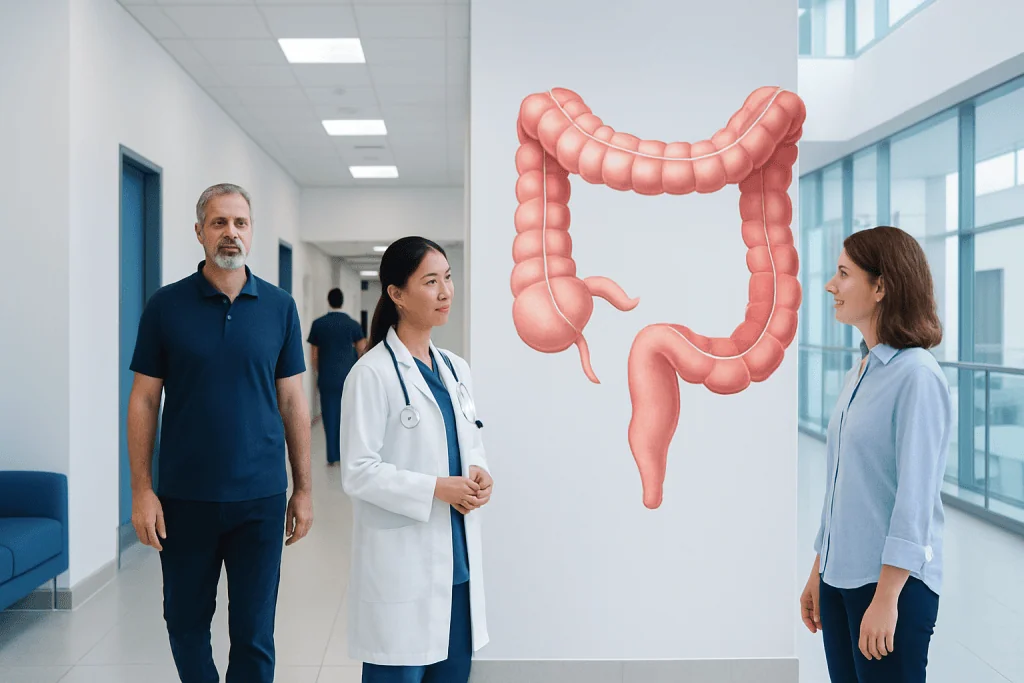
A hemicolectomy removes part of the large intestine and may be done on the right or left side of the colon. It can be performed through open surgery or minimally invasive laparoscopic or robotic techniques, depending on the patient and condition.
Key Takeaways
- A hemicolectomy removes part of the large intestine and may be done on the right or left side of the colon.
- It can be performed through open surgery or minimally invasive laparoscopic or robotic techniques, depending on the patient and condition.
- Common reasons for hemicolectomy include colon cancer, nonremovable polyps, diverticular complications, bowel injury, and some inflammatory conditions.
- Recovery usually involves a short hospital stay, gradual return of bowel function, pain control, and a step-by-step increase in activity.
- Benefits include removing diseased bowel and preventing complications, while risks include infection, bleeding, leakage at the bowel connection, and bowel habit changes.
Hemicolectomy is an operation that removes the right or left side of the colon and then reconnects the bowel when possible. It is commonly used for colon cancer, large polyps, diverticular disease, and some inflammatory or emergency bowel conditions, with benefits and recovery varying by the reason for surgery and the surgical approach.
Overview: what a hemicolectomy is and why it is done
Hemicolectomy is a type of colon surgery in which a surgeon removes one side of the large intestine. In a right hemicolectomy, the right side of the colon is removed. In a left hemicolectomy, the left side is removed. After the diseased section is taken out, the healthy ends of the bowel are usually joined together in a step called an anastomosis so that digestion can continue in a normal pathway.
This operation is done to treat several conditions. One of the most common reasons is colon cancer, but surgery may also be recommended for large polyps that cannot be removed during colonoscopy, severe diverticular disease, bowel obstruction, bleeding, injury, or some inflammatory bowel conditions. In urgent situations, the procedure may be performed to treat perforation or loss of blood supply to the bowel.
The exact plan depends on which part of the colon is affected, how much bowel needs to be removed, and the patient’s overall health. Some people have a straightforward planned operation, while others need a more complex procedure because of infection, inflammation, scar tissue, or advanced disease. The goal is to remove the problem safely while preserving as much healthy bowel function as possible.
Who may need a hemicolectomy

A hemicolectomy is considered when a problem is limited mainly to one side of the colon and cannot be managed safely with less invasive treatment. A surgeon reviews symptoms, test results, previous operations, medications, and general fitness for anesthesia before recommending surgery. Not every bowel condition requires a hemicolectomy, so the decision is individualized.
Common reasons a person may be a candidate include:
- Colon cancer or a suspicious mass in the right or left colon
- Large or complex colon polyps not suitable for endoscopic removal
- Complicated diverticular disease with recurrent infection, narrowing, or fistula
- Bowel obstruction caused by a tumor, scar tissue, or twisting of the bowel
- Trauma or injury to part of the colon
- Severe bleeding or ischemia affecting a segment of the colon
Doctors also consider whether surgery can be done with a minimally invasive approach. Laparoscopic or robotic surgery may be possible for selected patients, but open surgery may be safer in emergencies or when there is extensive inflammation, a large tumor, or prior abdominal surgery. If cancer is present, the operation also aims to remove nearby lymph nodes for accurate staging.
How the procedure works: types and step-by-step
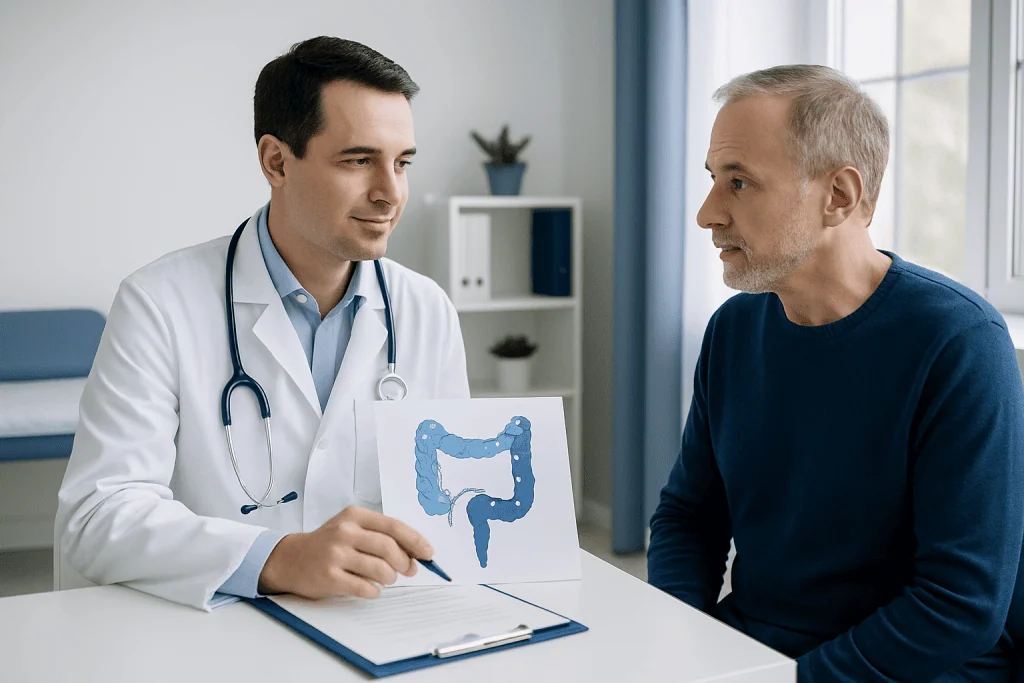
Hemicolectomy can be performed as open surgery through a larger abdominal incision or by minimally invasive techniques such as laparoscopic surgery and, in some centers, robotic surgery. The choice depends on the diagnosis, urgency, body anatomy, and the surgical team’s judgment. Minimally invasive approaches may reduce pain and shorten recovery for some patients, but the main priority is a safe and effective operation.
Before surgery, the patient receives anesthesia. The surgeon identifies the diseased section of the colon, carefully separates it from surrounding tissues, controls blood vessels supplying that segment, and removes the affected bowel. In cancer surgery, nearby lymph nodes are usually removed at the same time. The healthy ends of the intestine are then commonly joined together. In some situations, especially if the bowel is very inflamed or the patient is unstable, a temporary or permanent stoma may be needed instead of immediate reconnection.
The operation itself varies by side. A right hemicolectomy often removes the cecum and ascending colon and may include part of the terminal ileum. A left hemicolectomy removes the descending colon and sometimes part of the transverse or sigmoid colon, depending on the disease location. Surgeons check blood supply and bowel tension carefully before completing the connection, because these factors are important for healing.
Some patients are also treated within an enhanced recovery pathway. This structured approach may include optimized nutrition, early movement, tailored pain control, and quicker reintroduction of fluids and food after surgery. These measures can support a smoother recovery when appropriate.
Benefits and possible risks
The main benefit of hemicolectomy is that it removes diseased bowel that may be causing pain, bleeding, infection, blockage, or cancer risk. In cancer care, surgery may offer the best chance of cure when the disease is localized. For noncancerous problems, it can improve quality of life, reduce repeated attacks, and prevent serious complications such as perforation or ongoing obstruction.
Another important benefit is diagnostic clarity. When a section of colon is removed, it can be examined by a pathologist to confirm the exact diagnosis. In cancer surgery, this helps determine the stage and whether additional treatment, such as colon cancer treatment, may be advised.
Like any major abdominal operation, hemicolectomy has risks. These include bleeding, infection, blood clots, pneumonia, reactions to anesthesia, injury to nearby organs, and slow return of bowel function. A specific risk is an anastomotic leak, which means leakage from the bowel connection. Although not common, it can be serious and may require further treatment or another operation.
Longer-term effects can include temporary changes in bowel habits, bloating, loose stools, constipation, scar tissue, or an incisional hernia. Many patients gradually adapt over time, but bowel patterns may not return exactly to how they were before surgery. The risk profile depends on age, nutrition, smoking status, obesity, diabetes, heart or lung disease, emergency surgery, and the extent of bowel disease.
Recovery timeline and life after surgery
Recovery after hemicolectomy is gradual and varies from person to person. In the hospital, the care team watches for pain control, return of bowel function, wound healing, and signs of infection or leakage. Patients are usually encouraged to get out of bed and walk early, because movement helps breathing, circulation, and bowel recovery.
At first, fluids are introduced carefully, followed by a gradual return to food as tolerated. It is common for the bowel to be slow for a short time after surgery. Passing gas and having a bowel movement are signs that the intestines are waking up. Hospital stay often depends on whether the procedure was open or minimally invasive, the reason for surgery, and whether any complications occur.
At home, recovery usually continues over several weeks. Fatigue is common at first. Many people can do light daily activities relatively soon, but heavy lifting and strenuous exercise are usually restricted until the surgeon confirms healing. Bowel habits may be irregular for a period, and hydration, balanced meals, and following postoperative advice can help.
Follow-up care is important. The surgeon reviews the pathology report, checks wound healing, and discusses next steps. If cancer was the reason for surgery, additional staging, surveillance, or treatment may be recommended. In patients with inflammatory or chronic bowel disease, long-term care may also include gastroenterology follow-up to manage symptoms and monitor digestive health.
Diagnosis, preparation, and questions to discuss before surgery
Before a hemicolectomy, doctors usually confirm the diagnosis with a combination of medical history, examination, blood tests, and imaging. Common tests may include colonoscopy with biopsy, CT scan, and sometimes MRI or other studies depending on the situation. If cancer is suspected, staging tests help define how far the disease has spread and support treatment planning.
Preparation for surgery may involve adjusting certain medications, stopping smoking, improving nutrition, and reviewing any heart or lung conditions. Some patients need bowel preparation, while others do not, depending on the type of surgery and the surgeon’s protocol. The care team also discusses fasting before anesthesia, pain control plans, and what to expect after the operation.
Useful questions to ask include which side of the colon will be removed, whether the procedure is planned as open or minimally invasive, the likelihood of needing a stoma, expected hospital stay, and how recovery may affect work, travel, and physical activity. Patients may also ask about the pathology review, lymph node removal if cancer is involved, and the warning signs that should prompt urgent medical attention after discharge.
When to seek medical care
Medical advice should be sought promptly for symptoms that may suggest a serious colon problem or a complication after surgery. These include severe or worsening abdominal pain, persistent vomiting, inability to pass gas or stool, rectal bleeding, a swollen abdomen, fever, shortness of breath, or signs of dehydration. New confusion, fainting, or chest pain also require urgent evaluation.
After a hemicolectomy, patients should contact their surgical team if they notice increasing redness or discharge at the wound, fever, worsening pain, ongoing nausea, or bowel changes that are severe or do not improve. A stoma, if present, should also be reviewed if output changes suddenly or the surrounding skin becomes very irritated.
Early assessment can help identify problems before they become more serious. For international patients who need evaluation or treatment planning, Acibadem International’s multidisciplinary specialists at JCI-accredited hospitals diagnose and treat colorectal conditions, including surgical care when hemicolectomy is appropriate.
Frequently asked questions
What is the difference between a right and left hemicolectomy?
A right hemicolectomy removes the right side of the colon, usually including the cecum and ascending colon. A left hemicolectomy removes the left side, usually involving the descending colon and sometimes nearby segments depending on the disease location.
Is hemicolectomy a major surgery?
Yes, hemicolectomy is considered major abdominal surgery. Even when performed with minimally invasive techniques, it still involves removing part of the colon and requires anesthesia, hospital care, and a structured recovery period.
How long does it take to recover from a hemicolectomy?
Early recovery usually takes several weeks, but the exact timeline depends on the reason for surgery, the surgical method, and the person’s overall health. Full recovery and return to usual stamina may take longer, especially after open surgery or a complicated hospital course.
Will bowel habits change after hemicolectomy?
Bowel habits can change for a time after surgery. Some people notice looser stools, more frequent bowel movements, constipation, or bloating, but many improve gradually as the bowel adapts.
Can hemicolectomy be done laparoscopically?
Yes, many hemicolectomies can be performed laparoscopically or with robotic assistance in suitable patients. However, open surgery may be recommended in emergencies or when anatomy, inflammation, or the extent of disease makes a minimally invasive approach less safe.
Will a person always need a stoma after hemicolectomy?
No, many patients do not need a stoma because the bowel can often be reconnected during the same operation. A stoma is more likely if the bowel is very inflamed, the patient is unstable, or the surgeon believes a temporary diversion is safer for healing.
References
- American Society of Colon and Rectal Surgeons
- National Cancer Institute
- National Institute of Diabetes and Digestive and Kidney Diseases
- Mayo Clinic
- MedlinePlus
This article is for general information only and is not a substitute for professional medical advice. Please consult a qualified doctor about your individual situation.
Persistent digestive symptoms? Get evaluated in Turkey
JCI-accredited · board-certified surgeons · reply within 24h
Add us as a Preferred Source to see more of our trusted health content across Google Search, AI Overviews and Discover.