

Woman Reproductive System: A Complete Medical Overview

The woman reproductive system includes the ovaries, fallopian tubes, uterus, cervix, vagina, and vulva. Its main roles are hormone production, ovulation, menstruation, fertility, pregnancy, and childbirth.
Key Takeaways
- The woman reproductive system includes the ovaries, fallopian tubes, uterus, cervix, vagina, and vulva.
- Its main roles are hormone production, ovulation, menstruation, fertility, pregnancy, and childbirth.
- Symptoms such as pelvic pain, very heavy bleeding, unusual discharge, or missed periods may need medical evaluation.
- Routine gynecologic care, STI prevention, and healthy lifestyle habits support reproductive health.
- Many common conditions affecting the reproductive system can be diagnosed early and treated effectively.
The woman reproductive system is the group of internal and external organs that produce eggs, regulate hormones, enable menstruation, and support pregnancy and childbirth. Understanding how these structures work together can help women recognize normal body changes, protect reproductive health, and know when medical advice may be helpful.
Overview: what the woman reproductive system does
The woman reproductive system is the body system responsible for producing reproductive hormones, releasing eggs, supporting fertilization, and providing the environment for pregnancy and birth. It also plays a central role in the menstrual cycle. Although it is often discussed only in relation to fertility, its functions are broader and closely connected to overall health, including bone health, mood, sexual well-being, and metabolic balance.
This system includes internal organs such as the ovaries, fallopian tubes, uterus, cervix, and vagina, as well as external genital structures known collectively as the vulva. These organs work together under the influence of hormones from the brain and ovaries. Because these hormonal signals change over time, the reproductive system naturally shifts through puberty, the reproductive years, pregnancy, and menopause.
A clear understanding of the woman reproductive system can make it easier to recognize what is normal and what may need attention. Menstrual patterns, pelvic comfort, vaginal discharge, and fertility can all provide useful information about reproductive health. Regular checkups and timely assessment of concerning symptoms can help identify problems early and guide appropriate care.
Main organs and how they work together
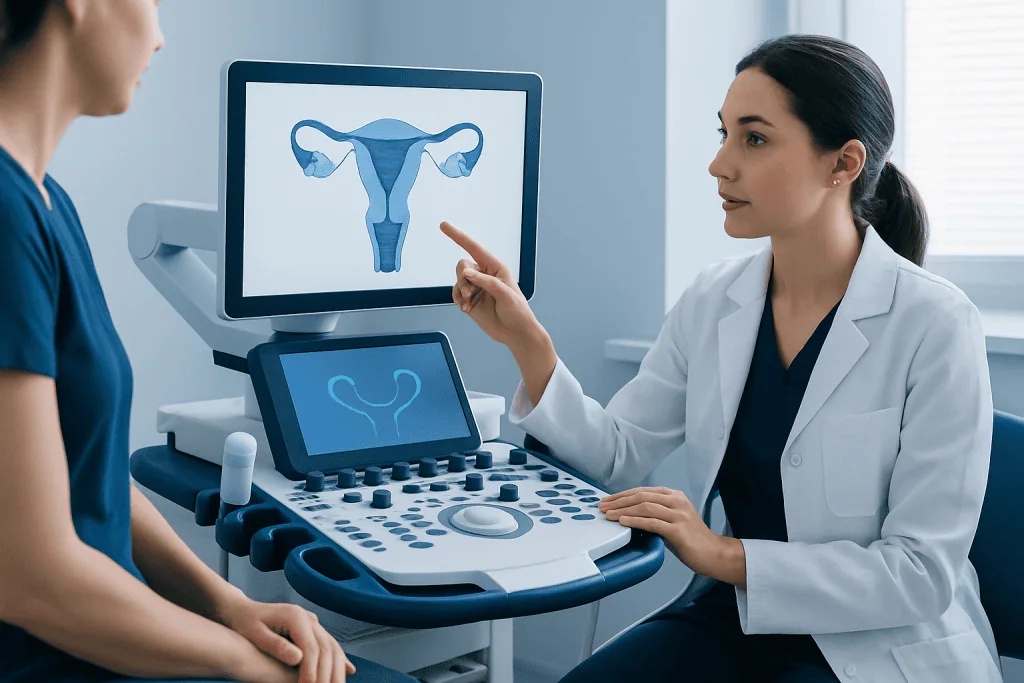
The ovaries are two small glands located on either side of the uterus. Their main jobs are to store and release eggs and to produce hormones, especially estrogen and progesterone. These hormones help regulate ovulation and menstruation, and they also affect other parts of the body, including the breasts, bones, skin, and brain.
The fallopian tubes connect the ovaries to the uterus. After ovulation, an egg enters a fallopian tube, where fertilization may occur if sperm is present. The uterus is a muscular organ where a fertilized egg can implant and develop during pregnancy. If pregnancy does not occur, the inner lining of the uterus sheds during menstruation.
The cervix is the lower part of the uterus that opens into the vagina. It produces mucus that changes throughout the menstrual cycle and can help or limit sperm movement depending on timing. The vagina is a flexible canal that allows menstrual blood to leave the body, receives the penis during sexual intercourse, and forms the birth canal during vaginal delivery.
The external genital area, or vulva, includes the labia, clitoris, and vaginal opening. These structures help protect internal organs and contribute to sexual function. Even though the vulva is external, it is an important part of the woman reproductive system and deserves the same attention in routine care and symptom awareness.
Hormones, ovulation, and the menstrual cycle
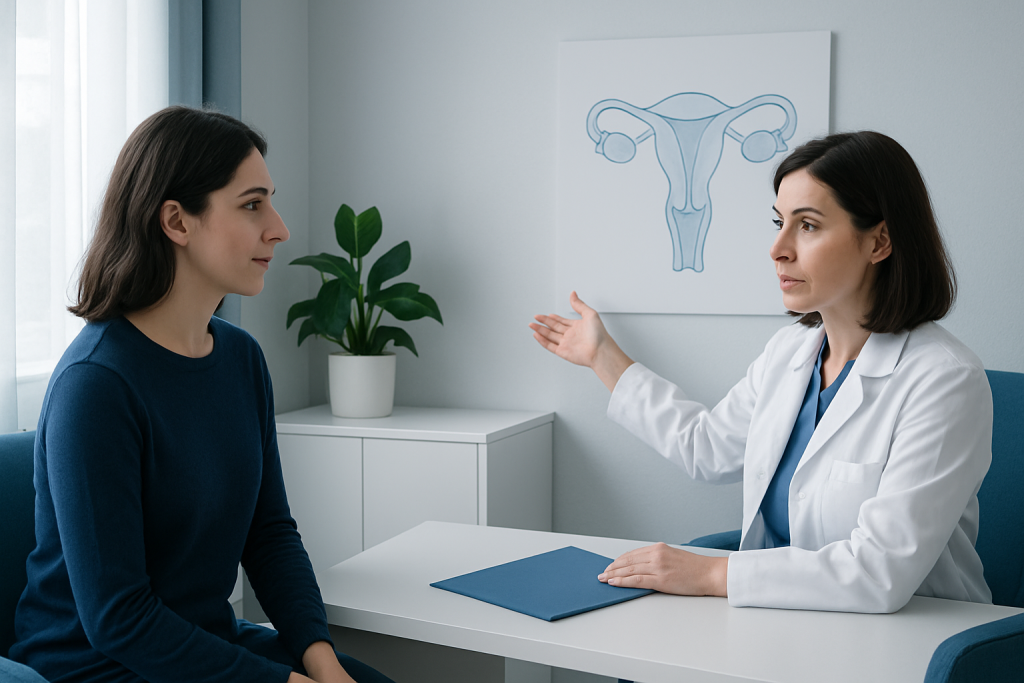
The woman reproductive system is guided by a hormone network involving the brain and ovaries. The hypothalamus and pituitary gland send signals that tell the ovaries when to mature and release an egg. In response, the ovaries produce estrogen and progesterone, which prepare the uterine lining and influence the timing of the menstrual cycle.
A typical cycle begins with menstruation, when the uterine lining is shed. During the first half of the cycle, estrogen levels rise and help an egg mature in the ovary. Around the middle of the cycle, ovulation occurs, meaning the ovary releases an egg. In the second half, progesterone helps prepare the uterus for possible pregnancy. If fertilization does not happen, hormone levels fall and menstruation begins again.
Cycle length and bleeding patterns can vary from person to person and can also change with age, stress, exercise, weight shifts, medications, or medical conditions. Some variation is normal, especially in the first years after puberty and during the transition toward menopause. However, cycles that are consistently very painful, very heavy, highly irregular, or absent should be discussed with a doctor.
Hormonal balance affects more than periods alone. It can influence energy, sleep, skin changes, headaches, breast tenderness, and mood. For this reason, a change in menstrual function may sometimes reflect a wider health issue rather than a problem limited to the reproductive organs.
Fertility, pregnancy, and life-stage changes
Fertility depends on several steps happening in the correct sequence: ovulation, movement of the egg through the fallopian tube, healthy sperm reaching the egg, fertilization, and implantation of the embryo in the uterus. If any part of this process is disrupted, conception may be more difficult. Age can affect fertility because both the number and quality of eggs decline over time, especially in the later reproductive years.
The woman reproductive system also changes naturally throughout life. Puberty begins when rising hormone levels trigger breast development, menstruation, and maturation of the reproductive organs. During the reproductive years, regular ovulation and menstrual cycles are common, although individual patterns vary. Pregnancy brings major hormonal and physical changes, while menopause marks the end of menstrual cycles and natural fertility.
Common conditions can affect fertility or pregnancy, including ovulation disorders, uterine growths, tubal blockage, and hormone-related problems. Conditions such as polycystic ovary syndrome (PCOS) or endometriosis may influence menstrual regularity, pelvic pain, or the ability to conceive. Evaluation is especially helpful if pregnancy is not occurring as expected or if there are symptoms that suggest an underlying disorder.
For women who need specialist support, fertility care may include hormone assessment, imaging, ovulation monitoring, or advanced treatments such as in vitro fertilization (IVF). The right approach depends on age, reproductive goals, medical history, and whether there is an identified cause.
Common problems that can affect the reproductive system
Many reproductive health concerns are common and treatable. Menstrual problems include very painful periods, heavy bleeding, bleeding between periods, missed periods, or cycles that are unusually long or short. These symptoms can be linked to hormone changes, fibroids, thyroid disorders, stress, pregnancy, or conditions affecting the ovaries and uterus.
Pelvic pain is another frequent reason for medical evaluation. It may be caused by ovulation, menstruation, infection, ovarian cysts, endometriosis, or uterine conditions such as uterine fibroids. Vaginal symptoms such as itching, burning, unusual discharge, or odor may suggest irritation, infection, or changes in the vaginal environment. Sexually transmitted infections can also affect reproductive health and may sometimes occur without clear symptoms.
Other issues include benign ovarian cysts, cervical changes detected on screening, difficulties with sexual function, and problems related to menopause. Less commonly, cancers can affect the cervix, uterus, ovaries, vulva, or vagina. Because many conditions share similar symptoms, diagnosis should be based on a full medical assessment rather than symptoms alone.
Women should not assume that pain or heavy bleeding is simply something they must live with. Persistent symptoms can interfere with daily life, work, relationships, sleep, and emotional well-being. A gynecologic evaluation can help identify the cause and offer options for relief and long-term management.
How doctors evaluate reproductive health
Assessment usually begins with a detailed medical history. A doctor may ask about menstrual timing, pain, bleeding patterns, vaginal symptoms, sexual history, pregnancies, contraception, medications, and family history. These details often provide important clues about whether a concern is related to hormones, infection, structural changes, or another medical issue.
A physical examination may include an abdominal and pelvic exam, depending on symptoms and age. Additional tests can include pregnancy testing, blood tests for hormone levels, screening for infections, and cervical screening when appropriate. Imaging is also commonly used to evaluate internal organs. For example, ultrasound can help assess the uterus, ovaries, and pelvis in a noninvasive way.
When symptoms involve persistent bleeding, infertility, suspected polyps, fibroids, or other uterine concerns, more specialized evaluation may be needed. In selected cases, doctors may recommend procedures such as hysteroscopy to examine the inside of the uterus more closely. The purpose of testing is not only to find disease, but also to distinguish normal variation from conditions that need treatment.
Early evaluation is often helpful because many reproductive disorders are easier to manage when identified promptly. Clear communication about symptoms, timing, and personal goals can support a more accurate diagnosis and a care plan that fits the individual woman’s needs.
Treatment, prevention, and everyday self-care
Treatment depends on the specific condition, severity of symptoms, age, and plans for future pregnancy. Some problems improve with observation and monitoring, while others may need medication, hormonal treatment, antibiotics, minimally invasive procedures, or surgery. Fertility-related concerns may require reproductive endocrinology or assisted reproductive techniques. The best plan is individualized and should be discussed with a qualified doctor.
Prevention and self-care focus on supporting both reproductive and overall health. Helpful habits include routine gynecologic care, recommended cervical screening, safer sex practices, timely treatment of infections, balanced nutrition, regular physical activity, stress management, and avoiding smoking. Keeping track of menstrual cycles can also be useful, as changes in timing, flow, or pain may be early signs of a condition that deserves attention.
Good vulvar and vaginal care is also important. In general, gentle cleansing, breathable underwear, and avoiding unnecessary irritants or fragranced products can help protect the natural environment of the genital area. Self-treatment of symptoms without knowing the cause may sometimes delay proper care, especially when the issue is not a simple irritation or common infection.
For women seeking coordinated evaluation and treatment, Acibadem International’s multidisciplinary specialists and JCI-accredited hospitals care for international patients with a wide range of reproductive health needs. A specialist can help explain options clearly, whether the goal is symptom relief, fertility support, preventive screening, or management of a diagnosed condition.
When to seek medical care
Medical advice is recommended if a woman has severe pelvic pain, very heavy menstrual bleeding, bleeding after sex, bleeding after menopause, a missed period with possible pregnancy, or vaginal discharge with pain, fever, or a strong odor. These symptoms do not always mean a serious problem, but they should be assessed so that the cause can be identified and treated if needed.
It is also wise to seek care for periods that are consistently irregular, fertility concerns, pain during intercourse, persistent vulvar itching or skin changes, or symptoms that disrupt school, work, sleep, or daily life. Women should feel comfortable discussing these concerns early rather than waiting for symptoms to become more difficult.
Urgent medical care is especially important for sudden severe pelvic pain, fainting, heavy bleeding with weakness, or symptoms during pregnancy such as significant pain or bleeding. Prompt evaluation can help rule out urgent conditions and protect both reproductive and general health.
Frequently asked questions
What is the woman reproductive system?
The woman reproductive system is the group of organs that produces eggs, regulates reproductive hormones, and supports menstruation, fertility, pregnancy, and childbirth. It includes both internal organs, such as the ovaries and uterus, and external structures, such as the vulva.
What organs are part of the female reproductive system?
The main internal organs are the ovaries, fallopian tubes, uterus, cervix, and vagina. The external genital structures are called the vulva and include the labia and clitoris. Each part has a different role, but they work together as one system.
What does a normal menstrual cycle look like?
A normal menstrual cycle can vary in length, flow, and symptoms from one woman to another. In general, it includes menstruation, egg development, ovulation, and preparation of the uterine lining for pregnancy. Some variation is expected, but very heavy, very painful, or consistently irregular periods should be discussed with a doctor.
Can reproductive health problems affect fertility?
Yes, some reproductive health conditions can make conception more difficult. Problems with ovulation, blocked fallopian tubes, uterine abnormalities, endometriosis, or hormone imbalances may affect fertility. Evaluation can help identify the cause and guide treatment options.
How can a woman keep her reproductive system healthy?
Helpful steps include routine gynecologic care, cervical screening when recommended, safer sex practices, treatment of infections, and healthy lifestyle habits such as not smoking and staying physically active. Monitoring menstrual cycles and seeking care for new or persistent symptoms can also support long-term reproductive health.
When should someone worry about pelvic pain or unusual bleeding?
Pelvic pain or unusual bleeding should be evaluated if it is severe, persistent, worsening, or accompanied by fever, weakness, dizziness, or possible pregnancy. These symptoms often have treatable causes, but they should not be ignored. A doctor can determine whether the issue is related to hormones, infection, pregnancy, or another condition.
This article is for general information only and is not a substitute for professional medical advice. Please consult a qualified doctor about your individual situation.
Reproductive System in Turkey — costs, top hospitals & a free quote
JCI-accredited · board-certified surgeons · reply within 24h
Add us as a Preferred Source to see more of our trusted health content across Google Search, AI Overviews and Discover.
Check your numbers in seconds
BMI, calories, due date, blood pressure and 30+ more clinical calculators — free, instant, doctor-reviewed ranges.

Gynecology & Obstetrics
Women’s health across pregnancy, gynecologic surgery and high-risk pregnancy care.
186 specialists in this unitMore from the Health Library

Drugs Buspirone: A Complete Medical Overview

Traumatized by Betrayal — Explained by Medical Evidence, Not Myths

Eczema Shampoo: What Patients Need to Know

Yellow Toenails — Explained by Medical Evidence, Not Myths
Hair Follicle: A Complete Medical Overview

Cidery: A Complete Medical Overview
Gynecology & Obstetrics Specialists at Acibadem

Dr. C. Elif Erol
Gynecology & Obstetrics
Dr. Çağlar Yazıcıoğlu
Gynecology & Obstetrics
Dr. Canan Genim Erdem
Gynecology & Obstetrics
Dr. Cavide Ali
Gynecology & Obstetrics