Home Remedies for Ingrown Toenail: Evidence-Based Options and When to See a Doctor

Mild ingrown toenails often improve with warm soaks, roomy shoes, and gentle skin and nail care. Home treatment is not appropriate for severe pain, spreading redness, pus, fever, or people with diabetes or poor circulation.
Key Takeaways
- Mild ingrown toenails often improve with warm soaks, roomy shoes, and gentle skin and nail care.
- Home treatment is not appropriate for severe pain, spreading redness, pus, fever, or people with diabetes or poor circulation.
- Trying to cut deeply into the nail or dig out the corner at home can worsen injury and infection.
- Evidence supports pressure relief and hygiene more than anecdotal remedies such as essential oils or vinegar.
- A doctor can treat persistent or infected cases safely, sometimes with partial nail removal.
Home remedies for ingrown toenail may help if symptoms are mild and there are no signs of infection. The most evidence-based options are warm water soaks, reducing pressure on the toe, careful nail trimming habits, and monitoring for red-flag symptoms that need medical care.
Overview: Which Home Remedies Actually Help?
Home remedies for ingrown toenail can help when the nail edge has just started to press into the surrounding skin and symptoms are still mild. In many early cases, simple measures such as soaking the toe, keeping it clean, wearing shoes with a wide toe box, and avoiding further nail trauma can reduce swelling and discomfort while the area heals.
The key is to separate evidence-based care from popular but unproven advice. Measures that reduce pressure, improve hygiene, and protect the skin are widely recommended in clinical practice. By contrast, home treatments such as applying essential oils, placing strong antiseptics directly on broken skin, or aggressively lifting the nail have limited evidence and may irritate the area.
An ingrown toenail most often affects the big toe. It happens when the side of the nail grows into, or presses hard against, nearby skin. This can lead to pain, tenderness, swelling, and sometimes infection. If symptoms are worsening rather than improving, medical assessment is the safer option.
What an Ingrown Toenail Feels Like
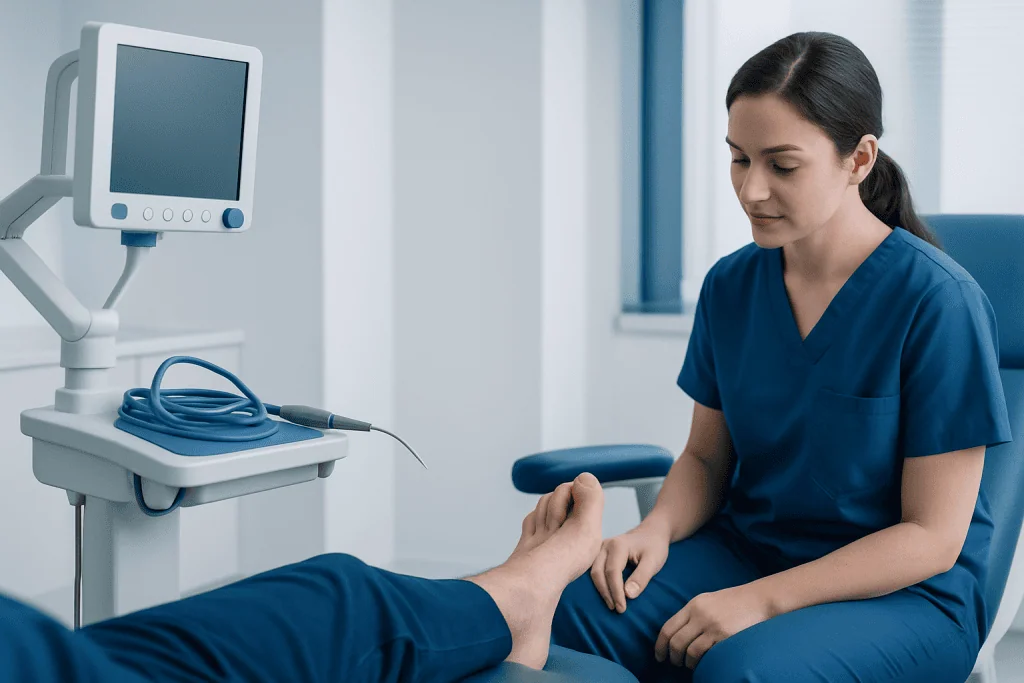
Typical symptoms begin at the side of the nail and may include tenderness when pressure is applied, a feeling that the corner of the nail is digging into the skin, and discomfort while walking or wearing closed shoes. The skin beside the nail may look puffy, red, or irritated.
If inflammation becomes more pronounced, the toe can become warm, more swollen, and increasingly painful. A small amount of clear fluid may appear if the skin is broken. More advanced cases may develop drainage, pus, bleeding, or overgrown inflamed tissue around the nail edge.
Not every painful toenail problem is an ingrown nail. Nail trauma, fungal nail changes, and skin infections can sometimes look similar. If the nail is thickened, discolored, repeatedly painful, or difficult to trim, a doctor may check for other conditions such as ingrown toenail problems or related nail disorders.
Why Ingrown Toenails Happen
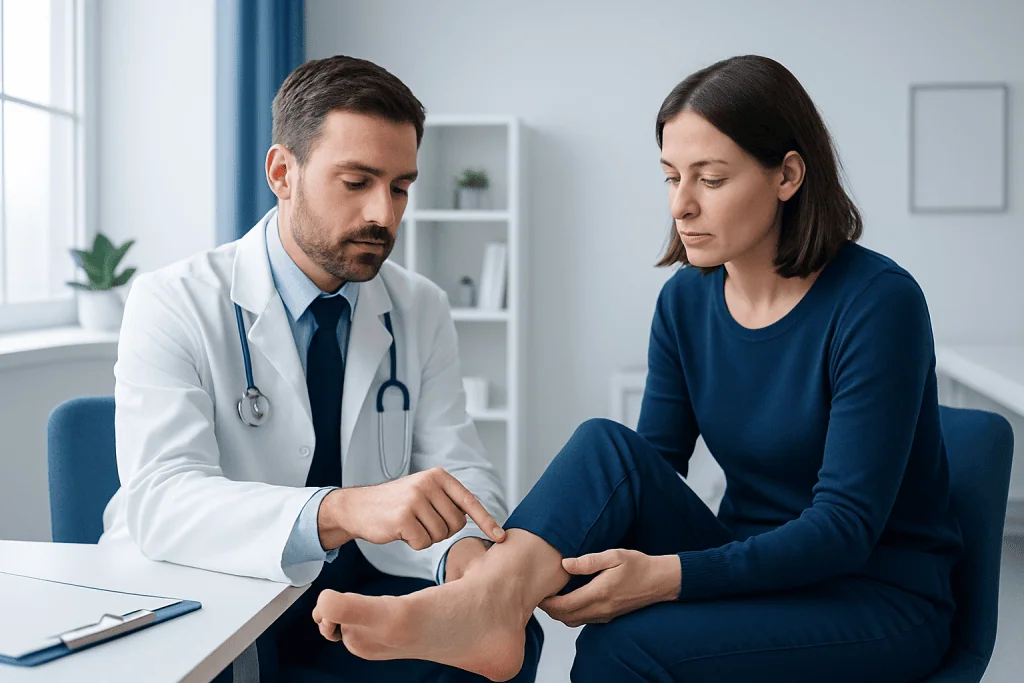
Several factors can contribute to an ingrown toenail. The most common are trimming the nail too short, rounding the corners instead of cutting straight across, and wearing tight shoes that squeeze the toes. Repeated pressure from running, football, dancing, or long periods in narrow footwear can also increase risk.
Some people are more prone because of the natural shape of the nail or toe. Curved nails, thick nails, sweaty feet, and swelling after an injury can make it easier for the nail edge to press into skin. Poor foot hygiene does not directly cause an ingrown toenail, but keeping the area clean helps prevent irritation and secondary infection.
Certain health conditions matter as well. People with diabetes, nerve damage, poor circulation, or weakened immunity should be especially cautious. In these groups, even a small break in the skin can become a more serious problem, so self-treatment should be limited and professional advice sought earlier.
Evidence-Based Home Remedies for Mild Cases
For a mild ingrown toenail without pus, spreading redness, or severe pain, the best-supported home approach is gentle care that reduces pressure on the area. Soaking the toe in warm water for about 10 to 20 minutes a few times a day can soften the skin, ease tenderness, and make the area easier to clean. Plain warm water is usually enough; adding harsh chemicals is not necessary.
After soaking, the toe should be dried carefully. A light, non-stick dressing can protect irritated skin if shoes or bedding rub against it. Wearing open-toed sandals or shoes with a roomy toe box often helps by removing pressure from the nail fold. If a person needs more structured support because of foot shape or walking mechanics, a clinician may also discuss orthopedic evaluation for recurring pressure-related foot problems.
Over-the-counter pain relief may help some adults, as long as it is appropriate for their medical history and used according to package directions. Clean socks, daily foot washing, and avoiding further trauma are also sensible steps. These measures do not force the nail to grow differently overnight, but they can reduce inflammation while the nail gradually grows out.
Some people read about placing cotton or dental floss under the nail corner. This technique has been described in minor cases, but it should only be attempted very gently and never forced under painful, swollen, or broken skin. If it hurts significantly, causes bleeding, or is difficult to do cleanly, it is better to stop and seek professional care.
Which Popular Remedies Are Less Supported or Not Advised?
Many internet remedies are based more on tradition than on clinical evidence. Vinegar soaks, Epsom salt, hydrogen peroxide, tea tree oil, and other antiseptic or herbal products are commonly suggested. While some of these may feel soothing or have mild cleansing effects, they are not proven to treat the underlying nail problem better than simple warm water and pressure relief.
Stronger products can also irritate already inflamed skin, especially if the area is cracked. Essential oils may trigger contact dermatitis in some people. Hydrogen peroxide can damage healthy tissue if overused, which may slow healing rather than help it. For this reason, neutral, non-irritating care is generally preferred.
One practice to avoid is cutting a deep V-shape in the middle of the nail. This does not change how the nail grows from its root and does not reliably relieve the side pressure causing the ingrown edge. Digging into the corner with scissors, clippers, or tweezers can create a new wound and increase infection risk.
If a home remedy seems to make the toe more painful, red, swollen, or wet with drainage, it should be stopped. A clinician can then assess whether the problem is still a simple ingrown nail or whether there is infection, excessive granulation tissue, or another nail disorder needing treatment.
When to Seek Medical Care
Red-flag symptoms should be taken seriously. A person should seek medical care promptly if there is pus, spreading redness, worsening swelling, severe or throbbing pain, fever, a bad smell, red streaks on the skin, or difficulty walking because of the toe. These signs can suggest infection or a more advanced ingrown toenail that is unlikely to improve with home care alone.
Medical review is also important if the problem keeps coming back, does not improve after a few days of careful home treatment, or if the nail is very curved or buried in the skin. People with diabetes, poor circulation, numbness in the feet, immune suppression, or a history of foot ulcers should contact a healthcare professional earlier rather than trying prolonged self-treatment.
A doctor may confirm the diagnosis and decide whether the area needs simple conservative management, drainage of infection, or a minor procedure. Persistent or severe cases are sometimes treated with ingrown toenail treatment to remove part of the nail edge and reduce recurrence. If there are concerns about deeper soft tissue infection or a complicated wound, assessment through wound care services may also be appropriate.
Medical Treatment Options if Home Care Is Not Enough
When an ingrown toenail is moderate to severe, medical treatment is often more effective and safer than repeated home attempts. A clinician may gently lift the nail edge, place a small protective support under it, trim the offending portion in a controlled way, or prescribe treatment if there is clear infection. The exact plan depends on pain, swelling, drainage, and whether the problem is a first episode or recurrent.
For repeated cases, a partial nail procedure may be recommended. In this approach, only the ingrown side of the nail is removed, rather than the whole nail. Sometimes the part of the nail matrix that keeps producing the problematic edge is treated as well to lower the chance of the problem returning.
Recovery advice usually includes keeping the toe clean, avoiding tight footwear, and following dressing instructions. Although minor nail procedures are common, they should still be performed by trained professionals to reduce pain, bleeding, and recurrence. In multidisciplinary centers such as Acibadem International, JCI-accredited hospitals and specialists evaluate and treat toenail and foot problems for international patients when home care is not enough.
Prevention and Safe Self-Care Habits
The most useful prevention step is correct nail trimming. Toenails should usually be cut straight across, not rounded deeply at the sides, and not trimmed too short. Leaving the corners visible helps prevent the nail edge from growing into the skin. If the nail is thick or hard to cut, soaking the feet first may make trimming easier.
Footwear matters just as much. Shoes should allow enough room for the toes to lie naturally without pressure from the front or sides. This is especially important for runners, workers who wear safety shoes, and anyone whose toes feel compressed by their regular footwear. Clean, dry socks and changing out of sweaty shoes can also reduce irritation.
People who have recurrent ingrown nails, unusual nail curvature, or difficulty reaching or trimming their nails safely may benefit from professional foot care. It is best not to pick at the skin, tear off nail corners, or continue self-treatment if the toe is getting worse. Early, gentle care is often enough for mild cases, but timely medical help prevents complications.
Frequently asked questions
Can an ingrown toenail heal on its own?
A mild ingrown toenail sometimes improves on its own if pressure on the toe is reduced and the area is kept clean. Warm soaks and roomy footwear can support healing while the nail grows out. If pain or redness is increasing, it is less likely to settle without treatment.
What is the best home remedy for ingrown toenail?
The most evidence-based home remedy is simple, gentle care: warm water soaks, keeping the toe clean and dry, and avoiding tight shoes. These steps reduce irritation and pressure, which are major drivers of symptoms. There is less clinical support for stronger antiseptics, vinegar, or essential oils.
Should a person try to cut out the ingrown part at home?
No, digging into the nail corner at home is generally not advised. It can create a deeper wound, worsen pain, and introduce infection. If the nail edge is buried or difficult to reach, a clinician can manage it more safely.
How can someone tell if an ingrown toenail is infected?
Possible signs of infection include worsening redness, heat, swelling, pus, foul-smelling drainage, and increasing tenderness. Some people also notice throbbing pain or trouble wearing shoes. Fever or spreading redness are urgent warning signs that should be assessed promptly.
When should someone with diabetes seek care for an ingrown toenail?
People with diabetes should seek medical advice early, even for a mild-looking toenail problem. Reduced sensation and slower wound healing can allow a small injury to become serious without obvious warning. It is safer not to rely on prolonged home treatment in this situation.
Does Epsom salt help an ingrown toenail?
Some people find Epsom salt soothing, but there is limited evidence that it works better than plain warm water for an ingrown toenail. The main benefit likely comes from the soak itself, which can soften tissue and reduce discomfort. If the skin is broken or irritated, simple warm water is usually the gentler option.
References
- American Academy of Dermatology
- American College of Foot and Ankle Surgeons
- National Health Service
- Mayo Clinic
- Merck Manual Consumer Version
This article is for general information only and is not a substitute for professional medical advice. Please consult a qualified doctor about your individual situation.
Explore treatments in Turkey — costs, top hospitals & a free quote
JCI-accredited · board-certified surgeons · reply within 24h
Add us as a Preferred Source to see more of our trusted health content across Google Search, AI Overviews and Discover.