Blood Glucose Monitoring Device: An Evidence-Based Guide for Patients
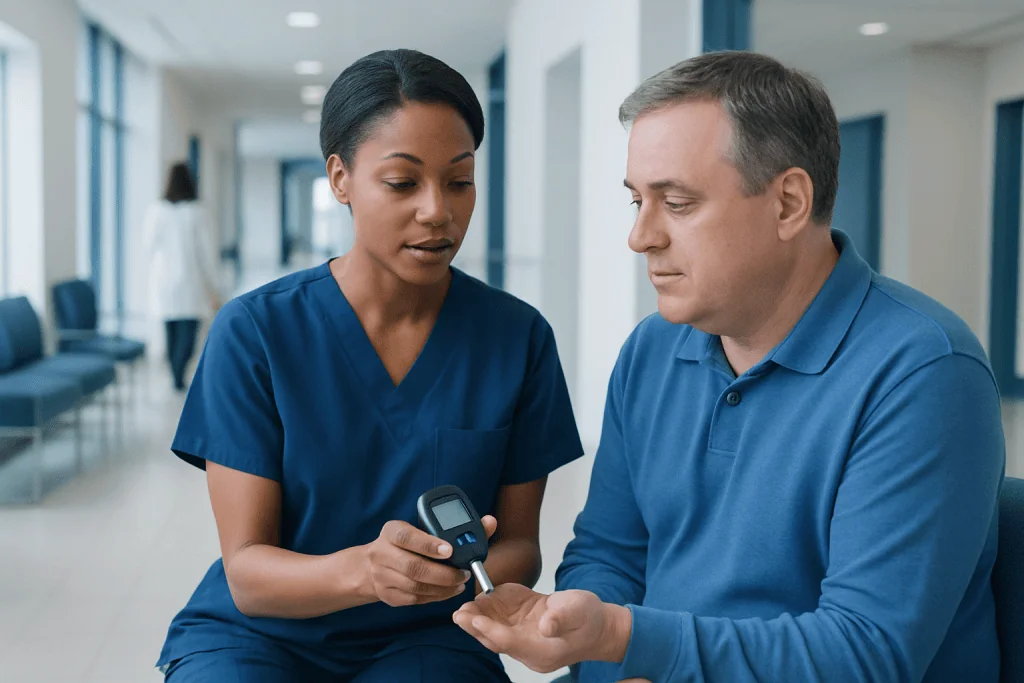
A blood glucose monitoring device may be a finger-stick meter or a continuous glucose monitor, and each has different strengths. These devices do not treat diabetes by themselves, but they provide information that supports food, activity, and medication decisions.
Key Takeaways
- A blood glucose monitoring device may be a finger-stick meter or a continuous glucose monitor, and each has different strengths.
- These devices do not treat diabetes by themselves, but they provide information that supports food, activity, and medication decisions.
- Accurate use matters: clean hands, proper test-strip handling, and understanding trends can improve reliability.
- People should discuss target glucose ranges and testing frequency with a qualified clinician because needs vary by age, treatment, and health status.
- Medical review is important if readings are repeatedly very high or very low, symptoms do not match results, or the device seems inaccurate.
A blood glucose monitoring device is a tool that measures blood sugar and helps people with diabetes or other glucose concerns make informed daily decisions. The right device, correct technique, and knowing how to interpret results can improve safety, treatment planning, and long-term health.
Overview: what a blood glucose monitoring device does
A blood glucose monitoring device measures the amount of glucose, or sugar, in the blood. For many people, this is the most practical way to see how meals, physical activity, stress, illness, sleep, and medications affect blood sugar during daily life. In simple terms, the device does not diagnose every cause of abnormal glucose on its own, but it can provide useful, real-time information that supports safer and more personalized care.
There are two main types. A traditional blood glucose meter uses a small finger-stick blood sample placed on a test strip. A continuous glucose monitor, often called a CGM, uses a small sensor under the skin to estimate glucose levels in the fluid between cells throughout the day and night. Some people use only one type, while others use both for different situations.
This information is especially relevant for people living with diabetes, including those using insulin, but monitoring can also be useful during pregnancy, after some medical procedures, or when a doctor is evaluating possible blood sugar problems. The best device depends on the person’s health needs, treatment plan, comfort with technology, and ability to respond to the results safely.
Who may benefit from monitoring and why it matters
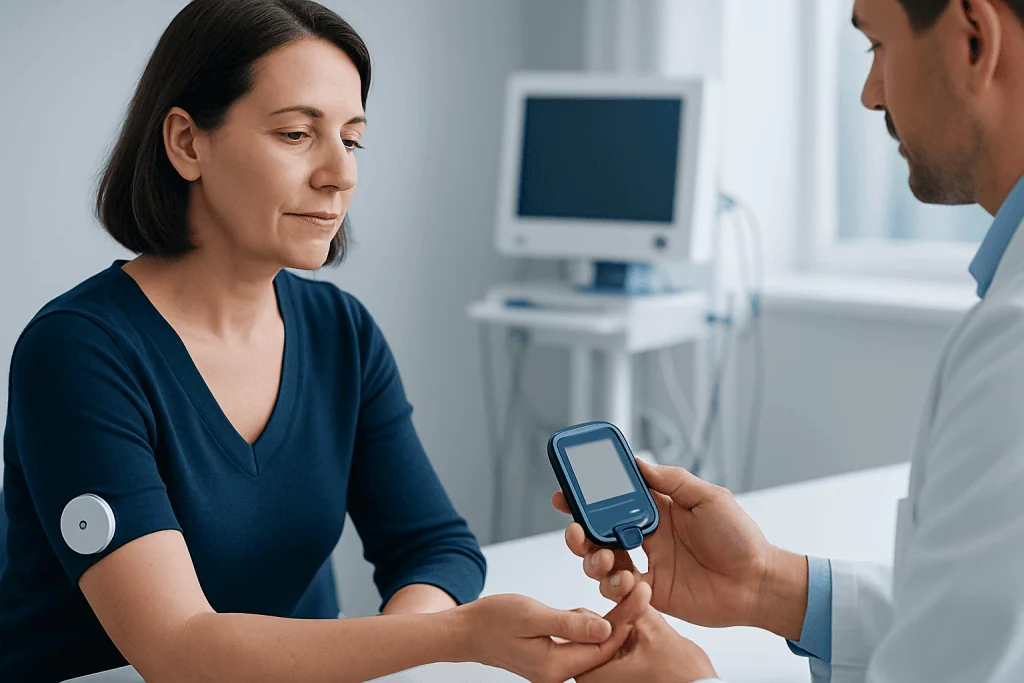
Blood sugar monitoring is often recommended for people with type 1 diabetes, type 2 diabetes, and some forms of diabetes during pregnancy. It can help confirm whether glucose is staying within the target range set by a clinician. It may also help identify patterns, such as morning highs, drops during exercise, or overnight low glucose, that are difficult to notice without regular checks.
Monitoring can be particularly important for people who use insulin or medicines that can cause hypoglycemia, or low blood sugar. In these cases, a blood glucose monitoring device may help reduce the risk of severe symptoms by prompting a person to eat, adjust activity, or contact a healthcare professional when needed. It can also support day-to-day decisions around meal timing, travel, fasting, illness, and recovery from exercise.
For some people with type 2 diabetes who do not use insulin, routine testing may still be useful, but the benefit varies. A doctor may recommend periodic checks rather than frequent daily testing, especially if the main goal is to understand trends or evaluate how well a treatment plan is working. Monitoring is most effective when the results are reviewed in context, not treated as isolated numbers.
Types of devices: meters, CGMs, and connected systems
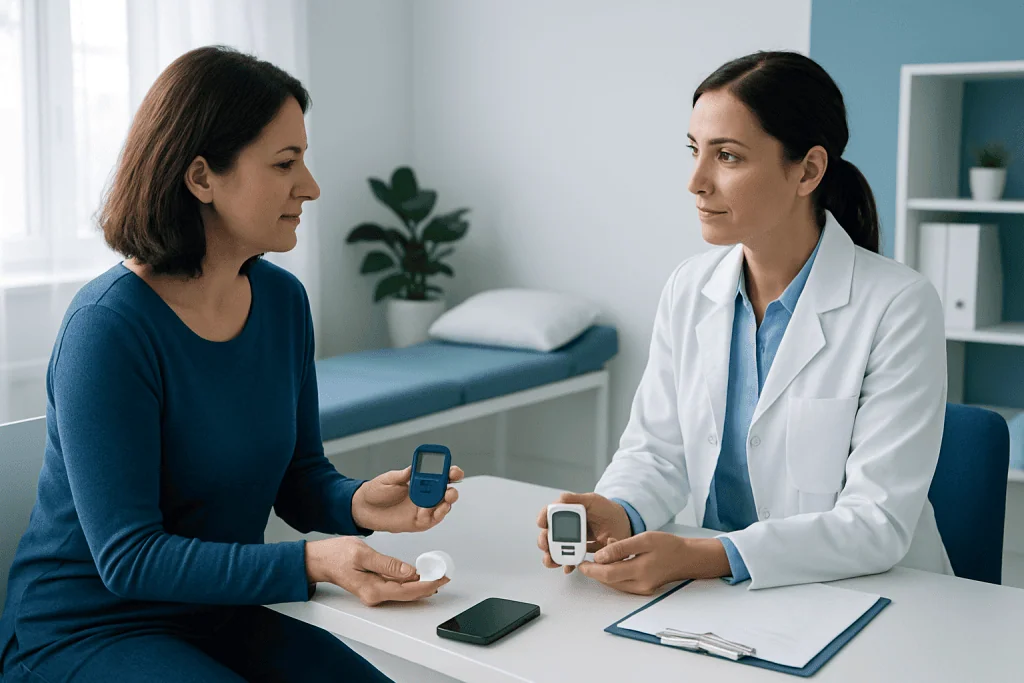
A standard glucose meter is small, portable, and usually gives a result within seconds after a finger-stick test. These devices are widely used and can be very accurate when used correctly. They are often a good option for people who need occasional checks, want a simple method, or need a way to confirm symptoms or compare readings with another device.
Continuous glucose monitors provide repeated readings throughout the day, often with alarms for high or low glucose. This can be helpful for people who experience nighttime lows, frequent fluctuations, or difficulty recognizing symptoms. CGMs focus more on trends and direction of change than a single snapshot, which can make them valuable for adjusting daily routines and discussing care plans with a diabetes team.
Some systems connect to smartphones, smartwatches, insulin pens, or insulin pumps. In certain cases, clinicians may discuss advanced management options such as insulin pump therapy or continuous glucose monitoring as part of a broader treatment strategy. Even with newer technology, users still need education on sensor placement, alerts, data review, and when a finger-stick confirmation is necessary.
When choosing a device, practical factors matter. These include ease of use, screen readability, size of the blood sample, test-strip availability, comfort wearing a sensor, data-sharing features, and whether the person can reliably respond to alarms or notifications. A device is only helpful if it fits into everyday life and can be used consistently.
How to use a blood glucose monitoring device accurately
Good technique improves accuracy. Before using a finger-stick meter, hands should be washed and dried well because food residue, lotions, or moisture can affect results. The test strip should be inserted correctly, and the lancet device should be used according to the manufacturer’s instructions. A very small drop of blood is usually enough, but the sample still needs to fill the strip properly for a reliable reading.
Test strips should be stored as directed, kept dry, and not used past their expiration date. Meters may need occasional quality checks with control solution, especially if results seem unusual. Readings can also be affected by extreme temperatures, altitude, dehydration, or poor circulation in the hands. If the number does not match how the person feels, repeating the test or using another method may be appropriate.
For CGMs, proper sensor placement and calibration, if required by the specific model, are important. Users should know that sensor glucose may lag behind blood glucose, especially when levels are changing quickly after meals, exercise, or treatment for low blood sugar. Because of this delay, a healthcare professional may advise a finger-stick check to confirm some readings before making treatment decisions.
Keeping a simple record can also help. Some people write down glucose readings with notes about meals, exercise, symptoms, stress, or illness. Others use apps that organize data automatically. The goal is not to create perfect numbers every day, but to make patterns easier to understand and discuss with a clinician.
Understanding results: patterns matter more than one number
A single glucose reading can be useful, but repeated patterns are often more meaningful. For example, consistently high readings before breakfast may suggest a different issue than sharp rises after meals. Recurrent low readings during walks or overnight can point to the need for medication, food, or activity adjustments. This is why doctors often review readings over days or weeks rather than focusing on only one result.
Target ranges are individual. Age, pregnancy, kidney function, other medical conditions, and the type of diabetes treatment all influence what is considered acceptable or ideal. For that reason, people should not rely only on general advice from the internet. A clinician can explain when to test, what range to aim for, and what actions are safe for that specific person.
Monitoring also works best when it is paired with broader diabetes evaluation. A doctor may recommend laboratory tests and assessments alongside home monitoring, particularly if diagnosis is uncertain or control is changing. Depending on the situation, evaluation may include diabetes management support or testing such as a glucose tolerance test to better understand how the body handles sugar.
- High readings may be related to missed medication, illness, stress, inactivity, or a large carbohydrate intake.
- Low readings may be linked to delayed meals, excess medication, alcohol, or unplanned physical activity.
- Readings that are inconsistent with symptoms may suggest user error, strip problems, or device malfunction.
Limitations, common problems, and how to stay safe
No blood glucose monitoring device is perfect. Finger-stick meters can vary slightly from one test to another, and CGMs estimate glucose from tissue fluid rather than measuring blood directly. Small differences are expected. This is why trends, symptoms, and the overall treatment plan matter just as much as the reading itself.
Common issues include not enough blood on the strip, expired supplies, sensor adhesion problems, delayed CGM readings during rapid glucose changes, or alarms that are ignored because they happen too often. Some people also find monitoring emotionally tiring, especially if they feel judged by the numbers. A supportive care approach can help people use the information constructively rather than seeing it as a score.
It is also important not to change medication without guidance unless a clinician has already given a clear self-management plan. Adjustments based on incorrect readings or misunderstanding can increase the risk of hypoglycemia or ongoing high glucose. If monitoring results are consistently outside target range, the safer approach is to discuss them with a qualified healthcare professional.
Self-care, follow-up, and when to seek medical care
Self-care starts with knowing the purpose of testing. A person may check before meals, after meals, before driving, before and after exercise, at bedtime, or when feeling unwell, but the best schedule depends on the individual plan. Eating regularly, staying hydrated, taking medicines as prescribed, and attending follow-up appointments all help make monitoring more useful.
Medical care should be sought promptly if blood sugar is repeatedly very high or very low, if symptoms of low glucose do not improve after treatment, or if there are signs of severe dehydration, vomiting, confusion, shortness of breath, or loss of consciousness. People should also contact a doctor if the device appears inaccurate, if readings suddenly change without a clear explanation, or if they are unsure how to respond safely to results.
Routine clinical follow-up remains important even when home monitoring is going well. A healthcare team can review technique, compare home readings with laboratory results, adjust targets, and assess for complications. Near the end of the care pathway, some patients may also value coordinated support from centers such as Acibadem International, where multidisciplinary specialists in JCI-accredited hospitals evaluate and treat diabetes-related needs for international patients.
Frequently asked questions
What is a blood glucose monitoring device?
A blood glucose monitoring device is a tool used to measure glucose levels. It may be a finger-stick meter that checks a drop of blood or a continuous glucose monitor that tracks glucose trends through a sensor worn on the body.
Which is better: a glucose meter or a continuous glucose monitor?
Neither is automatically better for everyone. A glucose meter is simple and useful for spot checks, while a continuous glucose monitor offers trend data and alerts that may help people with frequent highs, lows, or insulin use. The best choice depends on medical needs, lifestyle, and clinician advice.
How often should blood sugar be checked?
Testing frequency varies from person to person. It depends on the type of diabetes, whether insulin or other glucose-lowering medicines are used, daily routines, and the person’s risk of low blood sugar. A doctor or diabetes educator can recommend a schedule that is appropriate and safe.
Can device readings ever be wrong?
Yes. Readings can be affected by unwashed hands, expired strips, incorrect technique, sensor issues, dehydration, or rapid glucose changes. If a result does not match symptoms, it is reasonable to repeat the test, check the device instructions, or speak with a healthcare professional.
Do people without diabetes ever need a blood glucose monitoring device?
Sometimes, but not usually for routine long-term use without a medical reason. A doctor may suggest monitoring during pregnancy, while evaluating symptoms, or after identifying abnormal glucose on laboratory testing. It is best used within a clear clinical plan.
What should someone do if the reading is very low or very high?
They should follow the action plan given by their healthcare team. This may include treating low blood sugar immediately, rechecking after a short interval, or seeking urgent medical advice for very high or very low readings, especially if severe symptoms are present. People should not make major medication changes unless they have been advised how to do so safely.
References
- American Diabetes Association
- Centers for Disease Control and Prevention
- National Institute of Diabetes and Digestive and Kidney Diseases
- World Health Organization
- U.S. Food and Drug Administration
This article is for general information only and is not a substitute for professional medical advice. Please consult a qualified doctor about your individual situation.
Explore treatments in Turkey — costs, top hospitals & a free quote
JCI-accredited · board-certified surgeons · reply within 24h
Add us as a Preferred Source to see more of our trusted health content across Google Search, AI Overviews and Discover.

More from the Health Library

Deep Conditioner: What Patients Need to Know

Urethra Female: A Complete Medical Overview

Acesulfame Potassium: What Patients Need to Know

Agoraphobia: What Patients Need to Know

Glycopezil: What Patients Need to Know