Menses Late Reasons — Explained by Medical Evidence, Not Myths

Pregnancy is a common reason for a late period, but it is not the only one. Stress, sleep disruption, weight change, intense exercise, and travel can affect ovulation and delay bleeding.
Key Takeaways
- Pregnancy is a common reason for a late period, but it is not the only one.
- Stress, sleep disruption, weight change, intense exercise, and travel can affect ovulation and delay bleeding.
- Hormonal conditions such as polycystic ovary syndrome, thyroid disorders, and elevated prolactin can cause irregular or missed periods.
- A doctor may recommend a pregnancy test, history, exam, and targeted blood tests or ultrasound to find the cause.
- Medical care is important if periods are repeatedly late, stop for several months, or come with pain, heavy bleeding, or symptoms of anemia.
Menses late reasons are often medical rather than mysterious: pregnancy, stress, illness, weight changes, exercise, travel, and hormone-related conditions are among the most common causes. A late period is not always a sign of disease, but repeated delays or other symptoms deserve medical attention.
Overview: what late menses usually means
Menses late reasons are usually related to timing changes in ovulation. Menstrual bleeding happens after a sequence of hormone signals between the brain, ovaries, and uterus. If ovulation happens later than usual—or does not happen in that cycle—the period may arrive late or may be missed altogether.
For many people, cycle length is not identical every month. A cycle can vary by several days and still be normal. What matters most is a person’s usual pattern. A period that is clearly later than expected, especially if this happens more than once, should be considered in context: pregnancy possibility, recent stress, weight changes, exercise habits, medications, and symptoms such as acne, excess hair growth, breast discharge, pelvic pain, or hot flashes can all offer clues.
Medical evidence shows that a late period is a symptom, not a diagnosis. Sometimes the reason is temporary and harmless, such as travel across time zones or recovering from an infection. In other cases, it points to a treatable hormone condition, nutritional issue, or reproductive health problem. A careful evaluation helps separate common short-term disruptions from causes that need treatment.
Common menses late reasons
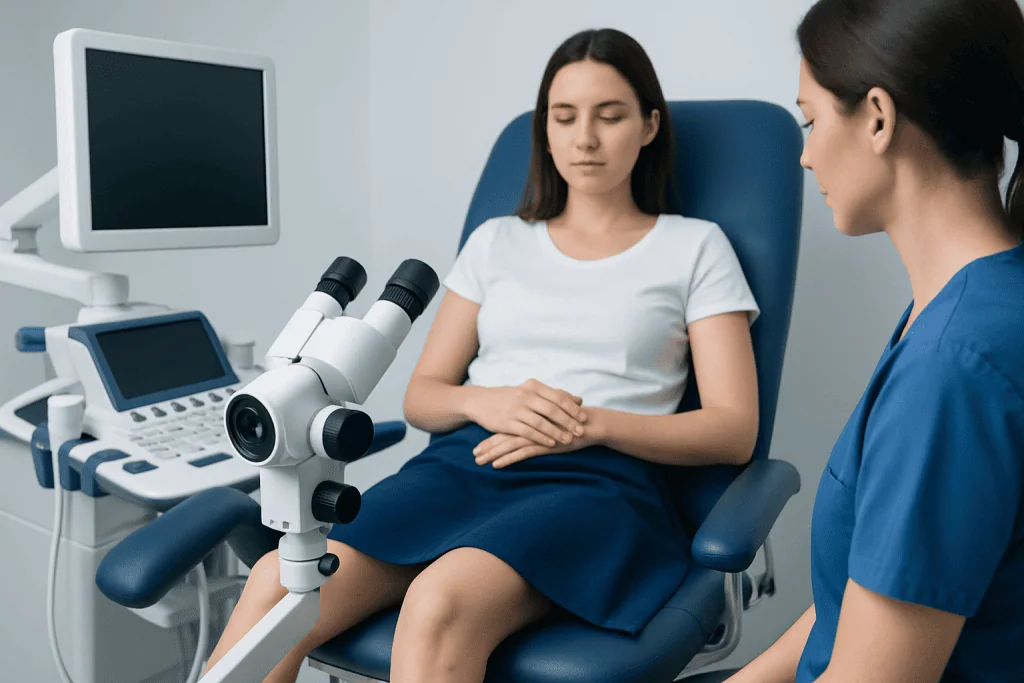
Pregnancy is one of the first causes to consider when a period is late, especially for anyone who is sexually active and not using reliable contraception. Home pregnancy tests are often helpful after a missed period, but timing matters; if the first result is negative and the period still does not come, repeating the test or seeing a clinician is reasonable.
Stress is another very common cause. Emotional stress, poor sleep, shift work, exams, bereavement, and major life events can affect the hypothalamus, the brain area that helps regulate reproductive hormones. This can delay ovulation and make bleeding arrive later than expected. Short-term illness, fever, or recovery from infection may have a similar effect.
Body weight and energy balance also matter. Rapid weight loss, restrictive dieting, eating disorders, or very intense exercise can reduce hormone signals needed for regular ovulation. On the other hand, weight gain and insulin resistance may contribute to hormone imbalance and irregular cycles. Travel, especially across time zones, can temporarily disturb sleep and hormone rhythms as well.
Medications can sometimes play a role. Hormonal contraception may change bleeding patterns, and some medications that affect dopamine, prolactin, thyroid function, or stress hormones can influence cycles. A clinician may review all prescription drugs, over-the-counter products, and supplements when looking for menses late reasons.
Hormonal and medical conditions that can delay periods

One of the most frequent medical causes of late or irregular periods is polycystic ovary syndrome. In this condition, ovulation may happen infrequently or not at all, leading to delayed periods or skipped cycles. Some people also notice acne, scalp hair thinning, weight gain, or increased facial and body hair, although symptoms vary widely.
Thyroid disorders can also change cycle timing. Both an underactive thyroid and an overactive thyroid may interfere with normal hormone balance and bleeding patterns. Symptoms such as fatigue, constipation, feeling unusually cold, tremor, palpitations, weight changes, or changes in hair and skin may point toward the thyroid as an underlying cause.
High prolactin levels are another possibility. Prolactin is the hormone that stimulates milk production, but when it is elevated outside pregnancy or breastfeeding, it can suppress ovulation. Some people notice nipple discharge, headaches, or vision changes, though others have no symptoms apart from missed or late periods.
Perimenopause, premature ovarian insufficiency, chronic illnesses, uncontrolled diabetes, and disorders affecting the hypothalamus or pituitary gland may also be involved. In rare cases, uterine scarring or other structural problems may affect bleeding. When symptoms suggest a broader hormonal issue, doctors may evaluate for endocrine and gynecologic conditions together rather than treating the cycle change as an isolated problem.
How doctors evaluate a late period
Evaluation begins with the menstrual history. A doctor may ask about the date of the last period, usual cycle length, sexual activity, contraception, pregnancy possibility, weight changes, exercise level, recent stress, medications, and symptoms such as pelvic pain, heavy bleeding, acne, hair growth changes, hot flashes, or discharge from the breasts. This history often narrows the list of possible causes quickly.
A pregnancy test is typically the first step when appropriate. Blood tests may then be used to check thyroid function, prolactin, blood sugar or insulin-related concerns, and sometimes reproductive hormones. The exact tests depend on age, symptoms, and whether the issue is a one-time delay or a persistent pattern.
If a structural or ovarian cause is suspected, a pelvic ultrasound may be recommended. This can help assess the ovaries and uterus and is commonly used when clinicians are considering ovarian cysts, fibroids, or signs of conditions such as PCOS. In some situations, doctors may also suggest pelvic ultrasound as part of a broader gynecologic assessment.
The goal is not simply to make bleeding happen once, but to understand why the cycle changed. That is especially important when periods are absent for several months, when pregnancy is possible, or when irregular periods are part of a broader pattern that could affect fertility, bone health, or metabolic health over time.
Treatment depends on the underlying reason
Treatment for late menses is based on the cause. If pregnancy is the reason, care focuses on confirming the pregnancy and discussing next steps. If stress, travel, illness, or a short-term routine disruption is responsible, cycles often return on their own once the body recovers and daily patterns normalize.
When weight change, undernutrition, or intense exercise are contributing factors, treatment may involve restoring energy balance, adjusting physical activity, and addressing any eating disorder or nutritional deficiency. Support from a doctor, dietitian, or mental health professional can be important. If hormonal contraception is affecting bleeding, a clinician may review whether the pattern is expected or whether a different method would be a better fit.
For hormone-related conditions, treatment can be more targeted. PCOS management may include lifestyle measures, cycle regulation, and treatment of insulin resistance or other symptoms. Thyroid disorders, elevated prolactin, and diabetes each have their own medical treatments. If fertility is a concern, the care plan may also include ovulation-focused treatment or referral to specialists such as those involved in fertility evaluation and IVF care when appropriate.
In some cases, especially when periods are absent for a prolonged time, a doctor may recommend medication to protect the uterine lining or to help regulate cycles. If a uterine or ovarian problem is suspected, gynecologic procedures may be part of diagnosis or treatment. For selected patients, this can include approaches such as hysteroscopy to examine the inside of the uterus when clinically indicated.
Self-care, cycle tracking, and prevention
Not every late period can be prevented, but some cycle disruptions become less likely when general health is supported. Regular meals, adequate sleep, stress management, and balanced physical activity all help the brain-ovary-hormone system function more consistently. Avoiding extreme dieting or overtraining is especially important for people whose cycles become irregular during periods of physical strain.
Cycle tracking can be very useful. A calendar, smartphone app, or simple notes can help record the first day of each period, typical cycle length, bleeding amount, pain, and associated symptoms. This information often makes medical evaluation much more accurate because it shows whether the issue is a single late cycle, a pattern of irregularity, or missed ovulation over time.
People who are sexually active and do not wish to become pregnant may benefit from reviewing contraception if cycles are hard to predict. Those trying to conceive should know that irregular periods can make ovulation timing harder to estimate, and medical guidance may help sooner rather than later. If recurring cycle changes are linked with symptoms such as weight changes, acne, unwanted hair growth, or fatigue, early assessment can identify treatable conditions before they cause added stress.
Near the end of evaluation and treatment planning, patients may also seek care from centers with gynecology, endocrinology, imaging, and fertility expertise in one place. Acibadem International’s multidisciplinary specialists and JCI-accredited hospitals diagnose and treat menstrual and reproductive health conditions for international patients.
When to seek medical care
A late period does not always require urgent care, but a medical review is sensible in several situations. A person should consider seeing a doctor if pregnancy is possible, if periods are repeatedly late or absent, if cycles have changed suddenly after being regular, or if there are symptoms such as severe pelvic pain, unusually heavy bleeding, dizziness, fainting, fever, or signs of anemia.
Medical attention is also important when a late period is accompanied by headaches, vision changes, milk discharge from the breasts, major weight change, symptoms of thyroid disease, or signs of high androgen levels such as increasing acne or excess hair growth. These symptoms do not automatically mean a serious problem, but they do justify proper assessment.
Anyone who has no period for three months or longer and is not pregnant should arrange an evaluation. Adolescents who have not started menstruating by the expected age range, or adults approaching menopause who develop unexpected bleeding patterns, should also speak with a qualified clinician. If there is concern about a gynecologic disorder such as endometriosis because of painful periods or persistent pelvic pain, a doctor can guide the next steps.
Frequently asked questions
How many days late can a period be and still be normal?
Some month-to-month variation is normal, and many people do not have exactly the same cycle length every time. A period that is a few days late may not be concerning, but a clearly unusual delay, repeated late cycles, or missed periods should be assessed in context.
Is pregnancy always the reason for a late period?
No. Pregnancy is a common cause, but stress, illness, travel, sleep disruption, weight change, intense exercise, medications, thyroid disorders, and PCOS can also delay periods. A pregnancy test is often the first step when pregnancy is possible.
Can stress really make menses late?
Yes. Stress can affect hormone signals from the brain that help control ovulation, which may delay the period or cause a skipped cycle. The effect may be temporary, but persistent stress or repeated cycle changes should still be discussed with a doctor.
Should a home pregnancy test be repeated if it is negative?
It can be reasonable to repeat it if the period still has not started and pregnancy is possible. Testing too early may miss a pregnancy, so timing matters. If uncertainty continues, a clinician can arrange more reliable testing.
When is a missed period a reason to worry?
Medical advice is important if periods stop for three months, become repeatedly irregular, or are accompanied by severe pain, heavy bleeding, dizziness, fainting, or symptoms such as breast discharge or vision changes. Sudden cycle changes after a history of regular periods are also worth evaluating.
Can irregular or late periods affect fertility?
They can, especially if they reflect infrequent or absent ovulation. This does not mean pregnancy is impossible, but it may make timing harder and can point to a treatable hormonal issue. Early assessment is helpful for people trying to conceive.
References
- American College of Obstetricians and Gynecologists
- National Institute for Health and Care Excellence
- Office on Women's Health
- Endocrine Society
- World Health Organization
This article is for general information only and is not a substitute for professional medical advice. Please consult a qualified doctor about your individual situation.
Explore treatments in Turkey — costs, top hospitals & a free quote
JCI-accredited · board-certified surgeons · reply within 24h
Add us as a Preferred Source to see more of our trusted health content across Google Search, AI Overviews and Discover.
Check your numbers in seconds
BMI, calories, due date, blood pressure and 30+ more clinical calculators — free, instant, doctor-reviewed ranges.

More from the Health Library

Scabies: What Patients Need to Know

Creatinine: What Patients Need to Know

Chicken Pox in Adults — Explained by Medical Evidence, Not Myths

Epidermis: What Patients Need to Know

Cerumen: A Complete Medical Overview