Out of Breath When Walking: An Evidence-Based Guide for Patients
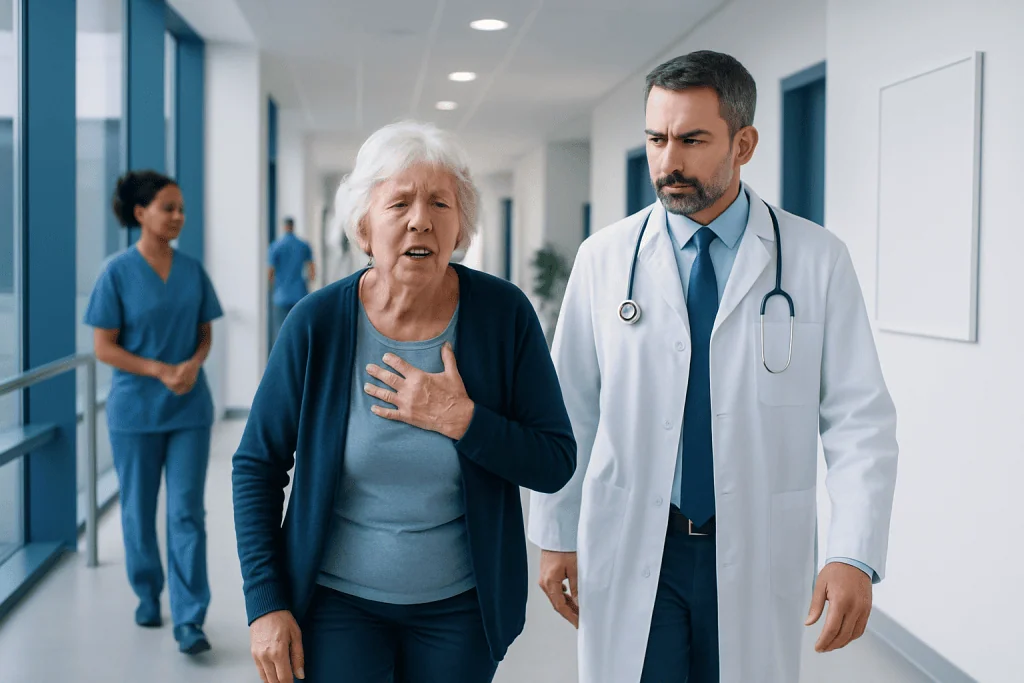
Mild breathlessness with exertion can occur from deconditioning, but new, worsening, or unexplained symptoms should be assessed. Heart, lung, blood, airway, and anxiety-related conditions can all cause shortness of breath when walking.
Key Takeaways
- Mild breathlessness with exertion can occur from deconditioning, but new, worsening, or unexplained symptoms should be assessed.
- Heart, lung, blood, airway, and anxiety-related conditions can all cause shortness of breath when walking.
- Red-flag symptoms such as chest pain, fainting, blue lips, or severe sudden breathlessness need urgent medical attention.
- Doctors diagnose the cause by combining history, examination, oxygen measurement, blood tests, imaging, and heart or lung testing.
- Treatment focuses on the underlying cause and may include lifestyle changes, inhaled medicines, cardiac care, or rehabilitation.
Feeling out of breath when walking is common and is not always a sign of serious disease. It can happen because of low fitness, extra body weight, anemia, anxiety, or conditions affecting the lungs, heart, or airways, so the right next step depends on the pattern of symptoms and any warning signs.
What It Means to Be Out of Breath When Walking
Being out of breath when walking means a person notices unusual effort, tightness, or difficulty getting enough air during activity that may previously have felt manageable. In many cases, this reflects the body working harder to meet oxygen needs. Sometimes that is expected, such as during steep climbing or after a period of inactivity. In other cases, it can be a clue that the lungs, heart, blood, muscles, or airways are not keeping up well with exercise.
Not all breathlessness is the same. Some people describe panting, others chest tightness, a feeling of not being able to take a deep breath, or needing to stop after a short distance. Whether it comes on suddenly or gradually, occurs only on hills or also on flat ground, and improves quickly with rest can all help explain the cause.
A practical way to think about this symptom is to compare it with a person’s usual level of activity. If someone who normally walks comfortably becomes breathless on short walks, develops symptoms more often, or notices new limitations in daily life, medical review is sensible. This is especially important when breathlessness appears without a clear reason, occurs together with wheezing, cough, swelling, palpitations, or chest discomfort, or interrupts sleep.
Common Causes and Why They Happen
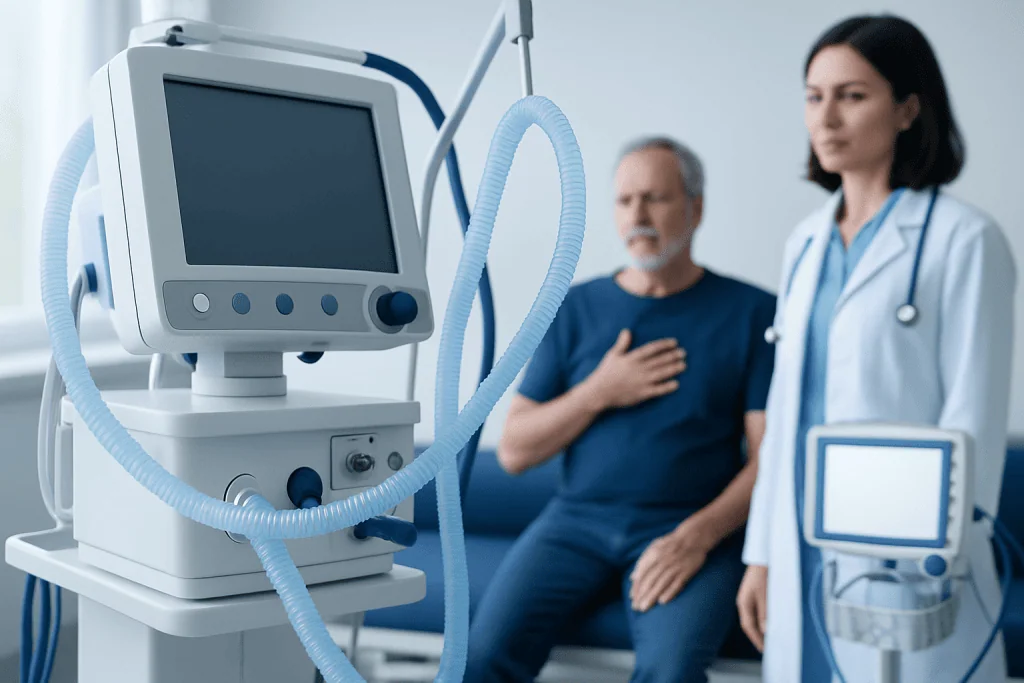
One of the most common reasons for being out of breath when walking is deconditioning. After illness, reduced activity, prolonged desk work, or recovery from surgery, the body may simply be less efficient during movement. Carrying extra weight can also increase the work of breathing and make walking feel harder, especially uphill or at a faster pace.
Lung and airway conditions are another major group of causes. Asthma may lead to chest tightness, cough, or wheezing during or after activity. Chronic obstructive pulmonary disease can reduce airflow and make exertion more difficult. Ongoing respiratory symptoms may sometimes be related to asthma or chronic obstructive pulmonary disease, especially in people with allergies, smoking exposure, or long-term cough.
Heart-related causes matter because the heart and lungs work closely together during exercise. If the heart cannot pump efficiently or blood vessels are narrowed, the body may struggle to deliver enough oxygen during walking. This may happen with coronary artery disease, heart rhythm problems, valve disease, or heart failure. Some people notice fatigue, swelling in the ankles, or breathlessness when lying flat as additional clues.
Other possible causes include anemia, infections, anxiety or panic, thyroid disease, poor sleep, and certain medications. Less often, blood clots in the lungs, interstitial lung disease, or neuromuscular conditions are involved. Because the symptom can come from different body systems, it is best understood in context rather than as a diagnosis on its own.
Clues That Help Distinguish the Cause
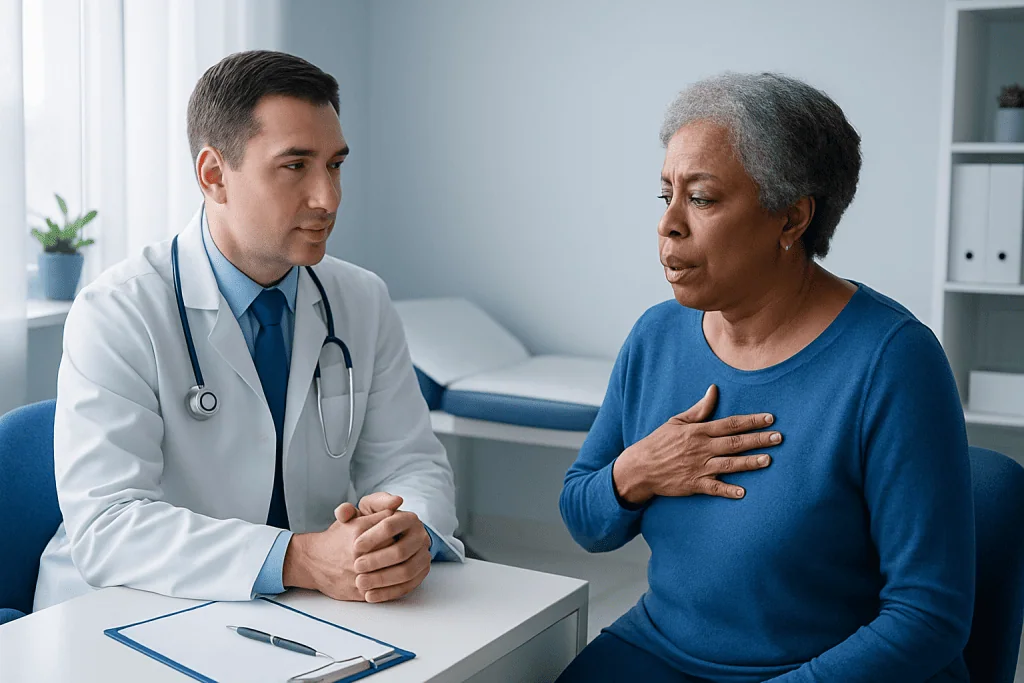
The pattern of symptoms often provides useful clues. Breathlessness that appears mainly after inactivity and slowly improves with regular exercise may fit deconditioning. Symptoms linked to cold air, pollen, exercise bursts, or nighttime coughing can suggest asthma. A chronic cough with mucus, especially in a current or former smoker, may point more toward chronic lung disease.
When breathlessness is accompanied by chest pressure, pain spreading to the arm or jaw, marked fatigue, dizziness, or palpitations, heart-related causes need consideration. Swollen legs, waking up short of breath, or needing extra pillows at night may also suggest fluid buildup or strain on the heart. If the symptom came on suddenly, particularly with chest pain or one-sided leg swelling, urgent assessment is important because a clot or other emergency may need to be ruled out.
Doctors also look at age, medical history, smoking history, exposure to dust or chemicals, and family history. Breathlessness in younger people is often related to fitness, asthma, viral illness, or anxiety, but serious conditions can still occur. In older adults, the cause may be more than one factor at once, such as mild lung disease combined with anemia or heart disease.
Because many people search for a single cause, it helps to remember that breathlessness is often multifactorial. A careful history can be just as important as a test result. That is why describing exactly when symptoms happen, how long they last, and what makes them better or worse can help the medical team make sense of them.
How Doctors Evaluate Shortness of Breath on Walking
Assessment usually begins with questions about timing, triggers, severity, and associated symptoms. A doctor may ask whether the person can climb stairs, walk on flat ground, or carry groceries compared with before. They will also ask about cough, fever, wheezing, chest discomfort, recent travel, smoking, medication use, and any history of heart, lung, or blood disorders.
The physical examination often includes checking breathing rate, heart rate, blood pressure, temperature, and oxygen level with a finger probe. Listening to the chest may reveal wheezing, crackles, or reduced air entry. The doctor may also look for ankle swelling, pale skin, signs of infection, or strain on the heart.
Tests depend on the clinical picture. Common options include blood tests to look for anemia, infection, or thyroid problems; a chest X-ray; an electrocardiogram; and lung function testing. If there is concern about the heart, an echocardiogram may be used as part of echocardiography assessment, while concerns about rhythm may lead to an electrocardiogram. In selected cases, doctors may arrange exercise testing, CT imaging, or more detailed pulmonary evaluation.
The goal is not simply to confirm breathlessness, but to find out why it is happening and whether it is stable, progressive, or urgent. Many patients worry that testing always means a serious disease is likely. In reality, evaluation is often the safest and fastest way to rule out concerning causes and identify treatable ones.
Treatment Depends on the Underlying Cause
There is no single treatment for being out of breath when walking because the right approach depends on the diagnosis. If low fitness is a major factor, gradual conditioning, pacing, and a structured increase in activity can improve exercise tolerance over time. If excess weight contributes, tailored nutrition and movement plans may reduce the breathing effort needed for everyday walking.
When airway or lung disease is involved, treatment may include inhaled medications, breathing strategies, smoking cessation support, vaccination, and pulmonary rehabilitation. If symptoms are related to asthma or chronic lung disease, doctors may recommend formal lung testing and individualized treatment. In some situations, a doctor may assess the need for bronchoscopy or other specialized respiratory investigations, depending on the wider clinical picture.
Heart-related causes are treated differently and may involve medication, rhythm management, blood pressure control, or procedures guided by cardiology findings. If poor oxygen delivery is due to anemia, treatment may focus on correcting iron deficiency, blood loss, or another underlying blood condition. Anxiety-related breathlessness can improve with reassurance, addressing triggers, and evidence-based mental health support rather than trying to simply ignore the symptom.
Breathlessness that follows infection, surgery, or a period of bed rest often improves with time and supervised recovery. Acibadem International’s multidisciplinary specialists in JCI-accredited hospitals evaluate and treat patients with breathlessness using cardiology, pulmonology, imaging, and rehabilitation services when needed.
Self-Care, Prevention, and Tracking Symptoms
Self-care starts with noticing patterns rather than pushing through symptoms blindly. It can help to keep a brief record of when breathlessness happens, how far a person can walk, whether stairs are harder than usual, and whether symptoms come with cough, wheeze, or chest discomfort. This information can make a medical appointment more productive.
General prevention steps support both lung and heart health. These include not smoking, avoiding secondhand smoke, staying up to date with recommended vaccines, managing blood pressure and cholesterol, and building activity gradually. People with known asthma or heart disease should follow their care plan and use medicines as prescribed.
Simple pacing strategies can also help. Warming up before brisk walking, slowing the pace on hills, resting when needed, and practicing pursed-lip breathing may reduce discomfort in some people. Good sleep, hydration, and treatment of allergies or nasal congestion can make activity feel easier as well.
However, self-care should not replace assessment when symptoms are new, worsening, or unexplained. Breathlessness that limits daily life deserves attention even if it comes and goes. Early evaluation can identify problems at a stage when they are more manageable.
When to Seek Medical Care
Prompt medical advice is appropriate if a person becomes out of breath when walking more easily than before, especially if the change lasts more than a few days or keeps recurring. A routine appointment is also sensible for breathlessness with cough, wheezing, fatigue, reduced exercise tolerance, ankle swelling, or unexplained weight change.
Urgent medical care is needed for severe or sudden shortness of breath, chest pain or pressure, fainting, confusion, blue lips or fingertips, coughing up blood, or breathlessness at rest. These symptoms can signal a medical emergency and should not be watched at home. People with known heart or lung disease should also seek urgent help if their usual medicines stop working as expected or symptoms worsen quickly.
In general, patients do not need to diagnose the cause themselves before asking for help. New breathlessness is a symptom worth taking seriously, but not fearfully. A calm, timely evaluation is usually the best next step.
Frequently asked questions
Is it normal to be out of breath when walking?
Some breathlessness during faster walking, climbing, or steep hills can be normal, especially after inactivity. It is less likely to be normal if it is new, worsening, happens on flat ground, or limits usual daily activities.
Can being out of breath when walking just mean poor fitness?
Yes, deconditioning is a common cause, particularly after illness or a long period of reduced activity. Still, poor fitness should be considered a diagnosis only after more concerning causes are excluded based on symptoms, history, and sometimes testing.
What symptoms suggest a heart or lung problem?
Warning features can include chest pain, wheezing, persistent cough, palpitations, leg swelling, fainting, or breathlessness that is getting worse. Breathlessness at rest, nighttime symptoms, or trouble lying flat also deserve medical attention.
How is shortness of breath when walking diagnosed?
Doctors usually begin with a detailed history and physical examination, then choose tests based on the likely cause. These may include oxygen measurement, blood tests, a chest X-ray, an ECG, lung function tests, or heart imaging.
Can anxiety cause breathlessness while walking?
Yes, anxiety can create a sensation of air hunger or difficulty taking a satisfying breath, sometimes more noticeable during activity. However, anxiety should not be assumed to be the cause until a clinician has considered physical causes as well.
When should someone go to the emergency department for breathlessness?
Emergency care is appropriate for sudden severe shortness of breath, chest pain, blue lips, fainting, confusion, or coughing up blood. These symptoms may reflect a serious heart or lung problem and should be assessed urgently.
This article is for general information only and is not a substitute for professional medical advice. Please consult a qualified doctor about your individual situation.
Explore treatments in Turkey — costs, top hospitals & a free quote
JCI-accredited · board-certified surgeons · reply within 24h
Add us as a Preferred Source to see more of our trusted health content across Google Search, AI Overviews and Discover.

More from the Health Library

Third Degree Heart Block — Explained by Medical Evidence, Not Myths

Vora Skin Tag Remover — Explained by Medical Evidence, Not Myths
Oblique: An Evidence-Based Guide for Patients

Discharge After Sexual Intercourse: An Evidence-Based Guide for Patients

Baby Tick: A Complete Medical Overview