

Erythroblastosis Fetalis: Symptoms, Causes, and Treatment Options

Erythroblastosis fetalis is also called hemolytic disease of the fetus and newborn. It happens when maternal antibodies attack fetal red blood cells, leading to anemia and jaundice.
Key Takeaways
- Erythroblastosis fetalis is also called hemolytic disease of the fetus and newborn.
- It happens when maternal antibodies attack fetal red blood cells, leading to anemia and jaundice.
- Rh incompatibility is the most common cause, but ABO and other blood group incompatibilities can also contribute.
- Routine prenatal blood testing can identify risk early and guide prevention.
- Treatment may include close monitoring, early delivery planning, phototherapy, transfusion, or fetal procedures in severe cases.
Erythroblastosis fetalis is a condition in which a pregnant person's antibodies cross the placenta and destroy a baby's red blood cells, most often because of Rh incompatibility. With modern screening, preventive injections, and close specialist care, many pregnancies and newborns do very well.
Overview
Erythroblastosis fetalis is a blood condition that develops when antibodies from the pregnant person cross the placenta and break down the baby’s red blood cells. This causes hemolysis, which can lead to fetal anemia before birth and jaundice after birth. In current medical practice, the condition is often referred to as hemolytic disease of the fetus and newborn.
The most familiar cause is Rh incompatibility. This can happen when the mother is Rh-negative and the baby is Rh-positive, inherited from the other parent. If the mother’s immune system becomes sensitized to Rh-positive blood cells, it may produce antibodies that affect a current or future pregnancy.
Although the condition can sound worrying, it is now much more manageable than in the past. Routine prenatal screening, preventive Rh immune globulin, and specialist fetal monitoring have greatly reduced the risk of severe complications. When needed, care may involve neonatology, maternal-fetal medicine, and specialists in hematology care.
How the condition develops
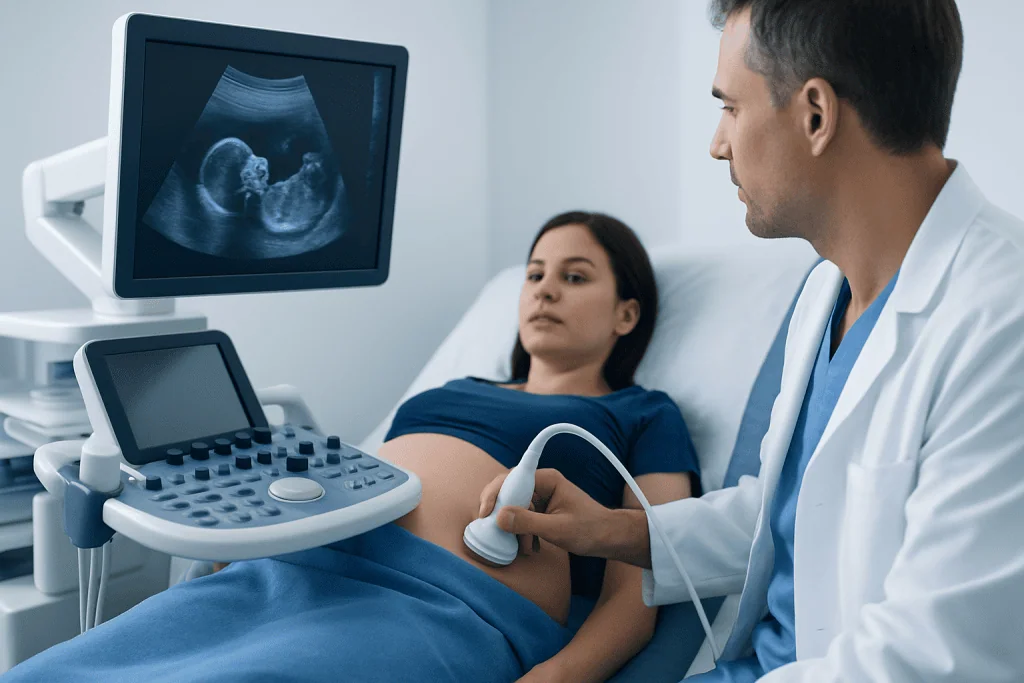
The immune process begins when fetal red blood cells enter the maternal circulation. This may happen during childbirth, miscarriage, abortion, ectopic pregnancy, bleeding during pregnancy, abdominal trauma, or certain procedures such as amniocentesis. In response, the maternal immune system may recognize the baby’s red blood cells as foreign and create antibodies against them.
In a first sensitizing pregnancy, the baby may be only mildly affected or not affected at all. The larger concern is often a later pregnancy with another baby carrying the same blood antigen. During that pregnancy, maternal antibodies can cross the placenta more readily and destroy fetal red blood cells, causing worsening anemia.
As the fetus tries to replace these red blood cells, the bone marrow works harder and may release immature red blood cells into the circulation, which is where the older term “erythroblastosis” comes from. If anemia becomes severe, the baby’s heart can struggle to keep up, and fluid may build up in tissues and organs, a serious condition called hydrops fetalis.
Symptoms and possible effects on the baby

Erythroblastosis fetalis usually does not cause symptoms in the pregnant person, so it is commonly discovered through prenatal blood testing and fetal monitoring rather than from how the mother feels. The effects are mainly seen in the fetus or newborn.
Before birth, warning signs may include fetal anemia, an enlarged liver or spleen, fluid accumulation, or signs of hydrops on ultrasound. Specialists may also detect changes in blood flow that suggest anemia. In very severe cases, the condition can threaten the pregnancy if not recognized and treated promptly.
After birth, a newborn may develop jaundice, pale skin, sleepiness, poor feeding, or swelling. Jaundice happens because the breakdown of red blood cells produces bilirubin. If bilirubin levels rise too high, they can affect the brain, which is why prompt newborn assessment and treatment are important.
- Fetal anemia
- Newborn jaundice
- Enlarged liver or spleen
- Generalized swelling or hydrops fetalis
- In severe cases, heart strain or breathing problems after birth
Causes and risk factors
Rh incompatibility is the classic cause of erythroblastosis fetalis. It occurs when an Rh-negative mother carries an Rh-positive baby. If sensitization occurs, maternal anti-D antibodies can cross the placenta and destroy the baby’s red blood cells. Preventive treatment with Rh immune globulin has made this form much less common in places with routine prenatal care.
ABO incompatibility can also cause hemolytic disease, especially when the mother has type O blood and the baby has type A or B blood. This form is often milder than Rh disease, but it can still lead to newborn jaundice and anemia. Other less common blood group antibodies, such as Kell, Duffy, or Kidd antibodies, may also cause clinically significant disease.
Risk factors include a prior pregnancy affected by blood group incompatibility, previous miscarriage or ectopic pregnancy, bleeding during pregnancy, abdominal trauma, blood transfusion with incompatible blood, or invasive prenatal procedures. Families already familiar with jaundice in newborns may hear about erythroblastosis fetalis when doctors investigate why a baby develops jaundice very early or more severely than expected.
Diagnosis during pregnancy and after birth
Diagnosis begins with routine prenatal blood tests. These usually include ABO and Rh typing and an antibody screen early in pregnancy. If the mother is Rh-negative or has clinically important antibodies, repeat testing and referral to a maternal-fetal medicine specialist may be recommended.
When there is a known risk, doctors monitor the fetus carefully. Ultrasound can look for signs of anemia or fluid buildup, and Doppler ultrasound of the middle cerebral artery can help estimate whether fetal anemia is developing. In selected cases, more direct testing may be needed to confirm severity and guide treatment planning.
After birth, the newborn is assessed with a physical examination and blood tests. These may include the baby’s blood type, bilirubin level, hemoglobin or hematocrit, and a direct antiglobulin test, also called a direct Coombs test. If jaundice is present, clinicians also consider other causes, including neonatal jaundice, to ensure the newborn receives the most appropriate care.
Treatment options
Treatment depends on how severe the disease is and whether it is affecting the fetus before birth or the baby after delivery. Mild cases may only need careful monitoring. More serious cases require coordinated care from obstetric, fetal medicine, and newborn specialists.
During pregnancy, the first goal is to prevent sensitization whenever possible by giving Rh immune globulin to eligible Rh-negative mothers. If significant fetal anemia develops, treatment may include intrauterine transfusion, a specialized procedure that delivers compatible red blood cells to the fetus. In some situations, doctors may recommend planned early delivery once the baby can be safely cared for outside the womb.
After birth, treatment focuses on anemia and high bilirubin levels. Newborns may receive phototherapy for jaundice, intravenous fluids, or blood transfusion if anemia is significant. In more severe cases, an exchange transfusion may be needed to remove bilirubin and maternal antibodies from the baby’s circulation. Depending on the newborn’s needs, management can involve neonatology care and blood transfusion.
Because each case is different, treatment decisions are individualized. Near the end of the care pathway, some families seek support at centers such as Acibadem International, where multidisciplinary specialists in JCI-accredited hospitals diagnose and treat complex maternal-fetal and newborn blood conditions for international patients.
Prevention and self-care
The most effective prevention for Rh-related erythroblastosis fetalis is timely prenatal care. Early blood typing and antibody screening help identify who may need monitoring or preventive Rh immune globulin. Rh-negative pregnant patients should ask their care team whether they need this injection during pregnancy, after delivery, or after events that may expose them to fetal blood.
Self-care does not replace medical treatment, but it can support safer pregnancy follow-up. Keeping all prenatal appointments, reporting any vaginal bleeding or abdominal trauma promptly, and sharing details about prior pregnancies, miscarriages, transfusions, or procedures can help the care team assess risk accurately.
Parents of affected newborns should follow instructions about feeding, bilirubin checks, and follow-up visits after discharge. If a baby appears more yellow, unusually sleepy, difficult to wake for feeds, or less interested in feeding, medical review should not be delayed. These steps help reduce the chance of complications and support recovery.
When to seek medical care
Medical advice should be sought promptly during pregnancy if there is vaginal bleeding, abdominal injury, decreased fetal movement, or if an Rh-negative patient has missed recommended follow-up after a sensitizing event. People who already know they have red cell antibodies should keep close contact with their obstetric team and attend all specialist appointments.
After birth, urgent assessment is needed if a newborn develops jaundice within the first 24 hours, has increasing yellowing of the skin or eyes, poor feeding, unusual sleepiness, limpness, breathing difficulty, or swelling. These signs do not always mean severe illness, but they should be evaluated quickly because newborn bilirubin levels can rise rapidly.
Families should also seek medical care if they have questions about future pregnancies after a previously affected baby. Preconception or early prenatal counseling can clarify blood group risks, discuss testing, and plan preventive care well before complications arise.
Frequently asked questions
Is erythroblastosis fetalis the same as hemolytic disease of the newborn?
They are closely related terms. Erythroblastosis fetalis is an older name, while hemolytic disease of the fetus and newborn is the term more commonly used today. Both describe antibody-related destruction of a baby's red blood cells.
Can a first pregnancy be affected?
Yes, but severe Rh disease is more often seen in a later pregnancy after sensitization has already occurred. A first pregnancy can still be affected, especially if sensitization happened earlier through miscarriage, bleeding, transfusion, or a procedure. ABO incompatibility can also affect a first baby.
How is Rh incompatibility prevented?
Rh incompatibility is commonly prevented with Rh immune globulin given to eligible Rh-negative pregnant patients. It is usually offered at specific points in pregnancy and after delivery if the baby is Rh-positive, and may also be given after bleeding, trauma, or certain procedures. A doctor can explain the exact timing for each situation.
What happens if a newborn has jaundice from erythroblastosis fetalis?
The baby will usually be monitored closely for bilirubin levels and anemia. Treatment may include more frequent feeding support, phototherapy, and sometimes transfusion-based care if the condition is more severe. Early treatment is effective in many cases and helps prevent complications.
Will future pregnancies be at risk?
They may be, depending on the mother's antibodies and the baby's blood type. That is why anyone with a history of an affected pregnancy should have early prenatal care in future pregnancies. Specialist monitoring can help detect problems early and guide treatment.
Can erythroblastosis fetalis be treated before birth?
Yes. If testing suggests significant fetal anemia, fetal medicine specialists may monitor the baby closely and, in selected cases, perform an intrauterine transfusion. The timing and approach depend on the severity of anemia and how far along the pregnancy is.
References
- American College of Obstetricians and Gynecologists
- American Academy of Pediatrics
- National Institutes of Health
- NHS
- Merck Manual
This article is for general information only and is not a substitute for professional medical advice. Please consult a qualified doctor about your individual situation.
Explore treatments in Turkey — costs, top hospitals & a free quote
JCI-accredited · board-certified surgeons · reply within 24h
Add us as a Preferred Source to see more of our trusted health content across Google Search, AI Overviews and Discover.

More from the Health Library



Related Specialists

Dr. Zeynep Sağırkaya
Occupational Medicine
Dr. Erhan Zöhre
Emergency Service
Assoc. Prof. Dr. İletişim | 444 55 44
Pediatric Nephrology
Prof. Dr. Mustafa Öztürk
Radiology