Lymphoma Symptoms in Women: Common Causes, Related Conditions, and When to See a Doctor

The most common early sign of lymphoma is a painless swollen lymph node in the neck, armpit, or groin. Symptoms such as night sweats, fever, fatigue, itching, and weight loss are not specific to lymphoma and may have many causes.
Key Takeaways
- The most common early sign of lymphoma is a painless swollen lymph node in the neck, armpit, or groin.
- Symptoms such as night sweats, fever, fatigue, itching, and weight loss are not specific to lymphoma and may have many causes.
- Women may notice symptoms during routine self-care, menstrual tracking, or evaluation for anemia, infections, or hormonal changes.
- Diagnosis usually involves a physical exam, blood tests, imaging, and often a lymph node biopsy.
- Persistent, unexplained, or worsening symptoms should be assessed by a qualified doctor.
Lymphoma symptoms in women often include painless swollen lymph nodes, ongoing fatigue, night sweats, fevers, itching, or unexplained weight loss, but these symptoms can also happen with infections and other non-cancerous conditions. What matters most is whether symptoms persist, recur, or appear together, especially if they are unexplained.
Overview: what lymphoma symptoms in women can look like
Lymphoma symptoms in women most often include painless swelling of one or more lymph nodes, commonly in the neck, underarm, or groin. Some women also develop so-called “whole-body” symptoms such as night sweats, fever, unusual tiredness, unexplained weight loss, or ongoing itching. These signs do not automatically mean lymphoma, but they deserve attention if they continue or occur together without a clear reason.
Lymphoma is a cancer of the lymphatic system, which is part of the body’s immune defense. It broadly includes Hodgkin lymphoma and non-Hodgkin lymphoma, and different types can behave differently. Some grow slowly and cause subtle symptoms over time, while others develop more quickly and lead to a more noticeable change in health.
Women do not usually have a completely different symptom pattern from men, but symptoms may be noticed in a different context. For example, tiredness may be mistaken for stress, low iron, poor sleep, or hormonal changes, and enlarged lymph nodes may first be found during skin care, shaving, or breast-related self-checks. Understanding the overall pattern can help women know when to seek medical advice rather than dismissing symptoms too quickly.
Common symptoms women may notice
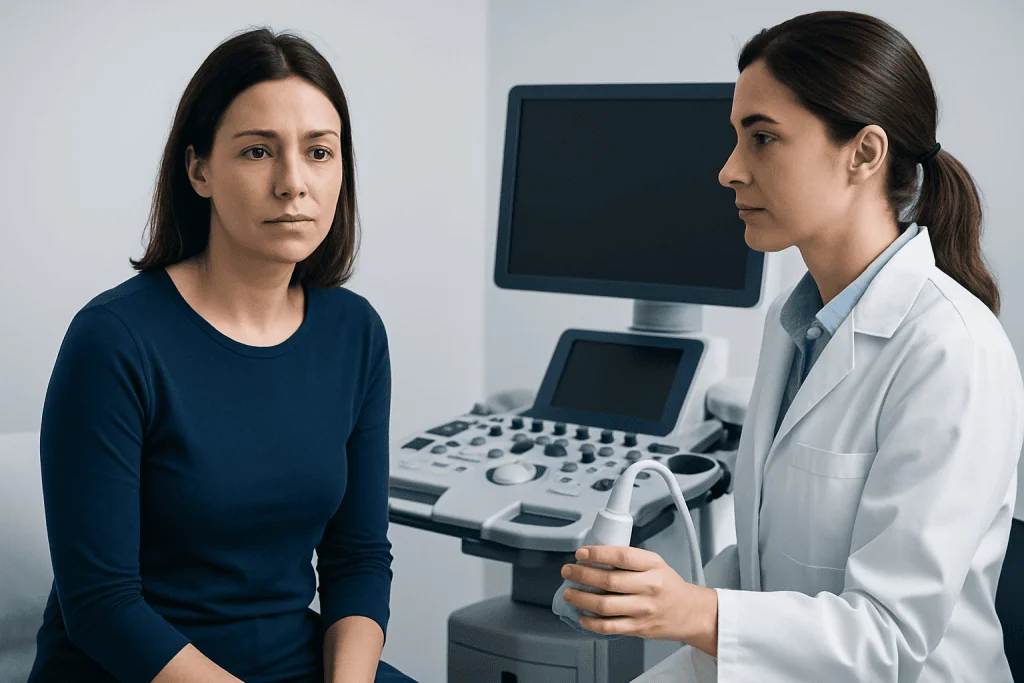
The clearest symptom is often a swollen lymph node that feels enlarged but not especially painful. Lymph nodes may become noticeable in the neck, above the collarbone, under the arms, or in the groin. In some cases, swollen nodes deeper inside the chest or abdomen cannot be felt from the outside but can still cause symptoms such as cough, chest discomfort, bloating, or a sense of fullness.
Many people with lymphoma also describe persistent fatigue that does not improve with rest. This is different from simply having a busy week or a poor night’s sleep. Some women also report drenching night sweats, recurrent fevers, chills, loss of appetite, or unintentional weight loss.
Other symptoms can be more general and easier to overlook. These may include:
- Itchy skin without an obvious rash or allergy
- Shortness of breath or cough if lymph nodes in the chest are enlarged
- Abdominal swelling, pain, or early fullness after eating
- Frequent infections or slow recovery from illness
- A feeling of pressure, heaviness, or discomfort in one area where nodes are enlarged
Some women also first present with abnormal blood counts, recurrent tiredness, or symptoms related to anemia. If lymphoma affects the bone marrow or immune system, it may lead to broader health changes that prompt further testing. For more general background, readers may find it helpful to review lymphoma.
Why symptoms can be easy to misread
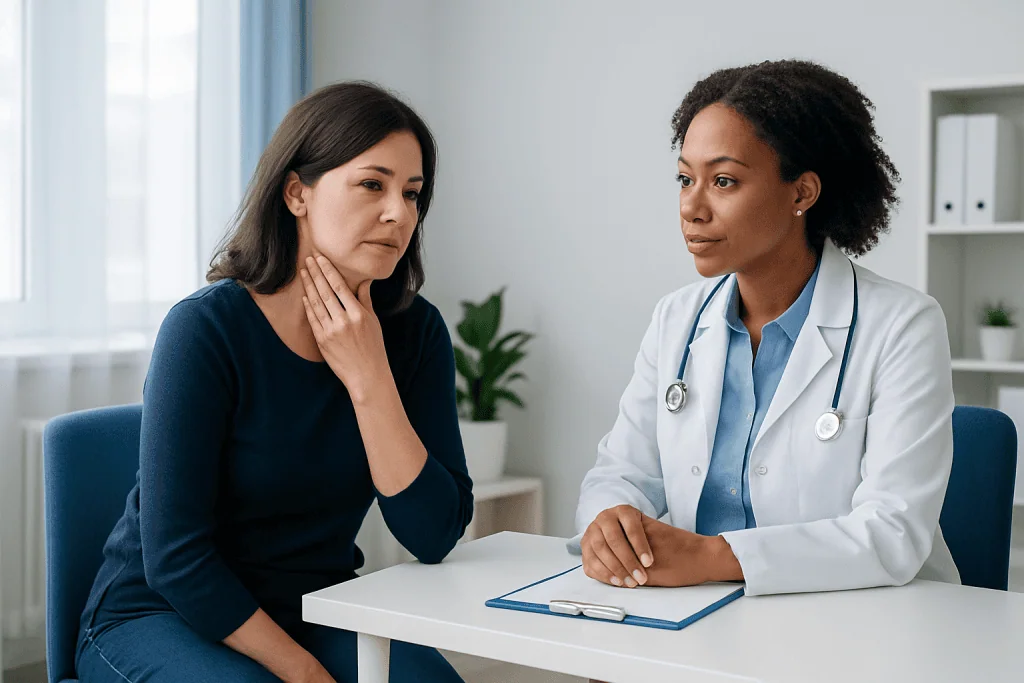
One reason lymphoma can be difficult to recognize early is that its symptoms overlap with many common conditions. Fatigue may be linked to parenting, work demands, stress, poor sleep, thyroid problems, or iron deficiency. Night sweats may be mistaken for warm weather, medication effects, perimenopause, or menopause. Mild weight loss may not stand out at first, especially if appetite changes are subtle.
Swollen lymph nodes are also very common after infections. A cold, sore throat, dental issue, or skin infection can cause temporary enlargement of lymph nodes, and in many cases this improves on its own. What raises concern is a node that stays enlarged for weeks, keeps growing, feels firm, or appears along with fever, drenching night sweats, or unexplained weight loss.
Women sometimes encounter another challenge: symptoms may be spread across different body systems rather than pointing clearly to one problem. For example, a person may have itching, fatigue, and a mild cough but no obvious lump. This is why symptom duration, progression, and the full medical history matter as much as any single sign.
Common causes and related conditions that can mimic lymphoma
Most symptoms associated with lymphoma are not specific to cancer. Infections are among the most common alternatives, including viral illnesses such as mononucleosis, upper respiratory infections, and some bacterial infections. Autoimmune conditions can also enlarge lymph nodes or cause fatigue, fever, and weight changes.
Hormonal and blood-related issues may overlap as well. Iron deficiency anemia, thyroid disorders, chronic inflammatory conditions, medication side effects, and menopausal changes can all produce symptoms that resemble part of the lymphoma picture. This is one reason doctors do not diagnose lymphoma from symptoms alone.
Related conditions may include:
- Viral or bacterial infections
- Autoimmune diseases
- Thyroid disease
- Iron deficiency or other causes of anemia
- Benign enlarged lymph nodes after immune activation
- Other blood or immune system disorders such as leukemia
A careful evaluation aims to sort out these possibilities without jumping to conclusions. The goal is not to assume the worst, but to identify when symptoms are routine and when they need a more focused cancer workup.
How doctors evaluate suspected lymphoma
Diagnosis starts with a detailed medical history and physical examination. A doctor will ask when symptoms began, whether they are changing, and whether there have been infections, medication changes, travel, menstrual or menopausal changes, or a family history of blood cancers. The doctor will also examine areas where lymph nodes can be felt and look for signs such as fever, rash, or organ enlargement.
Blood tests may help assess blood counts, inflammation, liver and kidney function, and signs of infection or other causes of symptoms. Imaging studies such as ultrasound, CT, or PET/CT can help show enlarged lymph nodes inside the body and whether there is involvement in more than one area. In many cases, the most important step is a tissue sample.
A biopsy is the main test used to confirm lymphoma and determine its exact type. This may involve removing all or part of a lymph node for examination by a pathologist. Depending on the situation, doctors may also recommend advanced PET-CT imaging or a biopsy to clarify the diagnosis and guide treatment planning.
Because lymphoma includes many subtypes, identifying the exact form is essential. Treatment decisions are based not only on symptoms but also on the lymphoma subtype, how far it has spread, how quickly it is growing, and the person’s overall health.
Treatment options and what influences care
Treatment depends on the specific type of lymphoma, its stage, the pace of disease, and the patient’s age, overall health, and preferences. Some slow-growing lymphomas may be monitored closely for a period before active treatment is needed. More active forms usually require treatment soon after diagnosis.
Common treatment approaches include chemotherapy, immunotherapy, targeted therapy, radiation therapy, or combinations of these. In selected situations, stem cell transplantation may be considered. For some patients, care also includes supportive treatment to manage fatigue, infections, pain, or nutrition-related issues during therapy.
Modern care is typically planned by a multidisciplinary team that may include hematologists, medical oncologists, radiation oncologists, radiologists, pathologists, and supportive care specialists. Where appropriate, women may be referred for medical oncology evaluation or hematology assessment to define the best next step.
Near the end of the diagnostic pathway, some patients seek care in centers with broad expertise in blood cancers. Acibadem International’s multidisciplinary specialists and JCI-accredited hospitals diagnose and treat lymphoma for international patients, with treatment plans tailored to the confirmed subtype and individual clinical needs.
What women can do while monitoring symptoms
Self-care cannot diagnose or treat lymphoma, but it can help women notice patterns that are useful during a medical visit. Keeping a simple symptom record may be especially helpful. This can include when a swollen node was first noticed, whether it changed in size, episodes of fever or night sweats, changes in weight, skin itching, appetite, and energy levels.
It is also sensible to review any recent infections, new medications, travel, or other health changes. If fatigue is prominent, doctors may ask about sleep, heavy menstrual bleeding, diet, stress, and prior anemia. This broader context helps guide testing and may point toward a non-cancerous explanation.
General healthy habits support overall well-being during evaluation, such as staying hydrated, eating regular balanced meals, and seeking medical review rather than repeated self-diagnosis online. However, no home remedy should replace assessment if symptoms are persistent, unexplained, or progressive.
When to seek medical care
A woman should arrange medical evaluation if she has a swollen lymph node that lasts more than a few weeks, continues to enlarge, or appears without a clear infection. Medical care is also appropriate for persistent fatigue, unexplained fever, drenching night sweats, itching, or weight loss that cannot be easily explained.
More urgent assessment may be needed if symptoms include trouble breathing, chest pain, severe weakness, rapidly increasing swelling, or abdominal pain with marked fullness. These symptoms can have many causes, but they should not be ignored.
In practical terms, the most important question is not whether one symptom matches an online list, but whether the overall pattern is unusual for that person and not improving. A qualified doctor can decide whether symptoms are most likely related to infection, hormonal change, a blood disorder, or a condition that needs more urgent cancer testing.
Frequently asked questions
Are lymphoma symptoms in women different from those in men?
Most core lymphoma symptoms are similar in women and men, including swollen lymph nodes, fatigue, fever, night sweats, and weight loss. The difference is often in how symptoms are interpreted, since women may attribute them to stress, hormonal changes, anemia, or menopause before lymphoma is considered.
What is usually the first sign of lymphoma in women?
A painless swollen lymph node is one of the most common early signs. It may be noticed in the neck, underarm, or groin, although some enlarged nodes are deeper in the chest or abdomen and cause less obvious symptoms.
Can menopause or perimenopause look like lymphoma?
Yes, there can be overlap, especially with night sweats, poor sleep, and fatigue. The difference is that lymphoma may also involve persistent swollen lymph nodes, unexplained fever, itching, or weight loss, so symptoms that are unusual or persistent should be reviewed by a doctor.
Does lymphoma always cause pain?
No. Enlarged lymph nodes from lymphoma are often painless, which is one reason they may be overlooked. Pain can occur in some cases, but its absence does not rule lymphoma in or out.
How long should a swollen lymph node last before seeing a doctor?
Many swollen nodes from minor infections improve within a short time. If a lymph node remains enlarged for several weeks, keeps growing, feels firm, or is accompanied by fever, night sweats, or weight loss, medical evaluation is advisable.
Can blood tests alone diagnose lymphoma?
No, blood tests can provide useful clues but usually cannot confirm lymphoma by themselves. A biopsy of a lymph node or other affected tissue is commonly needed to make the diagnosis and identify the exact subtype.
References
- National Cancer Institute
- American Cancer Society
- Leukemia & Lymphoma Society
- NHS
- Mayo Clinic
This article is for general information only and is not a substitute for professional medical advice. Please consult a qualified doctor about your individual situation.
Lymphoma in Turkey — costs, top hospitals & a free quote
JCI-accredited · board-certified surgeons · reply within 24h
Add us as a Preferred Source to see more of our trusted health content across Google Search, AI Overviews and Discover.

Medical Oncology Department
Medical treatment of cancer with chemotherapy, immunotherapy and targeted therapies under a multidisciplinary tumor board.
60 specialists in this unit