Early Pregnancy Lower Back: What Is Normal, What Is Not, and When to Seek Care
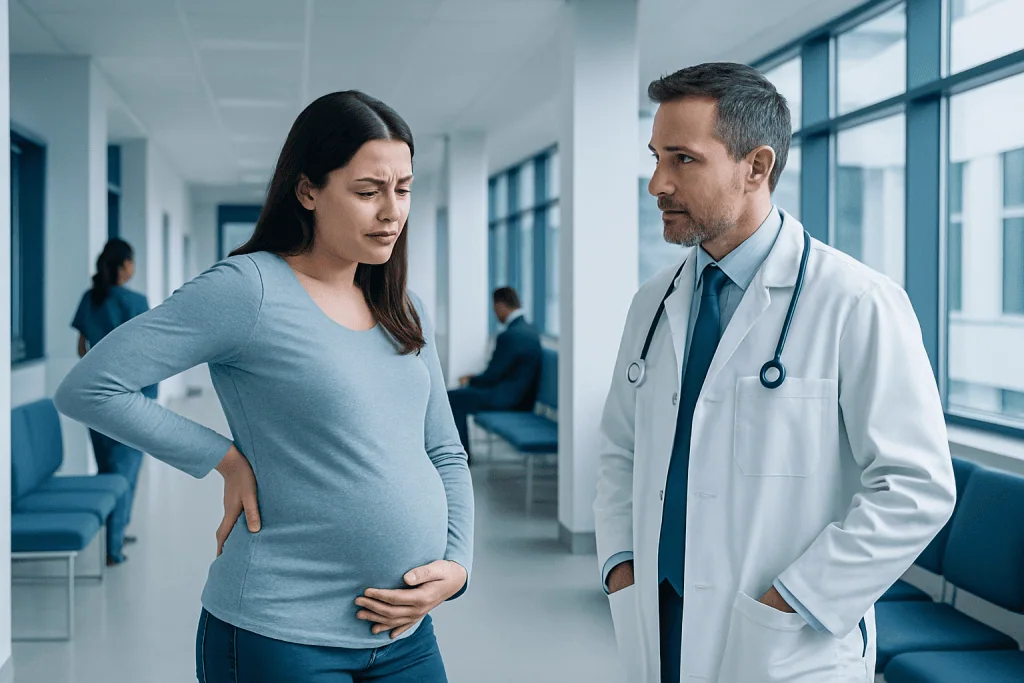
Mild early pregnancy lower back pain is often a normal part of the first trimester. Hormonal changes, ligament relaxation, posture shifts, and muscle strain are common causes.
Key Takeaways
- Mild early pregnancy lower back pain is often a normal part of the first trimester.
- Hormonal changes, ligament relaxation, posture shifts, and muscle strain are common causes.
- Red-flag symptoms include heavy bleeding, fever, severe or one-sided pain, fainting, or burning when urinating.
- Gentle movement, good posture, supportive sleep positions, and heat used safely may help.
- A doctor may evaluate back pain with a history, exam, urine testing, and pregnancy assessment when needed.
Early pregnancy lower back discomfort is common and is often linked to normal hormonal, muscular, and postural changes. However, pain that is severe, one-sided, associated with bleeding, fever, or urinary symptoms should be assessed by a doctor.
Overview: Is lower back pain normal in early pregnancy?
Early pregnancy lower back discomfort is often normal. In the first weeks and months of pregnancy, the body begins adjusting quickly to hormonal changes, a growing uterus, and shifts in posture and muscle support. For many women, this feels like a dull ache, stiffness, or soreness across the lower back or around the hips.
At the same time, not every episode of back pain should be dismissed as routine. Pain that is intense, sharply one-sided, or accompanied by vaginal bleeding, fever, dizziness, or urinary symptoms can point to a problem that needs timely medical attention. The pattern of the pain and any symptoms that happen with it are usually more important than the pain alone.
Because lower back pain is also common outside pregnancy, it can be difficult to tell what is pregnancy-related and what may be due to muscle strain, spinal issues, or another health condition. A careful clinical assessment can help distinguish normal early pregnancy discomfort from warning signs.
What early pregnancy lower back pain usually feels like
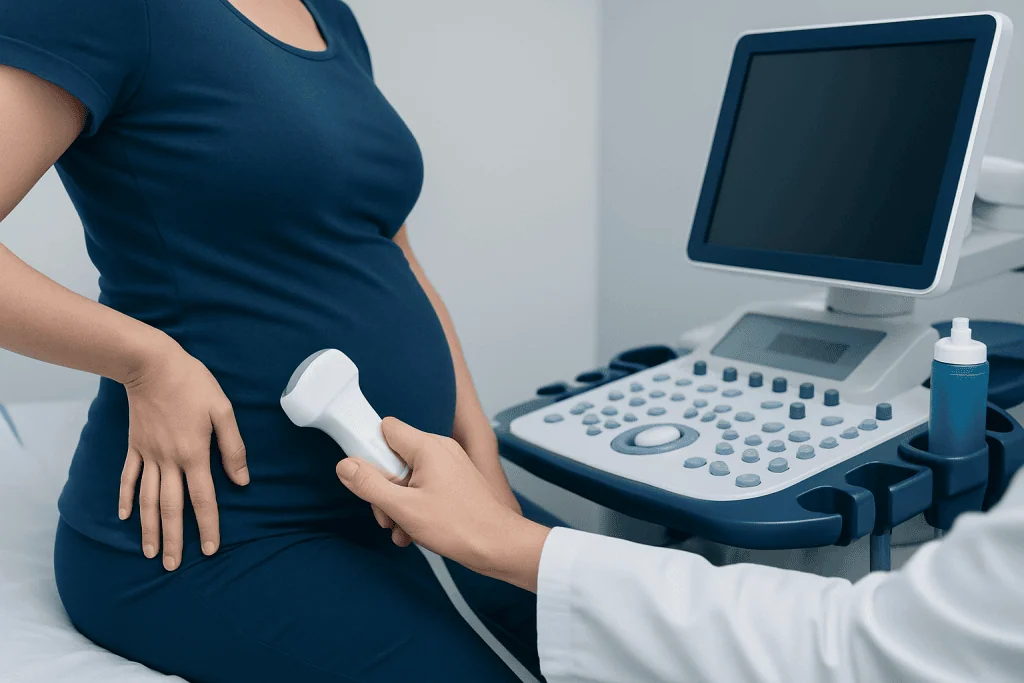
Normal early pregnancy lower back pain is usually mild to moderate and tends to come and go. Many women describe it as an aching, pulling, or tired feeling in the low back, buttocks, or pelvic area. It may be more noticeable after standing for a long time, lifting, poor sleep, or sitting in one position for too long.
Some women notice back discomfort very early, even before the abdomen visibly changes. This can happen because the hormone relaxin begins loosening ligaments and joints, while progesterone can contribute to muscle relaxation and a feeling of instability. As support structures adapt, the lower back may feel more strained.
Normal symptoms are generally not associated with significant bleeding, fainting, high fever, or pain so severe that it prevents walking or daily activity. Mild cramping can occur in early pregnancy, but persistent or escalating pain should not be ignored.
- Common sensations: dull ache, stiffness, soreness, pressure
- Common triggers: prolonged standing, awkward posture, sudden twisting, fatigue
- Common locations: lower back, sacroiliac area, hips, upper buttocks
Why it happens: common causes and risk factors
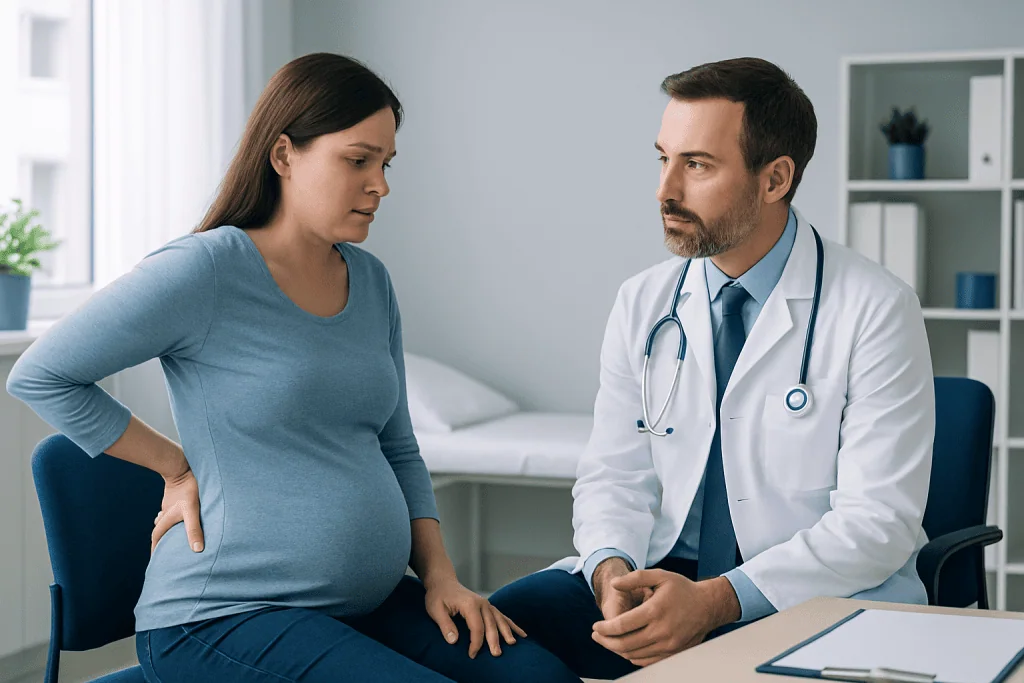
Several normal body changes can contribute to early pregnancy lower back pain. Hormones soften ligaments and connective tissues to help the body prepare for pregnancy and birth. While this is a healthy adaptation, it can make the pelvis and lower spine feel less stable and more vulnerable to strain.
Posture also begins to change early. Even before significant weight gain, the abdominal and pelvic muscles start adapting, and some women unconsciously change how they stand, walk, or sleep. These changes can place extra stress on the lumbar spine and surrounding muscles. Pre-existing back problems, weak core muscles, physically demanding work, and prolonged sitting may increase symptoms.
Not all causes are directly related to pregnancy itself. Lower back pain can also be linked to urinary tract infections, kidney problems, constipation, or muscle strain. In some situations, pain together with pelvic cramping or bleeding may prompt evaluation for miscarriage or a pregnancy developing outside the uterus, such as an ectopic pregnancy.
Risk factors for more noticeable pain include:
- A history of low back pain or pelvic pain
- Multiple pregnancy or rapid physical changes
- Poor posture or long periods of standing
- High-impact exercise or heavy lifting
- Stress, fatigue, and inadequate sleep support
What is not considered normal
Back pain in early pregnancy is more concerning when it is severe, persistent, or linked with other symptoms. Sharp, localized pain on one side, especially if it also causes shoulder pain, faintness, or abnormal bleeding, needs urgent assessment. These symptoms can sometimes be associated with pregnancy complications.
Pain with fever, chills, burning during urination, frequent urination, nausea, or flank pain may suggest a urinary tract or kidney infection. During pregnancy, infections should be treated promptly because they can affect both maternal and fetal health. Similarly, pain after a fall, lifting injury, or sudden movement may reflect a musculoskeletal injury rather than routine pregnancy discomfort.
Heavy bleeding, passing tissue, severe cramping, or pain that comes in waves should always be discussed with a clinician. If there is concern for early pregnancy loss, doctors may evaluate for miscarriage along with other causes of pain. The goal is not to assume the worst, but to identify symptoms that deserve proper medical review.
How doctors evaluate lower back pain in early pregnancy
Evaluation begins with a detailed history. A doctor will usually ask when the pain started, where it is located, what it feels like, and whether there are related symptoms such as bleeding, urinary discomfort, fever, weakness, or numbness. They may also ask about prior back conditions, recent activity, and how far along the pregnancy is.
A physical examination may assess posture, spinal tenderness, muscle tightness, abdominal symptoms, and signs of pelvic or urinary problems. Depending on the situation, urine testing can help identify infection. Blood tests or pregnancy hormone measurements may be considered when the pregnancy location or viability is uncertain.
Ultrasound is often the most useful imaging tool in pregnancy when doctors need to assess the pregnancy itself or investigate pelvic pain and bleeding. In a broader assessment of pregnancy-related concerns, an early review may also include guidance from specialists in obstetrics and gynecology. Imaging or specialist referral for spine-related causes is reserved for situations where symptoms suggest something more than routine muscular pain.
Safe treatment options and symptom relief
Treatment depends on the cause, but for uncomplicated early pregnancy back pain, care usually starts with conservative measures. Resting for short periods, changing positions regularly, avoiding heavy lifting, and using proper body mechanics often help. Gentle activity is usually better than prolonged bed rest, which can worsen stiffness and reduce muscle support.
Simple home measures may reduce discomfort. Many women benefit from a supportive chair, a pillow behind the lower back, or sleeping on the side with a pillow between the knees. A warm compress may ease muscle tension if used carefully and not excessively hot. Some doctors may also suggest physical therapy and rehabilitation to improve posture, flexibility, and core support.
Medication choices during pregnancy should always be discussed with a doctor. Even over-the-counter pain relievers are not automatically appropriate in every trimester or for every patient. If a urinary infection, kidney problem, or another condition is found, treatment will target that specific cause rather than the back pain alone.
When symptoms are more complex, coordinated care can be helpful. Acibadem International’s multidisciplinary specialists in JCI-accredited hospitals diagnose and treat pregnancy-related and musculoskeletal conditions for international patients, including access to pregnancy follow-up when ongoing monitoring is needed.
Prevention and self-care in the first trimester
Not all early pregnancy lower back pain can be prevented, but certain habits may reduce strain. Good posture matters: keeping the shoulders relaxed, distributing weight evenly on both feet, and avoiding slouching can lessen pressure on the lumbar spine. Supportive footwear may also improve comfort during daily activities.
Regular, gentle movement often helps more than complete inactivity. Walking, stretching approved by a clinician, and pregnancy-appropriate exercise can support circulation and muscle balance. Core and pelvic support exercises should be individualized, especially in women with previous back injuries or pelvic pain.
At home, practical changes can make a difference:
- Lift objects by bending at the knees rather than the waist
- Avoid twisting while carrying anything heavy
- Take breaks from long periods of sitting or standing
- Use a firm, supportive mattress or extra pillows for alignment
- Stay well hydrated and manage constipation, which can add abdominal and back pressure
Stress management and sleep quality also matter. Fatigue can increase pain sensitivity and muscle tension, so consistent rest and simple relaxation techniques may help reduce discomfort.
When to seek medical care
A prompt medical review is recommended if lower back pain is severe, worsening, or not improving with simple measures. Pain should also be assessed if it is one-sided, comes with pelvic pressure, or interferes significantly with normal movement. In pregnancy, it is safer to ask early when symptoms feel unusual.
Urgent care is especially important if back pain occurs with vaginal bleeding, fainting, shoulder pain, fever, chills, weakness, numbness, trouble walking, or burning during urination. These signs can point to infection, nerve involvement, kidney problems, or a pregnancy complication that needs timely diagnosis.
If there is uncertainty, contacting a qualified doctor or maternity care team is the best next step. Early evaluation can provide reassurance when symptoms are normal and can also help identify conditions that require treatment before they progress.
Frequently asked questions
Can lower back pain be an early sign of pregnancy?
It can be, although it is not specific to pregnancy. Some women notice lower back discomfort early because of hormonal changes and pelvic ligament relaxation, but back pain alone cannot confirm pregnancy. A pregnancy test and clinical assessment are more reliable.
Where is normal early pregnancy back pain usually felt?
It is most often felt across the lower back, around the hips, or near the sacroiliac joints above the buttocks. The discomfort is usually dull or achy rather than sharp and severe. It may get worse after standing, sitting too long, or poor sleep.
Is one-sided back pain in early pregnancy normal?
Mild one-sided muscle strain can happen, but clearly one-sided or sharp pain deserves more attention. If it is associated with bleeding, dizziness, shoulder pain, or significant cramping, medical assessment is important. A doctor can help rule out urinary, kidney, or pregnancy-related causes.
What can help relieve early pregnancy lower back pain safely?
Many women improve with posture changes, gentle walking, stretching approved by a clinician, and supportive pillows when sitting or sleeping. A warm compress may help if it is not too hot and is used briefly. Any medication use during pregnancy should be discussed with a doctor first.
When should early pregnancy back pain be checked urgently?
Urgent review is needed if the pain is severe, sudden, or accompanied by heavy bleeding, fainting, fever, urinary burning, weakness, or trouble walking. These symptoms are not typical of simple pregnancy-related back strain. Prompt assessment helps identify whether treatment is needed.
Does early pregnancy lower back pain mean miscarriage?
Not necessarily. Mild back pain is common in normal pregnancies and often reflects body changes rather than pregnancy loss. However, back pain together with significant bleeding, strong cramping, or passing tissue should be evaluated by a healthcare professional.
References
- American College of Obstetricians and Gynecologists
- National Health Service
- Mayo Clinic
- National Institute for Health and Care Excellence
- World Health Organization
This article is for general information only and is not a substitute for professional medical advice. Please consult a qualified doctor about your individual situation.
Joint and spine care in Turkey — expert assessment & treatment
JCI-accredited · board-certified surgeons · reply within 24h
Add us as a Preferred Source to see more of our trusted health content across Google Search, AI Overviews and Discover.

More from the Health Library



Related Specialists

Dr. Shahad Abdulhadı Abdulrahman Al Amoudı
Inpatient Clinic Physicians
Dr. Emre Sahillioğlu
Anesthesiology
Dr. Reyhan Tamer
Pediatrics
Dr. Göksel Seçkin
General Surgery