How to Crack Your Lower Back? Causes, Explanations, and Next Steps

A brief popping sound in the lower back is often due to joint movement or pressure changes and is commonly harmless when it is not painful. Forceful twisting, repeated self-manipulation, or trying to make the back crack on purpose can irritate joints, muscles, and ligaments.
Key Takeaways
- A brief popping sound in the lower back is often due to joint movement or pressure changes and is commonly harmless when it is not painful.
- Forceful twisting, repeated self-manipulation, or trying to make the back crack on purpose can irritate joints, muscles, and ligaments.
- Red flags include severe or persistent pain, pain after trauma, numbness, leg weakness, fever, or loss of bladder or bowel control.
- Doctors evaluate lower back symptoms with a history, physical examination, and sometimes imaging or nerve tests.
- Safer alternatives include gentle stretching, walking, posture changes, heat, and guided exercise rather than aggressive self-cracking.
How to crack your lower back is a common question, and the short answer is that occasional, painless popping is often harmless, but trying to force the lower back to crack is not the safest approach. If lower back popping comes with pain, numbness, weakness, fever, injury, or bladder or bowel changes, medical review is important.
Overview: Is it okay to crack the lower back?
Many people search for how to crack your lower back when they feel stiffness, pressure, or a need to stretch. In many cases, an occasional painless pop during normal movement is not a sign of harm. The sound may come from small joints moving, ligaments shifting slightly, or gas bubbles changing inside the joint fluid.
However, there is an important difference between a natural pop that happens during everyday motion and forcefully trying to make the lower back crack. Repeated twisting, bouncing, or pulling to create a cracking sound may temporarily feel relieving, but it can also irritate muscles, strain soft tissues, and reinforce a cycle of stiffness and repeated self-manipulation.
For that reason, the safer goal is usually not to “make it crack,” but to reduce the cause of the tight feeling. Gentle movement, posture changes, stretching, and professional evaluation when symptoms persist are generally better long-term strategies than forceful self-adjustment.
Why the lower back makes a popping or cracking sound
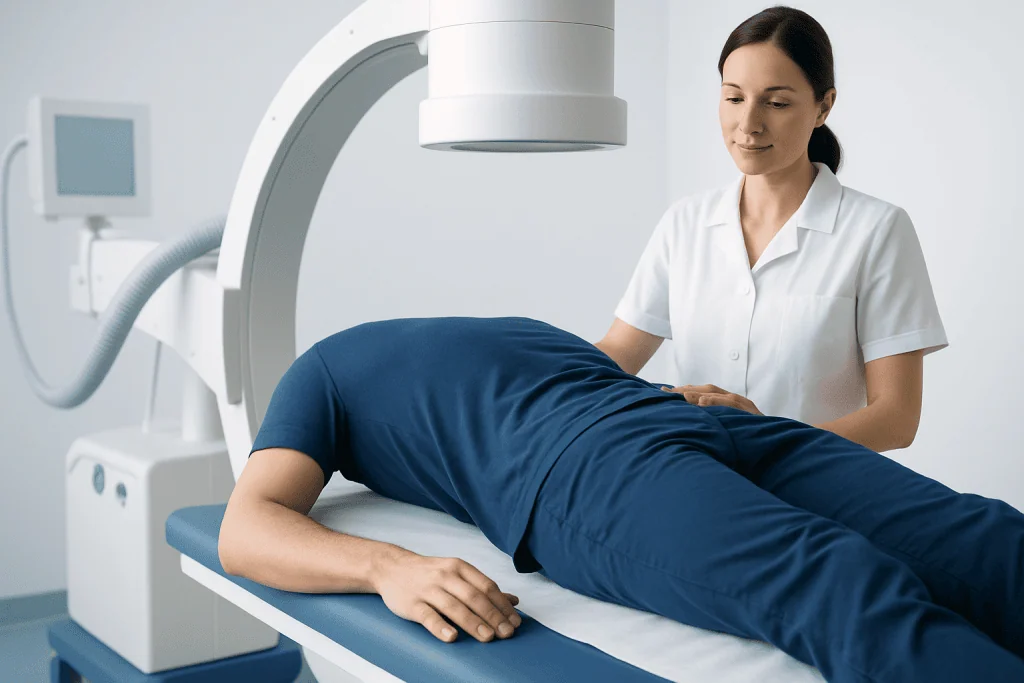
The lower back contains vertebrae, discs, facet joints, ligaments, muscles, and nerves that work together to support movement. A cracking or popping sound can happen when one of the small spinal joints moves and pressure changes inside the joint fluid. This is similar to the harmless popping some people notice in their fingers, although the lower back is a more complex and weight-bearing area.
Sometimes the sound is related to tight muscles or tendons moving over nearby structures. If a person has been sitting for a long time, the tissues around the spine may feel stiff, and a change in position can create a brief release sensation. This can be especially noticeable after waking up, standing after prolonged sitting, or turning in bed.
Less commonly, popping with pain may relate to irritation in the facet joints, disc problems, inflammation, or wear-and-tear changes. A symptom such as popping by itself is usually less important than the full pattern of symptoms, especially whether there is pain, limited motion, radiating leg symptoms, or recent injury.
When lower back cracking is more likely to be harmless

Lower back cracking is often considered benign when it happens occasionally, is not painful, and is not associated with other symptoms. For example, a brief pop during stretching, standing up, or changing position may simply reflect normal joint movement. Some people are also more naturally flexible, which can make these sounds more noticeable.
Features that are generally reassuring include:
- No significant pain during or after the pop
- No numbness, tingling, or weakness in the legs
- No recent fall, accident, or heavy lifting injury
- No fever, unexplained weight loss, or feeling generally unwell
- Symptoms that improve with walking, posture changes, or gentle stretching
Even when the sound is harmless, frequent self-cracking is not always a good habit. If a person feels the need to repeatedly twist or press on the lower back for temporary relief, the underlying issue may be muscle tightness, deconditioning, poor ergonomics, or an untreated spinal condition that deserves more careful attention.
Why forceful self-cracking can be risky
The lower back is designed for stability as well as movement. Unlike a casual stretch that leads to a natural pop, forcefully trying to crack the back may place extra stress on the facet joints, surrounding ligaments, and muscles. This can sometimes lead to soreness, minor strain, or a sense that the back needs to be cracked again and again.
People with existing spinal problems should be especially cautious. Conditions such as disc disease, spinal instability, osteoporosis, inflammatory arthritis, or nerve compression can make forceful manipulation less safe. In these situations, a cracking maneuver may aggravate symptoms instead of relieving them. Lower back pain related to scoliosis or a lumbar herniated disc may require targeted treatment rather than self-adjustment.
There is also a practical concern: pain relief after a pop does not necessarily mean the cause has been corrected. Temporary relief may simply come from a brief change in joint pressure or muscle tension. If pain keeps returning, it is usually more useful to identify the reason for the stiffness than to keep trying to reproduce the sound.
Safer ways to ease lower back tension
If the lower back feels tight, the safest first step is usually gentle motion rather than aggressive twisting. A short walk, changing position, standing up from prolonged sitting, or carefully stretching the hips and hamstrings may reduce the feeling of pressure. Heat can also help relax tense muscles in some people.
Helpful self-care options may include:
- Gentle trunk rotation within a comfortable range, without forcing a pop
- Knee-to-chest or pelvic tilt exercises if they feel comfortable
- Walking or light activity instead of prolonged bed rest
- Improving desk setup, sitting posture, and lifting technique
- Core-strengthening and flexibility work guided by a professional when needed
For ongoing symptoms, supervised care is often more effective than self-cracking. A doctor may recommend physical therapy and rehabilitation to improve flexibility, posture, muscle support, and movement patterns. In some cases, evaluation by a spine specialist is important to understand whether the problem is muscular, joint-related, or nerve-related.
When to seek medical care
Medical care is recommended if lower back cracking is accompanied by concerning symptoms. Important warning signs include significant pain that does not improve, pain that shoots down the leg, numbness, tingling, weakness, fever, unexplained weight loss, or back pain after a fall, accident, or other injury. Difficulty controlling the bladder or bowels requires urgent medical attention.
A doctor should also assess symptoms that keep returning, interrupt sleep, limit daily activities, or create a repeated need to self-manipulate the back. Chronic stiffness can sometimes reflect posture-related strain, but it can also occur with disc problems, facet joint irritation, inflammatory conditions, or less common structural issues.
If back pain is persistent or associated with leg symptoms, a specialist may evaluate for conditions such as spinal stenosis or other causes of nerve compression. Seeking timely assessment does not mean something serious is definitely wrong; it simply helps clarify the cause and guide safer treatment.
How doctors diagnose the cause of back popping and pain
Diagnosis starts with a detailed medical history. The doctor will ask when the popping began, whether it is painful, what movements bring it on, and whether there are symptoms such as stiffness, radiating leg pain, weakness, numbness, recent trauma, or fever. Work habits, exercise routine, and previous back problems also help build the picture.
A physical examination usually checks posture, spinal movement, muscle tenderness, reflexes, strength, sensation, and signs of nerve irritation. Often, this examination is enough to suggest whether the problem is more likely due to muscle strain, joint irritation, or nerve involvement.
Imaging is not needed for every person with back cracking. But if symptoms are persistent, severe, or associated with neurologic findings, doctors may request X-rays or MRI to look at the discs, joints, spinal canal, and nearby soft tissues. In selected cases, referral to spine surgery services may be considered, although most lower back symptoms improve with non-surgical care.
Treatment and long-term prevention
Treatment depends on the cause. Many people improve with conservative care such as activity modification, short-term pain relief measures advised by a doctor, stretching, and guided strengthening. The main aim is to improve spinal support and mobility while reducing strain on sensitive structures. This often helps both the discomfort and the urge to crack the back repeatedly.
Long-term prevention focuses on habits that reduce stiffness and overload. These include regular exercise, a gradual warm-up before activity, taking movement breaks during sitting, sleeping in a comfortable position, and learning safe lifting mechanics. Weight management and stopping smoking may also support spinal health, especially for people with chronic back problems.
If symptoms are ongoing or complex, multidisciplinary care can be helpful. Acibadem International’s multidisciplinary specialists and JCI-accredited hospitals evaluate and treat spinal conditions for international patients, using rehabilitation, imaging, and specialist assessment when appropriate. The most effective plan is individualized and based on the person’s symptoms, examination findings, and overall health.
Frequently asked questions
Is cracking the lower back bad?
An occasional painless pop during normal movement is often harmless. What is less advisable is forcefully twisting or pushing the lower back to make it crack, especially if this is done repeatedly or causes pain.
Why does my lower back feel like it needs to crack?
This sensation may come from stiffness in the joints, tight muscles, prolonged sitting, or changes in posture. Sometimes the feeling improves with movement, stretching, or walking, but repeated need for relief can suggest an underlying mechanical issue worth assessing.
Can cracking the lower back cause injury?
Natural popping during gentle movement is usually not an injury. However, forceful self-manipulation can strain muscles or ligaments and may aggravate existing problems such as disc irritation or nerve compression.
What is the safest way to relieve lower back tightness?
Gentle walking, changing position, light stretching, and heat are often safer than trying to force a crack. If tightness is frequent, a clinician or physical therapist can suggest exercises that improve flexibility and core support.
When should lower back popping be checked by a doctor?
A doctor should review lower back popping if it comes with pain, numbness, tingling, weakness, fever, injury, or bladder or bowel changes. Medical advice is also a good idea if symptoms keep returning or interfere with daily life.
Do I need an MRI for lower back cracking?
Not usually. MRI is generally reserved for cases with persistent pain, neurologic symptoms, trauma, or other red flags, because many people with simple, painless popping do not need imaging.
References
- National Institute of Neurological Disorders and Stroke
- American Academy of Orthopaedic Surgeons
- National Institute of Arthritis and Musculoskeletal and Skin Diseases
- American College of Radiology
- Mayo Clinic
This article is for general information only and is not a substitute for professional medical advice. Please consult a qualified doctor about your individual situation.
Persistent digestive symptoms? Get evaluated in Turkey
JCI-accredited · board-certified surgeons · reply within 24h
Add us as a Preferred Source to see more of our trusted health content across Google Search, AI Overviews and Discover.