Manic Eyes: A Complete Medical Overview

Manic eyes is a descriptive phrase, not a medical diagnosis. A wide-eyed or fixed stare can occur during mania, but it can also have other mental, neurological, medication-related, or eye-related causes.
Key Takeaways
- Manic eyes is a descriptive phrase, not a medical diagnosis.
- A wide-eyed or fixed stare can occur during mania, but it can also have other mental, neurological, medication-related, or eye-related causes.
- Doctors diagnose mania based on a pattern of mood, behavior, sleep, activity, and thinking changes rather than eye appearance alone.
- Prompt assessment is important if the person is not sleeping, is acting impulsively, becomes confused, or seems unsafe.
- Treatment focuses on the underlying cause and may include psychiatric care, medication review, and medical evaluation.
Manic eyes is a non-medical term people use to describe an intense, bright, or unusually wide-eyed look that may appear during episodes of mania or severe mood elevation. The appearance alone does not diagnose a condition, but it can be one visible clue that should be considered alongside behavior, sleep, energy, speech, and overall mental state.
Overview: what people mean by “manic eyes”
Manic eyes is an informal expression, not an official medical term. People usually use it to describe eyes that look unusually wide open, very alert, intensely focused, restless, or “glassy” during a period of elevated mood or extreme energy. In some cases, this look is noticed during mania or hypomania, especially when it appears together with rapid speech, little need for sleep, impulsive decisions, irritability, or unusually high confidence.
Importantly, eye appearance alone cannot confirm mania. Many factors can change how the eyes look, including fear, anxiety, stimulant use, thyroid problems, some neurological disorders, medication effects, and normal variation in facial expression. For that reason, clinicians do not diagnose a mood episode by the eyes alone; they assess the whole person and the overall pattern of symptoms.
In everyday conversation, the phrase can also be misleading because it may oversimplify a serious mental health condition. Mania is more than looking energetic or intense. It is a clinically significant state that affects mood, judgment, sleep, behavior, and functioning, and in some cases may require urgent care. If there are concerns about bipolar disorder or another mental health condition, a qualified doctor or mental health professional should evaluate the person directly.
How manic eyes may look and what often appears with them
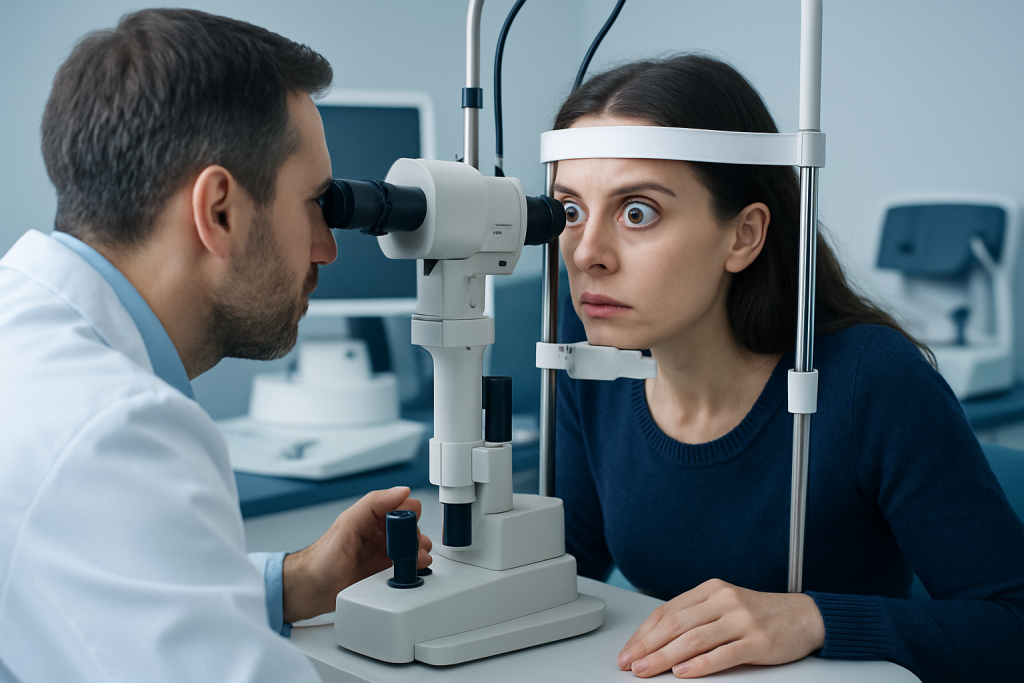
When people describe manic eyes, they may mean that the eyes seem wider than usual, more fixed or intense, unusually bright, or constantly scanning the environment. The person may appear highly stimulated, talk quickly, make prolonged eye contact, or shift attention rapidly from one thing to another. Facial expressions can seem animated or unusually reactive, although not everyone with mania shows the same outward appearance.
These visual impressions matter only when placed in context. Symptoms that often accompany mania or hypomania include:
- Markedly increased energy or activity
- Reduced need for sleep without feeling tired
- Fast, pressured, or nonstop speech
- Racing thoughts or jumping between ideas
- Unusually elevated, expansive, or irritable mood
- Impulsive spending, sexual risk-taking, or reckless behavior
- Increased self-confidence or grandiosity
- Distractibility and poor judgment
In more severe cases, mania can include agitation, anger, confusion, or psychotic symptoms such as false beliefs or seeing or hearing things others do not. If intense eye contact or a wide-eyed stare appears with these warning signs, it should be taken seriously. A person may not recognize that they are unwell, which is one reason family members and close contacts often play an important role in seeking help.
Why eyes may look this way: possible causes and risk factors

The most discussed medical association is mania, which can occur in bipolar I disorder and sometimes other psychiatric or medical conditions. During mania, the nervous system can be highly activated. That activation may affect facial expression, blinking, attention, and the person’s overall intensity, making the eyes appear unusually open or focused. Hypomania, a milder form of mood elevation, may also change expression, though often less dramatically.
However, not every intense or wide-eyed look is related to a mood episode. Anxiety and panic can widen the eyes. Stimulants such as amphetamines, cocaine, or excessive caffeine may create a highly alert appearance and behavior that resembles mania. Some medications, including certain antidepressants or steroids, can trigger manic symptoms in susceptible people. Sleep deprivation alone can also affect expression and behavior.
Medical conditions may contribute as well. Thyroid overactivity can increase restlessness and a “staring” appearance in some people. Neurological disorders, eye conditions, and substance intoxication or withdrawal may also change how the eyes look. Because these possibilities can overlap, clinicians may consider both mental health and physical health causes, especially in a first episode or when symptoms begin suddenly. If another medical problem is suspected, tests or specialist evaluation may be needed, including review for hyperthyroidism when symptoms fit.
Risk factors for mania include a personal or family history of bipolar disorder, previous manic or hypomanic episodes, certain medications, substance use, major sleep disruption, and significant stress. Recognizing these patterns early can help people seek care before symptoms escalate.
How doctors evaluate manic eyes and possible mania
Assessment begins with a conversation about the full symptom picture, not just the eyes. A doctor or mental health professional will ask about mood changes, sleep, energy, activity level, speech, decision-making, unusual beliefs, hallucinations, substance use, recent stress, and medication history. They will also ask when the changes began, whether they are getting worse, and how much they interfere with work, school, relationships, or safety.
The clinician may perform a general medical exam and, when appropriate, a neurological exam. Blood tests may be considered to look for contributing medical causes such as thyroid problems, metabolic issues, infection, or medication-related effects. If eye symptoms themselves are prominent, such as pain, double vision, redness, or vision loss, an eye assessment may also be necessary because the appearance may not be psychiatric in origin.
The goal is to distinguish between mania, hypomania, anxiety, psychosis, substance-related effects, and medical conditions that can mimic mood symptoms. In some cases, brain and nerve specialists or eye specialists may be involved, particularly if there are headaches, confusion, seizures, weakness, or visual disturbances. Depending on the findings, referral for psychiatric evaluation or advanced assessment such as brain MRI may be recommended.
This careful approach matters because the right treatment depends on the true cause. Labeling a person based only on appearance can delay proper care. A structured professional evaluation is the safest way to understand what the eyes and behavior may be signaling.
Treatment options depend on the underlying cause
If mania is diagnosed, treatment usually focuses on stabilizing mood, improving sleep, reducing agitation, and protecting safety. Care often involves psychiatric treatment, and some people need urgent or inpatient support if symptoms are severe, if judgment is clearly impaired, or if there is a risk of self-harm or harm to others. Treatment plans are individualized and may include medications used to manage acute mania and support longer-term mood stability.
When manic-like symptoms are linked to medications or substances, treatment may include carefully adjusting those triggers under medical supervision. If an underlying medical condition is contributing, such as thyroid disease or a neurological issue, that condition is treated directly. Supportive care, regular sleep, reduced stimulation, and close observation by loved ones can also be important during recovery.
Psychological support can help once the person is more stable. Education about early warning signs, triggers, treatment adherence, and daily routine is especially valuable for preventing relapse. For some patients, formal psychotherapy is part of ongoing care, especially alongside medical treatment for diagnosed mood disorders.
Near the end of the care pathway, multidisciplinary follow-up helps people regain function at home, work, and school. Acibadem International’s multidisciplinary specialists and JCI-accredited hospitals evaluate and treat mental and medical conditions that may present with symptoms like manic eyes for international patients.
Prevention and self-care: what helps reduce risk
Not all episodes can be prevented, but several practical steps may lower the risk of recurrence in people with known bipolar disorder or related conditions. Regular sleep is one of the most important protective factors. Sudden sleep loss, night-shift changes, jet lag, and highly irregular routines can all destabilize mood in vulnerable people.
Other helpful habits include taking prescribed medications exactly as directed, avoiding recreational drugs, limiting stimulant overuse, and attending follow-up visits even when feeling well. Family members or close friends may help identify subtle early changes such as unusually intense eye contact, faster talking, increased activity, reduced sleep, or risky ideas before a full episode develops.
A simple written plan can be useful. It may include personal warning signs, emergency contacts, the treating clinician’s details, and steps to take if symptoms begin to escalate. Self-care does not replace treatment, but it can support stability and make it easier to act early when warning signs return.
When to seek medical care
A doctor should assess manic eyes when the appearance comes with major changes in sleep, mood, energy, speech, or behavior. Prompt evaluation is especially important if the person is staying awake for long periods, acting impulsively, becoming unusually irritable or grandiose, or seeming disconnected from reality. These symptoms may indicate mania, substance effects, or another condition that needs timely treatment.
Urgent help is needed if there are thoughts of self-harm or suicide, threats toward others, severe confusion, aggressive behavior, hallucinations, chest pain, seizures, sudden weakness, or major changes in vision. Emergency care is also appropriate if the person cannot care for themselves safely or refuses necessary help while clearly impaired.
If the concern is mainly about the eyes themselves, such as one eye bulging, eye pain, double vision, marked redness, or loss of vision, a medical exam is also important because an eye or neurological problem may be present. In the right situation, doctors may involve neurology or eye specialists to rule out non-psychiatric causes.
Frequently asked questions
Are manic eyes a real medical diagnosis?
No. Manic eyes is an informal phrase people use to describe an intense, wide-eyed, or highly alert appearance. Doctors do not diagnose mania from eye appearance alone; they look at the full pattern of mood, sleep, energy, behavior, and thinking.
Do all people with mania have manic eyes?
No, not everyone with mania has a noticeable change in eye appearance. Mania can look different from person to person, and some people show mainly behavioral or mood changes rather than a distinctive stare or facial expression.
Can anxiety or lack of sleep cause eyes to look manic?
Yes. Anxiety, panic, stimulant use, and severe sleep deprivation can make a person look unusually wide-eyed, tense, or intensely alert. That is why a clinician needs to consider the full context before deciding what is causing the symptoms.
How can someone tell the difference between high energy and mania?
Ordinary high energy usually does not disrupt judgment, sleep, safety, or daily functioning. Mania is more persistent and often includes reduced need for sleep, rapid speech, risky behavior, irritability or euphoria, and difficulty recognizing that anything is wrong.
Should a person go to the emergency room for manic eyes?
Emergency care may be appropriate if the person is hallucinating, severely agitated, not sleeping for a prolonged period, threatening harm, suicidal, confused, or unable to care for themselves safely. If the concern is less urgent, a prompt medical or psychiatric evaluation is still recommended.
Can eye problems themselves mimic manic eyes?
Sometimes. Thyroid-related eye changes, certain neurological conditions, and some eye disorders can affect staring, blinking, or how wide the eyes appear. Pain, vision changes, redness, or one eye protruding more than the other should be medically assessed.
This article is for general information only and is not a substitute for professional medical advice. Please consult a qualified doctor about your individual situation.
Explore treatments in Turkey — costs, top hospitals & a free quote
JCI-accredited · board-certified surgeons · reply within 24h
Add us as a Preferred Source to see more of our trusted health content across Google Search, AI Overviews and Discover.

More from the Health Library

Alcohol and Exercise: What Patients Need to Know

Electrocautery: An Evidence-Based Guide for Patients

Ganglia: A Complete Medical Overview

Weighted Hula Hoop — Explained by Medical Evidence, Not Myths

Agave Nectar: An Evidence-Based Guide for Patients