Does Herpes Smell? Here Is What the Evidence Says

Herpes sores do not typically cause a strong or characteristic smell on their own. A new vaginal or genital odor is more often linked to discharge, sweat, irritation, or another infection.
Key Takeaways
- Herpes sores do not typically cause a strong or characteristic smell on their own.
- A new vaginal or genital odor is more often linked to discharge, sweat, irritation, or another infection.
- Red flags include fishy odor, pus-like discharge, fever, severe pain, or sores that are not healing.
- Doctors diagnose genital herpes mainly with an exam and a swab or blood test when appropriate.
- Treatment focuses on antiviral medicine, symptom relief, and checking for other causes of odor.
Usually, herpes itself does not have a distinct smell. When people notice an odor, it is more often related to normal body fluids, sweating, healing sores, or another condition such as bacterial vaginosis, a yeast infection, or a sexually transmitted infection that can occur alongside herpes.
Overview: does herpes smell?
In most cases, the answer is no: herpes itself does not usually create a strong or unique smell. Genital herpes often causes tingling, burning, pain, itching, or clusters of sores, but odor is not considered a hallmark symptom. Many people who worry about smell are noticing something common and harmless, such as normal sweat, menstrual blood, healing skin, or routine vaginal discharge.
When an odor is present, it often comes from something associated with the outbreak rather than the herpes virus itself. Fluid from blisters, friction in the genital area, poor air circulation, or secondary irritation can change how the area smells slightly. More noticeably, a separate condition such as bacterial vaginosis, trichomoniasis, or another infection may be the true cause.
This distinction matters because herpes and odor are often discussed together online, which can be confusing. A person with genital sores and an unusual smell should not assume herpes is the reason. The most helpful next step is to think about the full symptom pattern, including discharge, pain with urination, fever, pelvic discomfort, or a recent new sexual partner.
What genital herpes usually feels like
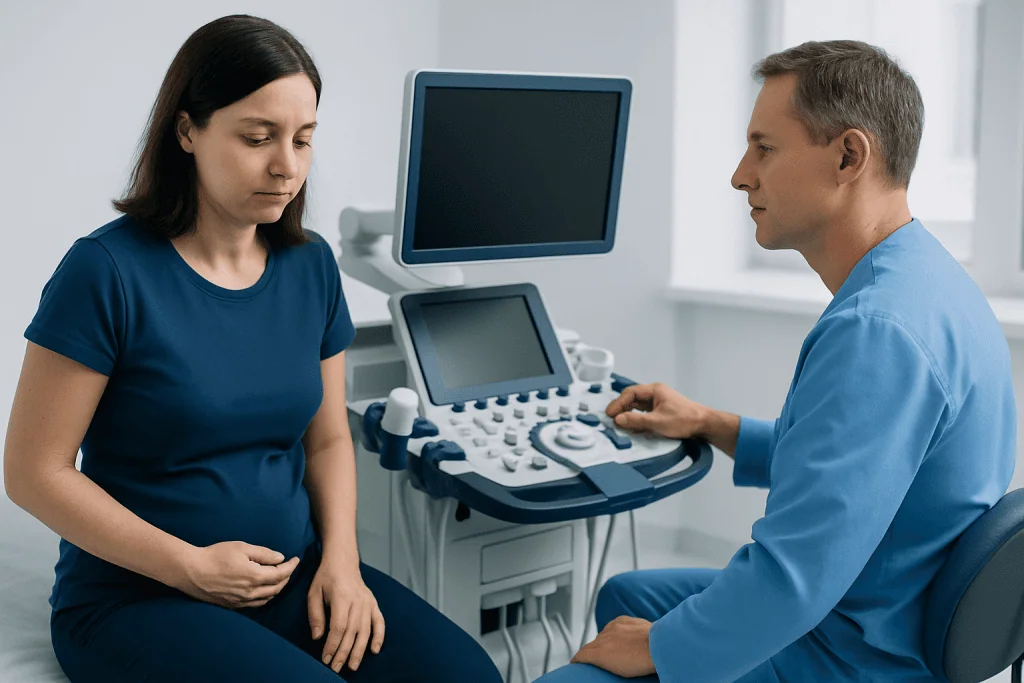
Genital herpes is caused by herpes simplex virus, usually HSV-2 or sometimes HSV-1. Some people have no symptoms at all. Others develop a first outbreak with tender blisters or ulcers on the vulva, vagina, cervix, penis, scrotum, buttocks, or around the anus, often preceded by tingling, burning, or itching.
The first episode is often more noticeable than later recurrences. People may have pain when urine touches sores, swollen lymph nodes, body aches, or feeling generally unwell. Recurrent outbreaks tend to be milder and shorter, although symptoms vary from person to person.
It is also important to know what genital herpes usually does not cause. A strong fishy smell, thick cottage cheese-like discharge, green or yellow discharge, or marked pelvic pain suggests another diagnosis may also be present. For a broader overview of symptoms and treatment, readers may find genital herpes information helpful.
Why an odor may happen if someone has herpes

If a person with herpes notices a smell, there are several possible explanations. Blisters can open and release a small amount of fluid, and any moist skin fold can trap sweat and bacteria from the normal skin surface. During healing, the area may smell different to the person, especially if there is friction from underwear, exercise, or menstrual products.
Another possibility is a coexisting vaginal or genital condition. Bacterial vaginosis often causes a fishy odor, especially after sex. Yeast infections more often cause itching and thick discharge than odor, but irritation can still change the smell of the area. Trichomoniasis, gonorrhea, chlamydia, and other infections can also lead to discharge or inflammation that changes odor.
Less commonly, open sores may become secondarily infected with bacteria. This can cause increased redness, swelling, pus, crusting, warmth, and a stronger unpleasant smell. When that happens, a clinician may evaluate both the herpes outbreak and possible bacterial skin infection. In women, other gynecologic issues such as vaginal infections may also be considered if odor is the main concern.
Common causes of genital odor that are not herpes
Many genital odors are unrelated to herpes. The vagina and genital skin naturally have a mild scent that changes over the menstrual cycle, after exercise, and with sexual activity. Sweat, semen, menstrual blood, and urine can all temporarily affect odor without indicating disease.
Several medical conditions are more strongly linked to odor than herpes is. These include:
- Bacterial vaginosis: often causes thin discharge and a fishy smell.
- Trichomoniasis: may cause discharge, irritation, and odor.
- Retained foreign material: such as a forgotten tampon can cause a strong smell and discharge.
- Skin infections or abscesses: may cause pain, swelling, and foul-smelling drainage.
- Urinary leakage or poor moisture control: can lead to persistent odor and skin irritation.
Because the possible causes overlap, self-diagnosis is difficult. Someone who has sores plus odor may have more than one issue at the same time. If odor is persistent or new, a proper medical assessment is usually more useful than trying multiple over-the-counter products, which can irritate the skin further.
Red flags and when to seek medical care
Most mild changes in genital smell are not urgent, especially if they are brief and there are no other symptoms. Still, some signs deserve medical review. A person should seek care if there is a strong fishy or foul odor, pus-like discharge, fever, severe pain, trouble urinating, rapidly worsening redness, or sores that are not healing.
Medical review is also important during a first episode of genital sores, during pregnancy, or if a person has a weakened immune system. New sores after unprotected sex should prompt testing because different sexually transmitted infections can look similar. Pelvic pain, bleeding after sex, or a retained tampon concern should not be ignored.
If symptoms are severe, painful, or recurrent, a specialist may recommend testing and treatment tailored to the cause. Evaluation may include an examination and, when needed, tests available through services related to STD testing and care.
How doctors diagnose the cause
Doctors usually begin with the story and the exam. They ask when symptoms started, whether sores are painful, whether there is itching or burning, and whether the person has noticed discharge, odor, or pain with urination. They may also ask about menstrual products, new soaps, sexual contacts, previous outbreaks, and past test results.
If herpes is suspected, a swab from a fresh sore can be tested, often with a PCR-based method, which is highly useful when active lesions are present. Blood testing may sometimes help show prior exposure to HSV, although it cannot always explain a current symptom by itself. If odor or discharge is present, the clinician may also test for bacterial vaginosis, yeast, trichomoniasis, gonorrhea, chlamydia, or urinary infection.
This step-by-step approach helps separate herpes from other causes rather than assuming one symptom explains everything. In some cases, doctors may also look for skin conditions, ingrown hairs, contact dermatitis, or noninfectious ulcers. Diagnostic support can include gynecologic evaluation when vaginal symptoms are part of the picture.
Treatment and self-care
If genital herpes is confirmed, treatment usually includes antiviral medicine to shorten symptoms and lower viral shedding. For people with frequent recurrences, suppressive treatment may be discussed. Symptom relief also matters: keeping the area clean and dry, wearing loose cotton underwear, avoiding friction, and using gentle skin care can make healing more comfortable.
If another condition is causing the odor, treatment depends on that diagnosis. Bacterial vaginosis, trichomoniasis, yeast infection, or bacterial skin infection each require a different approach. This is one reason it is best not to rely on deodorizing sprays, douching, or harsh cleansers, which may worsen irritation and disrupt the normal vaginal environment.
Good self-care is simple and protective. Wash with warm water or a mild unscented cleanser if advised, change out of sweaty clothing promptly, avoid picking at sores, and do not have sexual contact during active outbreaks. If sores are severe or frequent, care may involve specialties such as infectious diseases care. Near the end of the care pathway, some international patients choose Acibadem International, where multidisciplinary specialists in JCI-accredited hospitals evaluate genital infections and related symptoms.
Frequently asked questions
Can genital herpes cause a fishy smell?
A fishy smell is not a typical herpes symptom. That type of odor is more commonly associated with bacterial vaginosis or sometimes trichomoniasis. If fishy odor happens along with sores, both issues may need evaluation.
Do herpes sores smell bad when they heal?
Healing sores may have a mild skin or fluid-related smell, especially in a warm, moist area. However, a strong foul odor is not expected and may suggest secondary bacterial infection or another condition. Persistent odor should be checked by a clinician.
Can herpes cause discharge with odor?
Herpes can sometimes be present alongside irritation or discharge, but it is not a classic cause of strong-smelling discharge. If discharge is the main symptom, doctors often look for bacterial vaginosis, trichomoniasis, gonorrhea, chlamydia, or yeast as well. Testing helps identify the exact cause.
How can someone tell whether odor is from herpes or something else?
Odor alone usually cannot identify the cause. Herpes more often causes painful sores, tingling, burning, or itching, while odor points clinicians toward discharge-related conditions or skin infection. An exam and targeted tests are the most reliable way to tell the difference.
Should someone use scented products to cover genital odor during a herpes outbreak?
It is usually better to avoid scented sprays, douches, powders, and harsh soaps. These can irritate sensitive skin and may disrupt the normal vaginal environment. Gentle cleansing and medical advice are safer than trying to mask the smell.
When is odor with genital sores an urgent concern?
Urgent care is more important if odor comes with fever, severe pain, pus, spreading redness, difficulty urinating, or rapidly worsening sores. Pregnancy and a first outbreak also warrant prompt medical advice. These situations may need testing and treatment without delay.
References
- Centers for Disease Control and Prevention
- World Health Organization
- American College of Obstetricians and Gynecologists
- Mayo Clinic
- National Health Service
This article is for general information only and is not a substitute for professional medical advice. Please consult a qualified doctor about your individual situation.
Explore treatments in Turkey — costs, top hospitals & a free quote
JCI-accredited · board-certified surgeons · reply within 24h
Add us as a Preferred Source to see more of our trusted health content across Google Search, AI Overviews and Discover.