

How Long Can U Go Without Sleep Before You Die? Causes, Explanations, and Next Steps

There is no simple fixed number of hours after which a person dies from lack of sleep alone. Short-term insomnia is common and usually not life-threatening, even when it feels distressing.
Key Takeaways
- There is no simple fixed number of hours after which a person dies from lack of sleep alone.
- Short-term insomnia is common and usually not life-threatening, even when it feels distressing.
- Extended sleep deprivation can cause confusion, poor judgment, hallucinations, and dangerous physical impairment.
- Sudden inability to sleep with agitation, chest pain, breathing problems, or mental status changes needs urgent medical care.
- Doctors look for causes such as stress, medications, mental health conditions, sleep disorders, substance use, or medical illness.
Most people asking how long can u go without sleep before you die are dealing with a frightening but usually non-fatal period of poor sleep, not a medical emergency. Still, going without sleep for long periods can seriously affect the brain and body, and some symptoms mean prompt medical evaluation is important.
Overview: the short answer
For most people, the honest answer to how long can u go without sleep before you die is that there is no reliable single cutoff that applies to everyone. Brief periods of very poor sleep are common and usually not deadly, but severe and prolonged sleep deprivation can become dangerous because it affects thinking, mood, coordination, immunity, heart health, and the body’s ability to function safely.
This question often comes up during acute stress, anxiety, jet lag, illness, or a spell of insomnia. In many cases, the more immediate concern is not death itself but the real-world risks of not sleeping: driving accidents, falls, poor decisions, worsening mental health, and the possibility that an underlying medical problem is interfering with sleep.
Documented cases of people staying awake for very long periods show major impairment after even one to three days without sleep. As wakefulness continues, the brain may have brief “microsleeps,” attention drops sharply, and symptoms such as irritability, slowed reaction time, memory problems, and sometimes perceptual disturbances can appear. This is why the safest response is to take prolonged sleeplessness seriously, even if the cause turns out to be temporary.
What happens to the body and brain without sleep
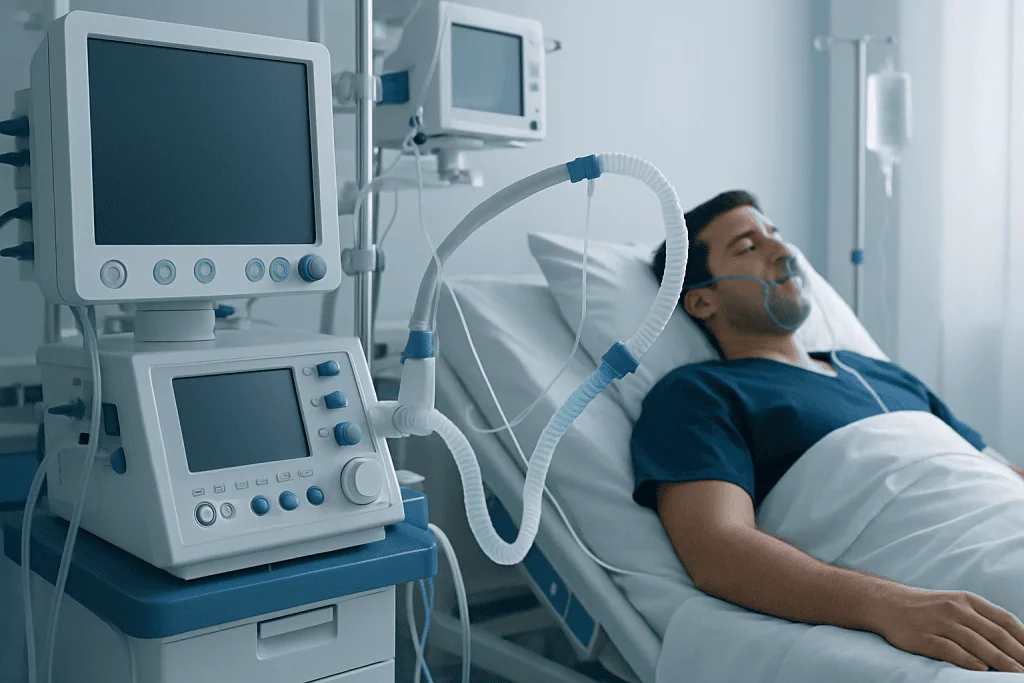
Sleep is not simply “time off.” It supports memory, learning, mood regulation, immune function, hormone balance, blood pressure control, and tissue repair. When sleep is shortened or absent, the body begins to compensate poorly. Concentration and reaction time may decline first, followed by emotional sensitivity, headaches, appetite changes, and a strong sense of exhaustion even if the person feels too “wired” to sleep.
After more prolonged wakefulness, symptoms can become more severe. A person may struggle to think clearly, have trouble finding words, misjudge risks, or experience tremors and poor coordination. Some people report visual distortions or hallucinations, especially when sleep deprivation is extreme. These symptoms can look like other urgent neurological or psychiatric problems, so they should not be ignored.
Sleep loss also places stress on the body. It can worsen blood pressure, blood sugar control, pain, and inflammatory responses. In someone with an existing condition such as sleep apnea, sleep deprivation may overlap with poor sleep quality and amplify daytime sleepiness, concentration problems, and cardiovascular strain.
Common causes of not being able to sleep

Most episodes of severe sleeplessness are related to treatable causes rather than a rare, fatal process. Stress, grief, travel, shift work, overuse of caffeine or energy drinks, alcohol, recreational substances, and changes in routine are common triggers. Anxiety can create a cycle in which fear about not sleeping makes it even harder to fall asleep.
Medical and mental health conditions can also interfere with sleep. These include depression, panic symptoms, chronic pain, breathing disorders during sleep, thyroid problems, reflux, menopause symptoms, medication side effects, and stimulant use. Some people have a true sleep disorder such as chronic insomnia, which may need structured treatment rather than self-help alone.
Less commonly, staying awake for an unusually long time may be linked to mania, withdrawal from alcohol or sedative medicines, severe infection, delirium, or other neurological conditions. When sleeplessness is paired with agitation, racing thoughts, hallucinations, confusion, or unusual behavior, a doctor should assess the situation promptly because the sleep loss may be a sign of a broader problem.
Red flags and when to seek medical care
Many people can be reassured that a few difficult nights, while miserable, usually improve and do not mean the body is shutting down. However, medical care is important if the inability to sleep lasts several days, keeps returning, or is accompanied by daytime impairment that makes work, driving, or basic tasks unsafe.
Urgent medical assessment is especially important if sleeplessness comes with:
- confusion, disorientation, or fainting
- hallucinations or severe agitation
- chest pain, shortness of breath, or palpitations
- thoughts of self-harm or feeling unable to stay safe
- seizure-like activity or sudden neurological symptoms
- possible alcohol, drug, or sedative withdrawal
It is also wise to speak with a doctor if loud snoring, witnessed pauses in breathing, morning headaches, or unrefreshing sleep suggest an underlying sleep disorder. In those situations, evaluation may lead to targeted care such as a sleep study or treatment for related conditions rather than focusing only on the symptom of insomnia.
How doctors evaluate prolonged sleeplessness
Doctors usually begin with a careful history. They ask how long the sleep problem has been present, whether the person cannot fall asleep or cannot stay asleep, what substances or medications are being used, and whether there are symptoms of anxiety, depression, mania, pain, reflux, breathing problems, or restless legs. A review of work schedule, travel, caffeine use, and screen habits can also be revealing.
The next step is identifying whether the danger comes from the sleep loss itself or from its cause. Physical examination may include blood pressure, heart rate, and a general neurological and mental status assessment. Depending on symptoms, tests may be used to look for thyroid disease, infection, metabolic imbalance, or other medical contributors.
When snoring, choking during sleep, daytime sleepiness, or repeated awakenings suggest a sleep disorder, referral for sleep disorders treatment may be appropriate. If symptoms point toward another neurological issue, doctors may also evaluate for related conditions such as sleep disorders more broadly, helping separate temporary insomnia from a pattern that needs specialized care.
Treatment and next steps
Treatment depends on the cause. If a short-term trigger is identified, improving sleep schedule, reducing stimulants, managing stress, and treating pain or illness may be enough. Doctors may also review medicines and supplements that can interfere with sleep. The aim is to restore a more regular sleep pattern safely rather than force sleep at any cost.
For ongoing insomnia, the most effective long-term approach is often behavioral treatment. This may include sleep hygiene measures, stimulus control, a consistent wake time, and cognitive behavioral therapy for insomnia. In some cases, short-term medication may be considered by a qualified clinician, but it should be tailored to the person’s health profile and monitored carefully.
If an underlying condition is found, treatment focuses there. Breathing-related sleep disorders may require devices or other interventions; mood disorders may need psychiatric support; and some patients benefit from a structured review in neurology care when symptoms are complex or overlapping. Near the end of the care pathway, Acibadem International’s multidisciplinary specialists and JCI-accredited hospitals diagnose and treat sleep-related conditions for international patients when specialized assessment is needed.
Prevention and self-care that can help
Simple habits cannot prevent every episode of insomnia, but they can reduce the chance of a short-term problem becoming persistent. A regular wake-up time is often more helpful than trying to force an earlier bedtime. Keeping the bedroom dark, quiet, and cool, limiting late caffeine and alcohol, and reducing stimulating screen use before bed can support the body’s natural sleep signals.
It also helps to avoid lying awake in bed for long periods while becoming frustrated. If sleep does not come, many clinicians advise getting up briefly for a calm, low-light activity and returning to bed when sleepy. Relaxation techniques, gentle breathing exercises, and a wind-down routine may reduce the “alert and anxious” state that keeps sleep away.
Self-care has limits. If someone has gone for days with minimal sleep, is becoming confused, or feels physically unwell, home measures should not replace medical advice. The goal is early support before sleep deprivation leads to accidents, severe distress, or worsening of an untreated condition.
Frequently asked questions
Can a person die from not sleeping?
Severe and prolonged sleep deprivation can be dangerous, but there is no simple, universal number of hours after which death happens. In everyday life, the greater immediate risks are confusion, accidents, worsening medical problems, and signs of an underlying illness that needs treatment.
How long without sleep is considered dangerous?
Even after 24 hours without sleep, attention, reaction time, and judgment can be noticeably impaired. The longer wakefulness continues, the higher the risk of hallucinations, microsleeps, accidents, and medical complications, so several days of little or no sleep should prompt urgent medical advice.
Is it normal to go one night without sleep?
A single sleepless night can happen during stress, travel, pain, illness, or after too much caffeine. It is usually not life-threatening, but the person should avoid driving or hazardous tasks if they feel drowsy, foggy, or slowed.
What symptoms mean lack of sleep needs urgent care?
Urgent care is important if sleep loss comes with chest pain, trouble breathing, confusion, hallucinations, fainting, severe agitation, or thoughts of self-harm. These symptoms may point to something more serious than ordinary insomnia.
What will a doctor do if someone has not slept for days?
A doctor will ask about the pattern of sleep loss, substances and medications, mental health symptoms, breathing during sleep, pain, and recent illness or stress. They may examine the person, check for medical causes, and decide whether a sleep specialist, neurologist, or mental health professional should be involved.
Can anxiety make a person feel like they will die from not sleeping?
Yes. Anxiety can make sleeplessness feel frightening and can intensify awareness of every heartbeat, thought, and sensation, leading to fear that something catastrophic is happening. Although that feeling is common, persistent insomnia or severe anxiety still deserves evaluation and support.
References
- American Academy of Sleep Medicine
- National Institute of Neurological Disorders and Stroke
- National Heart, Lung, and Blood Institute
- Mayo Clinic
- Cleveland Clinic
This article is for general information only and is not a substitute for professional medical advice. Please consult a qualified doctor about your individual situation.
Heart care in Turkey — expert evaluation and treatment
JCI-accredited · board-certified surgeons · reply within 24h
Add us as a Preferred Source to see more of our trusted health content across Google Search, AI Overviews and Discover.
Check your numbers in seconds
BMI, calories, due date, blood pressure and 30+ more clinical calculators — free, instant, doctor-reviewed ranges.

More from the Health Library



Related Specialists

Dr. Zübeyr Kavcar
Pediatrics
Dr. Abdullah Derin
Internal Medicine
Prof. Dr. Ahmet Alanay
Orthopedic Surgery & Traumatology
Prof. Dr. Emre Toğrul
Orthopedic Surgery & Traumatology