Does Air Purifier Help with Dust? Causes, Explanations, and Next Steps

Air purifiers help most with airborne dust, not dust that has already settled on furniture, floors, or fabrics. A true HEPA filter is usually the most useful type for trapping fine particles linked to dust exposure.
Key Takeaways
- Air purifiers help most with airborne dust, not dust that has already settled on furniture, floors, or fabrics.
- A true HEPA filter is usually the most useful type for trapping fine particles linked to dust exposure.
- Dust-related symptoms are often mild and manageable, but persistent breathing problems, wheezing, or severe allergy symptoms should be assessed by a doctor.
- Better results usually come from combining an air purifier with regular cleaning, humidity control, and reducing dust sources indoors.
- Doctors may evaluate ongoing symptoms with a history, physical exam, allergy testing, or breathing tests when needed.
Yes, an air purifier can help with dust by capturing some of the airborne particles that float through indoor air. It is often a helpful part of a broader plan, but it does not remove settled dust from surfaces or address every cause of dust-related symptoms.
Overview: Can an Air Purifier Really Help With Dust?
In many homes, dust is a normal part of indoor life, and occasional exposure is usually harmless. For people bothered by sneezing, stuffiness, itchy eyes, or throat irritation, however, a well-chosen air purifier can help by reducing the amount of dust that stays suspended in the air.
The key point is that dust behaves in two different ways. Some particles float in the air and can be pulled through a filter. Other particles settle quickly onto floors, bedding, shelves, curtains, and upholstered furniture. An air purifier can address the first part of the problem, but it cannot vacuum carpets, wash bedding, or remove dust that has already collected on surfaces.
This is why expectations matter. Air purifiers are usually most helpful as one part of a broader indoor air quality plan. They may reduce airborne dust and improve comfort, especially in bedrooms and frequently used rooms, but they work best alongside routine cleaning, good ventilation, and steps to reduce dust buildup at its source.
What Dust Is and Why It Causes Symptoms
Household dust is not one single substance. It is a mix of tiny particles that may include fabric fibers, skin flakes, soil brought in from outdoors, pet dander, pollen, mold fragments, and insect debris. In some homes, dust also contains dust mites or their waste products, which are common triggers for allergy symptoms.
Many people who say they are “sensitive to dust” are actually reacting to what is in the dust rather than the dust itself. Dust mite allergy, pet dander, mold, and pollen are frequent contributors. This is one reason symptoms can vary from person to person and from season to season.
Common dust-related symptoms include:
- Sneezing
- Runny or stuffy nose
- Itchy, watery, or red eyes
- Scratchy throat
- Cough
- Worsening asthma symptoms in some people
If symptoms are frequent, especially indoors or after cleaning, the issue may be more than simple irritation. In some cases, an underlying allergy or a respiratory condition such as asthma may be involved.
How Air Purifiers Work for Dust
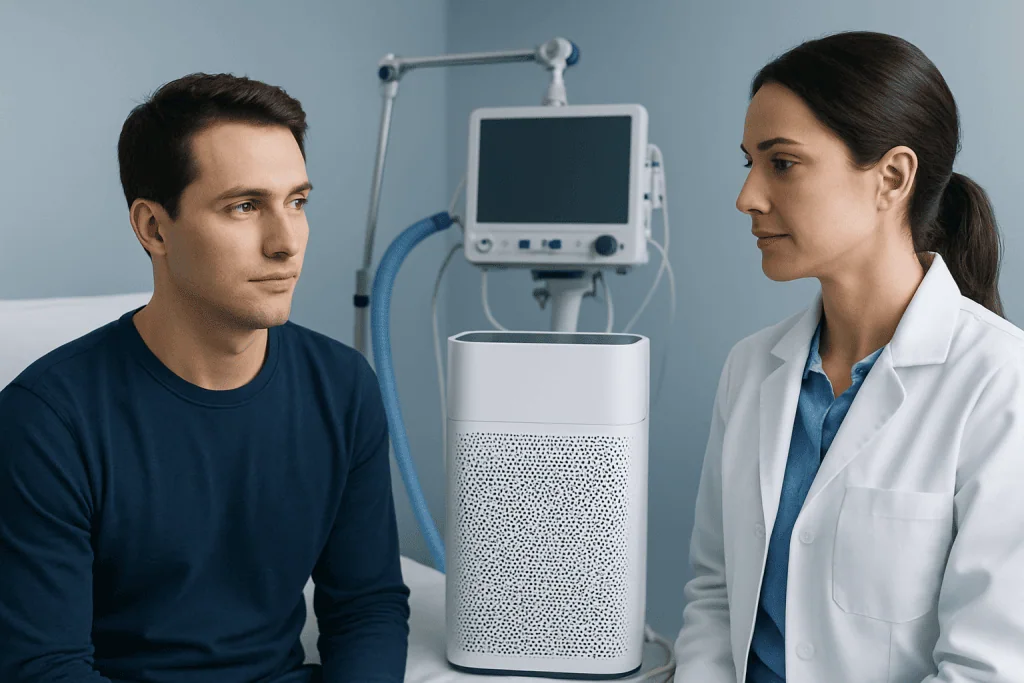
Air purifiers draw room air through one or more filters and then release cleaner air back into the space. For dust, the most important component is usually a mechanical filter, especially a true HEPA filter. HEPA filters are designed to capture a large range of fine airborne particles, including many of the particles associated with dust, pollen, and dander.
What this means in practical terms is that an air purifier can lower the concentration of particles floating in the air at a given time. This may be most noticeable after activities that stir up dust, such as making the bed, vacuuming, folding laundry, or moving fabrics and cushions.
However, air purifiers have limits. They do not stop dust from being created, and they do not remove dust trapped deep inside carpeting, mattresses, curtains, or clutter. If the home has significant dust sources, the purifier may help but not fully solve the problem unless those sources are also addressed.
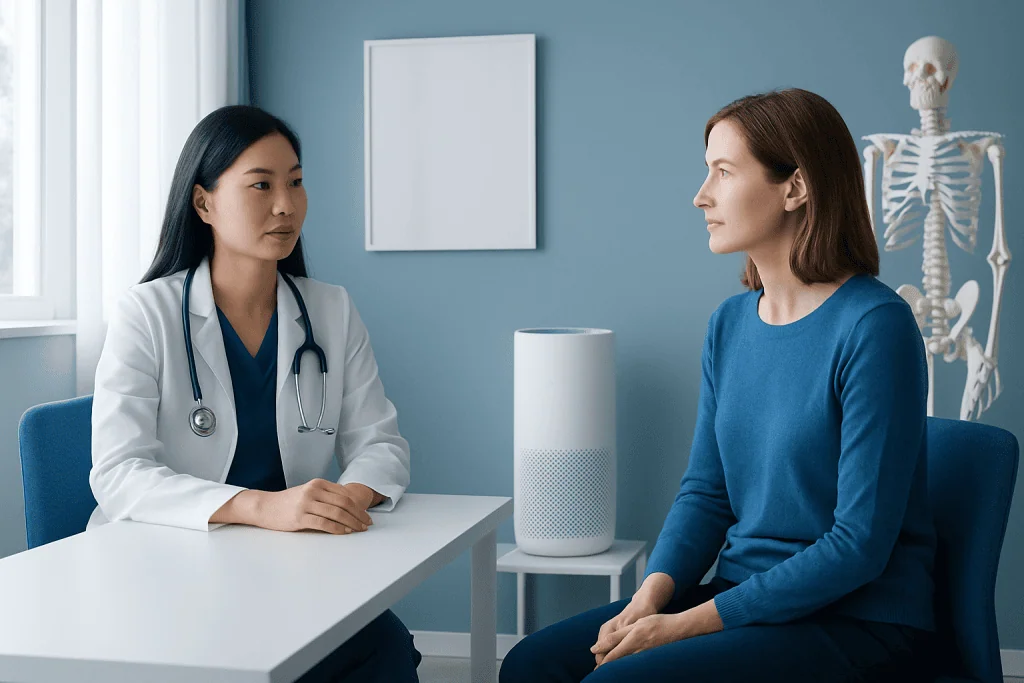
People with persistent nasal or chest symptoms may benefit from medical evaluation as well as environmental measures. Depending on the pattern of symptoms, doctors may recommend further assessment or treatments such as allergy testing to identify specific triggers.
When an Air Purifier Helps Most—and When It Helps Less
Air purifiers tend to be most useful in enclosed rooms where a person spends a lot of time, especially the bedroom. During sleep, a cleaner air environment may reduce exposure to airborne dust and related allergens for several hours at a time. Consistent use in a well-sized room generally works better than moving a small unit from room to room.
They may also help more in homes where airborne particles are regularly stirred up, such as homes with pets, fabric-heavy rooms, frequent foot traffic, or nearby outdoor dust. If symptoms are worse during housekeeping, an air purifier can sometimes reduce the amount of fine material that becomes airborne during and after cleaning.
Results are often less noticeable when the main problem is settled dust rather than airborne dust. For example, if shelves, curtains, mattresses, and carpets hold a large dust load, the purifier may make only a partial difference. In that situation, cleaning habits, humidity management, and reducing reservoirs of dust may matter just as much as the device itself.
Symptoms that continue despite reasonable home measures may point to allergic rhinitis or another condition rather than dust alone. In such cases, a doctor may consider whether findings fit allergic rhinitis or another upper-airway condition.
How to Choose and Use an Air Purifier Effectively
For dust concerns, choosing the right device matters. A purifier with a true HEPA filter is generally the best-supported option for mechanical particle removal. It should also be correctly sized for the room where it will be used; a small device in a large room may have limited benefit.
Good placement also helps. The purifier should usually sit where air can circulate freely around it, rather than being blocked by furniture or curtains. Keeping doors and windows habits consistent may improve performance, since large changes in airflow can continually bring in new particles.
Filter maintenance is essential. A clogged or overdue filter reduces effectiveness, so following the manufacturer’s replacement schedule is important. Some units also include pre-filters that catch larger particles and help extend the life of the main filter.
For people with ongoing nasal congestion, cough, or breathing symptoms, air purification alone may not be enough. Doctors sometimes combine environmental advice with symptom-focused care or, when needed, further tests such as pulmonary function tests if lower-airway involvement is suspected.
Other Steps That Reduce Dust Exposure at Home
The most effective approach to dust usually combines filtration with practical source control. Regular cleaning can remove settled dust before it is stirred back into the air. Damp dusting often works better than dry dusting because it picks up particles instead of spreading them around.
Helpful home strategies may include:
- Vacuuming with a high-efficiency filter if possible
- Washing bedding regularly
- Reducing clutter that collects dust
- Using washable curtains or easy-to-clean window coverings
- Controlling indoor humidity to help limit dust mites and mold
- Removing shoes indoors if outdoor dust is a problem
Bedrooms deserve special attention because close contact with bedding, pillows, and mattresses can increase exposure overnight. In some cases, dust-mite covers for pillows and mattresses may help as part of an allergy-management plan.
If symptoms remain troublesome, a specialist may help identify whether dust is the main issue or whether pollen, mold, pet dander, or another trigger is contributing. In more complex situations, doctors may also evaluate whether imaging or specialist respiratory review is needed, sometimes alongside services such as a medical check-up.
When to Seek Medical Care
Most dust-related symptoms are not dangerous and improve with better indoor air control, cleaning measures, and avoidance of triggers. Still, medical review is a good idea if symptoms are frequent, interfere with sleep, keep returning despite home changes, or suggest an underlying allergy or breathing condition.
Specific red flags deserve prompt attention. These include wheezing, shortness of breath, chest tightness, persistent cough, repeated sinus infections, symptoms severe enough to limit daily activities, or any sudden breathing difficulty. A child, older adult, or anyone with known asthma or chronic lung disease should be assessed sooner if dust seems to trigger respiratory symptoms.
Doctors typically begin with a careful symptom history, including when symptoms happen, what rooms or activities make them worse, and whether there are pets, carpets, dampness, or visible mold at home. They may perform a physical examination, review medication use, and decide whether allergy testing, breathing tests, or referral to an ear, nose, and throat or lung specialist is needed.
Near the end of the care pathway, some patients benefit from multidisciplinary review. Acibadem International’s specialists in JCI-accredited hospitals diagnose and treat allergy and respiratory concerns for international patients when further assessment is required.
Frequently asked questions
Does an air purifier remove dust completely?
No. An air purifier can reduce airborne dust, but it does not completely remove all dust from a home. Dust that has settled on floors, furniture, bedding, and fabrics still needs to be cleaned manually.
Is a HEPA air purifier best for dust?
In many cases, yes. A true HEPA filter is generally the most useful type for capturing fine airborne particles linked to dust, dander, and pollen. The purifier also needs to be appropriately sized for the room to work well.
Why do I still see dust after using an air purifier?
Visible dust often comes from particles that have already settled on surfaces rather than particles still floating in the air. An air purifier cannot dust shelves, clean fabrics, or remove debris trapped in carpets and upholstery.
Can an air purifier help with dust allergies?
It can help reduce exposure to some airborne allergy triggers carried in dust, which may lessen symptoms for some people. However, it usually works best together with cleaning, humidity control, and medical evaluation if symptoms are persistent.
Where should an air purifier be placed for dust?
It is often most helpful in the bedroom or the room where the person spends the most time. The unit should be placed where air can move freely around it, not tightly blocked by walls, curtains, or furniture.
When should dust-related symptoms be checked by a doctor?
Medical advice is sensible if symptoms are frequent, disturb sleep, continue despite home measures, or seem linked to wheezing, chest tightness, or shortness of breath. A doctor can check for allergies, asthma, sinus problems, or other causes that may need treatment.
References
- U.S. Environmental Protection Agency
- American Academy of Allergy, Asthma & Immunology
- Centers for Disease Control and Prevention
- National Institute of Environmental Health Sciences
This article is for general information only and is not a substitute for professional medical advice. Please consult a qualified doctor about your individual situation.
Explore treatments in Turkey — costs, top hospitals & a free quote
JCI-accredited · board-certified surgeons · reply within 24h
Add us as a Preferred Source to see more of our trusted health content across Google Search, AI Overviews and Discover.