

Uvulopalatopharyngoplasty: How It Works, Recovery, and What to Expect

Uvulopalatopharyngoplasty removes or reshapes tissue at the back of the throat to improve airflow during sleep. It is most often considered for obstructive sleep apnea or severe snoring when non-surgical treatments are not enough or cannot be tolerated.
Key Takeaways
- Uvulopalatopharyngoplasty removes or reshapes tissue at the back of the throat to improve airflow during sleep.
- It is most often considered for obstructive sleep apnea or severe snoring when non-surgical treatments are not enough or cannot be tolerated.
- Careful evaluation, including sleep testing and airway assessment, helps determine whether a person is a good candidate.
- Recovery usually involves throat pain, a temporary change in swallowing, and gradual return to normal eating and activity.
- The procedure can reduce obstruction and symptoms, but it does not guarantee a complete cure for every patient.
Uvulopalatopharyngoplasty is a throat surgery designed to create more space in the airway, usually to help treat obstructive sleep apnea or troublesome snoring caused by soft tissue blockage. Patients often want to know how it works, who is a good candidate, and what recovery is really like before deciding whether this procedure is right for them.
Overview: what uvulopalatopharyngoplasty does
Uvulopalatopharyngoplasty, often shortened to UPPP, is an operation that reshapes the soft tissues at the back of the throat to make the airway wider during sleep. It typically involves removing or reducing part of the uvula, soft palate, and sometimes nearby throat tissue such as the tonsils if they are still present. The aim is to decrease collapse or blockage in the upper airway.
This procedure is most commonly used for people with obstructive sleep apnea, a condition in which breathing repeatedly stops or becomes shallow during sleep because the airway narrows or closes. It may also be considered for severe snoring when the source is clearly related to soft palate vibration and obstruction. In practice, uvulopalatopharyngoplasty is only one part of sleep apnea care and is usually recommended after a careful assessment of the whole airway.
Unlike many shorter overviews, it helps to think of UPPP not simply as “snoring surgery,” but as a procedure chosen for a specific pattern of airway blockage. Some patients benefit most when it is combined with other treatments, while others do better with alternatives such as continuous positive airway pressure, oral appliances, weight management, or different airway procedures. A full diagnosis of sleep apnea helps guide that decision.
Who may be a candidate for UPPP
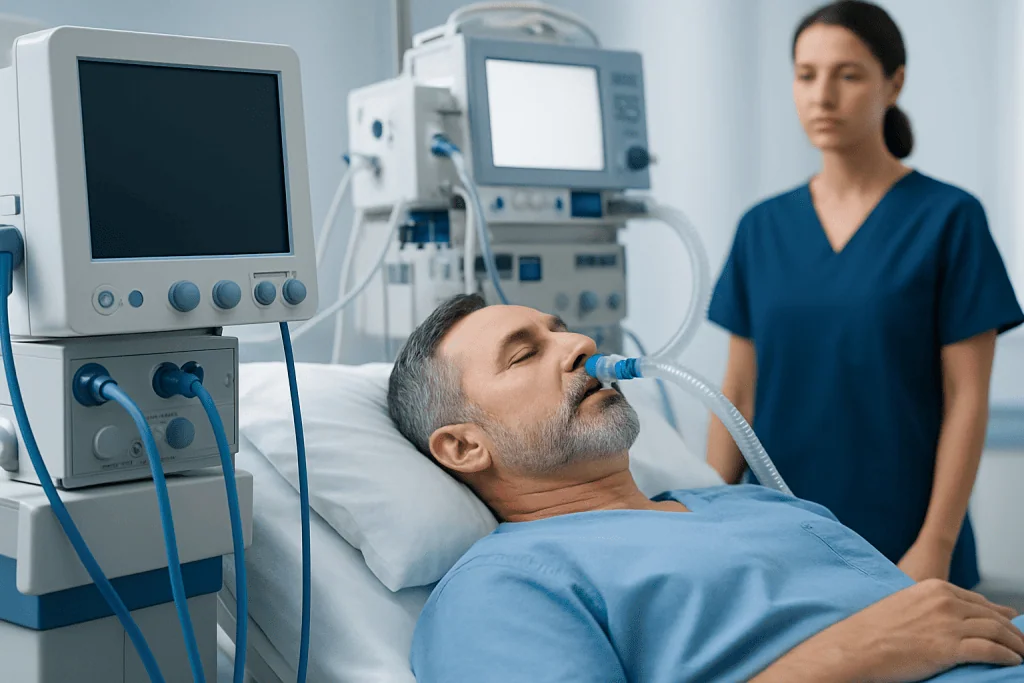
A person may be considered for uvulopalatopharyngoplasty if testing shows obstructive sleep apnea or if snoring is severe and linked to blockage at the level of the soft palate. Doctors often look at symptoms such as loud snoring, witnessed pauses in breathing, daytime tiredness, morning headaches, poor concentration, restless sleep, or choking sensations at night. The best candidates are usually those whose airway obstruction is at least partly located in the palate and throat rather than mainly in the tongue base or nose.
UPPP is commonly discussed when standard non-surgical treatment has not worked well enough or cannot be tolerated. For example, some people with obstructive sleep apnea struggle to use CPAP consistently despite trying adjustments. Others may have enlarged tonsils, bulky soft palate tissue, or an airway shape that makes surgery more reasonable to consider. A surgeon weighs these findings together rather than relying on one symptom alone.
Not everyone with sleep apnea is an ideal candidate. Factors such as obesity, multiple levels of airway collapse, certain jaw structures, smoking, or significant medical conditions may affect expected results and surgical risk. Because obstructive sleep apnea can involve the nose, palate, tongue, and lower throat, a patient may need broader evaluation before proceeding with sleep apnea treatment tailored to the specific cause of obstruction.
How the procedure works and what happens step by step
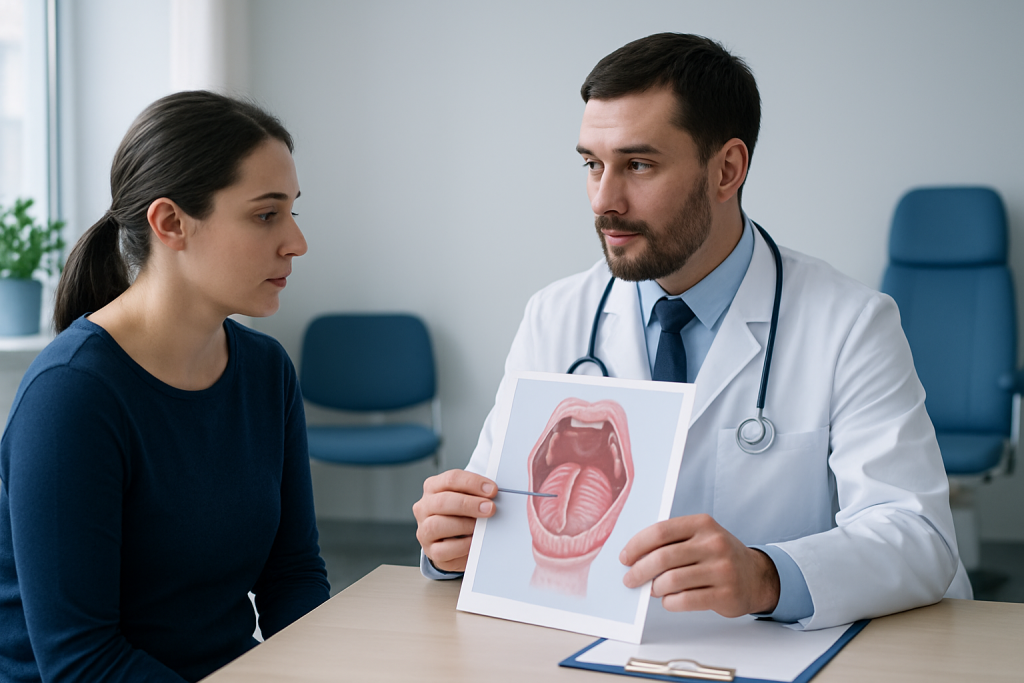
Uvulopalatopharyngoplasty works by reducing extra tissue and tightening or reshaping the tissues that narrow the upper airway. Depending on the anatomy, the surgeon may remove part of the uvula, trim or reposition portions of the soft palate, and remove the tonsils if they are present and enlarged. The exact technique varies, but the central goal is the same: to create a more stable, less collapsible airway during sleep.
The operation is usually performed under general anesthesia. Before surgery, the team reviews the patient’s sleep study, symptoms, airway exam, medical history, and any previous treatments. In some cases, further testing such as endoscopic airway evaluation during sleep-like sedation may be used to identify where collapse happens most clearly. This planning stage matters because it helps match the procedure to the patient’s anatomy.
During surgery, the surgeon accesses the throat through the mouth, so there is usually no external incision. Tissue is removed or repositioned with surgical instruments and bleeding is carefully controlled. If nasal or other upper airway blockage is also contributing, related procedures may be considered at the same time in selected patients, such as septoplasty or other airway surgery when appropriate. After the procedure, the patient is monitored as the anesthesia wears off, and some patients may stay overnight for observation, especially if they have moderate to severe sleep apnea or other health concerns.
Benefits, limitations, and expected results
The main potential benefit of uvulopalatopharyngoplasty is better airflow through the throat during sleep. This may lead to reduced snoring, fewer episodes of airway blockage, and better sleep quality for some patients. People may also notice less daytime sleepiness, improved alertness, and fewer nighttime awakenings when the procedure successfully targets the obstructed area.
At the same time, it is important to have realistic expectations. UPPP does not help every patient equally, and it may improve symptoms without fully curing obstructive sleep apnea. Some people still need CPAP or another treatment afterward, although pressure requirements may sometimes become lower. Results depend on body weight, airway anatomy, severity of sleep apnea, and whether obstruction occurs in more than one part of the airway.
Because of these differences, many specialists treat UPPP as one option within a personalized plan rather than a universal solution. In some cases, another operation may be more suitable, or UPPP may be combined with other procedures for better airway support. When snoring or apnea also relates to a blocked nose, addressing a deviated septum or other structural issues can be part of the broader strategy.
Recovery timeline and aftercare
Recovery from uvulopalatopharyngoplasty usually involves a sore throat, swelling, and discomfort with swallowing for days to a few weeks. Pain is often most noticeable in the first one to two weeks and may also be felt in the ears because throat pain can be referred there. A temporary sensation of mucus, throat tightness, bad breath, or a change in the sound of the voice can also occur during healing.
Most patients start with cool or soft foods and increase their diet gradually as swallowing becomes easier. Good hydration is especially important. Rest is usually advised for the first several days, followed by a gradual return to routine activity as directed by the surgical team. Patients are generally told to avoid smoking, alcohol, and foods that are sharp, hot, or irritating while the throat heals.
Follow-up visits help the doctor check healing and discuss symptom changes. In people treated for obstructive sleep apnea, repeat sleep evaluation may be recommended after recovery to see how much the airway obstruction has improved. If ongoing symptoms remain, additional steps such as CPAP, an oral appliance, weight management, or another upper airway procedure may still be needed. When nasal blockage affects breathing, related care such as ENT evaluation and treatment can be useful within the overall recovery plan.
Risks and possible complications
Like any surgery, uvulopalatopharyngoplasty carries risks. Common short-term issues include pain, bleeding, swelling, temporary difficulty swallowing, dehydration, and nausea related to anesthesia. Doctors monitor closely for breathing problems, especially in people who already have significant sleep apnea, because airway swelling can be more important in the early recovery period.
Less common but important complications can include infection, persistent swallowing problems, changes in speech quality, a sensation that liquids go toward the nose, scarring, or ongoing throat dryness. Some patients notice a long-term change in snoring without enough improvement in sleep apnea, while others may have only partial benefit. This is one reason preoperative counseling is so important.
Risk can often be reduced through careful patient selection, good surgical technique, and following aftercare instructions closely. Patients should tell their doctor about blood thinners, smoking, reflux symptoms, prior throat surgery, and any heart or lung conditions before the procedure. A qualified ENT or sleep surgery team can explain the likely benefits and limitations based on the individual airway pattern.
When to seek medical care
Medical care should be sought if a person has loud habitual snoring with pauses in breathing, repeated choking during sleep, or significant daytime sleepiness that affects driving, work, or concentration. These symptoms may suggest obstructive sleep apnea and deserve professional evaluation rather than self-diagnosis. A sleep study and airway exam can clarify the cause and help identify the safest treatment options.
After uvulopalatopharyngoplasty, patients should contact their doctor promptly if they develop heavy bleeding, trouble breathing, dehydration from not being able to drink enough, fever, or worsening pain that is not improving as expected. These problems do not happen to everyone, but they should not be ignored. Clear discharge instructions and follow-up planning help patients know what is normal and what needs attention.
For people seeking coordinated care, Acibadem International’s multidisciplinary specialists in JCI-accredited hospitals diagnose and treat sleep-related airway conditions for international patients. The most appropriate plan may involve surgery, non-surgical therapy, or a combination, depending on the findings from examination and sleep testing.
Frequently asked questions
Is uvulopalatopharyngoplasty the same as surgery for snoring?
Uvulopalatopharyngoplasty can reduce snoring, but it is not only a snoring procedure. It is most often considered when throat tissue contributes to obstructive sleep apnea or severe snoring and when careful evaluation suggests the palate is part of the blockage.
How painful is recovery after UPPP?
Most patients have moderate to significant throat pain for the first days after surgery, with gradual improvement over one to two weeks or sometimes longer. Swallowing can be uncomfortable at first, so hydration, soft foods, and prescribed pain management are important.
Will UPPP cure sleep apnea?
UPPP may improve sleep apnea in selected patients, but it does not guarantee a cure. Some people still need CPAP, an oral appliance, weight management, or additional treatment after surgery depending on the cause and severity of airway collapse.
How long does it take to recover from uvulopalatopharyngoplasty?
Many people need about one to two weeks for the most intense part of recovery, though complete healing can take longer. Return to normal eating, exercise, and work depends on pain, swallowing, and the surgeon’s advice.
Who should not have UPPP?
A person may not be a good candidate if the main airway blockage is not at the palate, if major medical risks make surgery less safe, or if another treatment is more likely to help. Careful evaluation by a sleep or ENT specialist is important before making a decision.
Can the uvula grow back after surgery?
Tissue removed during surgery does not usually “grow back” in the original way. However, symptoms can persist or return over time if airway collapse happens in other areas or if weight and anatomy change.
References
- American Academy of Sleep Medicine
- American Academy of Otolaryngology–Head and Neck Surgery
- National Heart, Lung, and Blood Institute
- Mayo Clinic
- MedlinePlus
This article is for general information only and is not a substitute for professional medical advice. Please consult a qualified doctor about your individual situation.
Explore treatments in Turkey — costs, top hospitals & a free quote
JCI-accredited · board-certified surgeons · reply within 24h
Add us as a Preferred Source to see more of our trusted health content across Google Search, AI Overviews and Discover.

More from the Health Library



Related Specialists

Dr. Havva Gölalan
Oral & Dental Health
Dr. Duygu Gür Ünal
Pediatrics
Prof. Dr. Emre Toğrul
Orthopedic Surgery & Traumatology
Assoc. Prof. Dr. Tekin Kerem Ülkü
Orthopedic Surgery & Traumatology