Tight Anal: An Evidence-Based Guide for Patients

A tight anal sensation is a symptom, not a diagnosis. Painful stool, constipation, anal fissures, and pelvic floor dysfunction are common causes.
Key Takeaways
- A tight anal sensation is a symptom, not a diagnosis.
- Painful stool, constipation, anal fissures, and pelvic floor dysfunction are common causes.
- Treatment may include stool-softening habits, warm baths, pelvic floor therapy, and treatment of the underlying condition.
- Bleeding, severe pain, fever, or ongoing symptoms should be assessed by a doctor.
- Trying to force bowel movements can worsen pain and muscle spasm.
A tight anal feeling usually means the muscles around the anus are tense, irritated, or going into spasm rather than permanently “too small.” Common causes include constipation, an anal fissure, hemorrhoids, pelvic floor dysfunction, and anxiety-related muscle tightening, and treatment depends on finding the cause.
What a tight anal feeling usually means
A tight anal feeling usually refers to tension, pressure, or difficulty relaxing the muscles at the opening of the rectum. In many people, this happens because the anal sphincter muscles tighten in response to pain, irritation, fear of passing stool, or problems with coordination of the pelvic floor muscles. It can feel like the anus is “closed,” hard to relax, or painful during a bowel movement.
This symptom is common and often treatable. It does not always mean there is a serious disease. Everyday problems such as constipation, straining, dehydration, or a small tear in the anal lining can trigger a cycle of pain and muscle spasm. That cycle may then make bowel movements more difficult, which can prolong symptoms.
The best approach is to look at the full pattern of symptoms rather than the sensation alone. A clinician may ask about bowel habits, pain, bleeding, itching, leakage, prior childbirth or pelvic surgery, medications, stress, and any history of digestive conditions. Identifying the cause helps guide the right treatment and avoids unnecessary worry.
Common symptoms that can happen with it
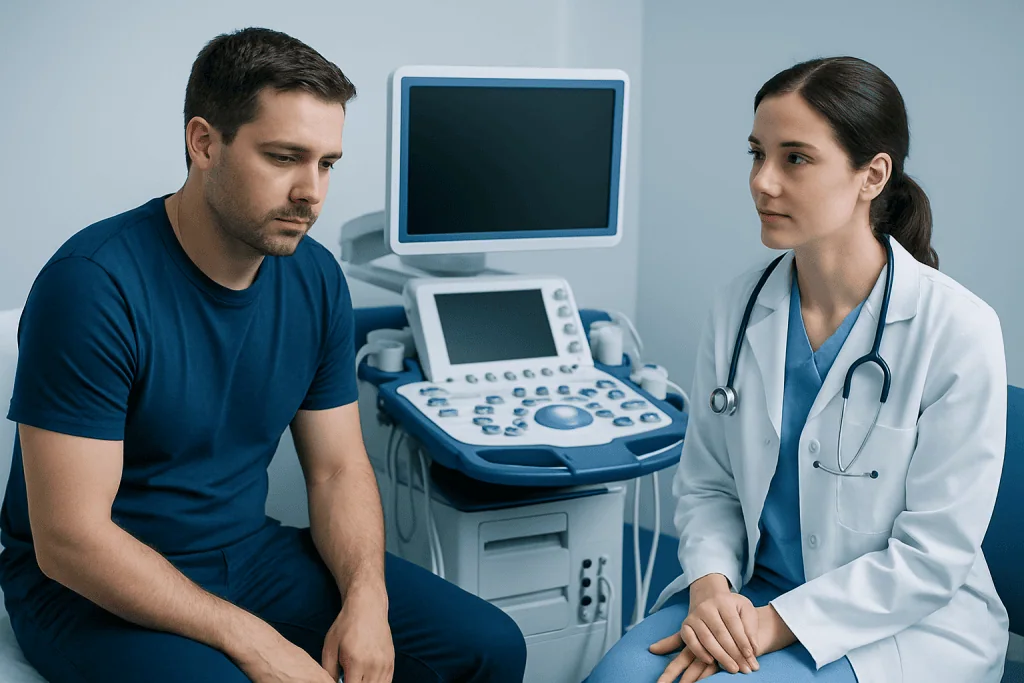
People describe a tight anal sensation in different ways. Some say it feels like resistance when trying to pass stool. Others notice cramping, sharp pain, burning, pressure, or a feeling that the muscles will not relax. Symptoms may come and go or happen mainly during or after bowel movements.
Other symptoms can offer clues about the cause. For example, bright red blood on toilet paper may happen with a fissure or hemorrhoids. Constipation, hard stools, and straining often point to bowel habit issues. Rectal pain that lasts minutes to hours may suggest muscle spasm. A feeling of incomplete emptying can occur when the pelvic floor muscles do not coordinate properly.
Symptoms that may occur alongside a tight anal feeling include:
- Pain during bowel movements
- Hard or infrequent stools
- Rectal bleeding
- Itching or irritation around the anus
- Cramping or spasm after passing stool
- Difficulty relaxing to have a bowel movement
- A sense of blockage or incomplete emptying
Although these symptoms are often linked to benign conditions, persistent or worsening symptoms deserve medical attention, especially if they interfere with daily life or bowel function.
Why it happens: common causes and risk factors

One of the most common reasons for a tight anal feeling is an anal fissure, which is a small tear in the lining of the anus. Fissures often develop after passing a hard stool. Because they are painful, the anal sphincter may tighten reflexively, leading to more pain and a continuing cycle of spasm. Another frequent cause is constipation, which increases straining and can make the muscles tense.
Hemorrhoids can also contribute, especially if there is swelling, pain, or irritation. In some people, the issue is not a structural problem but a coordination problem called pelvic floor dysfunction or dyssynergic defecation. In this condition, the pelvic floor and anal muscles tighten instead of relaxing during a bowel movement. This may cause chronic constipation and a sense of outlet blockage.
Other causes are possible as well. These include inflammation, infection, scar tissue after surgery, irritation from frequent diarrhea, and less commonly conditions affecting the bowel such as Crohn’s disease. Stress and anxiety can also increase muscle tension in the pelvic floor, which may worsen symptoms even when the original trigger was a physical problem.
Risk factors include low fiber intake, poor hydration, repeated straining, prolonged sitting on the toilet, pregnancy and childbirth, prior anorectal procedures, chronic diarrhea or constipation, and pelvic floor disorders. Certain pain medicines and other medications that cause constipation may also play a role.
How doctors evaluate a tight anal complaint
Diagnosis begins with a careful history. A doctor usually asks when the symptom started, whether it is linked to bowel movements, what the stool consistency is like, and whether there is bleeding, discharge, itching, fever, weight loss, or abdominal pain. This helps distinguish a common local cause from a digestive or inflammatory condition that may need broader evaluation.
A physical examination often includes inspection of the area and sometimes a gentle digital rectal exam, depending on pain levels. In many cases, an anal fissure, hemorrhoids, irritation, or increased muscle tone can be identified clinically. If symptoms strongly suggest a fissure, the exam may be kept minimal at first to avoid causing unnecessary discomfort.
When symptoms are ongoing, complex, or associated with difficult constipation, additional tests may be considered. These can include anoscopy, endoscopy, or tests that assess pelvic floor function. In selected patients, imaging or specialized anorectal studies help evaluate muscle coordination and rule out other problems. If colorectal or pelvic floor evaluation is needed, clinicians may recommend colonoscopy or functional testing as part of a broader plan.
Treatment depends on the underlying cause
Treatment focuses on breaking the cycle of pain, spasm, and difficult bowel movements. If constipation is a major factor, care usually starts with softer stools and less straining. This often means increasing fluid intake, eating enough fiber, staying physically active, and using clinician-recommended stool-softening measures when needed. Warm sitz baths can help relax the muscles and reduce discomfort.
For an anal fissure, treatment often includes bowel habit support, local measures to reduce pain, and in some cases medicines that help the sphincter relax. If hemorrhoids are contributing, treatment may involve dietary changes, symptom relief, and targeted care depending on severity. When there is significant pelvic floor dysfunction, pelvic floor physical therapy and biofeedback can be especially helpful because they retrain the muscles to relax at the right time.
People with chronic or recurrent symptoms may need specialist evaluation. A gastroenterologist or colorectal surgeon can assess for ongoing fissure disease, structural problems, inflammation, or defecation disorders. In some situations, treatment may involve gastroenterology care or consultation with colorectal surgery if symptoms do not improve with conservative measures.
Surgery is not the first step for most patients, but it may be considered for selected conditions such as a chronic fissure that does not respond to other therapies. The exact plan depends on the diagnosis, symptom severity, and overall health. A doctor can help balance symptom relief with protecting normal bowel control.
Self-care and prevention strategies
Self-care can make a meaningful difference, especially when symptoms are related to constipation or muscle guarding. The goal is to make bowel movements easier and reduce irritation. A routine that supports regular, soft stools often helps the anal muscles stop tightening defensively.
Helpful strategies include drinking enough fluids, increasing fiber gradually through food, moving the body regularly, and responding to the urge to pass stool without delaying too long. It is also wise to avoid prolonged straining or sitting on the toilet for extended periods, since both can worsen pressure and pain.
Practical self-care measures include:
- Warm sitz baths for 10 to 15 minutes
- Gentle cleaning rather than vigorous wiping
- Aim for soft, formed stools rather than hard or very loose stools
- Using a footstool during bowel movements if recommended, to improve positioning
- Stress reduction and pelvic floor relaxation techniques
- Following a clinician’s advice before using laxatives or rectal products regularly
If symptoms are linked to repeated constipation, recurring diarrhea, or suspected pelvic floor dysfunction, self-care alone may not be enough. In those cases, professional assessment can shorten recovery and help prevent symptoms from becoming chronic.
When to seek medical care
Medical care is appropriate if a tight anal feeling persists, returns often, or makes bowel movements difficult or painful. A doctor should also evaluate symptoms if there is rectal bleeding, worsening pain, or a new change in bowel habits that does not settle. Early assessment can identify a fissure, hemorrhoids, pelvic floor problem, or another cause and guide effective treatment.
More urgent medical attention is important if there is severe pain, fever, swelling, pus, inability to pass stool or gas, significant bleeding, or symptoms of dehydration. These features can suggest infection, obstruction, or another problem that needs prompt care. Unexplained weight loss, nighttime symptoms, or a family history of bowel disease may also prompt a more complete evaluation.
For international patients who need assessment, Acibadem International’s multidisciplinary specialists in JCI-accredited hospitals diagnose and treat anorectal and digestive conditions with an individualized approach. Depending on the symptoms and findings, care may also involve evaluation for conditions such as hemorrhoids or referral for pelvic floor therapy when muscle coordination is part of the problem.
Frequently asked questions
Is a tight anal feeling normal?
It is a common symptom, but it is not something a person has to simply live with. It often happens because the anal muscles tighten in response to pain, constipation, or irritation. If it keeps happening or causes painful bowel movements, a doctor should evaluate it.
Can constipation cause a tight anal sensation?
Yes. Hard stools and straining can irritate the anus and make the sphincter muscles tighten. This can create a cycle in which bowel movements become more painful and more difficult.
Does a tight anal feeling mean hemorrhoids?
Not always. Hemorrhoids can contribute to pressure, irritation, and pain, but other causes such as anal fissures, pelvic floor dysfunction, or muscle spasm are also common. The pattern of symptoms and an examination help tell them apart.
Can anxiety make the anal muscles feel tight?
Yes. Stress and anxiety can increase muscle tension throughout the body, including the pelvic floor and anal sphincter. Anxiety may not be the only cause, but it can worsen symptoms that started from constipation or pain.
What helps relax the area at home?
Warm sitz baths, good hydration, softer stools, and avoiding straining often help. Some people also benefit from relaxation breathing and pelvic floor exercises taught by a qualified therapist. It is best to avoid frequent self-treatment with over-the-counter rectal products without medical advice.
When should someone worry about a tight anal symptom?
Medical assessment is important if symptoms persist, recur, or are associated with bleeding, severe pain, fever, swelling, or trouble passing stool. Ongoing bowel habit changes, weight loss, or significant abdominal symptoms also deserve professional evaluation. These signs do not always mean something serious, but they should not be ignored.
References
- National Institute of Diabetes and Digestive and Kidney Diseases
- American Society of Colon and Rectal Surgeons
- National Health Service
- Mayo Clinic
- Cleveland Clinic
This article is for general information only and is not a substitute for professional medical advice. Please consult a qualified doctor about your individual situation.
Persistent digestive symptoms? Get evaluated in Turkey
JCI-accredited · board-certified surgeons · reply within 24h
Add us as a Preferred Source to see more of our trusted health content across Google Search, AI Overviews and Discover.

More from the Health Library


Related Specialists

Dr. Hasan Abbasguliyev
Radiology
Dr. Oya Yeşim Hacımustafaoğlu Utkan (m)
Dermatology
Dr. Can Burak Özme
Cardiology
Dr. Mustafa Mutlu
Inpatient Clinic Physicians Clinical Service