Osteomalacia vs Osteoporosis: Key Differences and How Doctors Tell Them Apart

Osteomalacia causes soft bones from poor mineralization, often linked to vitamin D, calcium, or phosphate problems. Osteoporosis causes low bone density and weaker bone structure, increasing fracture risk.
Key Takeaways
- Osteomalacia causes soft bones from poor mineralization, often linked to vitamin D, calcium, or phosphate problems.
- Osteoporosis causes low bone density and weaker bone structure, increasing fracture risk.
- Bone pain and muscle weakness are more typical of osteomalacia, while osteoporosis often causes no symptoms until a fracture happens.
- Doctors use medical history, blood tests, bone density scanning, and sometimes X-rays to distinguish the two conditions.
- Treatment differs: osteomalacia often improves by correcting the underlying deficiency, while osteoporosis treatment focuses on fracture prevention and bone-strengthening care.
Osteomalacia and osteoporosis are both bone disorders, but they are not the same. Osteomalacia means bones are poorly mineralized and become soft, while osteoporosis means bones lose density and become fragile; doctors usually tell them apart using symptoms, blood tests, and bone imaging.
Overview: a side-by-side comparison
When people search for osteomalacia vs osteoporosis, the shortest answer is this: osteomalacia is a problem of bone softening caused by poor mineralization, while osteoporosis is a problem of bone thinning caused by low bone mass and changes in bone structure. Both can increase the chance of fractures, but they develop in different ways and are diagnosed differently.
These conditions can sometimes be confused because both affect the skeleton and may appear later in life. However, the pattern of symptoms, the laboratory results, and the imaging findings often point clearly toward one diagnosis over the other. In some people, the two conditions may even exist at the same time, which is one reason a clinician looks at the whole picture rather than one test alone.
The table below shows the main differences doctors look for first.
- Osteomalacia: bones are not mineralized properly; often related to vitamin D deficiency, poor absorption, kidney or liver disorders, or low phosphate.
- Osteoporosis: bones lose density and become more fragile; commonly linked to aging, menopause, certain medicines, low body weight, smoking, or inactivity.
- Typical symptoms in osteomalacia: bone pain, muscle weakness, difficulty walking, tenderness, fatigue.
- Typical symptoms in osteoporosis: often none until a fracture; may later cause height loss, stooped posture, or back pain from spinal fractures.
- Key tests for osteomalacia: blood tests such as vitamin D, calcium, phosphate, alkaline phosphatase, and kidney-related evaluation.
- Key tests for osteoporosis: bone mineral density testing, especially a DEXA scan, along with fracture risk assessment.
- Main treatment focus in osteomalacia: correct the deficiency or underlying disease.
- Main treatment focus in osteoporosis: reduce fracture risk with lifestyle measures and, when appropriate, medicines that protect bone.
What each condition means inside the bone
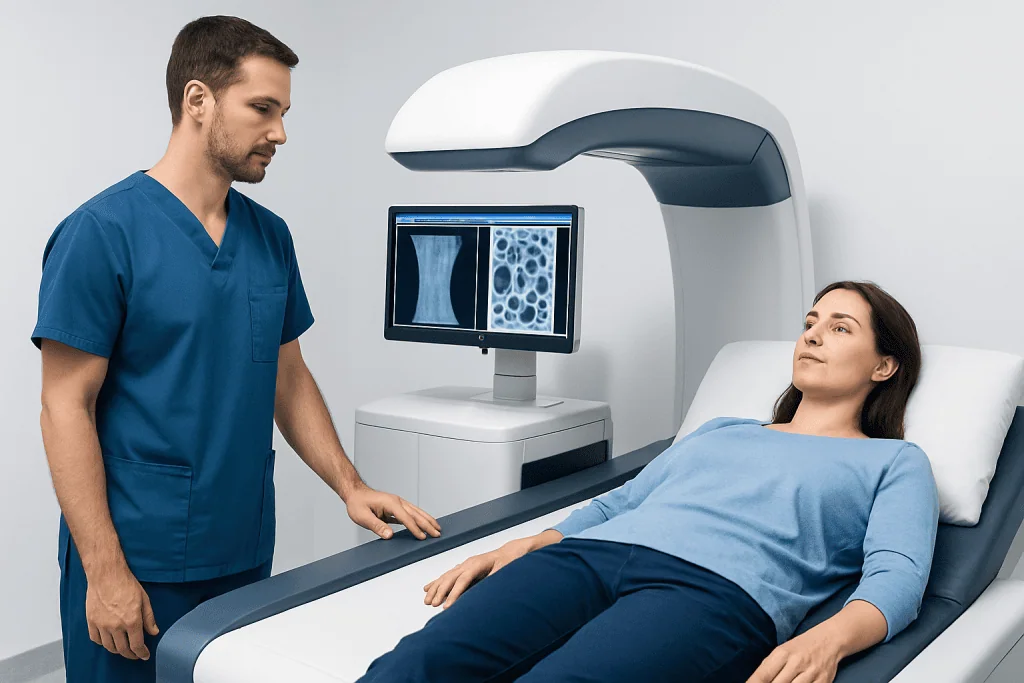
Bone is living tissue that is constantly being renewed. To stay strong, it needs both a healthy internal framework and enough minerals, especially calcium and phosphate, to harden that framework. Osteomalacia happens when the bone matrix is formed but does not harden properly. The result is bone that is softer than it should be.
Osteoporosis is different. In osteoporosis, the bone is usually mineralized normally, but there is less of it, and its microscopic architecture becomes weaker. This makes bones more likely to break, even after a minor fall or, in some cases, normal daily activity.
This difference helps explain why symptoms vary. Soft bone in osteomalacia can lead to aching, tenderness, and weakness, especially in the hips, pelvis, lower back, and legs. Fragile bone in osteoporosis may cause no warning signs at all until a wrist, hip, or spine fracture occurs.
Because both disorders involve bone strength, they are part of a broader group of metabolic bone diseases. A person already being assessed for osteoporosis may need additional tests if the pattern suggests a mineralization problem rather than simple bone loss.
Symptoms and clues that can help tell them apart
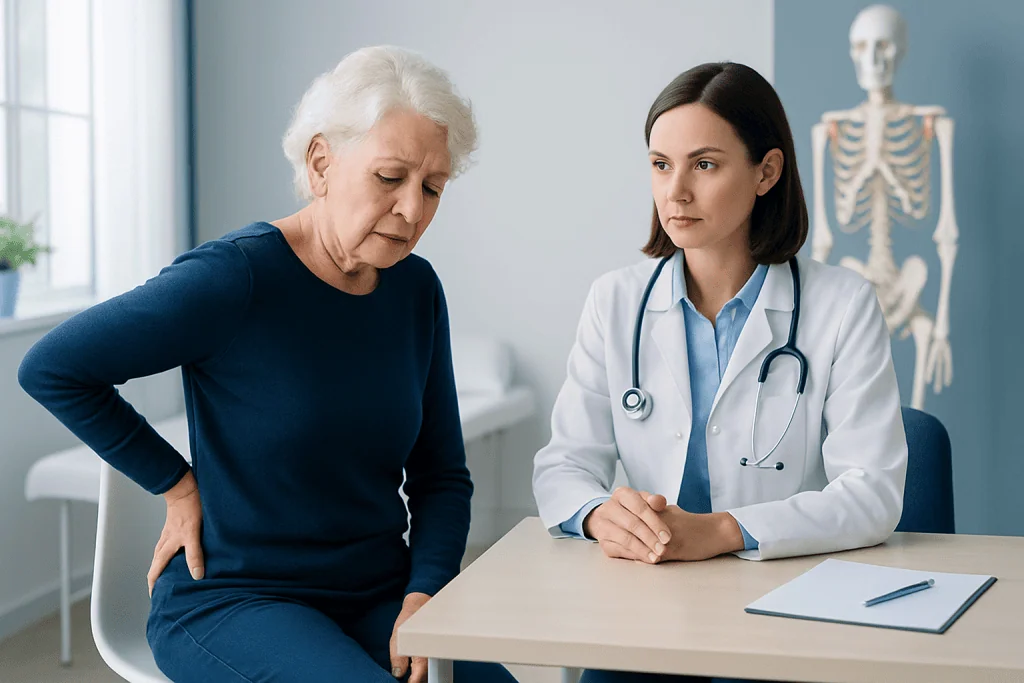
Symptoms alone cannot confirm a diagnosis, but they often give useful clues. Osteomalacia commonly causes a dull, persistent bone pain that may be felt in the lower back, hips, ribs, pelvis, or legs. Some people also notice muscle weakness, especially in the thighs and hips, making it harder to climb stairs, rise from a chair, or walk steadily.
Osteoporosis is often called a “silent” condition because many people do not feel anything until a fracture develops. A broken wrist after a minor fall, sudden back pain from a spinal compression fracture, or a decrease in height over time may be the first clear signs. In older adults, a rounded upper back can also suggest previous spinal fractures.
Doctors also consider age, sex, diet, medications, and medical history. Osteoporosis is especially common after menopause and in older adults. Osteomalacia can occur at any age in adults if vitamin D levels are low, sunlight exposure is limited, intestinal absorption is poor, or kidney and liver function affect vitamin D metabolism.
It is important not to self-diagnose based on one symptom. Bone pain does not always mean osteomalacia, and a fracture does not always mean osteoporosis. Arthritis, injury, nerve-related pain, and other bone conditions can overlap, so a medical evaluation is the safest way to find the cause.
Causes and risk factors
The most common cause of osteomalacia is a problem with vitamin D, which is needed for the body to absorb calcium and mineralize bone. Low vitamin D may result from limited sun exposure, poor dietary intake, malabsorption conditions affecting the stomach or intestines, or certain liver and kidney disorders. Some medications can also interfere with vitamin D metabolism.
Osteomalacia may also develop when phosphate levels are too low. This can happen because of kidney-related phosphate loss, rare inherited disorders, or other metabolic problems. In these cases, treating the underlying cause is just as important as correcting the deficiency itself.
Osteoporosis usually results from a combination of aging and factors that increase bone loss or reduce bone formation. Common risks include menopause, family history, low body weight, smoking, excessive alcohol use, long-term corticosteroid treatment, low calcium intake, and inactivity. Some hormone disorders and chronic illnesses also raise risk.
Although the causes differ, both conditions can be influenced by nutrition, activity level, and chronic disease. That is why a clinician may look beyond the bones themselves and consider endocrine, digestive, kidney, or mobility-related issues when building a diagnosis and treatment plan.
How a clinician tells them apart
The most important difference in diagnosis is that osteomalacia often shows up in blood tests, while osteoporosis is most clearly identified with bone density testing. In suspected osteomalacia, a doctor may order tests for vitamin D, calcium, phosphate, alkaline phosphatase, kidney function, and sometimes parathyroid hormone. A pattern such as low vitamin D with abnormal calcium or phosphate handling can strongly support the diagnosis.
For osteoporosis, the standard test is a DEXA scan, which measures bone mineral density. This helps estimate fracture risk and can confirm low bone mass. Blood tests may still be ordered in osteoporosis workups, but often to rule out secondary causes rather than to diagnose osteoporosis directly.
X-rays can also help. In osteomalacia, imaging may sometimes show signs of poor mineralization or small stress-related cracks called pseudofractures. In osteoporosis, X-rays may reveal fractures, especially in the spine, but they are less sensitive than DEXA for early bone loss. If pain is focal or severe, additional imaging may be used to look for a hidden fracture.
Doctors also interpret test results in context. A person with diffuse bone pain, muscle weakness, low vitamin D, and elevated alkaline phosphatase may fit osteomalacia more than osteoporosis. A person with no pain but low DEXA results and a low-trauma fracture is more likely to have osteoporosis. In specialist settings, evaluation may include bone density scanning and coordinated review by endocrinology, orthopedics, or internal medicine teams.
What to do for each condition
Treatment for osteomalacia focuses on correcting the reason bone is not mineralizing normally. Depending on the cause, this may involve vitamin D replacement, calcium support, treatment of low phosphate, and management of an underlying digestive, liver, or kidney condition. Many people improve when the deficiency is identified and addressed appropriately, but treatment should be supervised by a clinician because the cause is not always simple.
Treatment for osteoporosis is aimed at preventing fractures and maintaining bone strength. This usually includes weight-bearing exercise when safe, fall prevention, adequate calcium and vitamin D intake, smoking cessation, limiting alcohol, and medicines for bone protection when a doctor judges fracture risk to be high enough. The exact plan depends on age, fracture history, bone density results, and other health conditions.
If a fracture has already occurred, care may include pain management, rehabilitation, and targeted orthopedic treatment. Some people need broader assessment for related spinal or joint problems, especially if back pain or mobility changes are significant. Depending on symptoms, clinicians may also investigate disorders that can mimic or accompany bone disease, such as spinal fracture or chronic endocrine conditions.
In complex cases, treatment may involve more than one specialty. Acibadem International’s multidisciplinary specialists in JCI-accredited hospitals diagnose and treat bone disorders for international patients, including evaluation pathways that may involve endocrinology assessment or orthopedic care when needed.
Prevention and self-care for long-term bone health
Not every case can be prevented, but several habits support bone health in general. A balanced diet with adequate calcium, enough vitamin D, regular safe physical activity, and attention to chronic disease management all help maintain stronger bones. For people at risk of deficiency, a doctor may advise blood testing and tailored supplementation rather than guessing.
Exercise plays different roles in the two conditions. Weight-bearing and resistance activity can help maintain bone density and improve balance, which is important for osteoporosis prevention. In osteomalacia, exercise may still be useful, but intense activity should be discussed with a clinician if bone pain, weakness, or suspected stress injury is present.
Self-care also includes reviewing medicines and lifestyle factors. Long-term steroid use, smoking, heavy alcohol intake, and poor nutrition can all affect bone strength. For older adults, reducing fall hazards at home, checking vision, and using supportive footwear may lower fracture risk.
People should avoid starting high-dose supplements on their own for prolonged periods, especially if they have kidney disease or other medical conditions. Too much supplementation can also cause problems, so it is safest to follow a clinician’s advice based on actual test results.
When to seek medical care
Medical advice is important if a person has ongoing bone pain, new muscle weakness, frequent falls, a loss of height, or a fracture after a minor injury. These symptoms do not always mean osteomalacia or osteoporosis, but they do deserve proper evaluation. Early assessment can help identify treatable deficiencies and lower the risk of future fractures.
More urgent care is needed for sudden severe back pain, inability to bear weight, suspected hip or wrist fracture, or any fall followed by significant pain and swelling. These situations may require prompt imaging and treatment. If walking becomes difficult or pain is rapidly worsening, a clinician should assess it without delay.
People with known risk factors should also ask whether screening is appropriate, even if they feel well. This includes postmenopausal women, older adults, people on long-term steroids, and those with malabsorption, kidney disease, or previous low-trauma fractures. A qualified doctor can decide whether bone density testing, blood work, or specialist review is the right next step.
Frequently asked questions
Is osteomalacia the same as osteoporosis?
No. Osteomalacia means bone is not mineralized properly and becomes soft, while osteoporosis means bone mass and structure are reduced, making bone fragile. They can both raise fracture risk, but they are different disorders with different causes and treatments.
Which causes more pain: osteomalacia or osteoporosis?
Osteomalacia is more likely to cause diffuse bone pain and muscle weakness. Osteoporosis often causes no symptoms until a fracture occurs, although spinal fractures can cause significant back pain.
Can a DEXA scan tell the difference between osteomalacia and osteoporosis?
A DEXA scan is very useful for measuring bone density and diagnosing osteoporosis, but it does not always explain why bones are weak. Doctors usually need blood tests and clinical history as well, especially if osteomalacia is suspected.
What blood tests suggest osteomalacia?
Doctors often check vitamin D, calcium, phosphate, alkaline phosphatase, kidney function, and sometimes parathyroid hormone. Abnormal results in these tests can point toward poor bone mineralization and help identify the cause.
Can someone have osteomalacia and osteoporosis at the same time?
Yes, it is possible. A person may have low bone density and also have a vitamin D or mineralization problem, especially if risk factors overlap. That is why a full medical assessment is important instead of relying on one symptom or one test.
Does vitamin D treat both osteomalacia and osteoporosis?
Vitamin D is often an important part of care for both conditions, but it is not the whole treatment for osteoporosis. In osteomalacia, correcting vitamin D or related mineral problems may be central to treatment, while osteoporosis may also require exercise, fall prevention, and bone-specific medicines.
References
- National Institute of Arthritis and Musculoskeletal and Skin Diseases
- National Institutes of Health Office of Dietary Supplements
- International Osteoporosis Foundation
- American Academy of Orthopaedic Surgeons
- Endocrine Society
This article is for general information only and is not a substitute for professional medical advice. Please consult a qualified doctor about your individual situation.
Explore treatments in Turkey — costs, top hospitals & a free quote
JCI-accredited · board-certified surgeons · reply within 24h
Add us as a Preferred Source to see more of our trusted health content across Google Search, AI Overviews and Discover.