Does High Blood Pressure Make You Tired? A Doctor-Reviewed Answer

High blood pressure often has no clear symptoms, so tiredness alone does not usually mean blood pressure is high. Fatigue in someone with hypertension may be related to sleep apnea, stress, heart strain, kidney disease, or medication side effects.
Key Takeaways
- High blood pressure often has no clear symptoms, so tiredness alone does not usually mean blood pressure is high.
- Fatigue in someone with hypertension may be related to sleep apnea, stress, heart strain, kidney disease, or medication side effects.
- Doctors usually confirm high blood pressure with repeated measurements and look for other causes of tiredness with a history, exam, and selected tests.
- Urgent symptoms such as chest pain, severe shortness of breath, fainting, or neurologic changes need prompt medical attention.
- Healthy sleep, regular activity, a balanced diet, and taking medicines as prescribed can help improve both blood pressure control and energy levels.
Yes, people with high blood pressure can feel tired, but high blood pressure itself is not usually the direct cause of fatigue. In many cases, tiredness is linked to poor sleep, stress, medicines, or another medical problem that may occur alongside hypertension.
Overview: can high blood pressure cause tiredness?
Does high blood pressure make you tired? Sometimes, yes—but usually not in a direct or specific way. Most people with high blood pressure, also called hypertension, do not feel any symptoms at all, which is why it is often discovered during a routine checkup rather than because a person feels unwell.
When tiredness does happen, it is often due to something related to hypertension rather than the elevated blood pressure itself. Common examples include poor sleep, ongoing stress, side effects of blood pressure medicines, or another health condition such as kidney disease, anemia, thyroid problems, or sleep apnea.
This distinction matters because fatigue is very common and has many possible causes. A person who feels tired should not assume blood pressure is the only explanation, but it is still sensible to have blood pressure checked and discuss the symptom with a qualified doctor, especially if the tiredness is new, persistent, or worsening.
Why tiredness happens in people with hypertension
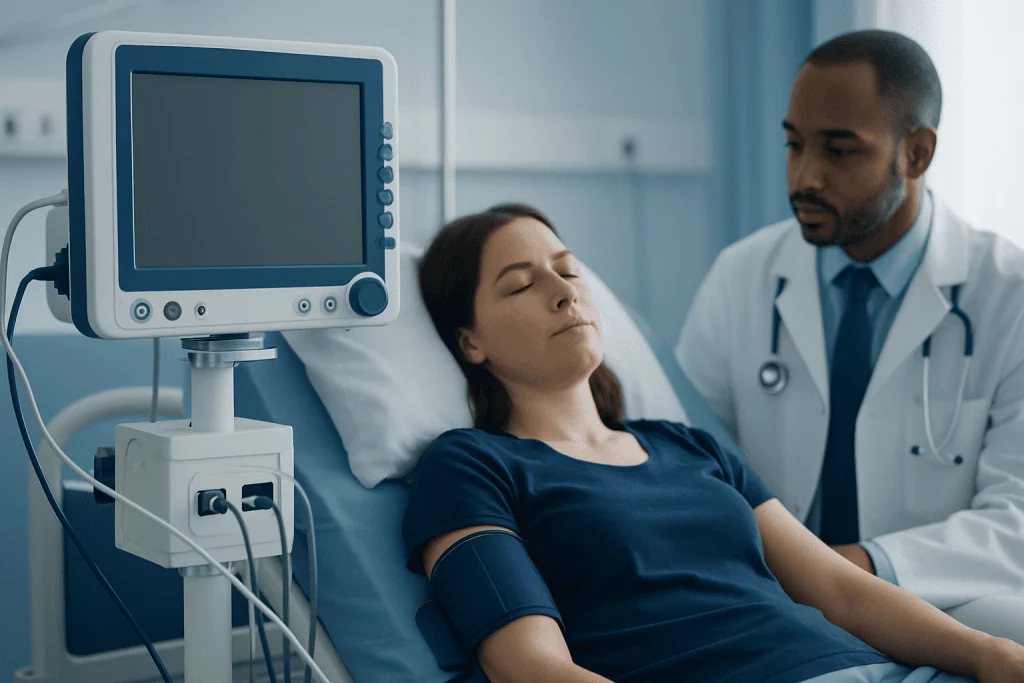
High blood pressure can exist alongside several conditions that affect energy. For example, obstructive sleep apnea is common in people with hypertension. Repeated pauses in breathing during sleep can lead to unrefreshing sleep, morning headaches, daytime fatigue, and blood pressure that is difficult to control.
Another reason is treatment-related fatigue. Some blood pressure medicines may make a person feel more tired, lightheaded, or less energetic, particularly when treatment is first started or adjusted. This does not mean the medicine is wrong for everyone, but side effects should be discussed with the prescribing doctor rather than stopping treatment without advice.
Fatigue can also reflect the broader effects of chronic stress, anxiety, poor sleep habits, or deconditioning. In some cases, long-standing hypertension may contribute to heart or kidney strain, and those complications can reduce stamina and cause a person to feel more easily exhausted.
Sometimes the real cause is separate from blood pressure entirely. Conditions such as depression, viral illness, low iron, diabetes, thyroid disorders, and dehydration can all cause tiredness. Because the list is broad, medical evaluation is often the best way to understand what is driving the symptom.
Symptoms that may occur alongside fatigue

Fatigue on its own is nonspecific, meaning it can happen for many reasons. When a person also has high blood pressure, doctors pay attention to any associated symptoms that may point toward a related condition. These may include poor sleep, loud snoring, waking up unrefreshed, headaches, reduced exercise tolerance, leg swelling, or needing to urinate frequently at night.
Some people with hypertension describe a general sense of low energy, poor concentration, or feeling “off” rather than true sleepiness. Others may notice dizziness, especially if blood pressure drops too low after medication changes, dehydration, or standing up quickly. These clues can help guide the next steps.
Symptoms that deserve more urgent attention include:
- Chest pain or pressure
- Severe shortness of breath
- Fainting
- Sudden weakness, numbness, or trouble speaking
- Severe headache with confusion or vision changes
- Palpitations with dizziness or collapse
These symptoms do not necessarily mean high blood pressure is the cause, but they can signal a medical emergency. Prompt assessment is important.
Common causes and risk factors doctors consider
When someone asks whether high blood pressure is making them tired, doctors usually think more broadly: what common issues connect fatigue and hypertension? Sleep apnea is high on the list, especially in people who snore, have obesity, wake with headaches, or feel sleepy during the day. Excess alcohol use, poor sleep quality, and chronic stress can also raise blood pressure and lower energy.
Medication effects are another important consideration. Different classes of blood pressure medicines work in different ways, and some people are more sensitive to side effects than others. A clinician may review whether symptoms began after starting or increasing treatment and whether blood pressure is now lower than the body is used to.
Doctors also consider medical conditions that often overlap with hypertension, including heart disease, kidney disease, diabetes, obesity, and thyroid disorders. If there are signs of possible cardiovascular disease, a doctor may assess for heart disease or other causes of reduced stamina. If symptoms suggest long-term elevated pressure is affecting circulation or organs, evaluation for hypertension-related complications may be helpful.
Lifestyle factors matter as well. Limited physical activity, a highly processed diet, smoking, dehydration, and shift work can all contribute to both poor blood pressure control and persistent fatigue. In many people, several of these factors are present at the same time.
How doctors evaluate fatigue when blood pressure is high
The first step is to confirm the blood pressure pattern. One high reading does not always mean a person has chronic hypertension. Doctors often repeat measurements, ask for home blood pressure readings, or recommend ambulatory monitoring to understand whether pressure is truly elevated throughout the day and night.
Next comes a focused history and physical examination. The doctor may ask when the tiredness began, whether sleep feels refreshing, whether the patient snores, what medicines or supplements are being taken, and whether there are symptoms such as shortness of breath, swelling, chest discomfort, mood changes, or weight changes. These details often reveal whether fatigue is more likely to be linked to sleep, medication, stress, or another illness.
Basic tests may include blood work to look for anemia, thyroid disease, diabetes, electrolyte problems, or kidney dysfunction, as well as urine testing and an electrocardiogram when appropriate. Depending on symptoms, some people may need evaluation with a sleep study or further heart testing such as an echocardiogram. If there is concern about blood vessel health or circulation, a doctor may consider specialist evaluation in cardiology care.
This stepwise approach is reassuring because it helps separate harmless, reversible causes from problems that need treatment. In many cases, the explanation is found without complicated testing.
Treatment and self-care: improving blood pressure and energy
Treatment depends on the cause of the tiredness. If medication side effects are suspected, a doctor may adjust the dose, timing, or type of medicine. People should not stop blood pressure treatment on their own, because uncontrolled hypertension can silently damage the heart, brain, kidneys, and blood vessels over time.
If poor sleep or sleep apnea is part of the picture, addressing sleep quality can make a meaningful difference. A structured sleep assessment and, when needed, sleep disorders evaluation may help explain daytime fatigue and support better blood pressure control. Where excess weight contributes to both sleep apnea and hypertension, guided weight management treatment may be discussed in selected patients as part of a broader care plan.
Healthy habits often help both symptoms at once. Useful steps include regular physical activity, limiting excess salt, choosing a balanced eating pattern rich in vegetables and whole foods, moderating alcohol, avoiding smoking, staying well hydrated, and keeping a consistent sleep schedule. Reducing stress through relaxation techniques, counseling, or mindfulness may also improve overall well-being.
If another medical condition is found—such as kidney disease, thyroid disease, anemia, or heart problems—treatment will be tailored accordingly. Near the end of the care pathway, some patients also benefit from multidisciplinary follow-up; Acibadem International’s specialists in JCI-accredited hospitals diagnose and treat hypertension and related conditions for international patients.
When to seek medical care
Many cases of tiredness are not urgent, especially if they follow poor sleep, stress, a recent schedule change, or a new medication. Still, a routine medical appointment is wise if fatigue lasts more than a couple of weeks, interferes with daily life, or occurs together with high home blood pressure readings.
A person should also arrange medical review if they have snoring, pauses in breathing during sleep, morning headaches, swelling in the legs, declining exercise tolerance, or concerns that treatment is causing side effects. These details can help a doctor identify a treatable reason for fatigue rather than attributing it to blood pressure alone.
Urgent care is needed for severe symptoms such as chest pain, marked shortness of breath, fainting, confusion, sudden vision loss, severe weakness, or trouble speaking. These symptoms may signal a serious heart, brain, or blood pressure emergency and should not be ignored.
Frequently asked questions
Is tiredness a common symptom of high blood pressure?
Not usually. High blood pressure often causes no noticeable symptoms, so fatigue alone is not a reliable sign of hypertension. When tiredness occurs, doctors often look for related factors such as poor sleep, stress, medication effects, or another health condition.
Can blood pressure medication make someone feel tired?
Yes, some blood pressure medicines can contribute to fatigue, dizziness, or reduced energy in some people. This is more likely when treatment is first started or adjusted, but symptoms should be reviewed with a doctor rather than managed by stopping medication without advice.
What is the difference between feeling tired from high blood pressure and feeling tired from low blood pressure?
Low blood pressure is more likely to cause lightheadedness, faintness, or weakness, especially when standing up. High blood pressure usually does not create a distinct sensation, so fatigue in a person with hypertension often has another explanation.
Could sleep apnea be the reason for both high blood pressure and fatigue?
Yes. Sleep apnea is a common cause of daytime tiredness and is strongly linked with high blood pressure, especially when sleep is fragmented night after night. Snoring, witnessed pauses in breathing, and waking unrefreshed are important clues to discuss with a doctor.
Should someone check their blood pressure if they feel exhausted?
Checking blood pressure can be helpful, especially if there are risk factors for hypertension or previous elevated readings. However, exhaustion has many causes, so a normal or high reading does not by itself explain why a person feels tired.
When is fatigue with high blood pressure an emergency?
Fatigue becomes more concerning if it is accompanied by chest pain, severe shortness of breath, fainting, confusion, sudden weakness, trouble speaking, or major vision changes. Those symptoms need urgent medical attention because they can signal a heart, stroke, or blood pressure emergency.
References
- American Heart Association
- Centers for Disease Control and Prevention
- National Heart, Lung, and Blood Institute
- Mayo Clinic
- World Health Organization
This article is for general information only and is not a substitute for professional medical advice. Please consult a qualified doctor about your individual situation.
Heart care in Turkey — expert evaluation and treatment
JCI-accredited · board-certified surgeons · reply within 24h
Add us as a Preferred Source to see more of our trusted health content across Google Search, AI Overviews and Discover.
Check your numbers in seconds
BMI, calories, due date, blood pressure and 30+ more clinical calculators — free, instant, doctor-reviewed ranges.