Chordee — Explained by Medical Evidence, Not Myths

Chordee is a curvature of the penis that is often present at birth and may occur with or without hypospadias. Mild chordee may not cause problems, but more significant curvature can affect urination, erections, or sexual function later in life.
Key Takeaways
- Chordee is a curvature of the penis that is often present at birth and may occur with or without hypospadias.
- Mild chordee may not cause problems, but more significant curvature can affect urination, erections, or sexual function later in life.
- Diagnosis is usually based on medical history and physical examination, often by a pediatric urologist or urologist.
- Treatment depends on the degree of curvature, associated conditions, symptoms, and age of the patient.
- Parents should not rely on myths or internet images alone; an expert exam is the best way to confirm what is normal variation and what needs care.
- Prompt medical advice is important if there are urinary problems, marked curvature, pain, or concerns about associated genital differences.
Chordee is a condition in which the penis curves, most often downward, and it is usually present from birth. Some cases are mild and need only monitoring, while others benefit from specialist assessment if the curve affects urination, comfort, or later sexual function.
What chordee is
Chordee is a condition in which the penis curves abnormally, usually downward, though sideward or upward curvature can also occur. It is most commonly noticed in infancy or childhood, especially during diaper changes, erections, or a doctor’s examination. In many children, chordee is congenital, meaning it has been present since birth.
Chordee may happen on its own or together with other conditions, especially hypospadias, where the urinary opening is not at the tip of the penis. The curve can result from differences in the skin, connective tissue, erectile tissue, or the urethra. Because several structures may be involved, a specialist evaluation is often helpful to understand the exact cause.
A common myth is that any slight bend is automatically abnormal or that all curvature requires surgery. In reality, a small natural curve can be within normal variation. The main medical question is whether the curvature is significant enough to affect urination, erections, comfort, or future sexual function.
Symptoms and how chordee may appear
The most visible sign of chordee is penile curvature. In babies and young children, this may be seen during spontaneous erections or when a doctor gently examines the penis. In adolescents or adults who were not evaluated earlier, the concern may first become noticeable during erections, sexual activity, or because of cosmetic worry.
Symptoms vary. Some people have no symptoms beyond a visible curve, while others may have practical difficulties. These can include a urinary stream that points downward or sprays, trouble directing urine, discomfort with erections, or concern that intercourse may be difficult later in life.
- Downward, sideward, or upward penile curvature
- Curvature noticed during erection more than when flaccid
- Urinary spraying or difficulty aiming urine
- Associated abnormal position of the urinary opening
- Concern about appearance or future sexual function
When chordee occurs with hypospadias, additional signs may include a hooded foreskin or a urinary opening located on the underside of the penis. These features can help doctors plan the most appropriate treatment and timing of care.
Causes, related conditions, and risk factors

Most chordee identified in children is congenital. This means the curvature developed during fetal growth rather than being caused by anything a parent did or did not do. The bend may result from tight skin, fibrous tissue pulling the penis downward, differences in the erectile bodies, or a shortened urethra.
Chordee is closely linked with hypospadias, but it can also occur without it. When both are present, the tissues on the underside of the penis may not have developed in the usual way. In some cases, the foreskin may also look incomplete or gathered more on the top side.
In older adolescents and adults, penile curvature can also be acquired rather than congenital. This is a different situation and may relate to scar tissue formation such as Peyronie’s disease. Although people sometimes confuse these conditions, congenital chordee and acquired curvature have different causes, patterns, and treatment considerations.
There is often no clear preventable risk factor for congenital chordee. Family history of genital development differences may sometimes be relevant, but many cases occur without a known inherited pattern. What matters most is accurate diagnosis rather than self-blame or assumptions based on myths.
How doctors diagnose chordee
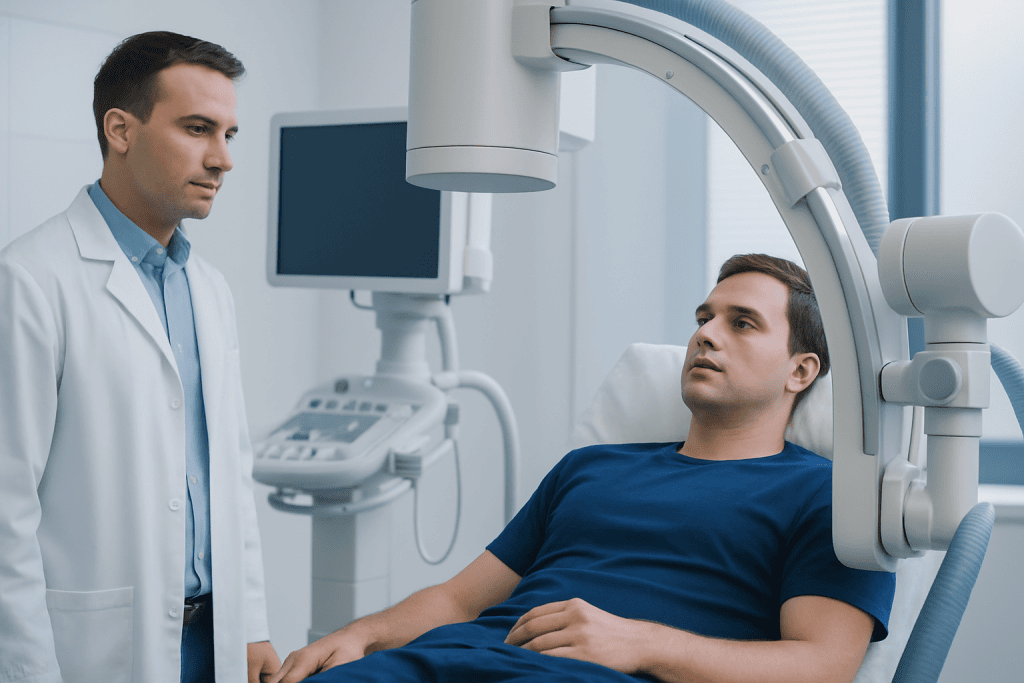
Diagnosis usually begins with a medical history and physical examination. In infants and children, the doctor will look at the position of the urinary opening, the foreskin, the shaft, and any visible asymmetry. Parents may be asked when they first noticed the curve and whether urination appears normal.
The degree of curvature is important. Sometimes the curve is easy to see during an erection, while in clinical settings the doctor may assess it with gentle examination techniques. In patients being evaluated for surgery, the true extent of the curvature may be confirmed during the procedure itself so that correction can be tailored accurately.
Imaging is not always needed. Many cases can be diagnosed clinically by a pediatric urologist or urologist. If there are concerns about additional urinary tract or genital differences, the specialist may recommend further tests, but this is not routine for every patient.
It is also important not to circumcise a baby if hypospadias or chordee is suspected until a specialist has assessed the penis. Foreskin tissue may be useful during reconstruction in some children, and an early surgical decision can affect options later.
Treatment options and when treatment is considered
Treatment depends on the severity of the curve, whether hypospadias is also present, symptoms, age, and the likelihood of future functional problems. Mild chordee with no urinary or functional concerns may only need observation. In these cases, the doctor may recommend follow-up as the child grows.
When the curvature is more pronounced, surgical correction may be advised. The goal is to straighten the penis as much as possible and address any associated urethral or foreskin abnormalities. If hypospadias is present, correction is often planned as part of hypospadias repair. Some patients may also need reconstructive pediatric urology surgery tailored to the structures causing the bend.
Surgical techniques vary. Depending on the anatomy, the surgeon may release tethering tissue, correct uneven shaft structures, or reconstruct the urethra if needed. The exact method is individualized, which is one reason specialist assessment is so important. Families are usually counselled about expected healing, the possibility of follow-up visits, and the need to monitor urinary function and penile straightness as the child grows.
For older teenagers or adults with untreated congenital curvature, treatment can still be discussed if the condition causes functional difficulty or distress. In select cases, reconstructive urology surgery may help improve straightness and function. A careful review with a urologist helps clarify realistic goals and whether intervention is necessary.
Prevention, self-care, and what families should know
Congenital chordee cannot usually be prevented because it arises during development before birth. There is no evidence that ordinary diapering, bathing, toilet training, or parenting practices cause it. For families, the most helpful step is early professional evaluation rather than relying on social media advice or delaying care out of embarrassment.
If a parent notices a significant curve, an unusual urinary opening, a hooded foreskin, or problems with urine direction, it is sensible to arrange a pediatric review. Parents should avoid comparing the child’s anatomy with online photos, as these may be inaccurate or taken out of context. A doctor can explain whether the appearance represents normal variation or a condition that needs treatment.
For adolescents and adults, self-care mainly means seeking assessment if curvature causes pain, difficulty with sex, emotional distress, or concern about urination. It is also wise to avoid self-diagnosing acquired curvature, because congenital chordee and conditions like Peyronie’s disease can look similar at first glance but are managed differently.
Near the end of the care journey, some families also value coordinated specialist support. Acibadem International’s multidisciplinary specialists and JCI-accredited hospitals evaluate and treat urologic conditions, including chordee, for international patients when expert assessment is needed.
When to seek medical care
Medical advice should be sought if a baby or child has obvious penile curvature, especially if the urinary opening is not at the tip or the urine stream appears difficult to direct. Early evaluation helps clarify whether the child has isolated chordee, hypospadias, or another genital difference. It also helps families plan safe timing of circumcision and any needed treatment.
Older children, teenagers, and adults should also see a doctor if the curve is causing pain, problems with erections, distress, or difficulty with sexual activity. A new curvature that develops later in life should always be assessed, because it may be due to a different condition rather than congenital chordee.
- Seek care for marked curvature or visible genital asymmetry
- Arrange prompt assessment if urination is abnormal or spraying
- Ask for specialist advice before circumcision if chordee or hypospadias is suspected
- See a doctor if a new curve appears in adolescence or adulthood
Although chordee is often treatable, the best next step depends on the individual anatomy. A qualified urologist or pediatric urologist can explain whether monitoring or treatment is most appropriate.
Frequently asked questions
Is chordee the same as hypospadias?
No. Chordee means penile curvature, while hypospadias means the urinary opening is not in its usual position at the tip of the penis. The two conditions often occur together, but a person can have chordee without hypospadias.
Can a mild penile curve be normal?
Yes, a slight curve can be a normal anatomical variation. Doctors become more concerned when the curvature is significant or causes problems with urination, erections, comfort, or future sexual function. A medical examination is the best way to tell the difference.
Does chordee always need surgery?
No. Mild cases may only need observation, especially if there are no symptoms or functional concerns. Surgery is usually considered when the curve is more pronounced or when there are associated issues such as hypospadias or urinary difficulties.
At what age is chordee usually treated?
If treatment is needed in a child, doctors often plan it in early childhood, depending on the exact anatomy and whether hypospadias is also present. Timing is individualized and should be discussed with a pediatric urologist. The aim is to treat the condition at an age that supports safe healing and normal development.
Should a baby with possible chordee be circumcised?
Not before specialist assessment if chordee or hypospadias is suspected. In some cases, foreskin tissue may be helpful during reconstructive surgery. A pediatric urologist can advise on the safest plan.
Can chordee affect fertility?
Chordee itself does not automatically cause infertility. However, more significant curvature may interfere with sexual function in some adults if left untreated. This is one reason doctors assess whether the degree of curvature is likely to matter later in life.
References
- American Urological Association
- European Association of Urology
- National Institute of Diabetes and Digestive and Kidney Diseases
- American Academy of Pediatrics
This article is for general information only and is not a substitute for professional medical advice. Please consult a qualified doctor about your individual situation.
Explore treatments in Turkey — costs, top hospitals & a free quote
JCI-accredited · board-certified surgeons · reply within 24h
Add us as a Preferred Source to see more of our trusted health content across Google Search, AI Overviews and Discover.