Pseudoseizure: A Complete Medical Overview
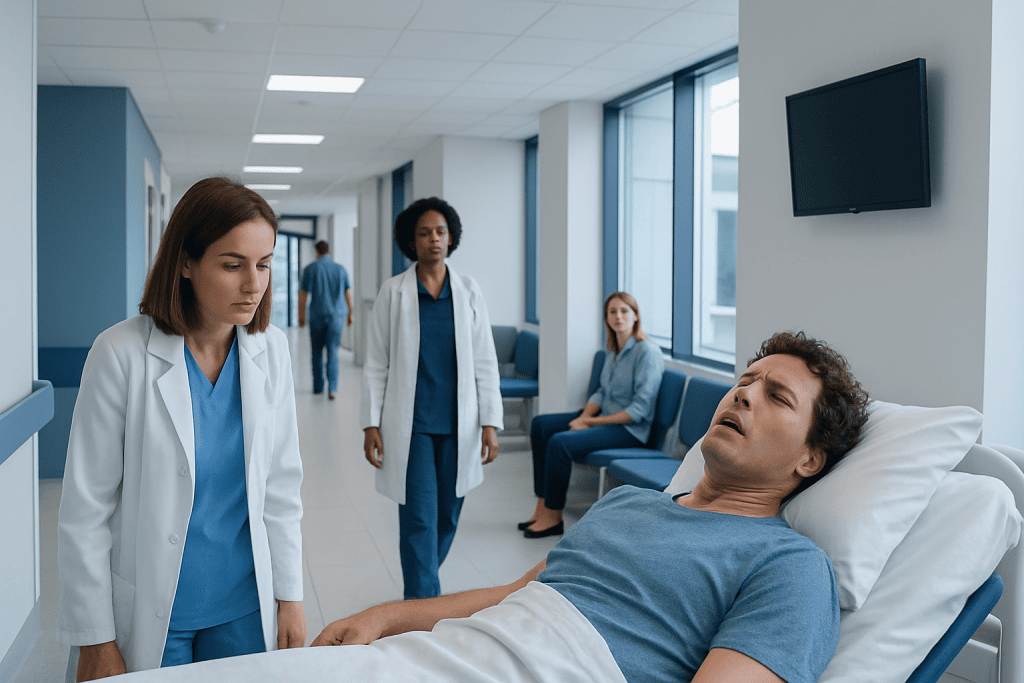
Pseudoseizure usually refers to psychogenic nonepileptic seizures, also called PNES. These episodes are real and involuntary, not faked or done on purpose.
Key Takeaways
- Pseudoseizure usually refers to psychogenic nonepileptic seizures, also called PNES.
- These episodes are real and involuntary, not faked or done on purpose.
- Diagnosis often requires a detailed history and video-EEG monitoring to tell PNES apart from epilepsy.
- Treatment focuses on the underlying psychological, neurological, or medical factors rather than anti-seizure medicine alone.
- Emergency care is important for first-time seizures, injury, breathing problems, or prolonged unresponsiveness.
Pseudoseizure is a common term for episodes that look like epileptic seizures but are not caused by abnormal electrical discharges in the brain. These events are real, can be distressing, and usually need careful medical evaluation to distinguish them from epilepsy and guide the right treatment.
Overview: what pseudoseizure means
Pseudoseizure is an older term commonly used to describe seizure-like episodes that are not caused by the abnormal electrical activity seen in epilepsy. Today, many clinicians prefer the term psychogenic nonepileptic seizures (PNES) because it is more specific and less misleading. These events can involve shaking, collapse, staring, unresponsiveness, or unusual movements, and they may closely resemble epileptic seizures.
Although the name can sound dismissive, the episodes are real. A person is not inventing the symptoms, and they are not acting by choice. PNES is generally understood as a functional neurological condition in which the brain and body express distress in a physical way, often linked to stress, trauma, anxiety, depression, or other psychological factors, though not every patient has an obvious trigger.
Because seizure-like symptoms can have several causes, proper diagnosis matters. Some people with pseudoseizure have PNES alone, while others may also have epilepsy or another neurological condition. This is one reason specialist assessment is important, especially when episodes are recurrent, unexplained, or not responding to standard seizure treatment.
How pseudoseizure may look and feel
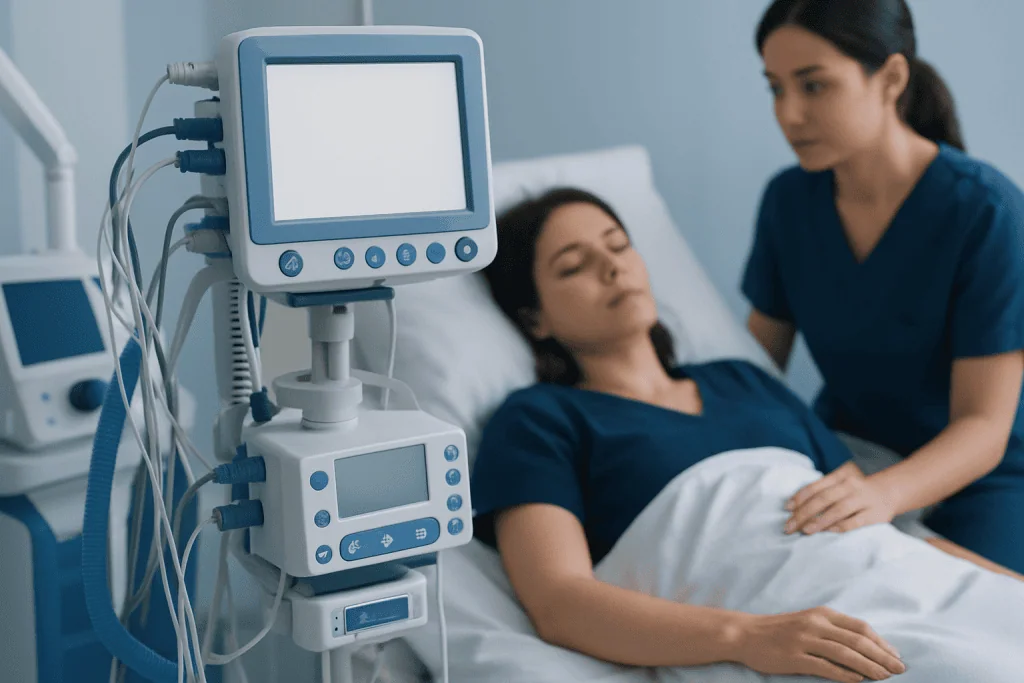
Pseudoseizure symptoms vary from person to person. Episodes may involve full-body shaking, limb movements, pelvic thrusting, head movements, eyes closed tightly, crying, or periods of apparent unresponsiveness. Some people experience sudden weakness, collapse, trembling, staring, or a sense of being disconnected from their surroundings.
Before an episode, a person may notice warning signs such as rising anxiety, chest tightness, dizziness, tingling, or emotional overwhelm. Afterward, they may feel exhausted, confused, embarrassed, tearful, or physically sore. In some cases, the recovery period is shorter or differs from what is typically seen after an epileptic seizure, but this is not enough on its own to make a diagnosis.
Doctors look at the overall pattern rather than any single symptom. Features that sometimes raise suspicion for PNES include long episodes with waxing and waning movements, side-to-side head shaking, tightly shut eyes, or episodes that occur in certain stressful settings. However, these signs are not absolute, and a seizure should never be judged only by appearance.
- Shaking or jerking movements
- Staring or reduced responsiveness
- Sudden falls or collapse
- Crying, vocalization, or emotional distress during an episode
- Fatigue, headache, or confusion after the event
Causes and risk factors

The most common medical framework for pseudoseizure is PNES, which is considered a functional neurological disorder. This means the nervous system is not working normally, even though standard structural tests may be normal. The episodes are involuntary and often reflect how the brain responds to stress, emotional conflict, or overwhelming internal states.
Risk factors can include a history of trauma, anxiety disorders, depression, panic symptoms, post-traumatic stress, chronic pain, sleep problems, or significant life stress. Some people develop PNES after illness, injury, a frightening health event, or a period of repeated medical symptoms. Others have no clear psychological history, so evaluation should remain open-minded and respectful.
It is also important to remember that not every nonepileptic event is psychogenic. Fainting, migraine, sleep disorders, movement disorders, metabolic problems, and heart rhythm disturbances can all mimic seizures. Some patients may also have both epilepsy and PNES, which makes diagnosis more complex and highlights the need for specialist neurological assessment, sometimes including epilepsy evaluation.
How doctors diagnose pseudoseizure
Diagnosis begins with a careful history. The doctor asks what happens before, during, and after the episode, whether there are triggers, how long events last, and whether anyone has recorded an event on video. Witness accounts can be very helpful, and smartphone recordings sometimes provide useful clues when reviewed in a clinical setting.
The most important test for many patients is video-EEG monitoring. This combines brain wave recording with video observation during an event. If a typical episode occurs without the electrical changes expected in epilepsy, this strongly supports a diagnosis of PNES. Doctors may also order blood tests, heart evaluation, brain imaging, or other studies when needed to rule out other causes.
Receiving a diagnosis can be emotionally complex. Some patients feel relieved to learn they do not have epilepsy, while others worry that the diagnosis means the symptoms are “not real.” A clear explanation is a key part of care. In many cases, people benefit from coordinated assessment by neurology, psychiatry, psychology, and where appropriate, neurology or psychiatry specialists.
Treatment options and recovery
Treatment for pseudoseizure depends on the confirmed cause. For PNES, the main treatment is not simply anti-seizure medication, unless the person also has epilepsy. Instead, care focuses on education, identifying triggers, reducing stress load, and treating associated mental health conditions such as anxiety, depression, trauma-related symptoms, or panic.
Psychological therapies are often central to recovery. Cognitive behavioral therapy may help some patients understand triggers, manage physical warning signs, and develop safer coping strategies. Trauma-focused therapy, counseling, relaxation training, and structured mental health support may also be recommended. The treatment plan should be individualized, practical, and collaborative rather than blaming.
General health measures can also make a meaningful difference. Better sleep, regular meals, limiting alcohol or recreational drugs, and learning how to respond early to rising stress may reduce episode frequency. If symptoms overlap with other functional neurological conditions, doctors may suggest rehabilitation approaches, and some patients may benefit from psychological support as part of a broader care plan.
Recovery is often gradual rather than immediate. Some people improve significantly once they understand the diagnosis and begin appropriate therapy, while others need longer-term support. What matters most is accurate diagnosis, a respectful explanation, and consistent follow-up with qualified professionals.
Self-care, support, and daily safety
Living with pseudoseizure can affect school, work, relationships, and confidence. A practical safety plan may help reduce fear. Family members and close contacts should know how to keep the person safe during an event by moving dangerous objects away, protecting the head if needed, and avoiding restraint unless specifically instructed by a clinician.
During episodes, people should not have anything forced into their mouth. If there is uncertainty about whether an event could be epileptic, first aid should follow standard seizure-safety principles. After the event, a calm environment and nonjudgmental reassurance may help recovery. Keeping a symptom diary can also be useful for spotting patterns related to stress, sleep, menstrual cycle, medication changes, or other triggers.
Long-term self-care often includes stress management skills, regular follow-up appointments, and attention to mental and physical health together. In complex cases, multidisciplinary care can be valuable. Near the end of the care pathway, some international patients seek assessment in centers where neurology and mental health teams work together; Acibadem International’s multidisciplinary specialists in JCI-accredited hospitals diagnose and treat seizure-like disorders for international patients.
When to seek medical care
Medical evaluation is important for any first seizure-like episode, especially if the cause is unknown. Prompt care is also needed if the person is pregnant, has diabetes, has recently had a head injury, or has known neurological disease. Even when episodes are suspected to be nonepileptic, a doctor should confirm the diagnosis rather than assuming it.
Emergency care should be sought if the person has trouble breathing, turns blue, has a serious injury, remains unresponsive for an unusually long time, or has repeated episodes without recovering in between. Sudden weakness on one side, chest pain, a new severe headache, fever, or confusion after an event also deserve urgent medical attention because they may point to another serious condition.
If episodes are recurring, interfering with daily life, or causing emotional distress, a planned appointment with a neurologist or mental health professional is appropriate. Ongoing follow-up helps clarify the diagnosis, review safety, and build a treatment plan that addresses both symptoms and underlying triggers.
Frequently asked questions
Is a pseudoseizure the same as epilepsy?
No. Pseudoseizure usually refers to episodes that resemble epileptic seizures but are not caused by abnormal electrical activity in the brain. However, some people can have both PNES and epilepsy, which is why formal testing is important.
Are pseudoseizures fake or intentional?
No. These episodes are real and involuntary. A person is not choosing to have them, and the symptoms should be taken seriously and evaluated with respect.
How is pseudoseizure diagnosed?
Diagnosis is based on the full clinical picture, including medical history, witness descriptions, and often video-EEG monitoring. Doctors may also do other tests to rule out epilepsy, fainting, heart problems, or metabolic causes.
Can pseudoseizure be treated successfully?
Many people improve with the right diagnosis and treatment plan. Treatment often includes education, therapy, stress management, and care for related conditions such as anxiety, depression, or trauma.
Should anti-seizure medicines be used for pseudoseizure?
Not usually, unless the person also has epilepsy or another reason to take them. If PNES is confirmed, treatment typically focuses on the underlying cause rather than anti-seizure medicines alone.
What should family members do during an episode?
They should keep the person safe, move harmful objects away, and stay calm. They should not restrain the person or put anything in the mouth, and they should call emergency services if there is breathing trouble, injury, or prolonged unresponsiveness.
References
- National Institute of Neurological Disorders and Stroke
- Epilepsy Foundation
- American Academy of Neurology
- National Health Service
- Cleveland Clinic
This article is for general information only and is not a substitute for professional medical advice. Please consult a qualified doctor about your individual situation.
Explore treatments in Turkey — costs, top hospitals & a free quote
JCI-accredited · board-certified surgeons · reply within 24h
Add us as a Preferred Source to see more of our trusted health content across Google Search, AI Overviews and Discover.