Dog Allergy — Explained by Medical Evidence, Not Myths

Dog allergy is an immune response to proteins in dander, saliva, and urine rather than to fur alone. Symptoms can affect the nose, eyes, skin, and lungs, and may resemble a cold or other allergies.
Key Takeaways
- Dog allergy is an immune response to proteins in dander, saliva, and urine rather than to fur alone.
- Symptoms can affect the nose, eyes, skin, and lungs, and may resemble a cold or other allergies.
- Diagnosis often combines a medical history with allergy testing such as skin prick or blood tests.
- Treatment may include exposure reduction, medicines, and in some cases allergy immunotherapy.
- People with asthma should take dog allergy symptoms seriously because exposure can worsen breathing problems.
Dog allergy is not usually caused by dog hair itself, but by proteins found in a dog’s skin flakes, saliva, and urine. Medical evaluation can help confirm the trigger and guide practical steps such as reducing exposure, using allergy medicines, and managing related asthma or skin symptoms.
What dog allergy really means
Dog allergy is an allergic reaction caused by the immune system responding to proteins from a dog’s skin cells, saliva, or urine. These proteins can attach to tiny particles in the air and on surfaces, which is why symptoms may occur even when no dog is in the room. In short, a person with dog allergy is reacting to biological material from the animal, not simply to visible fur.
This distinction matters because many common beliefs about pet allergy are incomplete or misleading. For example, so-called “hypoallergenic” dogs may still produce the same types of allergenic proteins, even if they shed less. Some people react strongly to one dog and less to another, but no breed can be considered completely non-allergenic.
Symptoms vary from mild nasal irritation to more troublesome breathing problems, especially in people who also have asthma. A clear diagnosis can help separate dog allergy from other conditions such as viral infections, non-allergic rhinitis, eczema, or asthma.
How dog allergy symptoms can appear
Dog allergy often causes symptoms in the nose and eyes. A person may sneeze, develop a runny or blocked nose, feel itching in the nose or throat, or notice red, watery, itchy eyes soon after contact with a dog or after entering a space where dog allergens are present.
Skin symptoms are also common. Touching a dog or surfaces with dog allergens may trigger itching, redness, hives, or worsening eczema in sensitive people. In some cases, the reaction is limited to the area of contact, while in others the symptoms spread more broadly.
For some people, dog allergy affects the lungs. Coughing, chest tightness, wheezing, or shortness of breath can happen, particularly in those with underlying asthma or highly sensitive airways. Young children may show irritability, rubbing of the nose, disturbed sleep, or frequent congestion rather than clearly describing classic allergy symptoms.
- Sneezing and nasal congestion
- Itchy, watery, or red eyes
- Skin rash, itching, or hives
- Cough, wheeze, or chest tightness
- Worsening of asthma symptoms after exposure
Why it happens and who is more likely to be affected

Allergies develop when the immune system treats a normally harmless substance as a threat. In dog allergy, exposure to dog proteins leads the body to produce an allergic response, often involving immunoglobulin E, or IgE. This immune reaction causes release of chemicals such as histamine, which then produce familiar allergy symptoms.
Family history plays an important role. People with parents or siblings who have allergies, asthma, or eczema are more likely to develop allergic conditions themselves. A person who already has hay fever, food allergy, or atopic dermatitis may also be more prone to pet allergies.
Environmental factors can influence symptoms too. Dog allergens are lightweight and sticky, so they collect on upholstered furniture, carpets, bedding, clothing, and car interiors. They can remain in indoor spaces for long periods. Exposure may therefore continue even after cleaning or after the dog is no longer present. This can make dog allergy harder to recognize without careful medical assessment.
How doctors diagnose dog allergy
Diagnosis begins with a detailed history. A doctor will ask when symptoms occur, whether they improve away from home, whether there is contact with dogs at work or school, and whether asthma, eczema, or seasonal allergies are also present. The timing of symptoms is often one of the strongest clues.
A physical examination may focus on the nose, eyes, skin, and lungs. Findings may suggest allergic rhinitis, conjunctivitis, eczema, or asthma, but these signs alone do not confirm the exact trigger. Testing is often helpful when the cause is uncertain or when symptoms are ongoing.
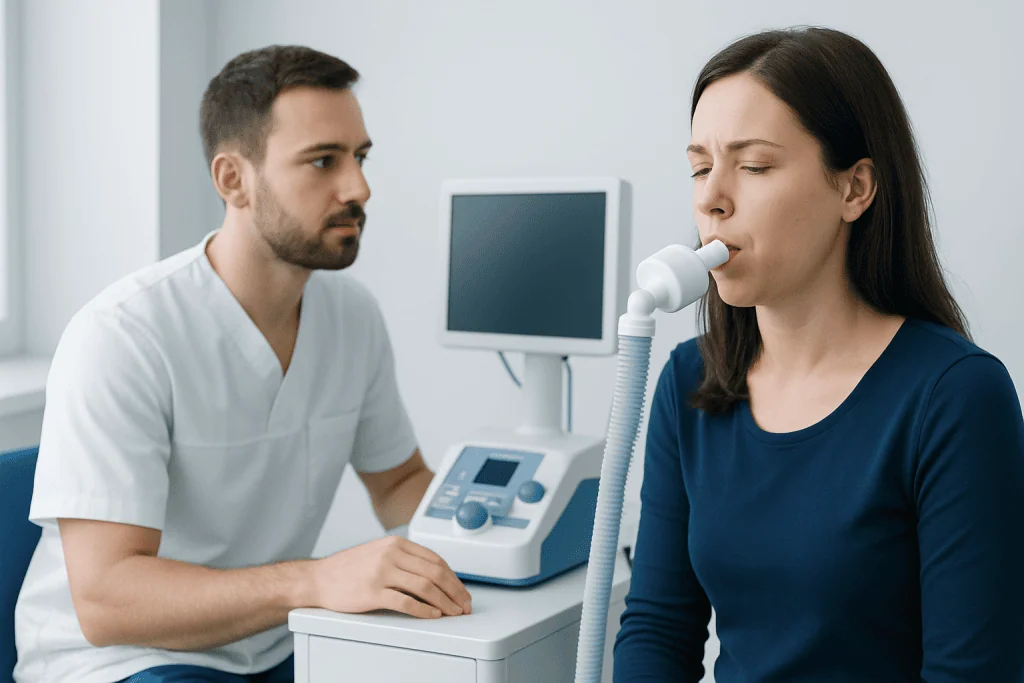
Common tests include a skin prick test or a blood test that measures specific IgE antibodies. These tests do not stand alone; results need to be interpreted together with the person’s history and symptoms because sensitization does not always mean clinical allergy. If breathing symptoms are present, doctors may also assess lung function and consider pulmonary function testing or further evaluation for allergy testing.
What helps: practical treatment options
Treatment depends on how severe the symptoms are and how often exposure occurs. The first step is usually reducing contact with dog allergens as much as realistically possible. For some people this means avoiding direct exposure, while for others it means using home measures that lower allergen levels and make symptoms easier to manage.
Medicines can help control symptoms. Doctors may recommend antihistamines, nasal corticosteroid sprays, eye drops, or other allergy medicines depending on the main problem. If dog allergy triggers wheezing or shortness of breath, treatment of associated airway disease is important and may involve evaluation and management similar to asthma treatment.
Allergy immunotherapy, sometimes called allergy shots, may be considered for selected patients with persistent symptoms that are not well controlled by avoidance and medication. This approach aims to reduce sensitivity over time under medical supervision. The best treatment plan is individualized, especially for children, pregnant patients, and people with asthma or multiple allergies.
It is important not to rely on myths such as frequent bathing alone, special diets, or breed labels as complete solutions. These measures may reduce allergen exposure somewhat in certain situations, but they do not cure the allergy. A balanced plan usually works better than any single strategy.
Daily steps to reduce exposure at home
When a family chooses to keep a dog, practical environmental control can still make a meaningful difference. The aim is to reduce the buildup of allergenic proteins indoors rather than to eliminate every trace, which is rarely possible. Consistency is more useful than occasional deep cleaning.
Helpful steps may include keeping the dog out of the bedroom, using high-efficiency filtration where appropriate, vacuuming regularly with a suitable filter, washing hands after contact, and cleaning fabrics and surfaces that trap allergens. Reducing soft furnishings may help in some homes because carpets, curtains, and upholstered furniture can hold allergens for long periods.
If symptoms remain difficult despite home measures, a doctor may suggest rethinking the exposure pattern entirely. This can be an emotional decision for families, so clear information and medical guidance are important. Near the end of the care pathway, some patients may also benefit from multidisciplinary assessment; Acibadem International’s specialists in JCI-accredited hospitals diagnose and treat allergic and respiratory conditions for international patients.
- Keep dogs out of the bedroom and, if possible, off upholstered furniture
- Clean floors and surfaces regularly
- Wash bedding and pet-contact fabrics often
- Use medicines as prescribed rather than waiting for severe symptoms
- Monitor for cough, wheeze, or exercise-related breathing symptoms
When to seek medical care
Medical advice is important when symptoms are frequent, interfere with sleep, work, school, or daily life, or are difficult to control with simple measures. A proper diagnosis is especially useful when it is unclear whether the problem is dog allergy, another allergy, a recurring infection, or a chronic respiratory condition.
Prompt medical review is also recommended if exposure to dogs leads to wheezing, persistent cough, chest tightness, or shortness of breath. These may indicate asthma involvement and should not be ignored. Children with ongoing congestion, disturbed sleep, or skin flare-ups should also be assessed if symptoms keep returning.
Urgent care is needed for severe breathing difficulty, swelling of the face or throat, or rapidly worsening symptoms after exposure. Although this article is educational and reassuring, severe allergic reactions always require immediate professional attention.
Frequently asked questions
Is dog allergy caused by dog hair?
Not exactly. Dog allergy is mainly triggered by proteins found in dander, saliva, and urine, although these proteins can stick to hair and spread through the environment. That is why symptoms may continue even when loose fur is not obvious.
Can someone suddenly develop a dog allergy later in life?
Yes. Allergies can begin in childhood or adulthood, even after years of living around dogs without problems. Changes in immune sensitivity, environment, and overall allergy tendency may all play a role.
Are hypoallergenic dogs safe for people with dog allergy?
No dog breed is completely allergen-free. Some breeds may shed less or spread fewer allergens in certain settings, but they still produce the proteins that trigger dog allergy. A person may tolerate one dog better than another, but this is not guaranteed.
How is dog allergy different from a cold?
A cold is caused by a virus, while dog allergy is an immune reaction to allergenic proteins. Allergy symptoms often include itching, repeated sneezing, and watery eyes, and they tend to appear with exposure and improve when the trigger is reduced. A cold is more likely to involve fever, body aches, or symptoms that resolve over a short course.
Can dog allergy make asthma worse?
Yes. In people with asthma, dog allergens can trigger coughing, wheezing, chest tightness, or shortness of breath. Anyone with breathing symptoms after dog exposure should discuss this with a doctor because asthma control may need review.
Can dog allergy be cured?
There is no simple instant cure, but symptoms can often be managed effectively. Treatment may include reducing exposure, using allergy medicines, and in selected cases considering immunotherapy. The best approach depends on symptom severity and overall health.
References
- World Health Organization
- American Academy of Allergy, Asthma & Immunology
- American College of Allergy, Asthma & Immunology
- National Institute of Allergy and Infectious Diseases
- Centers for Disease Control and Prevention
This article is for general information only and is not a substitute for professional medical advice. Please consult a qualified doctor about your individual situation.
Hair transplant in Turkey — costs, graft counts & a free assessment
JCI-accredited · board-certified surgeons · reply within 24h
Add us as a Preferred Source to see more of our trusted health content across Google Search, AI Overviews and Discover.