Skin Lightening Cream: A Complete Medical Overview

Skin lightening cream may help with melasma, post-inflammatory marks, and sun spots, but it does not treat every cause of skin discoloration. The safety of a skin lightening cream depends largely on its ingredients, strength, and how long it is used.
Key Takeaways
- Skin lightening cream may help with melasma, post-inflammatory marks, and sun spots, but it does not treat every cause of skin discoloration.
- The safety of a skin lightening cream depends largely on its ingredients, strength, and how long it is used.
- Irritation, rebound pigmentation, and skin damage can occur when products are overused or bought from unreliable sources.
- Sun protection is essential, because UV exposure can worsen pigmentation and reduce treatment results.
- Persistent or changing dark patches should be assessed by a qualified doctor before treatment begins.
Skin lightening cream is used to reduce hyperpigmentation such as dark spots, melasma, or post-acne marks, but not all products are equally safe or effective. The best choice depends on the cause of discoloration, the ingredients used, and whether a dermatologist has confirmed the diagnosis.
Overview: what a skin lightening cream does
A skin lightening cream is a topical product designed to reduce excess pigment in the skin. It is commonly used for conditions such as melasma, post-inflammatory hyperpigmentation after acne or eczema, and sun-related dark spots. These creams do not “change” the natural skin color in a medically recommended way; instead, they are usually intended to treat areas where pigment has become uneven or excessive.
The most important first step is understanding why the skin has darkened. Pigmentation can follow inflammation, hormonal changes, sun exposure, friction, medication use, or underlying skin disease. Because the cause matters, a product that helps one person may irritate another or may not address the real diagnosis.
Many people use the term skin lightening cream broadly, but these products vary greatly. Some contain medically recognized ingredients, while others may include harsh or unregulated substances. A careful, diagnosis-based approach is safer and usually more effective than self-treating with strong products bought online or used for long periods without supervision.
Common reasons people use skin lightening cream
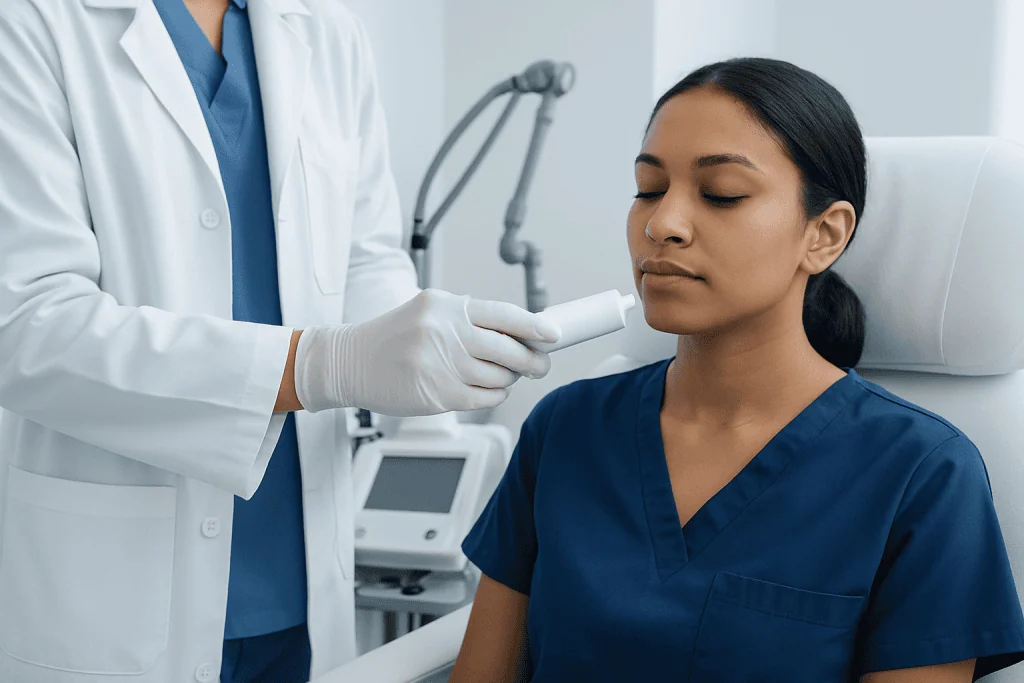
Doctors may recommend a skin lightening cream when dark patches are caused by excess melanin production. Common examples include melasma, post-acne marks, and age or sun spots. In these situations, treatment aims to fade localized discoloration and make skin tone appear more even over time.
Not every dark mark is simple hyperpigmentation. Some patches are caused by active inflammation, fungal infection, irritation, hormonal changes, or less commonly, skin cancer. A cream that lightens pigment will not solve these problems and may delay proper treatment if used without an evaluation.
People also seek treatment after cosmetic procedures, pregnancy-related pigmentation, or chronic rubbing in areas such as the underarms or inner thighs. The pattern, color, and timing of the pigmentation help determine the likely cause and whether a prescription, procedure, or broader skin care plan is the better option.
- Melasma
- Post-inflammatory hyperpigmentation after acne, rash, or injury
- Sun spots or age spots
- Uneven tone after cosmetic irritation
- Pigment changes linked to hormonal shifts
Ingredients, benefits, and possible risks
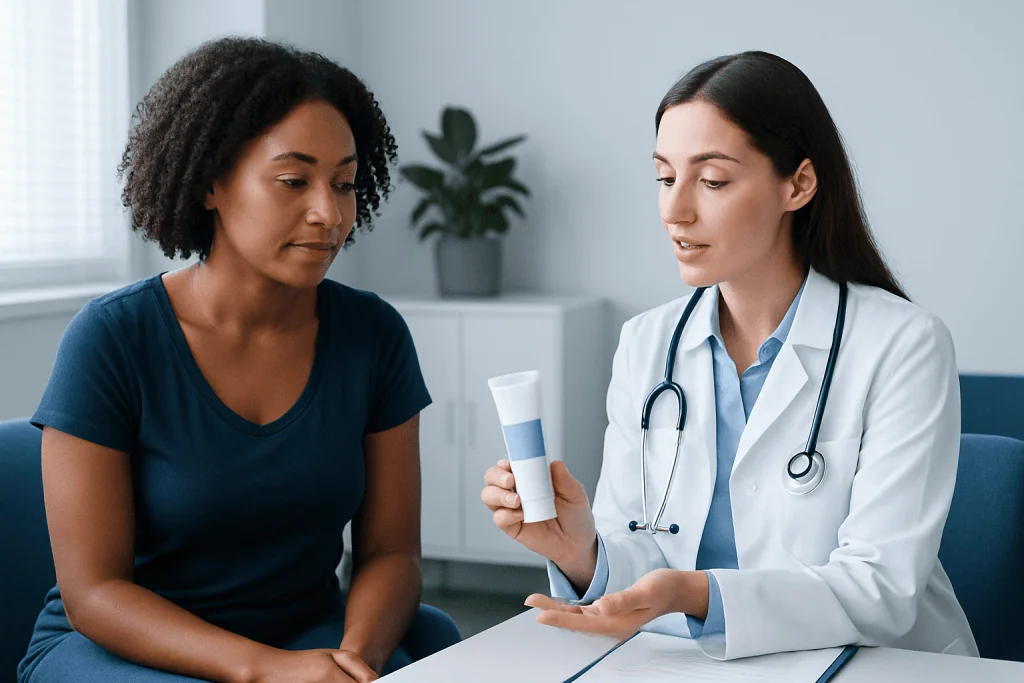
The effect of a skin lightening cream depends on its active ingredients. Dermatologists may use ingredients that slow melanin production, speed skin cell turnover, reduce inflammation, or combine several of these actions. Common medically used options include azelaic acid, retinoids, kojic acid, vitamin C, niacinamide, and in some settings hydroquinone under medical guidance. Chemical exfoliants may also help selected patients by promoting more even shedding of pigmented skin cells.
Benefits are usually gradual rather than immediate. Fading can take weeks to months, and good results often depend on regular sunscreen use and avoiding triggers such as irritation, picking, or excessive sun exposure. A well-chosen product can improve the appearance of dark spots, but overuse or combining too many strong products may lead to redness, peeling, burning, and worsening discoloration.
Risks are especially important with products bought from unregulated sellers. Some so-called skin bleaching creams may contain harmful ingredients such as undisclosed steroids, excessive hydroquinone, or mercury. These products can thin the skin, trigger acne, cause stretch-like changes, raise infection risk, or lead to difficult-to-treat rebound pigmentation. Because of these concerns, ingredient transparency and medical advice matter.
For some patients, doctors may combine topical treatment with procedures such as chemical peels or a laser treatment plan, especially when pigmentation is stubborn or recurrent. These options need professional assessment because inappropriate treatment can aggravate pigmentation in sensitive or darker skin types.
How doctors choose the right approach
Choosing the right skin lightening cream starts with identifying the type of pigmentation and the person’s skin type, sensitivity, and medical history. A dermatologist will usually ask when the marks began, whether they followed acne, pregnancy, sun exposure, or cosmetic products, and whether there is itching, pain, scaling, or change in size. These details help distinguish ordinary hyperpigmentation from other skin conditions.
Examination may be enough in many cases, but some patients need a closer review to rule out conditions that can look similar. For example, melasma often appears symmetrically on the cheeks or forehead, while post-inflammatory pigmentation follows a previous rash or injury. Dark spots with unusual borders, color variation, bleeding, or recent change need prompt medical attention rather than cosmetic treatment.
Treatment plans are often layered. A doctor may recommend a targeted cream, a gentle cleanser, a moisturizer that protects the skin barrier, and daily broad-spectrum sunscreen. If pigment is deeper, widespread, or resistant, other therapies may be discussed, including dermatology evaluation and treatment to personalize care and monitor side effects safely.
Safe use and realistic expectations
Skin lightening creams work best when used as directed and for the correct reason. Applying more than recommended does not usually speed results and can increase irritation. Because inflammation itself can leave dark marks, irritation from over-treatment may create a cycle in which the skin becomes darker rather than clearer.
Patch testing, especially for sensitive skin, can be helpful before widespread use. It is also wise to introduce one active product at a time so that the skin can be monitored for redness, stinging, dryness, or rash. If irritation develops, treatment may need to be paused and the skin barrier supported with bland moisturizers until recovery.
Results are rarely permanent if the underlying trigger continues. Sun exposure, hormonal changes, friction, and acne flares can all bring pigmentation back. For that reason, maintenance often matters as much as the initial treatment. Broad-spectrum sunscreen, protective clothing, and avoiding harsh scrubs or picking at the skin are central parts of long-term care.
- Use only products with clearly listed ingredients
- Follow the time frame advised by a clinician or label
- Avoid mixing multiple strong actives without guidance
- Stop and seek advice if significant burning, swelling, or rash occurs
- Use daily sun protection to help prevent recurrence
Prevention and self-care for uneven pigmentation
Prevention focuses on reducing the triggers that cause pigment cells to become overactive. The most effective daily step is sun protection. Ultraviolet and visible light can worsen melasma and dark spots even when a lightening cream is being used. A broad-spectrum sunscreen, shade, hats, and reapplication during outdoor activity can help preserve results.
Gentle skin care also matters. Picking acne, scrubbing too hard, using irritating fragrances, or overusing acids can inflame the skin and leave marks behind. Managing acne, eczema, or razor irritation early may reduce the chance of post-inflammatory hyperpigmentation developing in the first place.
Hormonal and medication-related causes may need a broader discussion with a clinician. If pigmentation appears during pregnancy, after starting hormones, or while taking certain medicines, a doctor can review whether observation, a safer topical option, or another treatment plan is appropriate. For patients seeking expert support, Acibadem International’s multidisciplinary specialists in JCI-accredited hospitals evaluate and treat skin pigmentation concerns for international patients.
When to seek medical care
Medical care is recommended when dark patches are new, spreading, very uneven, or not improving with simple skin care. A person should also seek assessment if the skin becomes painful, itchy, scaly, or repeatedly inflamed after using a cream. These features may suggest a diagnosis other than straightforward hyperpigmentation.
Prompt evaluation is especially important for any pigmented spot that changes shape, develops irregular borders, has several colors, bleeds, crusts, or looks very different from other marks. In these cases, self-treatment with a skin lightening cream may delay diagnosis of a more serious condition.
Patients should also speak with a doctor before using potent lightening products during pregnancy, while breastfeeding, or if they have very sensitive skin, eczema, rosacea, or a history of allergic reactions. Professional guidance can help balance safety, effectiveness, and the risk of rebound pigmentation.
Frequently asked questions
What is a skin lightening cream used for?
A skin lightening cream is most often used to reduce dark spots, melasma, and marks left after acne, irritation, or inflammation. It is generally meant to target uneven pigmentation rather than medically recommended full-body skin color change.
Are all skin lightening creams safe?
No. Safety depends on the ingredients, the product source, how long it is used, and whether it suits the person’s skin type and diagnosis. Products from unreliable sources may contain harmful or undisclosed substances, so medical advice is important for stronger treatments.
How long does it take for a skin lightening cream to work?
Most medically appropriate products work gradually over several weeks to a few months. The exact timeline depends on the cause and depth of pigmentation, skin sensitivity, and whether sun protection is used consistently.
Can skin lightening cream make pigmentation worse?
Yes, it can if the product irritates the skin, is too strong, or is used too often. Irritation may lead to more inflammation, which in turn can darken the skin further, especially in people prone to post-inflammatory hyperpigmentation.
Do I need sunscreen while using a skin lightening cream?
Yes. Sunscreen is a key part of treatment because ultraviolet and visible light can worsen pigmentation and undo improvement. Daily broad-spectrum protection usually helps creams work better and lowers the chance of recurrence.
Should dark patches always be checked by a doctor?
Not every dark patch is serious, but persistent, changing, unusual, or symptomatic marks should be assessed. A doctor can confirm whether the discoloration is harmless hyperpigmentation or a condition that needs different treatment.
References
- American Academy of Dermatology
- National Health Service
- Mayo Clinic
- World Health Organization
- U.S. Food and Drug Administration
This article is for general information only and is not a substitute for professional medical advice. Please consult a qualified doctor about your individual situation.
Explore treatments in Turkey — costs, top hospitals & a free quote
JCI-accredited · board-certified surgeons · reply within 24h
Add us as a Preferred Source to see more of our trusted health content across Google Search, AI Overviews and Discover.

More from the Health Library



Related Specialists

Prof. Dr. Mehmet Akif Sargın
Gynecology & Obstetrics
Dr. Duygu Yavuzer Karadeniz
Periodontolgy
Pdg. Gülşah Kızıl
Podiatry & Foot Health
Dr. Metin Bayramoğlu
Emergency Service