Meat Temperatures: An Evidence-Based Guide for Patients

Use a food thermometer to check the thickest part of the meat, away from bone, fat, or gristle. Poultry should reach 165°F, ground meats 160°F, and most whole cuts 145°F with a rest period.
Key Takeaways
- Use a food thermometer to check the thickest part of the meat, away from bone, fat, or gristle.
- Poultry should reach 165°F, ground meats 160°F, and most whole cuts 145°F with a rest period.
- Color alone is not a reliable sign that meat is safely cooked.
- Safe meat temperatures reduce the risk of foodborne infections such as salmonella and campylobacter.
- Refrigeration, avoiding cross-contamination, and proper reheating are as important as cooking temperature.
Meat temperatures matter because the right internal temperature lowers the risk of foodborne illness while keeping food palatable. In general, poultry should reach 165°F (74°C), ground meats 160°F (71°C), and whole cuts of beef, pork, lamb, and veal 145°F (63°C) followed by a rest time.
Overview: Why Meat Temperatures Matter
Meat temperatures are a practical food-safety tool. They help confirm that harmful germs commonly found in raw meat and poultry have been reduced to a safer level through cooking. For most households, the easiest and most reliable way to do this is with a food thermometer rather than guessing by color, texture, or cooking time alone.
In simple terms, commonly recommended minimum internal temperatures are 165°F (74°C) for poultry, 160°F (71°C) for ground meats, and 145°F (63°C) for whole cuts of beef, pork, lamb, and veal, followed by a rest time. Fish is generally cooked to 145°F (63°C) as well, or until it becomes opaque and flakes easily, but a thermometer remains the more dependable option.
This topic is especially relevant for people at higher risk from foodborne illness, including older adults, pregnant people, young children, and anyone with a weakened immune system. For these groups, careful handling and accurate cooking are part of prevention, not just kitchen preference.
Food safety does not begin and end with heat. Buying meat from reliable sources, keeping it cold, separating raw meat from ready-to-eat foods, washing hands and surfaces, and storing leftovers promptly all work together with proper meat temperatures to reduce risk.
Safe Internal Temperatures at a Glance
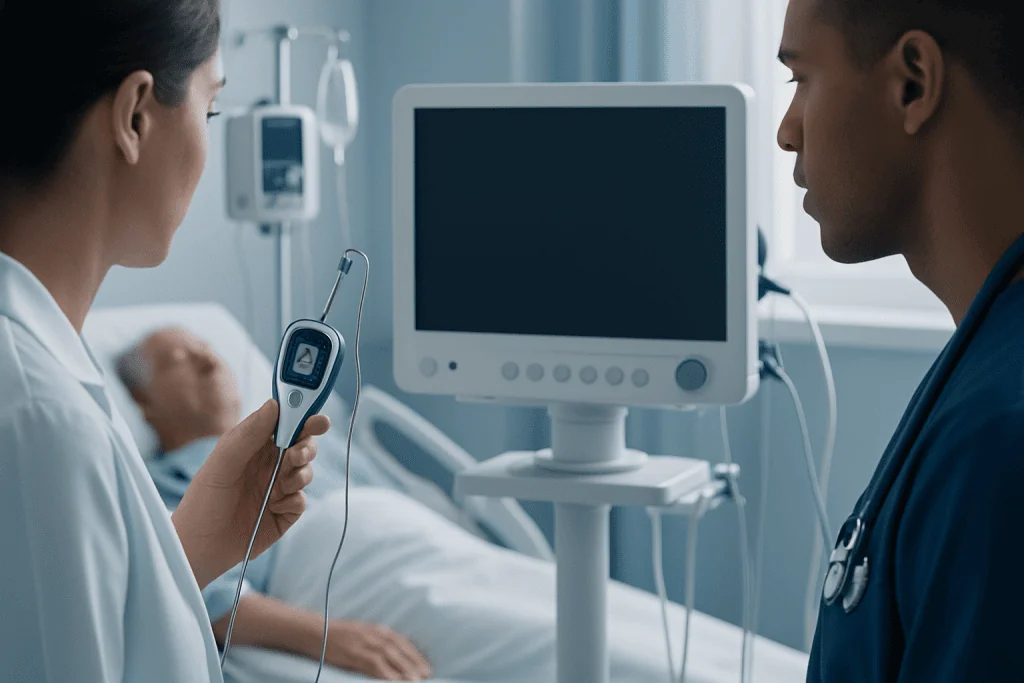
Recommended minimum internal temperatures vary by the type of meat and how it is prepared. Ground meat needs a higher temperature than an intact steak or roast because bacteria on the surface can be mixed throughout during grinding. Poultry also requires a higher final temperature due to the organisms more commonly associated with it.
- Poultry: 165°F (74°C) for chicken, turkey, duck, and leftovers or casseroles containing poultry.
- Ground meats: 160°F (71°C) for ground beef, pork, lamb, or veal.
- Whole cuts: 145°F (63°C) for steaks, chops, and roasts of beef, pork, lamb, and veal, followed by at least a 3-minute rest.
- Ham: Follow product guidance; fresh ham is generally treated like other whole cuts, while pre-cooked ham is usually reheated until steaming or 140°F (60°C) depending on the product type.
- Fish and shellfish: Fish generally to 145°F (63°C); shellfish should be cooked until the flesh is firm and opaque.
Rest time is part of safe cooking for some whole cuts. During rest, the temperature may remain stable or rise slightly, allowing heat to distribute and finish the cooking process more evenly. This is one reason a whole pork chop can be safe at a lower final temperature than ground pork.
These temperatures are designed for safety in the home kitchen. Individual recipes may suggest higher endpoint temperatures for texture or flavor, but going below food-safety recommendations increases the chance that harmful microbes may survive.
How to Measure Meat Temperatures Correctly
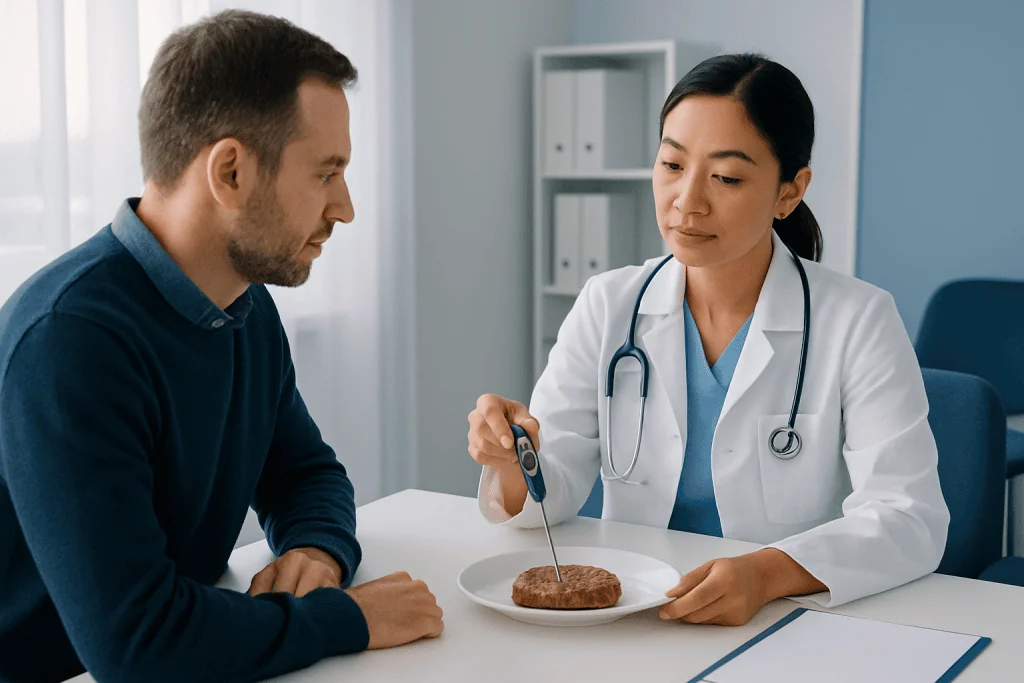
A thermometer is only helpful if it is used in the right place. Insert it into the thickest part of the meat, avoiding bone, large pockets of fat, gristle, or the pan surface. For patties, thinner cuts, or chicken breasts, checking from the side may give a more accurate reading than probing from the top.
Different thermometers work in different ways. Digital instant-read models are commonly used at the end of cooking, while oven-safe probe thermometers can stay in the meat during roasting. Whichever type is used, it should be cleaned after each use and checked occasionally for accuracy according to the manufacturer’s instructions.
Color is not a dependable measure of safety. A burger may look brown before it reaches a safe temperature, and poultry can still show some pink near bones even when fully cooked. Likewise, juices running clear do not guarantee that bacteria have been destroyed.
Care is also needed after cooking. If meat is removed from heat too early and left to sit without reaching the recommended internal temperature, it may remain undercooked. If there is uncertainty, the safest approach is to continue cooking and recheck rather than relying on appearance alone.
Health Risks of Undercooked Meat
Undercooked meat can carry bacteria, viruses, or parasites that cause foodborne illness. Depending on the source and type of food, this may include organisms such as Salmonella, Campylobacter, certain strains of Escherichia coli, Listeria, and others. Symptoms often include nausea, vomiting, diarrhea, stomach cramps, and fever, but severity can vary.
Some infections are mild and settle with rest and fluids, while others can lead to dehydration or more serious complications. A higher-risk person may become ill from a smaller exposure. This is one reason clinicians often give stricter food-safety advice to pregnant people, transplant recipients, patients receiving chemotherapy, and individuals with chronic illness affecting immunity.
Cross-contamination is another common source of infection. For example, cooked meat can become unsafe again if it is placed back on a plate that held it raw, or if the same cutting board is used for salad ingredients without proper washing. Safe meat temperatures are important, but they are only one part of preventing food poisoning.
When foodborne illness causes significant dehydration, prolonged vomiting, or severe abdominal pain, medical evaluation may be needed. In some cases, doctors may recommend stool testing, blood work, or supportive treatment such as intravenous fluid therapy to replace fluids and electrolytes.
Storage, Reheating, and Kitchen Hygiene
Safe meat temperatures work best when paired with proper storage. Raw meat and poultry should be kept refrigerated and stored so that juices cannot drip onto other foods. If meat will not be used soon, freezing is a safe option. Thawing is safest in the refrigerator, in cold water changed regularly, or in the microwave if the food will be cooked immediately afterward.
Cooked meat should not be left at room temperature for long periods. Prompt refrigeration of leftovers reduces bacterial growth. As a practical rule, leftovers should be cooled and refrigerated within 2 hours, or within 1 hour if the surrounding temperature is very warm, such as during hot outdoor weather.
Reheating also matters. Leftovers should be heated thoroughly, generally to 165°F (74°C), especially mixed dishes, soups, gravies, and previously cooked poultry. Sauces and liquids should be brought to a full reheating stage, and microwave-heated foods may need stirring and standing time for even heating.
Handwashing, separate cutting boards, and surface cleaning remain essential. Raw meat should not be washed in the sink because splashing can spread germs around the kitchen. Instead, careful handling and thorough cooking are the recommended safety steps.
Who Should Be Extra Careful
Some people have a greater chance of becoming seriously unwell from contaminated food. This includes infants and young children, adults over 65, pregnant people, and those with reduced immune function due to medication, cancer treatment, organ transplantation, HIV infection, or certain chronic diseases.
For these groups, cautious food choices are sensible. Avoiding raw or undercooked meat, poultry, seafood, and eggs is particularly important. Special care with deli meats, refrigerated ready-to-eat foods, and leftovers may also be advised depending on a person’s medical condition.
People with digestive symptoms after a risky meal may need closer monitoring if they are in a higher-risk category. Severe diarrhea, poor fluid intake, faintness, or persistent fever can lead to dehydration more quickly. Evaluation may also be considered when symptoms overlap with other digestive conditions, and doctors may involve services such as gastroenterology care when appropriate.
Families often ask whether “a little pink” is ever acceptable. For whole cuts that have reached the correct internal temperature and rest time, appearance can vary without meaning the food is unsafe. For ground meats and poultry, however, thermometer confirmation is especially important because appearance is less reliable and the safety margin is narrower.
When to Seek Medical Care
Medical care should be sought if symptoms after eating meat are severe, persistent, or concerning. Examples include signs of dehydration such as dizziness, reduced urination, or unusual sleepiness; blood in the stool; high fever; repeated vomiting; severe abdominal pain; or diarrhea lasting more than a few days.
Children, older adults, pregnant people, and immunocompromised patients should contact a clinician sooner if they develop symptoms suggestive of foodborne illness. These groups may become dehydrated more quickly or be at higher risk of complications. If symptoms are intense or rapidly worsening, urgent assessment is appropriate.
Anyone with chest pain, confusion, difficulty breathing, or fainting needs prompt emergency care, even if the illness initially seemed like simple food poisoning. Sometimes another condition may be causing the symptoms. Depending on the presentation, doctors may assess for dehydration, infection, or other abdominal causes and may use tests such as MRI or other imaging when clinically indicated for severe or unclear symptoms.
Near the end of the care pathway, some patients benefit from coordinated follow-up if symptoms do not settle as expected. Acibadem International’s multidisciplinary specialists in JCI-accredited hospitals evaluate and treat digestive and infectious concerns for international patients when further assessment is needed.
Frequently asked questions
What are the safest meat temperatures to remember?
The most practical temperatures to remember are 165°F for poultry, 160°F for ground meats, and 145°F for whole cuts of beef, pork, lamb, and veal followed by a rest period. These are minimum internal temperatures, measured with a food thermometer.
Can meat be safe if it is still pink inside?
Yes, sometimes. Whole cuts may remain slightly pink even when they have reached a safe internal temperature, while some meats turn brown before they are fully safe. A thermometer is more reliable than color.
Why do ground meats need a higher temperature than steaks?
Bacteria are usually found on the surface of intact cuts, where heat reaches them more easily during cooking. Grinding can mix those bacteria throughout the meat, so a higher internal temperature is recommended for safety.
Where should a thermometer be placed in meat?
It should be inserted into the thickest part of the meat. The tip should avoid touching bone, fat, gristle, or the cooking pan, because these can affect the reading.
Do leftovers need to be reheated to a certain temperature?
Yes. Leftovers are generally safest when reheated thoroughly to 165°F, especially poultry, casseroles, soups, and gravies. Prompt refrigeration after the original meal is also important.
Should raw meat be washed before cooking?
No. Washing raw meat can spread germs through splashing onto sinks, counters, and nearby foods. Safe handling, surface cleaning, and proper cooking temperatures are the recommended approach.
References
- U.S. Department of Agriculture Food Safety and Inspection Service
- Centers for Disease Control and Prevention
- World Health Organization
- U.S. Food and Drug Administration
- National Health Service
This article is for general information only and is not a substitute for professional medical advice. Please consult a qualified doctor about your individual situation.
Explore treatments in Turkey — costs, top hospitals & a free quote
JCI-accredited · board-certified surgeons · reply within 24h
Add us as a Preferred Source to see more of our trusted health content across Google Search, AI Overviews and Discover.