Sweating While Sleeping: What Patients Need to Know

Sweating while sleeping is common and is not always a sign of serious illness. Bedroom temperature, bedding, hormones, medicines, infections, and sleep disorders can all contribute.
Key Takeaways
- Sweating while sleeping is common and is not always a sign of serious illness.
- Bedroom temperature, bedding, hormones, medicines, infections, and sleep disorders can all contribute.
- A pattern of repeated night sweats or drenching episodes deserves medical attention.
- Associated symptoms such as fever, weight loss, cough, or swollen glands help guide diagnosis.
- Treatment depends on the cause and may range from lifestyle changes to managing an underlying condition.
Sweating while sleeping can happen for simple reasons such as a hot bedroom, heavy bedding, stress, or spicy food, but it can also be linked to hormones, infections, medicines, or sleep disorders. If night sweating is frequent, severe, or comes with symptoms like fever, weight loss, cough, or swollen lymph nodes, a medical assessment is important.
Overview: what sweating while sleeping may mean
Sweating while sleeping, often called night sweats, means sweating enough during sleep to feel noticeably damp or to soak sleepwear or bedding. In many cases, the explanation is straightforward, such as a warm room, too many blankets, stress, alcohol, or spicy foods. However, repeated or drenching episodes can sometimes be a clue to an underlying medical issue.
Night sweating is a symptom rather than a diagnosis. That means doctors look beyond the sweating itself and consider timing, triggers, age, hormone status, medical history, medicines, and any other symptoms that occur alongside it. This helps separate common lifestyle-related causes from conditions that need treatment.
One useful point for patients is that not all nighttime sweating is the same. A person who occasionally feels warm under a heavy duvet is different from someone who wakes regularly with soaked sheets despite a cool bedroom. The pattern, severity, and context matter.
Common signs and patterns to notice
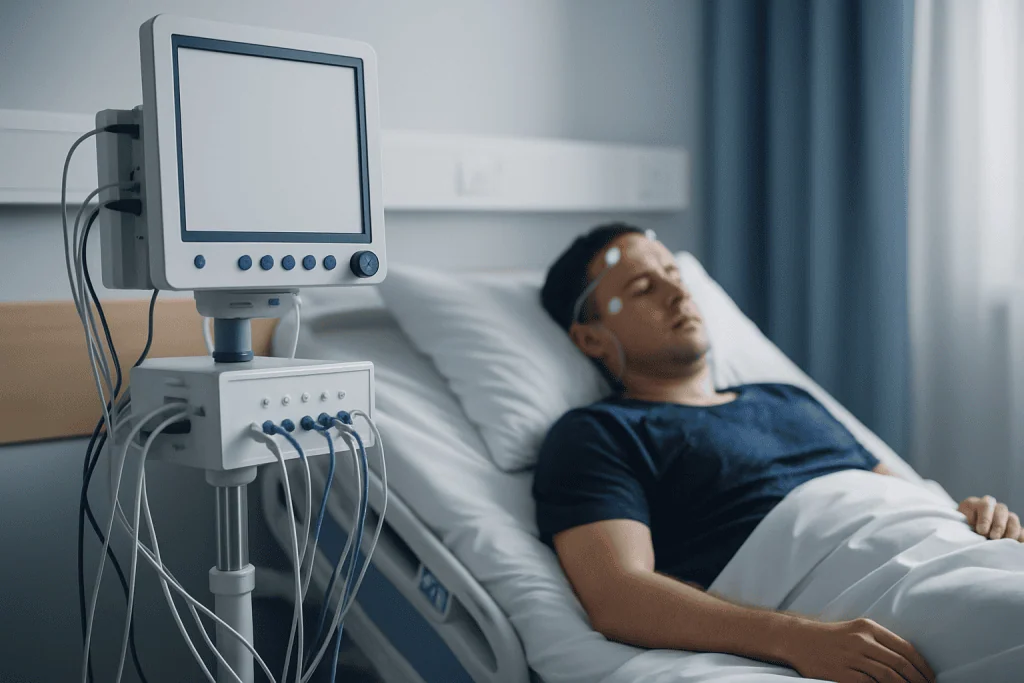
Patients often describe sweating while sleeping as waking with a damp neck, chest, back, or hairline, or needing to change pajamas or bed linens overnight. Some episodes happen only once in a while, while others occur several nights a week. The sweating may be mild or drenching.
Keeping track of what happens can be helpful before a medical visit. Useful details include whether the room was hot, whether alcohol or spicy food was consumed, whether a new medicine was started, and whether the sweating happens at a certain time of the night. Some people also notice flushing, palpitations, vivid dreams, snoring, or waking suddenly.
Symptoms that deserve special attention include:
- Fever or chills
- Unexplained weight loss
- Persistent cough
- Swollen lymph nodes
- Shortness of breath
- Ongoing fatigue
- Pain, especially chest or abdominal pain
- Changes in menstrual cycles or menopausal symptoms
Why sweating while sleeping happens

The body uses sweating to regulate temperature. During sleep, that system can be influenced by the environment, emotions, hormones, medicines, infections, and medical conditions. A bedroom that is too warm, moisture-trapping sleepwear, or layered bedding can be enough to cause sweating, especially in warmer climates or during seasonal heat.
Hormonal shifts are another common explanation. Menopause often causes hot flashes that continue at night, and changes related to pregnancy or the menstrual cycle may also lead to nighttime sweating. Thyroid overactivity can increase heat intolerance and sweating throughout the day and night. Problems related to blood sugar, including episodes of low blood sugar in some patients with diabetes, may also contribute.
Infections can trigger sweating while sleeping because they affect the body’s temperature-control systems. Viral illnesses, bacterial infections, and some chronic infections may all play a role. In other cases, sleep-related conditions such as obstructive sleep apnea can cause repeated awakenings with sweating, especially when combined with loud snoring or daytime sleepiness.
Certain medicines are a frequent but sometimes overlooked cause. Antidepressants, hormone therapies, fever-reducing medicines, and some treatments for diabetes or high blood pressure may increase sweating in some people. Less commonly, persistent night sweats may be associated with inflammatory conditions or cancers such as lymphoma, which is why a persistent pattern should be discussed with a doctor.
Risk factors and possible triggers
Some people are more likely to experience sweating while sleeping because of age, hormone changes, stress levels, body weight, or underlying health conditions. Menopause is a well-known risk factor, but younger adults can also have night sweats related to anxiety, medications, infection, or sleep disorders.
Lifestyle triggers are also common. Alcohol can widen blood vessels and make the body feel warmer. Spicy meals may activate heat and sweating responses, especially if eaten close to bedtime. Intense evening exercise, caffeine, and smoking can also make nighttime temperature regulation less stable in some individuals.
People may benefit from considering these possible contributors:
- A warm bedroom or heavy bedding
- Breathable versus non-breathable sleepwear
- Recent medication changes
- Stress, panic symptoms, or vivid dreams
- Hormonal changes, including menopause
- Snoring, gasping, or fragmented sleep
- Recent infection or travel history
How doctors evaluate night sweats
Diagnosis starts with a careful history and physical examination. A doctor will usually ask when the sweating began, how often it happens, whether bedding becomes soaked, and whether there are related symptoms such as fever, cough, pain, weight loss, or swollen glands. A review of medications, alcohol use, menstrual history, and sleep habits is also important.
Not everyone needs extensive testing. If the pattern strongly suggests overheating or menopause, the next step may simply be adjusting the sleeping environment or discussing symptom management. If the sweating is persistent, severe, or unexplained, tests may be ordered to look for infection, inflammation, hormone imbalance, or other medical causes.
Depending on the history, a doctor may recommend blood tests, urine tests, a chest X-ray, or other imaging. If symptoms suggest a sleep disorder, assessment in a specialist sleep lab sleep study may help identify breathing-related disturbances during sleep. When a gland or soft-tissue problem is suspected, imaging such as MRI may be useful in selected cases.
Treatment options depend on the cause
There is no single treatment for sweating while sleeping because the best approach depends on why it is happening. If the cause is environmental, practical changes such as lowering the bedroom temperature, using lighter bedding, and choosing breathable fabrics may be enough. If the trigger is alcohol, spicy food, or evening stress, reducing those triggers can help.
When hormones are involved, treatment may focus on managing menopausal symptoms or addressing thyroid disease or blood sugar fluctuations. If a medicine is suspected, the prescribing doctor may review alternatives or adjust the timing, but patients should not stop prescribed medication on their own. If infection is present, treatment is directed at the infection itself.
If a sleep disorder is contributing, treating that condition can improve sweating as well as sleep quality and daytime alertness. In selected situations, further evaluation by specialists may be needed, including endocrinology care for hormone-related causes. For patients with complex or persistent symptoms, multidisciplinary assessment can help bring the pieces together.
Self-care and prevention strategies
Simple measures often reduce mild or occasional episodes of sweating while sleeping. A cooler room, moisture-wicking sleepwear, and lighter bed coverings are reasonable first steps. It may also help to avoid alcohol, heavy meals, and spicy foods in the hours before bed.
Good sleep habits support temperature regulation and overall sleep quality. Patients may benefit from going to bed at a consistent time, limiting screens before sleep, and using relaxation techniques if stress or anxiety seems to trigger symptoms. People who suspect a dietary or medication trigger can keep a short symptom diary to look for patterns.
Self-care should not replace medical advice when sweating is severe, frequent, or unexplained. Near the end of a patient’s care pathway, support from an experienced center can be helpful; Acibadem International’s multidisciplinary specialists and JCI-accredited hospitals diagnose and treat conditions that may cause night sweats in international patients.
When to seek medical care
Medical care is advisable if sweating while sleeping is new, persistent, or severe, especially when it happens in a cool environment without an obvious explanation. Patients should also seek evaluation if the sweating wakes them regularly, affects daily functioning, or continues despite practical changes at home.
Prompt assessment is especially important when night sweats occur together with warning signs such as fever, unexplained weight loss, chronic cough, swollen lymph nodes, chest pain, shortness of breath, or marked fatigue. These symptoms do not automatically mean a serious illness, but they do warrant proper evaluation.
Children, older adults, people with weakened immune systems, and those with known chronic illnesses may need earlier assessment. If there is concern about infection, medication side effects, hormone imbalance, or a sleep disorder, a qualified doctor can guide testing and treatment safely.
Frequently asked questions
Is sweating while sleeping always a sign of illness?
No. Sweating while sleeping can happen for non-medical reasons such as a warm room, heavy bedding, stress, alcohol, or spicy food. It becomes more important to assess when it is frequent, drenching, or paired with other symptoms.
What is the difference between feeling hot at night and true night sweats?
Feeling hot at night may simply reflect room temperature or bedding. True night sweats usually refer to noticeable sweating during sleep, sometimes enough to dampen clothes or sheets, even when the room is not overly warm.
Can menopause cause sweating while sleeping?
Yes. Menopause is a common cause of night sweats because hormone changes can trigger hot flashes during sleep. A doctor can help confirm whether symptoms are hormone-related and discuss management options.
Can medications cause night sweats?
Yes. Some antidepressants, hormone-related medicines, fever-reducing drugs, and other medications may increase sweating in certain people. If symptoms start after a medication change, the prescribing doctor should review it, but the medicine should not be stopped without advice.
Should a person worry if night sweats happen with weight loss or fever?
These symptoms deserve medical attention. Fever, unexplained weight loss, swollen lymph nodes, or a persistent cough can point to an underlying condition that needs proper evaluation, even though the cause is not always serious.
How can someone reduce sweating while sleeping at home?
Helpful steps include keeping the bedroom cool, using light breathable bedding, wearing moisture-wicking sleepwear, and avoiding alcohol or spicy meals close to bedtime. A symptom diary may also help identify triggers such as stress, food, or medication timing.
References
- Mayo Clinic
- National Health Service
- Centers for Disease Control and Prevention
- National Institute of Diabetes and Digestive and Kidney Diseases
- American Academy of Sleep Medicine
This article is for general information only and is not a substitute for professional medical advice. Please consult a qualified doctor about your individual situation.
Medical weight-loss options in Turkey — costs & eligibility
JCI-accredited · board-certified surgeons · reply within 24h
Add us as a Preferred Source to see more of our trusted health content across Google Search, AI Overviews and Discover.
Check your numbers in seconds
BMI, calories, due date, blood pressure and 30+ more clinical calculators — free, instant, doctor-reviewed ranges.

More from the Health Library


Related Specialists

Dr. Caner Çam
Internal Medicine
Dr. Deniz Bülent Kalay
Emergency Service
Dr. Coşkun Akalın
Physical Medicine & Rehabilitation
Assoc. Prof. Dr. Deniz Can Aliş
Radiology