Rosacia — Explained by Medical Evidence, Not Myths

Rosacia usually refers to rosacea, a chronic condition that causes facial redness, flushing, visible blood vessels, and sometimes bumps or eye symptoms. It is not contagious and is not the same as acne, although some forms can look similar.
Key Takeaways
- Rosacia usually refers to rosacea, a chronic condition that causes facial redness, flushing, visible blood vessels, and sometimes bumps or eye symptoms.
- It is not contagious and is not the same as acne, although some forms can look similar.
- Common triggers include sun exposure, heat, alcohol, spicy foods, stress, and certain skin products.
- Diagnosis is usually clinical, based on skin and eye findings rather than a single laboratory test.
- Treatment may include gentle skin care, trigger avoidance, prescription creams or tablets, laser therapy, and eye care when needed.
- Medical review is important if symptoms affect the eyes, worsen quickly, or do not improve with routine skin care.
Rosacia is the commonly searched spelling of rosacea, a long-term inflammatory skin condition that most often affects the central face. It is not caused by poor hygiene, and while it cannot always be cured, symptoms can usually be managed well with the right diagnosis, trigger control, and treatment.
What rosacia means and what it is
Rosacia is a common misspelling of rosacea, a chronic inflammatory skin condition that mainly affects the cheeks, nose, chin, and forehead. It often causes persistent redness or episodes of flushing, and in some people it can also lead to acne-like bumps, visible small blood vessels, skin thickening, or irritation of the eyes. The condition tends to come and go, with periods when symptoms are milder and times when they flare.
Rosacea is not caused by poor cleanliness, and it is not contagious. It can affect adults of many skin tones, although redness may be easier to notice in lighter skin. Because symptoms vary from person to person, rosacea is often misunderstood or mistaken for sun damage, acne, allergic reactions, or simple skin sensitivity.
Medical evidence shows that rosacea involves a combination of factors, including an overactive inflammatory response, changes in blood vessels, skin barrier dysfunction, and possible reactions to environmental triggers. Some patients may also have related conditions such as acne or a tendency toward sensitive skin, which can make diagnosis more challenging.
How rosacia can appear on the skin and eyes
Rosacea does not look the same in every person. Some mainly notice frequent flushing or a constant sunburn-like redness across the middle of the face. Others develop small red bumps and pus-filled spots that resemble acne, but unlike acne, rosacea usually does not cause blackheads.
Doctors often describe several clinical patterns. One pattern is persistent facial redness with visible tiny blood vessels. Another includes papules and pustules, which are inflamed bumps. A less common form can cause thickened skin, especially around the nose. Rosacea can also affect the eyes, leading to burning, grittiness, watering, light sensitivity, or redness of the eyelids and eye surface.
Common signs and symptoms include:
- Easy flushing or blushing
- Persistent redness of the cheeks, nose, chin, or forehead
- Visible thread-like blood vessels
- Acne-like bumps or pus-filled spots
- Stinging, burning, or increased skin sensitivity
- Dry, rough, or swollen skin during flares
- Eye irritation, eyelid inflammation, or watery eyes
When eye symptoms are present, doctors may consider dry eye or ocular rosacea as part of the picture. Eye involvement is important because it may need prompt treatment to protect comfort and vision.
Why rosacia happens: causes, biology, and triggers
There is no single cause of rosacea. Current evidence suggests that it develops through a mix of inherited tendency and environmental influences. The skin may react too strongly to heat, sunlight, emotional stress, microbes on the skin, or substances that widen blood vessels. Inflammation then contributes to redness, visible vessels, and outbreaks of bumps.
Researchers have also found that the skin barrier may be more fragile in rosacea. This helps explain why some people feel stinging or burning when they use products that others tolerate well. Nerve signaling and abnormal blood vessel responses may play a role too, especially in flushing.
Not everyone has the same triggers, but common ones include:
- Sun exposure
- Hot weather, saunas, or overheated rooms
- Cold wind and sudden temperature changes
- Alcohol
- Spicy foods
- Hot drinks
- Emotional stress
- Intense exercise
- Harsh skin care products, exfoliants, or fragrances
- Topical steroid misuse on the face
Keeping a symptom diary can help identify personal patterns. This can be useful because trigger control often reduces flare frequency even when medicines are also needed.
How doctors diagnose rosacia and tell it apart from other conditions
Rosacea is usually diagnosed by a clinician after reviewing symptoms and examining the skin and, if needed, the eyes. There is no single blood test that confirms it. Instead, diagnosis depends on features such as persistent central facial redness, flushing, visible blood vessels, acne-like bumps, or eye irritation.
Part of diagnosis is ruling out other conditions that can look similar. Acne may cause bumps and pustules, but blackheads are more typical of acne. Seborrheic dermatitis can cause redness and flaking, especially around the nose and eyebrows. Lupus, contact dermatitis, and sun-related skin damage may also sometimes be considered depending on the pattern.
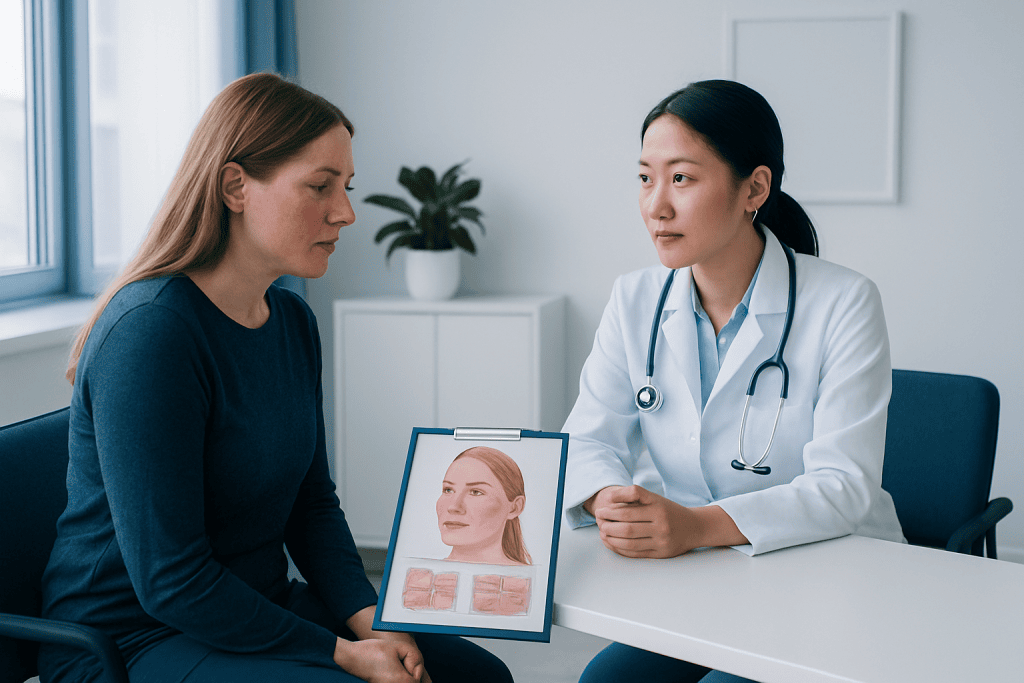
If eye symptoms are present, an eye specialist may examine the lids, tears, and cornea. In selected cases, especially when symptoms are unusual or severe, the doctor may suggest additional testing or referral to dermatology. A specialist in dermatology evaluation and care can help classify the condition accurately and tailor treatment to the patient’s skin type and main symptoms.
Treatment options supported by medical evidence
Treatment for rosacea depends on which features are most prominent. For many patients, the foundation is gentle daily skin care plus avoidance of known triggers. Mild cleansers, fragrance-free moisturizers, and broad-spectrum sunscreen are often recommended. This basic approach can reduce irritation and support the skin barrier.
Prescription treatment may include topical medicines to calm inflammation or reduce bumps, and in some cases oral antibiotics with anti-inflammatory effects are used for a limited period. Persistent visible blood vessels or background redness may respond better to light- or laser-based procedures than to creams alone. When skin thickening develops, procedural treatment may be considered.
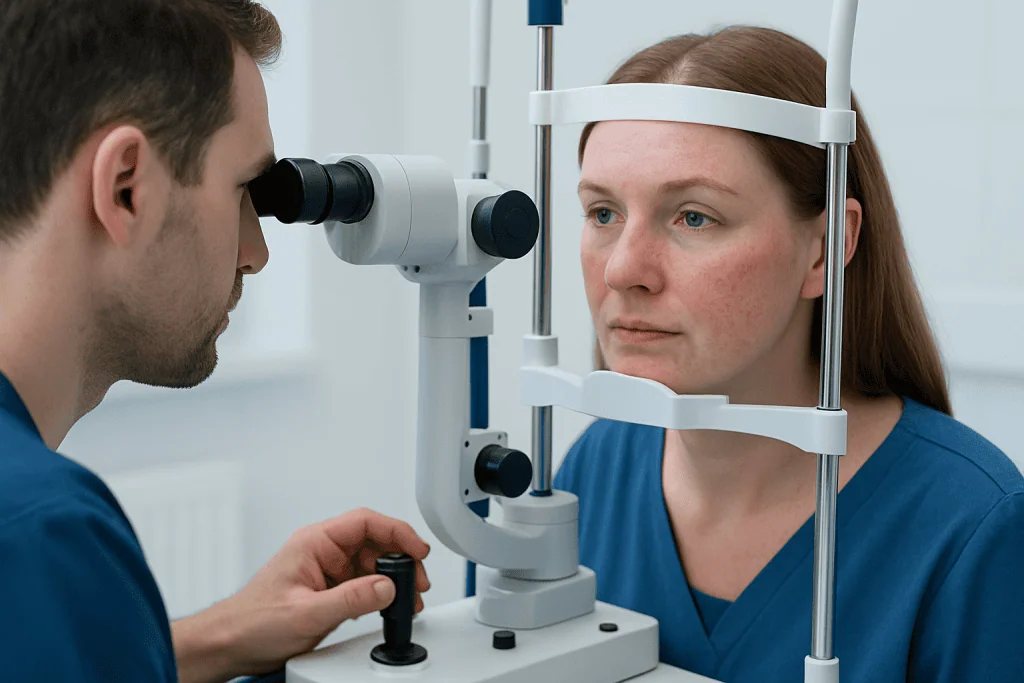
If symptoms affect the eyes, treatment may involve eyelid hygiene, lubricating drops, and sometimes prescription therapy advised by an ophthalmologist. Patients with significant ocular complaints may benefit from ophthalmology assessment in addition to skin treatment. For selected patients with redness, vessels, or textural changes, doctors may discuss procedural options used within dermatology care or laser-based approaches depending on availability and suitability.
Results are usually best when treatment is individualized. Many people need a long-term management plan rather than a short one-time therapy, because rosacea is chronic and may flare again if triggers return or treatment stops too soon.
Everyday self-care, skin routines, and prevention of flares
Self-care does not replace medical treatment, but it plays a major role in keeping rosacea stable. A simple, non-irritating routine is usually more helpful than using many products. Washing with lukewarm rather than hot water, patting the face dry, and applying a gentle moisturizer can reduce stinging and dryness.
Sun protection is especially important because ultraviolet exposure is a common trigger. A broad-spectrum sunscreen, protective hat, and shade when possible may reduce redness flares over time. People who react to some sunscreens may do better with formulations made for sensitive skin.
Useful prevention habits include:
- Identifying and limiting personal triggers
- Avoiding harsh scrubs, astringents, and fragranced products
- Choosing non-comedogenic, sensitive-skin makeup or skin care
- Managing stress with sleep, relaxation, or pacing strategies
- Cooling down gradually after exercise rather than stopping abruptly in heat
- Discussing any facial steroid use with a doctor
If over-the-counter products repeatedly cause burning or redness, it is sensible to stop them and seek medical advice rather than continuing to experiment. A clinician can also check whether another condition, such as eczema, is contributing to irritation.
When to seek medical care
Medical care is appropriate when facial redness persists, flushing becomes frequent, acne-like bumps continue to return, or the skin becomes increasingly sensitive. A proper diagnosis matters because rosacea can resemble several other conditions, and the most effective treatment depends on the exact pattern present.
Prompt assessment is especially important if the eyes are involved. Symptoms such as gritty eyes, light sensitivity, blurred vision, eyelid swelling, or ongoing redness of the eyes should not be ignored. Eye-related rosacea may need coordinated care from dermatology and ophthalmology.
A doctor should also review symptoms if the nose or other areas of skin begin to thicken, if over-the-counter treatments are not helping, or if steroid creams have been used on the face. Near the end of the care pathway, some international patients may seek multidisciplinary assessment at Acibadem International, where JCI-accredited hospitals and specialists evaluate and treat rosacea and related skin or eye concerns.
Frequently asked questions
Is rosacia the same as rosacea?
Yes. Rosacia is a common misspelling of rosacea. The medical condition is rosacea, a chronic inflammatory disorder that often causes facial redness, flushing, bumps, and sometimes eye symptoms.
Can rosacia go away on its own?
Rosacea is usually a long-term condition, so it may not fully disappear on its own. However, symptoms often improve significantly with trigger control, gentle skin care, and treatment recommended by a doctor.
Is rosacia just adult acne?
No. Rosacea can look like acne because it may cause red bumps and pus-filled spots, but it is a different condition. Rosacea usually affects the central face, often includes flushing or persistent redness, and does not typically cause blackheads.
What makes rosacia flare up?
Common triggers include sunlight, heat, hot drinks, alcohol, spicy foods, stress, intense exercise, and irritating skin products. Triggers are personal, so keeping a diary can help identify what worsens symptoms in each individual.
Can rosacia affect the eyes?
Yes. Ocular rosacea can cause burning, watering, grittiness, red eyelids, and light sensitivity. Because eye involvement may need specific treatment, new or persistent eye symptoms should be assessed by a qualified doctor.
What is the best skin care for rosacia?
Most people do best with a simple routine that includes a gentle cleanser, fragrance-free moisturizer, and daily broad-spectrum sunscreen. Harsh scrubs, strong exfoliants, and products that sting or burn are usually best avoided.
References
- American Academy of Dermatology
- National Institute of Arthritis and Musculoskeletal and Skin Diseases
- National Health Service
- Mayo Clinic
- American Academy of Ophthalmology
This article is for general information only and is not a substitute for professional medical advice. Please consult a qualified doctor about your individual situation.
Explore treatments in Turkey — costs, top hospitals & a free quote
JCI-accredited · board-certified surgeons · reply within 24h
Add us as a Preferred Source to see more of our trusted health content across Google Search, AI Overviews and Discover.

More from the Health Library


Related Specialists

Dr. Ahmet Hakan Eren
Pulmonary Medicine
Prof. Dr. Erhan Serin
Orthopedic Surgery & Traumatology
Fzt. Gizem Adlı
Physical Medicine & Rehabilitation
Dt. Kerim Muhammed Aktaş
Oral & Dental Health