

Pulled Hair Follicle Out — Explained by Medical Evidence, Not Myths
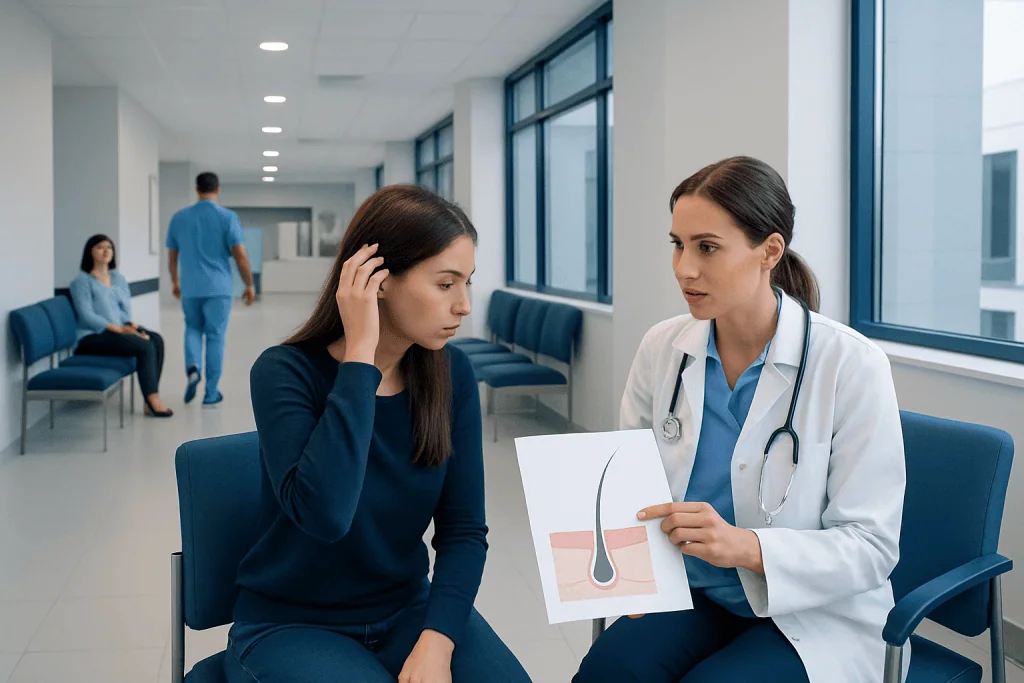
A hair pulled out with a white or clear bulb usually does not mean the entire follicle was removed. The follicle is a small skin structure beneath the surface and usually stays in place after a hair is plucked.
Key Takeaways
- A hair pulled out with a white or clear bulb usually does not mean the entire follicle was removed.
- The follicle is a small skin structure beneath the surface and usually stays in place after a hair is plucked.
- Temporary redness, soreness, or a small bump can happen after pulling a hair, especially on the scalp, beard, eyebrows, or body.
- Medical care may be needed if there is spreading redness, pus, worsening pain, fever, or an area that does not heal.
- Repeated pulling, tight hairstyles, or skin inflammation can damage follicles over time and may affect regrowth.
If someone thinks they pulled a hair follicle out, the most likely explanation is that the hair came out with its root bulb attached, not the entire follicle. In most cases, the follicle remains in the skin and can produce another hair, although temporary irritation, tenderness, or a small inflamed bump may occur.
What it usually means when a hair is pulled out
When people say they have pulled a hair follicle out, they usually mean that a hair came out with a soft white, clear, or slightly dark bulb attached at the end. Medically, that bulb is typically part of the hair root, not the entire follicle. The follicle itself is a tiny tube-like structure within the skin that surrounds and supports the growing hair.
In most cases, pulling out one hair does not remove the whole follicle. That is why the hair often grows back over time. The skin may feel tender for a short period, and a small spot of redness or pinpoint bleeding can happen, but this does not usually indicate permanent damage.
It helps to separate online myths from anatomy. A visible hair root on the end of a plucked strand may look dramatic, but it is not proof that the full follicle has been extracted. True destruction of a follicle is more likely to happen from repeated trauma, scarring, significant inflammation, burns, or certain skin conditions rather than from pulling a single hair once.
Hair anatomy in simple terms
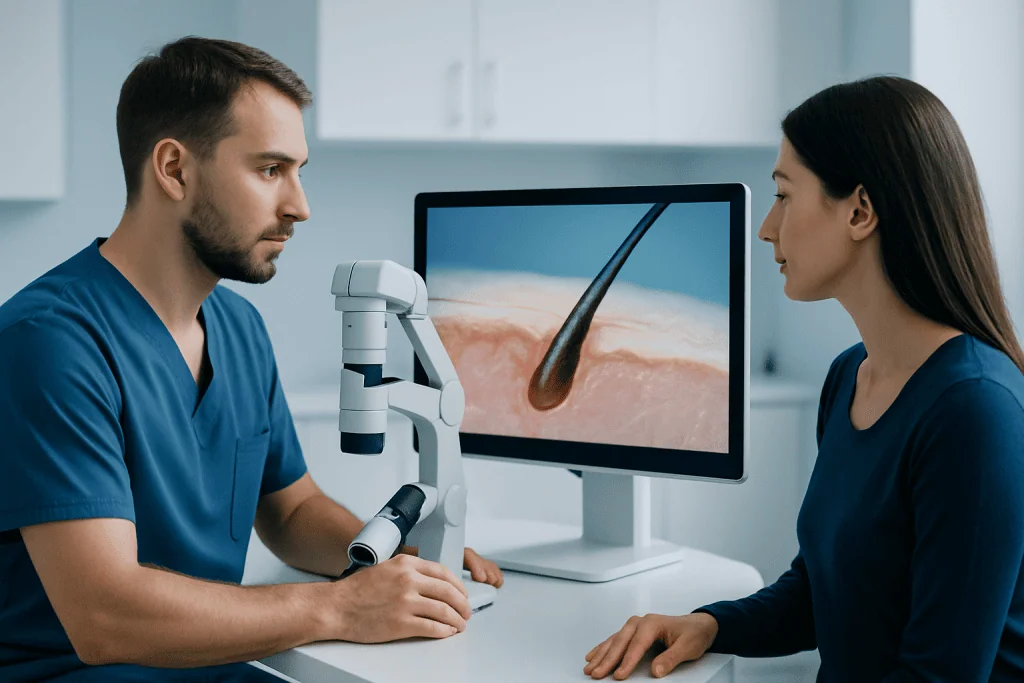
Each hair has two main parts: the shaft, which is the portion seen above the skin, and the root, which sits below the skin surface. The root grows inside the follicle, a small living structure in the skin. Near the base of the root is the bulb, where cells divide and where the hair receives support from surrounding tissues and blood supply.
When a hair is plucked, the strand may come out from the follicle along with some inner root material. This is why the end can appear thicker, pale, or jelly-like. Even so, the deeper parts of the follicle commonly remain in the skin and can start a new growth cycle.
Hair growth occurs in cycles. Some hairs are actively growing, some are resting, and some are being shed. A plucked hair may take time to return because the follicle has to re-enter a growth phase. This delay can make it seem as if the follicle is gone, when in fact the skin is simply following its normal regrowth timeline.
If hair loss seems patchy, progressive, or associated with scaling or inflammation, another condition may be involved rather than simple plucking. Examples include hair loss disorders or inflammatory scalp problems that deserve proper assessment.
What symptoms are normal after a hair is pulled

After a hair is pulled out, mild local symptoms are common and usually settle on their own. The area may sting briefly, feel tender to touch, or look slightly pink. A tiny spot of blood can appear if the skin opening is irritated, especially in delicate areas such as the eyebrows, beard, underarms, or bikini line.
Some people develop a small bump where the hair was removed. This can happen because the follicle opening becomes irritated or inflamed. In some cases, the new hair may curl back into the skin as it regrows, causing an ingrown hair. This is more likely if the hair is coarse or tightly curled, or if there is friction from shaving or clothing.
Common short-term effects may include:
- Brief pain or sensitivity
- Mild redness
- A tiny amount of bleeding
- Itching during healing
- A small inflamed bump or ingrown hair
These effects are usually temporary. Symptoms that are getting worse rather than better, especially increasing warmth, swelling, pus, or spreading redness, suggest that simple irritation may have progressed to infection or another skin problem.
Can pulling a hair out damage the follicle or stop regrowth?
A single episode of pulling out a hair is unlikely to permanently stop hair growth. Most follicles remain intact and can produce a new hair. However, repeated mechanical stress over time can injure the follicle, especially if hairs are pulled from the same area again and again.
Examples include chronic plucking of eyebrows, habitual hair pulling, repeated waxing, and tightly worn hairstyles that constantly tug on the roots. Over time, this ongoing stress may contribute to inflammation, miniaturization of hairs, or scarring in some cases. The medical term for hair loss caused by persistent tension is traction alopecia.
Regrowth also depends on the health of the surrounding skin. Conditions such as scalp inflammation, fungal infection, or chronic dermatitis may interfere with normal hair cycling. If the area is scarred, shiny, or persistently bald, a clinician may look for scarring alopecia or other less common causes.
For people concerned about ongoing shedding, thinning, or poor regrowth, evaluation by a dermatologist can be helpful. Depending on the cause, care may range from scalp treatment and monitoring to more advanced options such as hair transplant treatment when medically appropriate.
Causes of irritation, bumps, or infection after plucking
The simplest cause of discomfort after pulling a hair is local irritation. The follicle opening and nearby skin are sensitive, and forceful plucking can trigger inflammation. This is especially common if tweezers are not clean, the skin is dry, or multiple hairs are removed in a short time.
An ingrown hair may form when the new hair gets trapped under the skin instead of emerging outward. This can create a tender red bump and sometimes a pustule. People with curly or coarse hair are more prone to this problem. Friction, shaving, and tight clothing can make it worse.
Occasionally, bacteria enter the irritated follicle and lead to folliculitis, which is an infection or inflammation of the hair follicle. Folliculitis can cause small pus-filled bumps, soreness, crusting, or itch. It may resemble acne or a rash. More stubborn scalp symptoms sometimes overlap with conditions such as seborrheic dermatitis, which can also cause redness and scaling.
Less often, people misinterpret a normal root bulb as something abnormal because of misleading online images. Looking at a plucked hair alone cannot reliably diagnose follicle damage. The appearance of the surrounding skin and the pattern of regrowth are more clinically useful than the detached hair strand itself.
How doctors evaluate a problem area
A doctor usually starts with a simple history and skin examination. They may ask when the hair was pulled, whether the area is painful or draining, if the person has a habit of pulling hair, and whether there are signs of thinning elsewhere. The clinician looks for redness, swelling, scaling, ingrown hairs, broken hairs, and any evidence of scarring.
If the problem is straightforward, no special tests are needed. A clinician can often distinguish between temporary irritation, folliculitis, dermatitis, and patterned or traction-related hair loss during the office visit. Dermoscopy, a close-up examination of the scalp or skin, may be used to assess follicle openings and hair regrowth.
When infection is suspected, treatment may be started based on the exam, and occasionally a swab or culture is taken if symptoms are recurrent or severe. Persistent hair thinning may require a broader workup to look for nutritional, hormonal, inflammatory, or autoimmune factors. In selected cases, specialists may discuss supportive therapies or procedural care such as dermatology evaluation and treatment depending on the underlying diagnosis.
Self-care, prevention, and when to seek medical care
After accidentally pulling out a hair, gentle care is usually enough. The area can be washed with mild soap and water, then left alone. Picking, squeezing, or repeated attempts to remove an ingrown hair can increase irritation and the risk of infection. It is best to avoid harsh products on broken or inflamed skin.
To reduce future irritation, use clean tools if plucking is necessary, avoid digging into the skin, and do not repeatedly pull hairs from the same spot. If tight hairstyles are causing scalp discomfort or hair breakage, loosening styles early may help protect the follicles. People who notice compulsive or stress-related pulling may benefit from medical or mental health support, because addressing the behavior can protect both hair and skin.
Medical advice is appropriate if there is spreading redness, increasing pain, warmth, swelling, pus, fever, or a bump that keeps returning. A doctor should also assess patchy hair loss, shiny scar-like skin, or areas where hair does not seem to regrow after several months. These signs suggest that something more than simple plucking may be involved.
For international patients who need specialist assessment, Acibadem International offers multidisciplinary care in JCI-accredited hospitals for hair and skin conditions. The right evaluation depends on whether the concern is temporary irritation, infection, inflammatory scalp disease, or longer-term hair loss.
Frequently asked questions
If there is a white bulb on the end, did the whole follicle come out?
Usually no. A white bulb on the end of a plucked hair typically represents the root end of the hair, not the entire follicle. The follicle generally remains inside the skin and can often grow another hair.
Will the hair always grow back after being pulled out?
In many cases, yes, but regrowth can take time because hair follows a natural growth cycle. Repeated pulling, inflammation, scarring, or certain skin conditions can reduce the chance of normal regrowth. If an area stays bare for months, a doctor should assess it.
Is it normal for the area to hurt after pulling out a hair?
Mild soreness, redness, or a small amount of bleeding can be normal for a short time. These symptoms usually improve with gentle skin care. Worsening pain, swelling, or pus is not typical and may suggest infection or significant inflammation.
Can pulling out one hair cause an infection?
One pulled hair does not usually cause infection by itself, but the irritated opening in the skin can allow bacteria to enter. This is more likely if the area is touched often, if tools are unclean, or if there is existing skin irritation. Signs of infection include warmth, spreading redness, tenderness, and pus-filled bumps.
How can someone tell the difference between a normal bump and an ingrown hair?
A normal irritated bump is often small, mildly red, and improves over several days. An ingrown hair may look like a tender raised spot, sometimes with a visible trapped hair or a tiny pustule. If bumps are frequent or do not settle, medical advice is sensible.
Should the area be treated at home or checked by a doctor?
Simple cases can usually be managed at home with gentle washing and avoiding further irritation. A doctor should be consulted if symptoms are severe, the redness spreads, fever develops, or hair loss seems persistent or patchy. Professional evaluation is also important if there is concern about scarring or repeated folliculitis.
References
- American Academy of Dermatology
- National Institute of Arthritis and Musculoskeletal and Skin Diseases
- Merck Manual Consumer Version
- Mayo Clinic
- British Association of Dermatologists
This article is for general information only and is not a substitute for professional medical advice. Please consult a qualified doctor about your individual situation.
Hair transplant in Turkey — costs, graft counts & a free assessment
JCI-accredited · board-certified surgeons · reply within 24h
Add us as a Preferred Source to see more of our trusted health content across Google Search, AI Overviews and Discover.

More from the Health Library



Related Specialists
Prof. Dr. Samet Yardımcı
General Surgery
Assoc. Prof. Dr. Cevat Rıfat Cündübey
Gynecology & Obstetrics
Prof. Dr. Nazım Korkut
Otorhinolaryngology
Dr. Murat Alakuş
Physical Medicine & Rehabilitation