Water Based Lubricant for Perineal Massage — Explained by Medical Evidence, Not Myths

Water-based lubricants are often preferred for perineal massage because they are gentle, easy to clean, and less likely to damage latex or leave heavy residue. Perineal massage may help reduce the likelihood of significant perineal trauma in some first vaginal births, especially when started in the final weeks of pregnancy.
Key Takeaways
- Water-based lubricants are often preferred for perineal massage because they are gentle, easy to clean, and less likely to damage latex or leave heavy residue.
- Perineal massage may help reduce the likelihood of significant perineal trauma in some first vaginal births, especially when started in the final weeks of pregnancy.
- Fragranced, warming, flavored, or strongly medicated products are usually best avoided on sensitive perineal tissue.
- Perineal massage should not be painful; discomfort, burning, bleeding, or signs of infection warrant medical advice.
- A clinician or midwife can show the safest technique and advise when massage is not appropriate.
Water based lubricant for perineal massage is commonly recommended because it helps reduce friction on sensitive tissue, is easy to wash off, and is usually well tolerated. Medical evidence supports perineal massage in late pregnancy for some people, but the lubricant should be simple, non-irritating, and appropriate for intimate use.
Overview: what medical evidence says
A water based lubricant for perineal massage is generally a sensible choice. It helps the fingers glide more comfortably over delicate tissue, reduces friction, and is usually less messy and easier to remove than oil-based products. For many pregnant people, that combination makes massage more practical and more comfortable.
Perineal massage is the gentle stretching and massage of the tissue between the vaginal opening and the anus, usually in the last weeks of pregnancy. Research suggests it may lower the risk of some perineal trauma, particularly in people having their first vaginal birth. The benefit is not dramatic for everyone, but the technique is simple, low cost, and often considered reasonable when done correctly.
The lubricant itself does not create the benefit; the massage technique does. However, the right lubricant can make the process more tolerable and may help avoid irritation. In clinical practice, the most suitable products are usually plain, fragrance-free lubricants designed for intimate use rather than cosmetic or strongly scented products.
Why water-based lubricant is often preferred
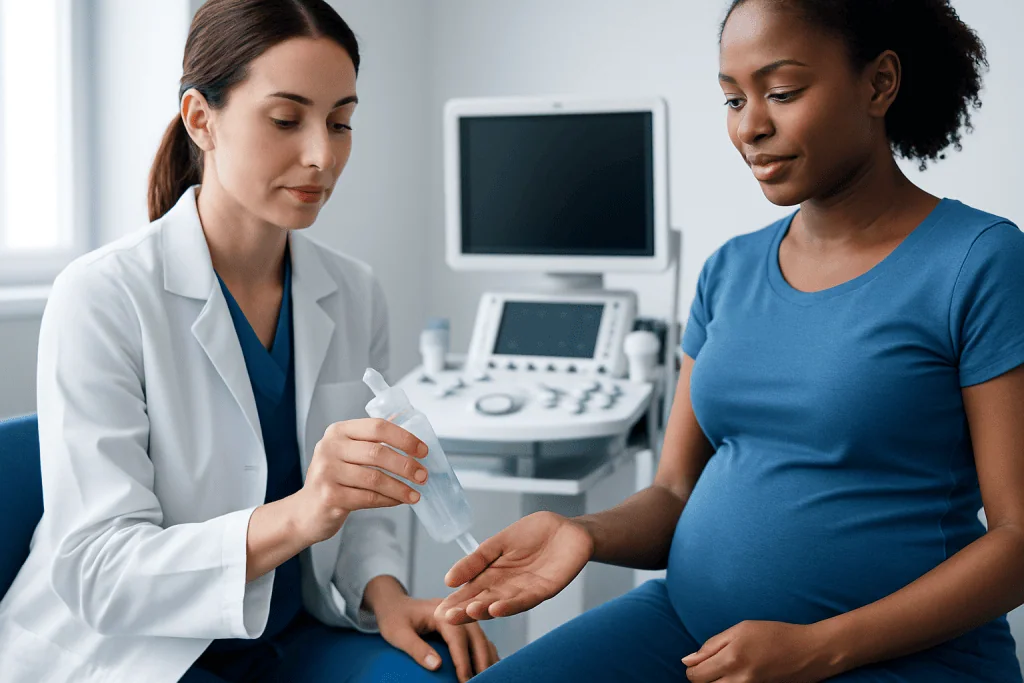
Water-based lubricants are commonly recommended because they are compatible with sensitive genital tissue and easy to clean with water. They do not usually stain fabrics the way some oils can, and they are generally less likely to interfere with condoms, gloves, or certain medical examinations. This makes them a practical option both at home and in clinical settings.
Another reason they are often preferred is predictability. A simple water-based product tends to have fewer ingredients that linger on the skin. Many people find this reassuring during pregnancy, when the vulvar and perineal area can be more sensitive than usual.
That does not mean every water-based product is automatically ideal. Some contain fragrances, dyes, menthol-like additives, warming agents, or preservatives that may sting. Choosing a basic, unscented lubricant labeled for intimate use is usually the safest approach.
- Often easy to spread and rinse away
- Usually less greasy than oil-based alternatives
- Commonly better tolerated on sensitive tissue
- Compatible with latex barriers if needed
What to avoid: common myths and product pitfalls
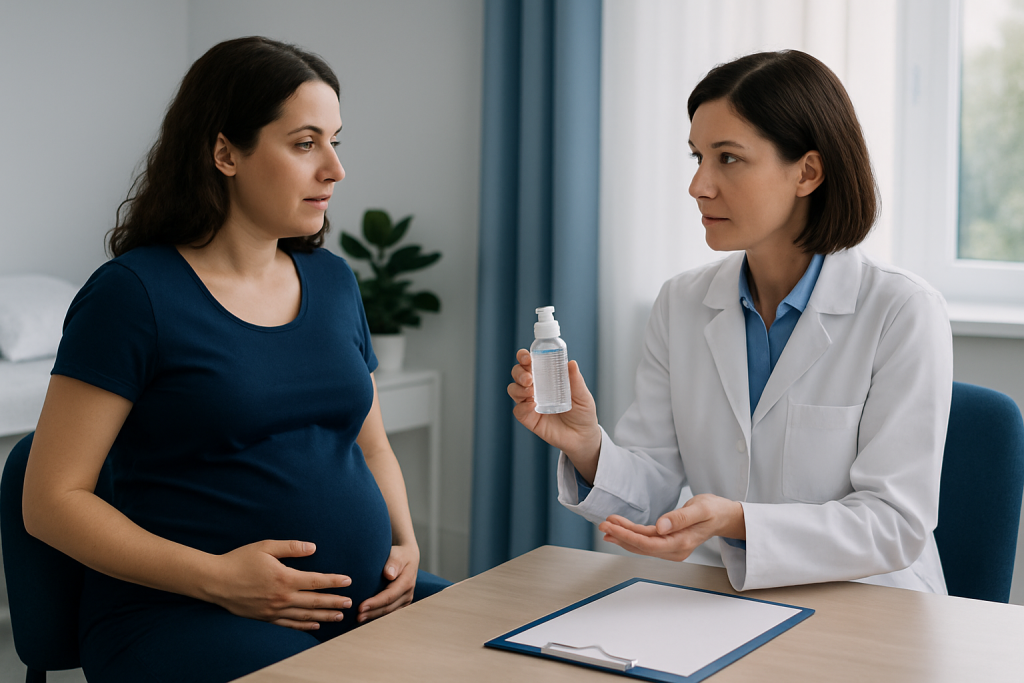
A common myth is that any natural oil is automatically better. Some oils may feel smooth at first, but they can be harder to clean, may trap moisture, and can sometimes irritate sensitive skin. Oil-based products can also weaken latex if gloves or condoms are used. “Natural” does not always mean gentler or safer for the perineal area.
Another misconception is that tingling, warming, or strongly scented products improve results. In reality, these additives can increase the chance of burning or irritation. The goal of perineal massage is gentle stretching of tissue, not stimulation or heat.
Products are usually best avoided if they are fragranced, flavored, heavily perfumed, strongly antiseptic, or designed primarily for cosmetic rather than intimate use. If a person has a history of contact allergy, vulvar irritation, eczema, or recurrent vaginal infections, it is especially important to keep the ingredient list simple and to stop using any product that causes discomfort.
How perineal massage may help in late pregnancy
Perineal massage is most often discussed as a birth-preparation technique in the final weeks of pregnancy. The perineum naturally stretches during vaginal birth, and regular massage may help some people become more familiar with that stretching sensation. This can sometimes reduce fear, encourage relaxation, and support controlled pushing during labor.
Evidence suggests the main potential benefit is a lower chance of significant tearing or the need for an episiotomy in some first vaginal births. The effect appears smaller in people who have already had a vaginal birth, but some may still find the practice useful for comfort and confidence. It should be seen as one part of birth preparation, not a guarantee of a specific delivery outcome.
Perineal massage is not a treatment for pelvic pain, hemorrhoids, or active vulvar disorders. If there is ongoing pain, unusual discharge, or concern about a separate condition, a doctor should assess the cause rather than assuming massage will solve it. In some cases, a broader pelvic or obstetric evaluation may be more appropriate, and related support can include obstetrics and gynecology care.
How to choose and use a lubricant safely
When choosing a water based lubricant for perineal massage, a plain and fragrance-free product is usually the best starting point. Reading the label can help: products marketed for intimate use and comfort are generally more suitable than lotions, massage oils, or products made for external skin only. If a person has very sensitive skin, testing a small amount first may help identify irritation before regular use.
Basic hygiene matters. Hands should be washed well, nails kept short, and the massage should be done in a comfortable position where the pelvic floor can relax. A small amount of lubricant is often enough. The aim is a gentle stretching sensation, not pain. If the tissue feels dry during the massage, a little more lubricant may be added rather than increasing pressure.
Many clinicians suggest starting in the later weeks of pregnancy, often around 34 to 35 weeks, if the pregnancy is uncomplicated and the maternity team agrees. Massage should be stopped if there is bleeding, significant pain, contractions triggered by the activity, new discharge, or any sign of irritation. People with complex pregnancies, placenta-related bleeding, risk of preterm labor, or active infections should ask their obstetric clinician before trying it.
When perineal massage is not appropriate
Perineal massage is not suitable for everyone at all times. It is usually avoided when there is active genital infection, unexplained vaginal bleeding, ruptured membranes unless a clinician advises otherwise, or a medical reason to avoid vaginal insertion. People with severe vulvar pain, open skin lesions, or recent pelvic procedures should seek medical guidance before starting.
It may also not be appropriate in high-risk pregnancies without professional advice. If a person has been told they are at risk of preterm labor or has another complication requiring special precautions, they should follow the plan given by their obstetric team. A clinician can explain whether massage is safe, should be postponed, or should be avoided.
For those who have pelvic floor symptoms outside pregnancy, such as pain, pressure, or healing concerns after birth, a more individualized assessment may help. Depending on the situation, useful support may include pelvic floor rehabilitation or evaluation for conditions such as urinary incontinence when symptoms suggest broader pelvic floor involvement.
When to seek medical care
Medical care should be sought if perineal massage causes persistent burning, stinging, swelling, bleeding, or worsening pain. These symptoms can suggest irritation, infection, allergy, or another condition that needs proper assessment. It is also wise to seek advice if there is unusual vaginal discharge, sores, fever, or a strong odor.
During pregnancy, urgent obstetric advice is needed for symptoms such as regular contractions before term, leaking fluid, vaginal bleeding, reduced fetal movements, or severe pelvic pain. These are not typical effects of routine perineal massage and should not be ignored.
Near the end of pregnancy, some people benefit from a demonstration by a doctor, midwife, or pelvic health specialist if they are unsure about technique. Acibadem International’s multidisciplinary specialists in JCI-accredited hospitals diagnose and treat women’s health concerns for international patients, including pregnancy-related pelvic issues and postpartum recovery support through services such as pregnancy follow-up.
Frequently asked questions
Is a water-based lubricant the best choice for perineal massage?
For many people, yes. A plain water-based lubricant is often preferred because it reduces friction, is easy to wash off, and is usually less likely to irritate sensitive tissue than heavily fragranced or specialty products.
Can perineal massage prevent tearing during childbirth?
It cannot guarantee that tearing will not happen. However, evidence suggests that perineal massage in late pregnancy may reduce the chance of some perineal trauma, especially in a first vaginal birth.
When should perineal massage start in pregnancy?
Many clinicians suggest starting in the last few weeks of pregnancy, often around 34 to 35 weeks, if the pregnancy is uncomplicated. The safest timing can vary, so it is best to confirm with a midwife or obstetric doctor.
What ingredients should be avoided in a lubricant for perineal massage?
Products with fragrance, dyes, warming agents, strong flavors, or irritating additives are usually best avoided. If a product causes burning, stinging, itching, or redness, it should be stopped and discussed with a clinician.
Should perineal massage hurt?
No. A mild stretching sensation can be expected, but pain is a sign to stop, use less pressure, add more lubricant, or seek guidance on technique. Persistent pain should be assessed by a qualified clinician.
Can oil be used instead of a water-based lubricant?
Some people do use oils, but they are not always ideal. Oils can be harder to clean, may irritate some people, and can damage latex barriers, so a simple water-based product is often the more practical option.
References
- World Health Organization
- American College of Obstetricians and Gynecologists
- Royal College of Obstetricians and Gynaecologists
- National Institute for Health and Care Excellence
- Cochrane
This article is for general information only and is not a substitute for professional medical advice. Please consult a qualified doctor about your individual situation.
Explore treatments in Turkey — costs, top hospitals & a free quote
JCI-accredited · board-certified surgeons · reply within 24h
Add us as a Preferred Source to see more of our trusted health content across Google Search, AI Overviews and Discover.