

Open Wounds: A Complete Medical Overview
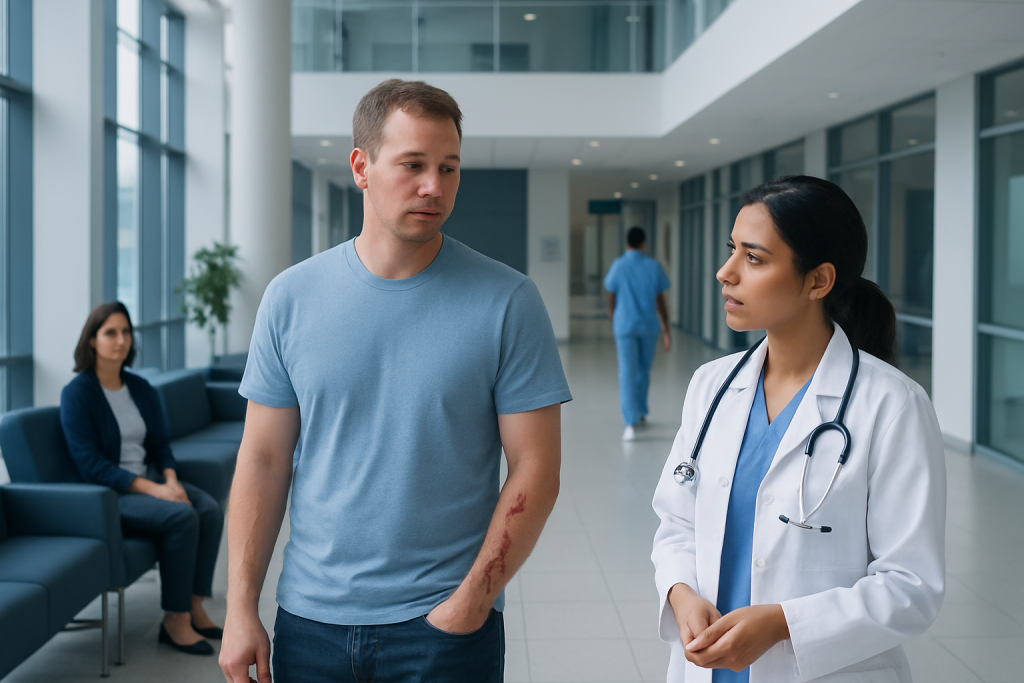
Open wounds include cuts, scrapes, punctures, tears, and avulsions where the skin barrier is broken. Initial care focuses on stopping bleeding, cleaning the wound, protecting it with a dressing, and watching for infection.
Key Takeaways
- Open wounds include cuts, scrapes, punctures, tears, and avulsions where the skin barrier is broken.
- Initial care focuses on stopping bleeding, cleaning the wound, protecting it with a dressing, and watching for infection.
- Medical care is important for deep wounds, animal or human bites, punctures, severe bleeding, or wounds with dirt or foreign material.
- Signs of infection include spreading redness, warmth, swelling, pus, worsening pain, and fever.
- Good nutrition, diabetes control, smoking cessation, and proper dressing changes can support healing.
Open wounds are injuries in which the skin is broken, exposing the tissue underneath. Some can be managed with basic first aid, while deeper, contaminated, or heavily bleeding wounds need prompt medical evaluation to reduce the risk of infection, scarring, and delayed healing.
Overview of Open Wounds
Open wounds are injuries that break the skin and expose the tissue beneath it. They range from minor abrasions to deeper cuts, punctures, and tears. The main concerns are bleeding, contamination, infection, damage to deeper structures, and how well the wound heals over time.
Not every open wound is an emergency, but every open wound needs attention. A small scrape may heal with simple home care, while a deep laceration or contaminated puncture may need professional treatment such as wound cleaning, closure, imaging, or antibiotics. Early care helps protect the wound and lowers the chance of complications.
Open wounds are often described by how they happen. Common types include abrasions from friction, lacerations from sharp or blunt trauma, puncture wounds from narrow objects, avulsions where tissue is partly torn away, and bites from animals or humans. The location of the wound also matters because injuries near joints, tendons, nerves, blood vessels, or the face may need more careful assessment.
Common Symptoms and Types
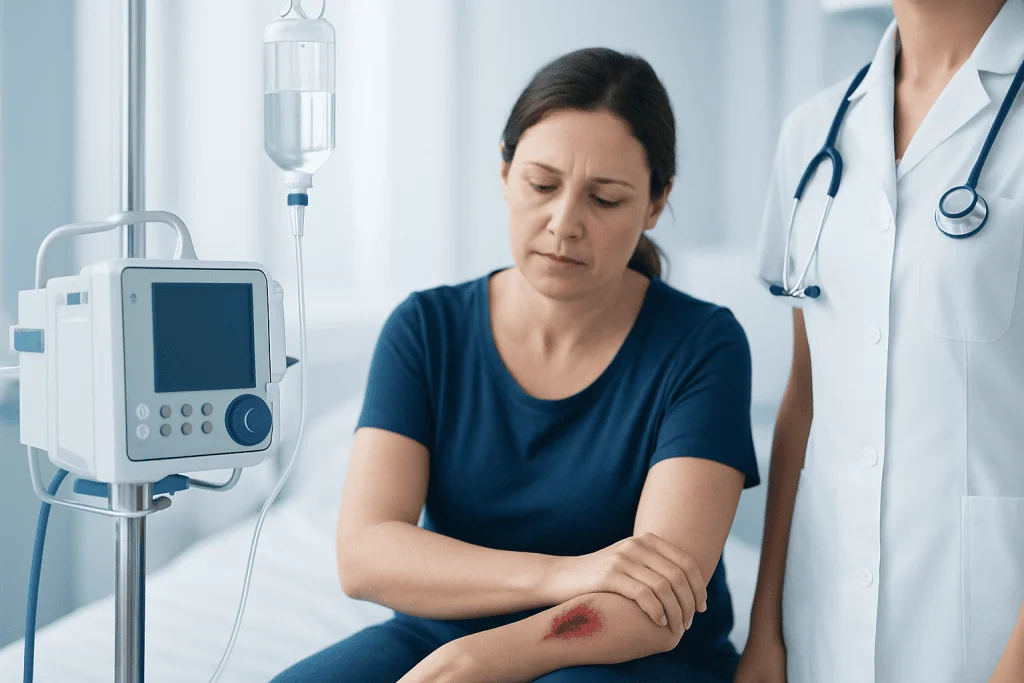
The symptoms of open wounds depend on the injury. Most cause pain, tenderness, bleeding, and visible skin damage. There may also be swelling, bruising, or reduced movement if the wound is near a joint or muscle. Some wounds look small on the surface but may be deeper than expected, especially puncture injuries.
Doctors often group open wounds into several broad types:
- Abrasion: a superficial scrape caused by rubbing against a rough surface.
- Laceration: a cut or tear with edges that may be clean or jagged.
- Puncture: a narrow, deeper wound caused by an object such as a nail, needle, or splinter.
- Avulsion: a wound in which skin or soft tissue is partly or completely torn away.
- Incision: a clean cut, often from a sharp object.
Some symptoms suggest a more serious injury. These include bleeding that does not stop with pressure, numbness, weakness, inability to move a finger or limb normally, visible fat or muscle, exposed bone, or a wound that gapes open. These features can mean damage beyond the skin and should be evaluated by a qualified clinician.
Causes, Risk Factors, and Possible Complications
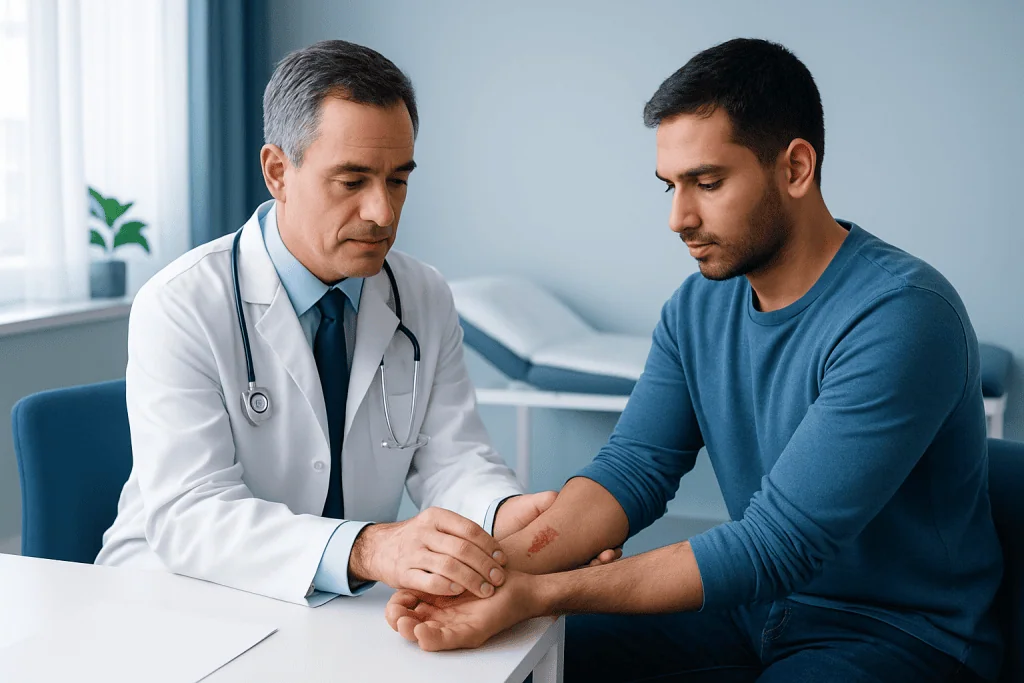
Open wounds can happen in many everyday situations, including falls, sports injuries, household accidents, workplace trauma, road traffic incidents, and contact with sharp or dirty objects. Bites and crush injuries may appear limited on the surface but can carry a higher risk of infection or deeper tissue damage.
Certain factors increase the likelihood of complications or slower healing. These include diabetes, poor circulation, smoking, advanced age, malnutrition, obesity, immune suppression, long-term steroid use, and chronic conditions that affect the skin or blood flow. When wounds occur in people with these risk factors, closer follow-up may be needed.
Complications can include infection, delayed healing, excessive scarring, loss of function, and damage to nearby tendons, nerves, or blood vessels. In some cases, chronic or non-healing wounds may develop, especially in the lower legs or feet. A wound on the foot may be particularly important in someone with diabetic foot problems, because reduced sensation and circulation can allow an injury to worsen without early warning.
Another concern is tetanus risk, especially after dirty puncture wounds or injuries involving soil. Immunization status should be reviewed after some wounds, and a doctor can advise whether a tetanus booster is needed.
How Open Wounds Are Evaluated
Assessment begins with the story of how the injury happened, when it occurred, whether the object was dirty, and how much bleeding there was. A clinician also asks about medical conditions, medications such as blood thinners, allergies, and tetanus vaccination status. These details help guide treatment and identify infection risk.
The wound itself is examined for size, depth, contamination, tissue loss, and whether nearby structures may be injured. Doctors look for signs of foreign material, dead tissue, or spreading infection. They may also check sensation, blood flow, and movement to make sure nerves, tendons, and vessels are working properly.
Some wounds need imaging. X-rays may be used if a foreign body is suspected or if there is concern about bone injury. Ultrasound or other tests may be considered in selected cases. Deep, complex, or poorly healing wounds may require more advanced evaluation through specialized wound care to support healing and prevent complications.
Treatment Options and Wound Care
Treatment depends on the type of wound, how deep it is, how contaminated it is, and which part of the body is affected. The first priorities are controlling bleeding, cleaning the area, reducing contamination, and protecting the wound so healing can begin. Some small wounds can be managed with first aid at home, but larger or deeper injuries may need professional treatment.
Medical treatment may include irrigation with sterile fluid, removal of dirt or damaged tissue, and closure with strips, tissue adhesive, stitches, or staples when appropriate. Not every wound should be closed immediately; some contaminated wounds are left open or partially open for safer healing. If there is major tissue loss or a complex injury, reconstructive care may sometimes be considered, including plastic and reconstructive surgery for selected cases.
Antibiotics are not needed for every open wound, but they may be recommended when infection risk is higher, such as with bites, heavily contaminated wounds, or some deep punctures. Pain relief, tetanus prevention, and advice on dressing changes are also part of treatment. If infection develops, treatment may include cleaning, drainage, and medicines chosen by a doctor.
Ongoing care matters as much as the initial treatment. A wound should usually be kept clean and covered with an appropriate dressing. Moist wound healing, rather than letting the wound dry out completely, often supports better repair of the skin. If the wound is related to an underlying circulation problem or skin condition, the doctor may also evaluate for varicose veins or other causes that can affect healing.
Prevention and Self-Care at Home
Basic self-care starts with hand washing, then applying firm gentle pressure with a clean cloth or bandage to stop bleeding. Once bleeding is controlled, the wound can be rinsed with clean running water. Visible dirt around the wound may be gently cleaned away, but deeply embedded material should not be aggressively removed at home.
After cleaning, a thin protective dressing can help keep the wound clean and reduce irritation. Dressings should be changed as advised or whenever they become wet or dirty. It is generally best to avoid using harsh chemicals directly in the wound unless specifically recommended by a healthcare professional, because they may irritate tissue and slow healing.
People can support healing by resting the injured area, protecting it from repeated friction, drinking enough fluids, and eating a balanced diet with adequate protein. Good control of diabetes and avoiding smoking are especially important. If a wound is on the lower limb and swelling is present, elevation may help reduce discomfort and fluid buildup.
Prevention includes using protective footwear and gloves when needed, storing sharp tools safely, keeping vaccinations current, and promptly cleaning minor injuries. Individuals with reduced sensation, poor circulation, or a history of chronic wounds should check their skin regularly and seek advice early if a new wound appears.
When to Seek Medical Care
Medical care is recommended if bleeding does not stop after several minutes of steady pressure, if the wound is deep or widely open, or if fat, muscle, tendon, or bone is visible. Professional evaluation is also important for wounds caused by animal or human bites, dirty or rusty objects, broken glass, or punctures to the hand or foot.
A person should also seek care if there is severe pain, numbness, weakness, loss of movement, or concern that a foreign body remains inside the wound. Children, older adults, and people with diabetes, immune suppression, or poor circulation may need earlier assessment even for wounds that seem minor at first.
Warning signs of infection include increasing redness, warmth, swelling, pus, bad odor, worsening pain, red streaks, or fever. Wounds that are not improving after several days, or that repeatedly reopen, also deserve medical review. Depending on the injury, a doctor may involve emergency care, surgery, or general surgery for safe treatment.
For patients who need specialist evaluation, Acibadem International’s multidisciplinary teams in JCI-accredited hospitals diagnose and treat open wounds and related complications for international patients.
Frequently asked questions
What is considered an open wound?
An open wound is any injury that breaks the skin and exposes the tissue underneath. Common examples include scrapes, cuts, punctures, and tears. Because the skin barrier is damaged, there is a risk of bleeding and infection.
How should an open wound be cleaned at home?
The area should first be handled with clean hands, and bleeding should be controlled with gentle pressure. The wound can then be rinsed with clean running water, and the surrounding skin can be gently cleaned. A clean dressing should be applied afterward, and medical help should be sought if the wound is deep, dirty, or still bleeding.
Do all open wounds need stitches?
No. Small, superficial wounds may heal without stitches if the edges are close together and bleeding is controlled. Stitches or other closure methods are more often used for deeper or gaping wounds, or when closure may improve healing and reduce scarring.
What are the signs that an open wound is infected?
Possible signs of infection include spreading redness, warmth, swelling, pus, unpleasant odor, and worsening pain. Fever or red streaks extending from the wound are also concerning. A doctor should assess these symptoms promptly.
How long do open wounds take to heal?
Healing time depends on the size, depth, location, and cleanliness of the wound, as well as the person's general health. Minor abrasions may improve within days, while deeper or more complex wounds can take weeks or longer. Conditions such as diabetes or poor circulation may slow healing.
When is a tetanus shot needed after a wound?
A tetanus booster may be needed after certain wounds, especially dirty punctures or injuries contaminated with soil. The decision depends on the type of wound and when the last tetanus vaccination was given. A healthcare professional can advise based on the person's immunization history.
References
- World Health Organization
- Centers for Disease Control and Prevention
- American Academy of Dermatology
- National Health Service
- Mayo Clinic
This article is for general information only and is not a substitute for professional medical advice. Please consult a qualified doctor about your individual situation.
Explore treatments in Turkey — costs, top hospitals & a free quote
JCI-accredited · board-certified surgeons · reply within 24h
Add us as a Preferred Source to see more of our trusted health content across Google Search, AI Overviews and Discover.

More from the Health Library


Related Specialists
Cüneyt Karoğlu
Physical Medicine & Rehabilitation
Prof. Dr. Deniz Konya (m)
Neurosurgery
Prof. Dr. Nezihe Seden Küçücük
Radiation Oncology
Prof. Dr. Baykal Tülek
Pulmonary Medicine