Nocturnal Panic Attacks: An Evidence-Based Guide for Patients
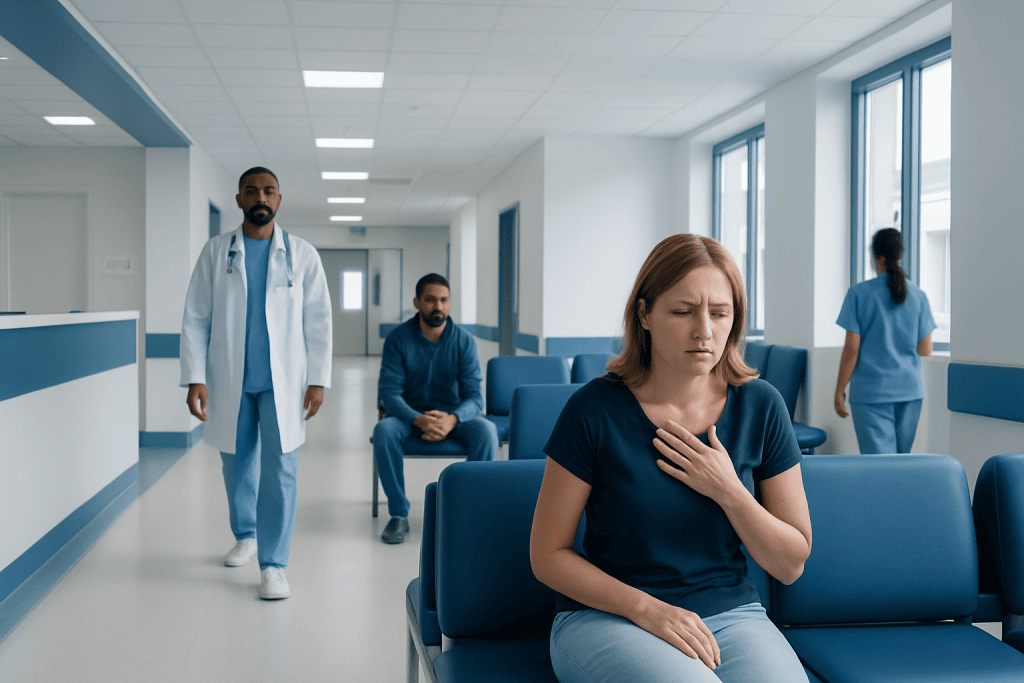
Nocturnal panic attacks wake a person from sleep with abrupt fear and physical symptoms, often without an obvious trigger. They are different from nightmares and can occur in people with or without daytime panic attacks.
Key Takeaways
- Nocturnal panic attacks wake a person from sleep with abrupt fear and physical symptoms, often without an obvious trigger.
- They are different from nightmares and can occur in people with or without daytime panic attacks.
- A doctor may recommend evaluation to rule out sleep disorders, heart, breathing, thyroid, or medication-related causes.
- Treatment often includes education, cognitive behavioral therapy, stress management, and sometimes medication.
- Urgent medical care is important for chest pain, fainting, severe breathing trouble, or symptoms that could suggest another emergency.
Nocturnal panic attacks are sudden episodes of intense fear that wake a person from sleep, usually with physical symptoms such as a pounding heart, shortness of breath, shaking, or sweating. They can feel frightening, but they are treatable, and a medical assessment can help confirm the cause and rule out other sleep or health conditions.
What Are Nocturnal Panic Attacks?
Nocturnal panic attacks are panic attacks that begin during sleep and wake a person suddenly. They often cause a rapid heartbeat, chest tightness, sweating, trembling, dizziness, or a sense of choking, along with intense fear or a feeling that something is terribly wrong. Even though the experience feels very real and alarming, the episode is not caused by an external threat in the moment.
These attacks are not the same as a bad dream. A nightmare usually occurs during dreaming sleep and is remembered as a story or image. In contrast, nocturnal panic attacks often wake a person abruptly with strong body sensations and fear, but without a clear dream narrative causing the event.
Some people who have nocturnal panic attacks also have daytime panic attacks, while others notice attacks only at night. Nighttime episodes may become part of a wider pattern of panic disorder or may happen alongside stress, poor sleep, other anxiety symptoms, or certain medical conditions. Because symptoms can overlap with other problems, it is reasonable to discuss them with a qualified doctor.
How They Feel and Common Symptoms
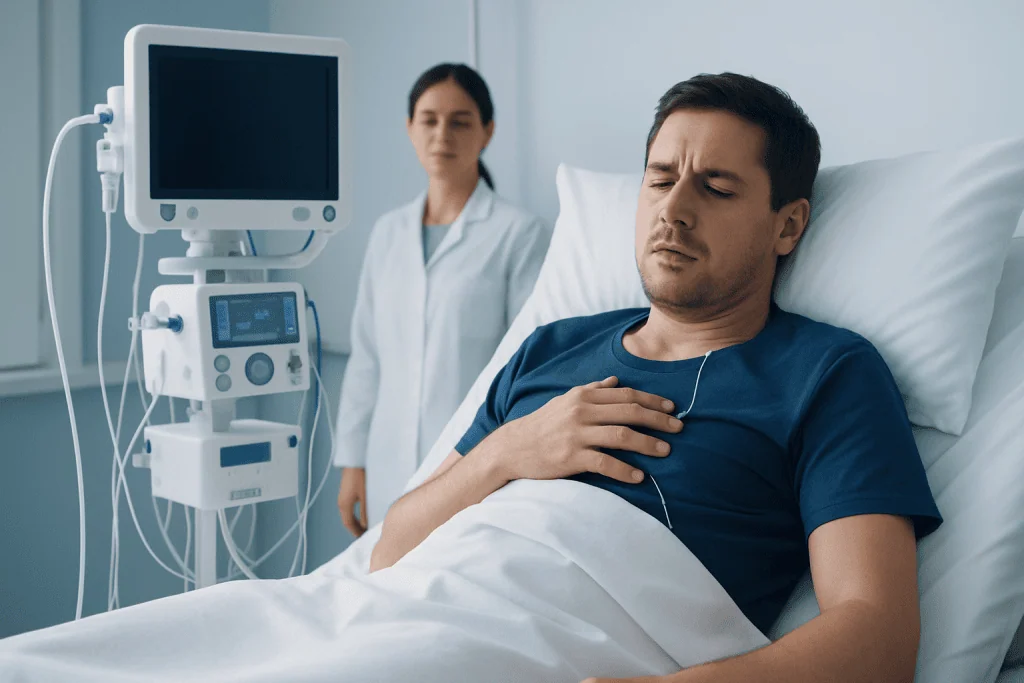
A nocturnal panic attack usually starts suddenly. A person may wake from sleep with a racing heart, rapid breathing, chest discomfort, sweating, shakiness, nausea, tingling, dizziness, or chills. Many also describe a strong sense of dread, fear of losing control, or fear that they are having a medical emergency.
The symptoms tend to peak within minutes, although the aftereffects can last longer. Once awake, a person may feel unsettled, tired, and afraid of going back to sleep. Repeated episodes can lead to “sleep anxiety,” where the person becomes worried about another attack happening at bedtime or overnight.
Common symptoms can include:
- Sudden awakening with intense fear
- Pounding or rapid heartbeat
- Shortness of breath or a choking sensation
- Chest tightness or discomfort
- Sweating, shaking, or trembling
- Dizziness, tingling, or feeling unreal
- Nausea or stomach discomfort
- Fear of dying, fainting, or losing control
Because these symptoms can resemble heart, lung, or sleep-related conditions, self-diagnosis is not always reliable. A clinical evaluation is especially important if episodes are new, worsening, or associated with concerning symptoms such as fainting or prolonged chest pain.
Why They Happen: Causes and Risk Factors

The exact cause of nocturnal panic attacks is not fully understood, but they are thought to involve the body’s alarm system becoming activated during sleep. This may be linked to heightened sensitivity to normal body sensations, stress responses, and patterns seen in anxiety disorders. A personal or family history of anxiety, panic attacks, or depression can increase the likelihood.
Triggers are not always obvious. Emotional stress, major life changes, lack of sleep, caffeine, alcohol, nicotine, and stimulant substances may make attacks more likely in some people. Certain medications or withdrawal from medications or substances can also contribute. In addition, people who are generally more alert to physical sensations such as heartbeat changes or breathing shifts may be more vulnerable.
Doctors also consider medical and sleep-related conditions that can mimic or worsen nighttime panic. These may include thyroid disorders, heart rhythm problems, asthma, gastroesophageal reflux, obstructive sleep apnea, and other causes of nighttime awakening. Distinguishing between panic and another condition is an important part of safe care.
How Doctors Evaluate Nocturnal Panic Attacks
Diagnosis begins with a careful history. A doctor will ask what happens before, during, and after the episode; how often it occurs; whether there are daytime panic attacks; and whether there are symptoms of depression, trauma, or generalized anxiety. Questions about sleep habits, snoring, witnessed breathing pauses, alcohol, caffeine, and medications are also useful.
A physical examination may help identify clues to another medical cause. Depending on symptoms and medical history, a clinician may consider tests to assess heart rhythm, thyroid function, breathing disorders, or other conditions. If symptoms point to a sleep-related problem, a formal sleep study may be recommended.
The goal of assessment is not only to name the problem but also to rule out conditions that need different treatment. In some cases, specialists in mental health, sleep medicine, cardiology, or respiratory care may work together. This can be particularly helpful when attacks are frequent, the diagnosis is unclear, or sleep quality is severely affected.
Treatment Options That Can Help
Treatment depends on the pattern of symptoms and whether there is an underlying disorder such as panic disorder, another anxiety condition, or a sleep problem. For many people, the first step is learning what a panic attack is and understanding that the episode, although distressing, will pass. Education alone can reduce fear of the symptoms and break part of the cycle that keeps attacks going.
Psychological treatment is often very effective. Cognitive behavioral therapy can help a person understand panic symptoms, identify unhelpful thought patterns, reduce fear of body sensations, and build practical coping skills. Relaxation exercises, paced breathing, and strategies to reduce anticipatory worry around bedtime may also be included.
Medication may be considered when attacks are frequent, severe, or part of a broader anxiety disorder. A doctor will decide whether medication is appropriate based on overall health, symptoms, and personal preferences. If another condition is contributing, treatment may focus there as well, such as addressing sleep apnea treatment when breathing disruptions during sleep are present.
For international patients with complex symptoms, Acibadem International’s multidisciplinary specialists in JCI-accredited hospitals can evaluate nocturnal panic attacks and related sleep or anxiety concerns and coordinate care when needed.
What Patients Can Do at Home
Self-care cannot replace medical assessment when symptoms are new or severe, but it can support recovery. Good sleep habits often help reduce overall arousal in the body. Keeping a regular sleep schedule, creating a quiet sleep environment, and limiting stimulating activities close to bedtime may lower the chance of nighttime awakenings.
It can also help to reduce common aggravating factors. Many people benefit from limiting caffeine later in the day, avoiding heavy alcohol use, and stopping nicotine if possible. Daytime movement, regular meals, and stress-reduction practices such as mindfulness or gentle breathing exercises may improve both sleep and anxiety symptoms.
When an episode occurs, some people find it useful to focus on slow, steady breaths rather than trying to force breathing deeply. Reminding oneself that the sensation is temporary and letting the wave of symptoms pass can be calming. Keeping a symptom diary may also help identify patterns, triggers, and questions to discuss with a doctor.
When to Seek Medical Care
Medical care is appropriate if a person is waking repeatedly with panic-like symptoms, especially if the episodes are affecting sleep, work, or daily life. A doctor can help confirm whether nocturnal panic attacks are the likely cause and decide whether more testing is needed. Early evaluation can also reduce uncertainty, which itself may worsen nighttime anxiety.
Urgent assessment is important if symptoms include severe or persistent chest pain, fainting, blue lips, new confusion, severe shortness of breath, weakness on one side, or symptoms that do not improve as expected. These features may point to something other than a panic attack and should not be ignored.
People should also seek help if they avoid sleep because of fear, use alcohol or sedatives to cope, or have symptoms of depression, trauma, or thoughts of self-harm. In these situations, prompt professional support is important and can lead to effective treatment.
Frequently asked questions
Are nocturnal panic attacks dangerous?
Nocturnal panic attacks themselves are not usually physically dangerous, but they can feel very intense and frightening. Because symptoms can resemble heart, breathing, or sleep-related problems, a medical evaluation is important when episodes are new, unusual, or severe.
What is the difference between a nightmare and a nocturnal panic attack?
A nightmare is a disturbing dream, often with a story or images that the person may remember after waking. A nocturnal panic attack usually involves waking suddenly with intense fear and body symptoms such as a racing heart or breathlessness, often without a clear dream causing it.
Can nocturnal panic attacks happen without daytime panic attacks?
Yes. Some people experience panic attacks only at night, while others have both nighttime and daytime episodes. A doctor can help determine whether this fits panic disorder or whether another sleep or medical condition should be considered.
How long do nocturnal panic attacks last?
The most intense part often peaks within several minutes, but the person may feel unsettled for longer afterward. Trouble returning to sleep and fear of another episode can continue into the rest of the night.
What can trigger nocturnal panic attacks?
Possible contributors include stress, sleep deprivation, caffeine, alcohol, nicotine, some medications, and underlying anxiety disorders. Sometimes no clear trigger is found, which is one reason a careful medical history is useful.
Can sleep apnea cause symptoms similar to nocturnal panic attacks?
Yes. Sleep apnea can cause abrupt awakenings with gasping, choking, or a pounding heart, which may feel similar to panic. Snoring, witnessed pauses in breathing, daytime sleepiness, or morning headaches can make sleep apnea more likely and should be discussed with a doctor.
References
- National Institute of Mental Health
- American Psychiatric Association
- National Heart, Lung, and Blood Institute
- American Academy of Sleep Medicine
- Mayo Clinic
This article is for general information only and is not a substitute for professional medical advice. Please consult a qualified doctor about your individual situation.
Panic Attack in Turkey — costs, top hospitals & a free quote
JCI-accredited · board-certified surgeons · reply within 24h
Add us as a Preferred Source to see more of our trusted health content across Google Search, AI Overviews and Discover.