Salpingitis: Symptoms, Causes, and Treatment Options

Salpingitis usually develops from a bacterial infection affecting the fallopian tubes. Common symptoms include lower abdominal or pelvic pain, fever, abnormal vaginal discharge, and pain during sex.
Key Takeaways
- Salpingitis usually develops from a bacterial infection affecting the fallopian tubes.
- Common symptoms include lower abdominal or pelvic pain, fever, abnormal vaginal discharge, and pain during sex.
- Prompt treatment with antibiotics helps reduce the risk of complications such as chronic pelvic pain, ectopic pregnancy, and infertility.
- Diagnosis often involves a pelvic exam, laboratory tests, and imaging such as ultrasound.
- Safer sex practices, STI testing, and early treatment of reproductive tract infections can help lower risk.
Salpingitis is inflammation of one or both fallopian tubes, most often caused by an infection that travels upward from the vagina or cervix. It can lead to pelvic pain, fever, unusual discharge, and fertility complications if not treated promptly, but early diagnosis and treatment are usually effective.
Overview: what salpingitis is
Salpingitis is inflammation of the fallopian tubes, the narrow tubes that connect the ovaries to the uterus. In most cases, it happens because bacteria move upward from the lower genital tract and infect the tubes. The condition may affect one tube or both, and it can range from mild irritation to a more serious pelvic infection.
Salpingitis is often discussed as part of pelvic inflammatory disease, or PID. PID is a broader term for infection of the female reproductive organs, while salpingitis specifically refers to the fallopian tubes. Because the tubes play an important role in fertility, timely care matters even when symptoms seem mild.
Some people develop sudden, noticeable symptoms, while others have subtle discomfort or no clear symptoms at first. This can make the condition easy to miss. A patient-friendly understanding is that salpingitis is treatable, but early assessment helps protect long-term reproductive health.
Symptoms and how it may feel
Symptoms of salpingitis can vary from person to person. The most common complaint is pain in the lower abdomen or pelvis. This pain may be steady or cramp-like, and it can affect one side or both sides. Some people also notice pain during sexual intercourse or discomfort during urination.
Other symptoms may include unusual vaginal discharge, spotting between periods, heavier menstrual bleeding, fever, nausea, or a general feeling of being unwell. In some cases, the symptoms are more intense during menstruation. If the infection is more severe, there may be marked pelvic tenderness and worsening pain with movement.
It is important to remember that mild symptoms do not always mean a mild infection. Some infections can quietly affect the fallopian tubes over time. For that reason, ongoing pelvic pain, recurrent discharge, or fever should not be ignored.
- Lower abdominal or pelvic pain
- Abnormal vaginal discharge
- Fever or chills
- Pain during sex
- Pain or burning during urination
- Irregular bleeding or spotting
Causes and risk factors
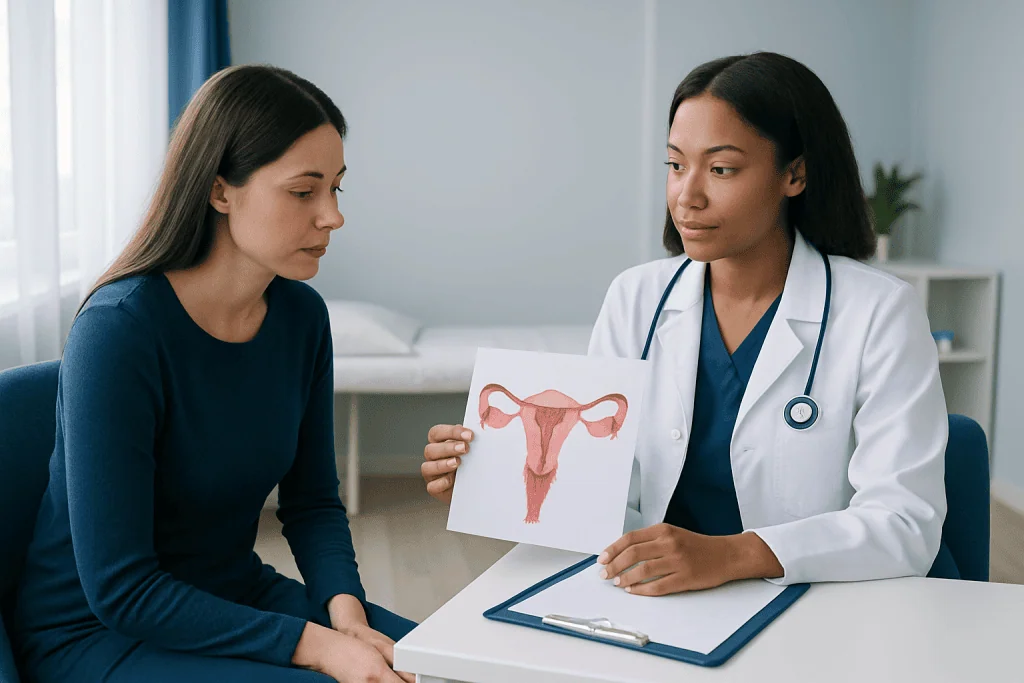
The most common cause of salpingitis is a bacterial infection. Sexually transmitted infections such as chlamydia and gonorrhea are well-known triggers, but other bacteria that normally live in the vagina can also contribute. The infection usually starts in the cervix or uterus and then travels upward into the fallopian tubes.
Several factors can raise the risk. These include unprotected sex, multiple sexual partners, a previous sexually transmitted infection, or a prior episode of PID. Recent gynecologic procedures, childbirth, miscarriage, or abortion may also increase risk in some situations because they can make it easier for bacteria to enter the upper reproductive tract.
Not everyone with salpingitis has a clear risk factor, and having a risk factor does not mean a person will definitely develop it. Still, understanding these patterns can help support prevention and earlier care. In some patients, an underlying reproductive condition may also need evaluation, especially if pelvic pain is persistent or fertility is affected.
Why early treatment matters
The main concern with salpingitis is not only the infection itself but also the inflammation it causes. The fallopian tubes are delicate structures. When they become inflamed, scar tissue may form. This scarring can partly block the tubes or affect how an egg moves through them.
Complications can include chronic pelvic pain, infertility, and a higher risk of ectopic pregnancy, where a fertilized egg implants outside the uterus. In more serious cases, the infection can form an abscess or spread more widely in the pelvis. These outcomes are not inevitable, but they are the reason doctors encourage prompt treatment.
Early treatment improves the chance of clearing the infection before lasting damage develops. Follow-up is also important because symptoms may improve before the infection has fully resolved. If fertility concerns are present, a gynecologist may recommend further testing after treatment.
How salpingitis is diagnosed
Diagnosis begins with a medical history and physical examination. A doctor will ask about symptoms, menstrual history, sexual history, past infections, and pregnancy risk. During a pelvic exam, they may look for cervical discharge, tenderness of the uterus or ovaries, and pain when the cervix is moved.
Laboratory tests often help identify infection. These may include vaginal or cervical swabs for sexually transmitted infections, urine testing, and sometimes blood tests to look for signs of inflammation. A pregnancy test is also commonly done because ectopic pregnancy can cause similar symptoms and needs urgent attention.
Imaging may be used when the diagnosis is uncertain, symptoms are severe, or a complication is suspected. A pelvic ultrasound can help assess the ovaries, uterus, and surrounding structures. In selected cases, doctors may use more advanced imaging or minimally invasive evaluation if an abscess, tube damage, or another pelvic condition is possible. If fertility is a concern later on, a specialist may discuss tests that assess whether the fallopian tubes remain open.
Treatment options
Salpingitis is usually treated with antibiotics. Because the infection may involve more than one type of bacteria, treatment often uses antibiotic combinations chosen by a doctor. It is important to complete the full course exactly as prescribed, even if symptoms begin to improve quickly.
Some patients can be treated at home, while others may need hospital care. Hospital treatment is more likely if symptoms are severe, there is high fever, vomiting, pregnancy, concern for an abscess, or uncertainty about the diagnosis. In these situations, intravenous antibiotics and closer monitoring may be needed. Supportive care, including rest, fluids, and pain relief recommended by a clinician, may also help recovery.
If a sexually transmitted infection is involved, sexual partners may also need testing and treatment to reduce the chance of reinfection. Doctors often advise avoiding sexual activity until treatment is completed and symptoms have resolved. When salpingitis leads to complications such as blocked tubes, abscesses, or persistent pelvic disease, specialist procedures may be considered, including laparoscopy for diagnosis or treatment. Depending on the broader pelvic findings, care may also overlap with gynecology care and, when future conception is affected, fertility treatment options such as IVF.
Prevention and self-care during recovery
Prevention focuses on reducing the chance of reproductive tract infections and treating them early. Using condoms consistently, having regular STI testing when appropriate, and seeking care for unusual discharge, bleeding, or pelvic pain can all help lower risk. People with a history of PID or prior salpingitis may benefit from closer follow-up with a gynecologist.
During recovery, it helps to rest, stay hydrated, and follow the treatment plan carefully. It is also important to attend any follow-up appointments, especially if symptoms do not improve within a few days or return after treatment. A doctor may repeat tests or reassess for complications if recovery is slower than expected.
Self-care should not replace medical treatment. Home remedies alone cannot clear a bacterial infection in the fallopian tubes. However, paying attention to symptoms, avoiding sexual activity until a clinician says it is safe, and communicating openly with partners and healthcare professionals can support a smoother recovery.
When to seek medical care
Medical care is recommended for pelvic or lower abdominal pain that is new, persistent, or accompanied by unusual discharge, fever, pain during sex, or irregular bleeding. These symptoms can have several causes, but some require prompt treatment to prevent complications. It is safest not to wait for symptoms to become severe.
Urgent assessment is especially important if there is severe pain, fainting, vomiting, high fever, suspected pregnancy, or heavy bleeding. These features can suggest a more serious infection or another urgent condition such as ectopic pregnancy. A clinician can decide whether emergency care, imaging, or hospital treatment is needed.
Near the end of the care pathway, some patients may also need support for fertility questions or persistent pain after an infection has cleared. Acibadem International’s multidisciplinary specialists in JCI-accredited hospitals diagnose and treat salpingitis and related reproductive conditions for international patients, with individualized evaluation when ongoing symptoms or complications require further care.
Frequently asked questions
Is salpingitis the same as pelvic inflammatory disease?
Not exactly. Salpingitis means inflammation of the fallopian tubes, while pelvic inflammatory disease is a broader term for infection affecting the upper female reproductive organs. Salpingitis is often one part of PID.
Can salpingitis go away on its own?
Because salpingitis is usually caused by a bacterial infection, it should be assessed and treated by a doctor rather than left to improve on its own. Delayed treatment can increase the risk of scarring and fertility problems. Medical treatment is the safest approach.
Can salpingitis affect fertility?
Yes, it can. Inflammation may scar or block the fallopian tubes, making it harder for an egg and sperm to meet. Early treatment helps reduce this risk, but some patients may need later fertility evaluation if pregnancy does not occur.
How quickly do symptoms improve with treatment?
Many people start to feel better within a few days after starting antibiotics, but the full course should still be completed. Improvement time varies depending on how severe the infection is and whether there are complications. Follow-up is important if symptoms persist or return.
Is salpingitis always caused by a sexually transmitted infection?
No. Chlamydia and gonorrhea are important causes, but other bacteria can also lead to salpingitis. Some cases occur after gynecologic procedures, childbirth, miscarriage, or when normal vaginal bacteria move upward into the reproductive tract.
What tests are usually done for salpingitis?
Doctors commonly use a pelvic exam, vaginal or cervical swabs, urine testing, blood tests, and a pregnancy test. A pelvic ultrasound may be added if symptoms are significant or the diagnosis is uncertain. The exact tests depend on the person’s symptoms and clinical history.
References
- World Health Organization
- Centers for Disease Control and Prevention
- American College of Obstetricians and Gynecologists
- National Institute for Health and Care Excellence
- Merck Manual Professional Edition
This article is for general information only and is not a substitute for professional medical advice. Please consult a qualified doctor about your individual situation.
IVF & fertility treatment in Turkey — success rates and costs
JCI-accredited · board-certified surgeons · reply within 24h
Add us as a Preferred Source to see more of our trusted health content across Google Search, AI Overviews and Discover.