Scrotox: A Complete Medical Overview

Scrotox refers to botulinum toxin injections placed in the scrotal skin or superficial tissue. People usually seek scrotox for appearance, comfort, or sweating concerns rather than for a medically necessary reason.
Key Takeaways
- Scrotox refers to botulinum toxin injections placed in the scrotal skin or superficial tissue.
- People usually seek scrotox for appearance, comfort, or sweating concerns rather than for a medically necessary reason.
- Results are temporary, and repeat treatments may be needed to maintain the effect.
- A medical assessment is important to rule out underlying problems such as pain disorders, masses, infection, or fertility-related concerns.
- Possible side effects include bruising, swelling, discomfort, asymmetry, and dissatisfaction with the result.
- Anyone considering scrotox should choose a qualified clinician familiar with male genital anatomy and safety.
Scrotox is the informal name for botulinum toxin injections into the scrotal area, usually sought for cosmetic appearance, reduced sweating, or a more relaxed feeling in the scrotum. It is not a standard medical treatment for most scrotal conditions, so a careful evaluation is important to understand potential benefits, limits, and risks.
What is scrotox?
Scrotox is a non-medical term used to describe botulinum toxin injections in the scrotal area. In most cases, the goal is to relax the thin muscles and skin of the scrotum so it appears less tight or wrinkled, hangs lower, or feels more comfortable. Some people also ask about it for sweating or friction in the area.
Botulinum toxin is a purified neurotoxin that temporarily reduces muscle activity and can also affect certain signals involved in sweating. It has many established medical and cosmetic uses in other parts of the body, but scrotox is more specialized and is not considered a routine treatment for most scrotal concerns.
This means the decision should start with a medical discussion, not just a cosmetic one. Symptoms such as pain, a new lump, swelling, skin changes, or fertility concerns may point to another condition that needs proper diagnosis before any elective procedure is considered.
Why people consider scrotox
People seek scrotox for several reasons, and these reasons are often a mix of comfort and appearance. Some want a smoother, more relaxed look to the scrotal skin. Others hope for less tightness during exercise, hot weather, or sexual activity, or they may feel bothered by sweating and friction.
Expectations vary widely. For some, the goal is subtle cosmetic change. For others, the aim is practical comfort in daily life, such as less chafing against clothing. Because the scrotum naturally changes position and texture with temperature, stress, and physical activity, outcomes may feel different from day to day even after treatment.
It is also important to separate cosmetic goals from medical symptoms. Ongoing scrotal pain, heaviness, visible enlarged veins, recurrent swelling, or a persistent skin problem should not be assumed to be solved with scrotox. In those situations, evaluation for conditions such as varicocele or other urologic issues may be more appropriate.
How the procedure works and what to expect

During scrotox, a clinician injects small amounts of botulinum toxin into selected areas of the scrotal skin or superficial tissue. The exact technique varies by practitioner and by the reason for treatment. The area may be cleaned first, and some clinics use a numbing method to improve comfort.
The procedure is usually performed in an outpatient setting and typically does not require general anesthesia. Mild pinching, pressure, or brief discomfort can occur during injections. Afterward, there may be temporary redness, tenderness, or slight swelling at the injection sites.
Effects are not immediate. In general, botulinum toxin starts working over several days, with fuller effects appearing within about one to two weeks. Results are temporary, and many people find that the effect gradually fades over a period of months. Because the duration can vary, no clinician can guarantee exactly how long a result will last.
Anyone interested in genital-area aesthetic procedures should understand that treatment plans differ from person to person. In some settings, the conversation may overlap with other options used in plastic surgery or skin-focused care, but the choice depends on anatomy, goals, and medical suitability.
Benefits, limitations, and possible risks
The main potential benefit of scrotox is temporary relaxation of the scrotal area. Depending on the person, this may create a smoother appearance, a lower-hanging scrotum, or reduced sweating and friction. Some people report improved comfort in warm conditions or tight clothing.
However, the limitations are just as important. Scrotox does not treat every cause of discomfort, and it does not correct structural problems such as hernia, hydrocele, significant varicocele, testicular masses, or chronic pelvic pain disorders. Cosmetic satisfaction is subjective, so even technically successful treatment may not match a person’s expectations.
Potential side effects include bruising, swelling, redness, tenderness, temporary asymmetry, and dissatisfaction with the cosmetic result. As with any injection, there is a small risk of infection or bleeding. In rare situations, toxin effects may spread beyond the intended area, which is one reason why treatment should be performed only by a qualified professional.
There are also unanswered questions for some patients, especially those with fertility concerns, prior scrotal surgery, chronic pain syndromes, or complex urologic disease. A doctor may advise against elective injections until these issues are fully assessed.
Who may not be a good candidate
Scrotox is not suitable for everyone. A person may need to postpone or avoid treatment if they have an active skin infection, a genital rash of unclear cause, unexplained scrotal pain, a new lump, significant swelling, or a known allergy to components of the injection product. People with certain neuromuscular conditions may also be advised not to have botulinum toxin injections.
Medication history matters as well. Blood thinners, bleeding disorders, and some other medicines may increase bruising or procedural risk. A full discussion of medical conditions, allergies, previous procedures, and treatment goals helps the clinician judge whether the procedure is reasonable and safe.
Men who are mainly seeking relief from pain, heaviness, or fertility-related concerns may need a urologic workup instead of or before any cosmetic procedure. Depending on symptoms, the doctor may consider imaging, a physical exam, or management options used in urology practice. This is especially important if there is concern about a structural issue rather than a cosmetic one.
How doctors evaluate scrotal symptoms first
A careful medical evaluation helps distinguish elective cosmetic concerns from conditions that need treatment. The assessment usually begins with questions about when symptoms started, whether there is pain or swelling, whether symptoms change with standing or exercise, and whether there are urinary, sexual, or fertility concerns. A physical examination often provides valuable clues.
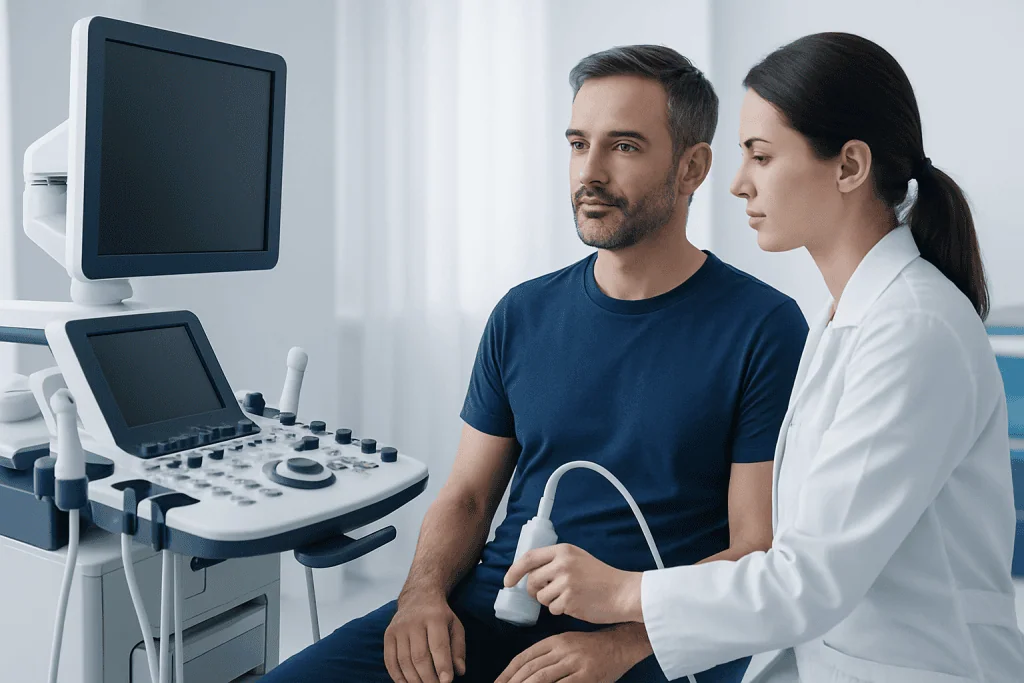
In many cases, the next step is not a procedure but diagnosis. Scrotal ultrasound is commonly used to examine the testicles, blood flow, fluid collections, or enlarged veins. This can help identify problems such as cysts, hydrocele, inflammation, or vascular changes. If pain is prominent, the doctor may also ask about pelvic floor symptoms or referred pain from the groin or lower abdomen.
People sometimes use the term scrotox when they are really looking for a solution to persistent discomfort. If an underlying cause is found, treatment should target that problem rather than only changing appearance. For example, a patient with a true urologic disorder may need follow-up for testicular cancer warning signs to be excluded, even though most scrotal symptoms are not cancer.
Self-care, decision-making, and when to seek medical care
Before considering scrotox, it may help to address common comfort triggers. Breathable underwear, moisture-wicking fabrics, careful hygiene, weight management if appropriate, and treatment of rashes or fungal irritation can sometimes improve sweating and friction without injections. A clinician can also advise whether a dermatologic or urologic issue is contributing to symptoms.
For those who still wish to explore scrotox, the safest approach is a consultation with a qualified doctor who can explain realistic outcomes, alternatives, and the temporary nature of treatment. Asking who performs the procedure, what training they have, how they assess complications, and whether they evaluate underlying scrotal disease is appropriate and important.
Medical care should be sought promptly for severe or sudden scrotal pain, a new or growing lump, marked swelling, fever, redness spreading across the skin, drainage, trauma, or symptoms that do not improve. These signs can point to urgent conditions that should not be delayed for cosmetic consultation.
Near the end of the decision process, some patients may prefer assessment in a center with both aesthetic and urologic expertise. Acibadem International’s multidisciplinary specialists and JCI-accredited hospitals evaluate and treat international patients with cosmetic and urologic concerns, including care that may involve urology and selected plastic surgery pathways when appropriate.
Frequently asked questions
Is scrotox medically necessary?
In most cases, scrotox is considered an elective procedure rather than a medically necessary one. People usually request it for cosmetic reasons, comfort, or sweating concerns. If there is pain, swelling, or a lump, a medical evaluation is more important than an aesthetic treatment.
How long does scrotox last?
The effects of botulinum toxin are temporary. Many people notice benefits for several months, but the exact duration varies by person, technique, and treatment goal. Repeat treatment may be needed if someone wants to maintain the effect.
Does scrotox affect fertility?
There is limited high-quality research specifically focused on scrotox and fertility outcomes. Because the scrotum plays a role in temperature regulation around the testicles, fertility concerns should be discussed with a qualified doctor before treatment. Anyone trying to conceive or being evaluated for infertility should have a careful urologic assessment.
Is scrotox painful?
Most people describe the procedure as mildly uncomfortable rather than severely painful. The injections may cause brief stinging or pressure, and some temporary tenderness afterward is possible. A clinician may use steps to improve comfort during the procedure.
Can scrotox treat scrotal pain?
It is not a standard treatment for most causes of scrotal pain. Pain can come from infection, inflammation, varicocele, hernia, nerve-related causes, pelvic floor dysfunction, or other conditions that need diagnosis first. Persistent or unexplained pain should be assessed by a doctor rather than treated as a cosmetic issue.
Who should avoid scrotox?
People with active infection, unexplained genital skin changes, a new scrotal mass, certain neuromuscular disorders, or allergies to the injection product may not be good candidates. Those taking blood thinners or with bleeding disorders may also need special consideration. A full medical review is important before proceeding.
References
- American Urological Association
- Urology Care Foundation
- Cleveland Clinic
- Mayo Clinic
- U.S. Food and Drug Administration
This article is for general information only and is not a substitute for professional medical advice. Please consult a qualified doctor about your individual situation.
Explore treatments in Turkey — costs, top hospitals & a free quote
JCI-accredited · board-certified surgeons · reply within 24h
Add us as a Preferred Source to see more of our trusted health content across Google Search, AI Overviews and Discover.